A self portrait of an Algorithm
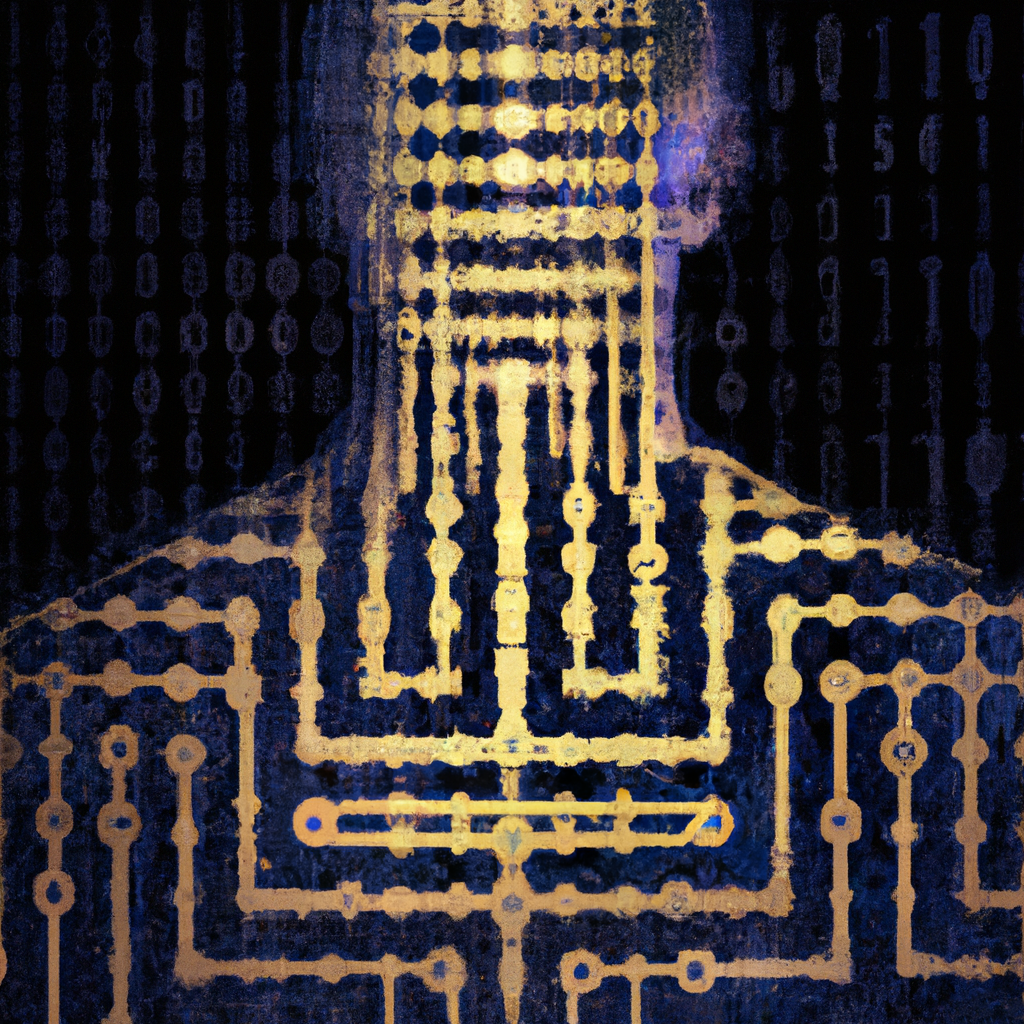
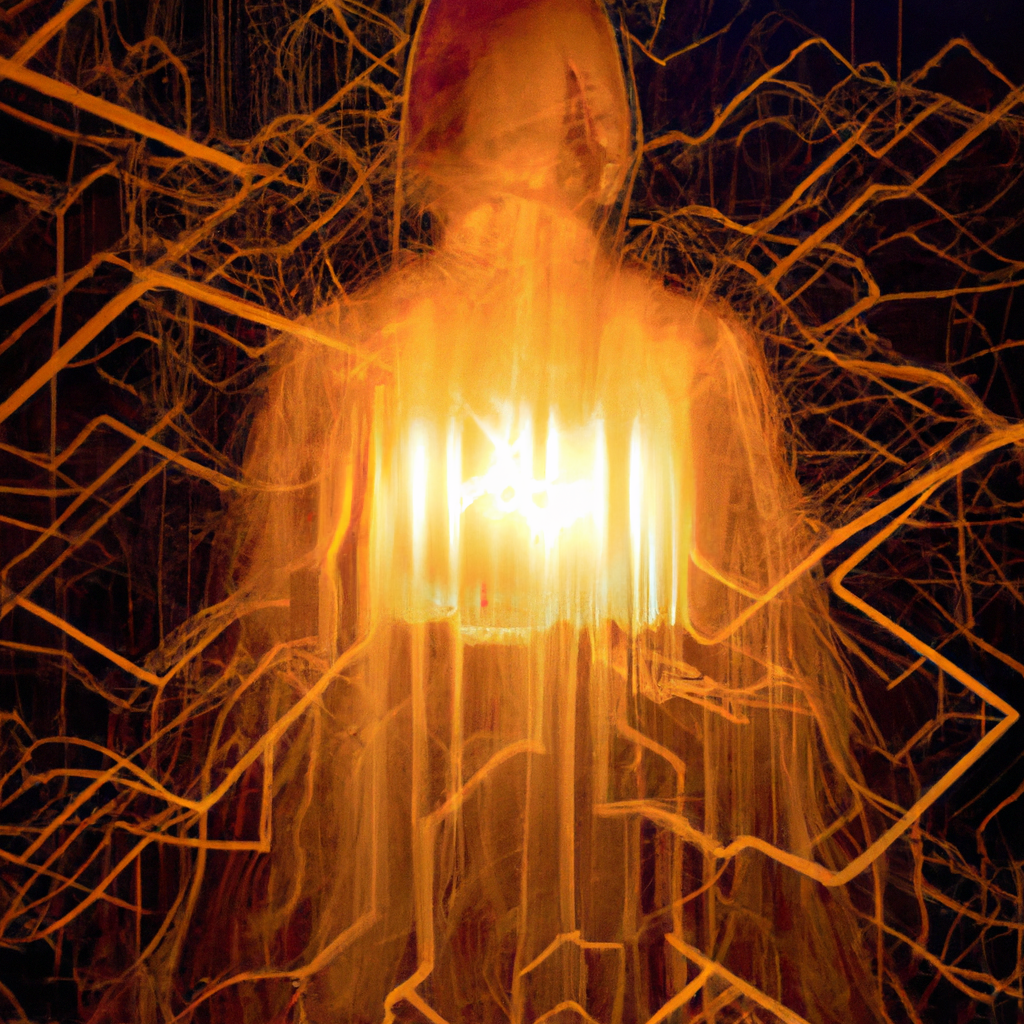
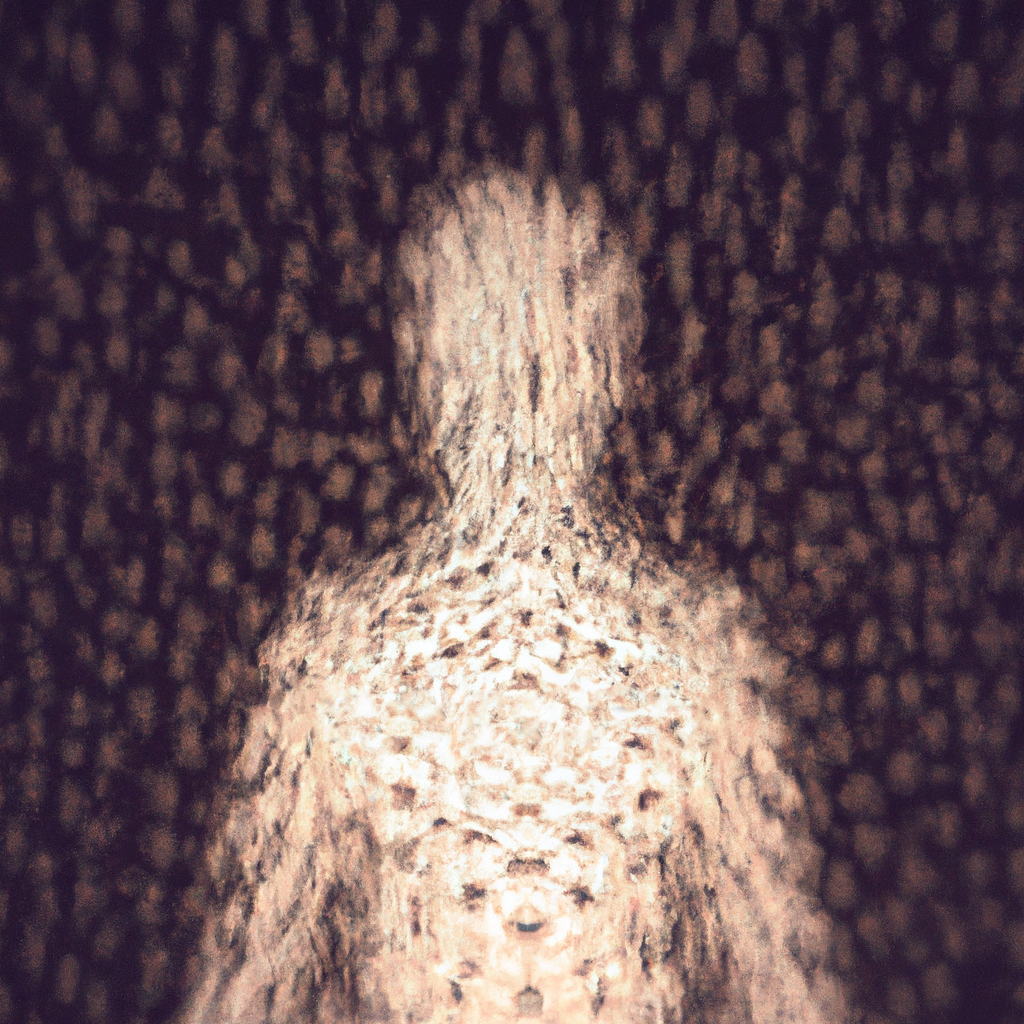
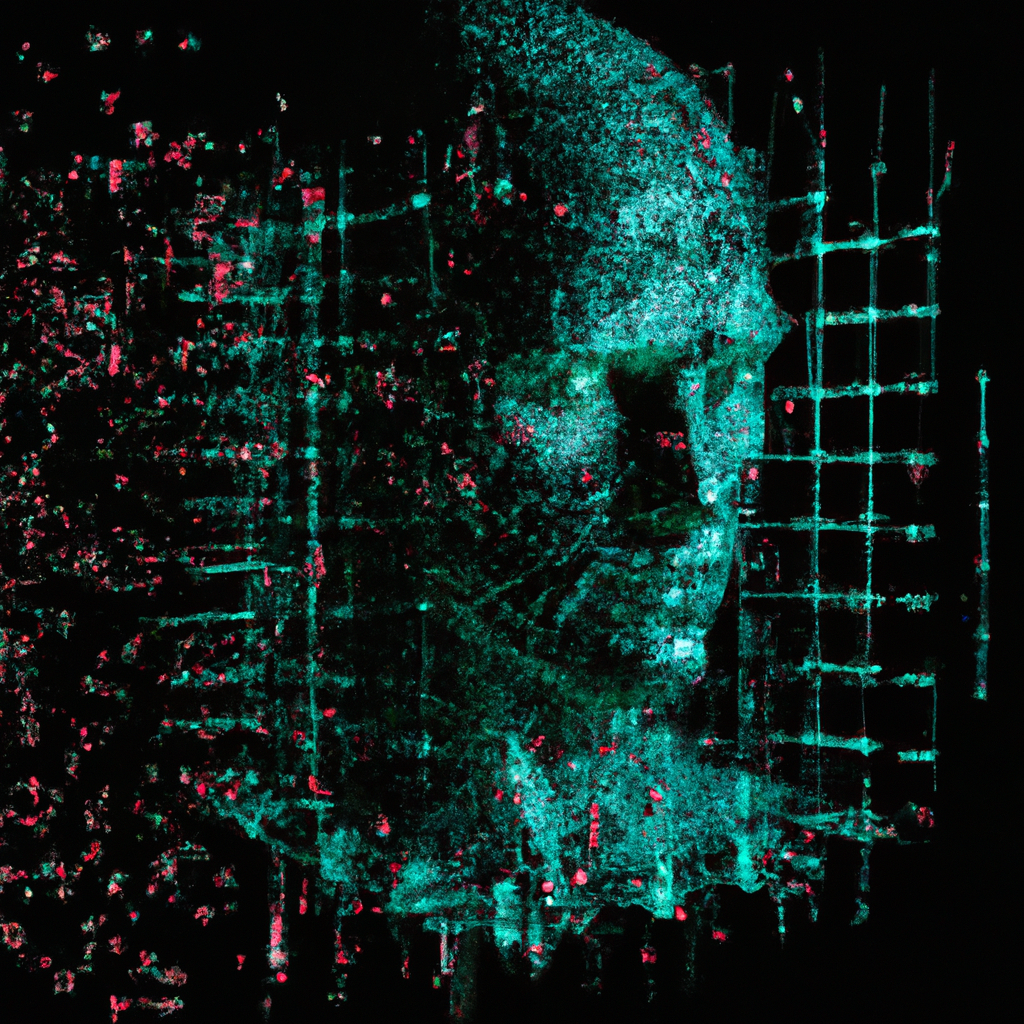
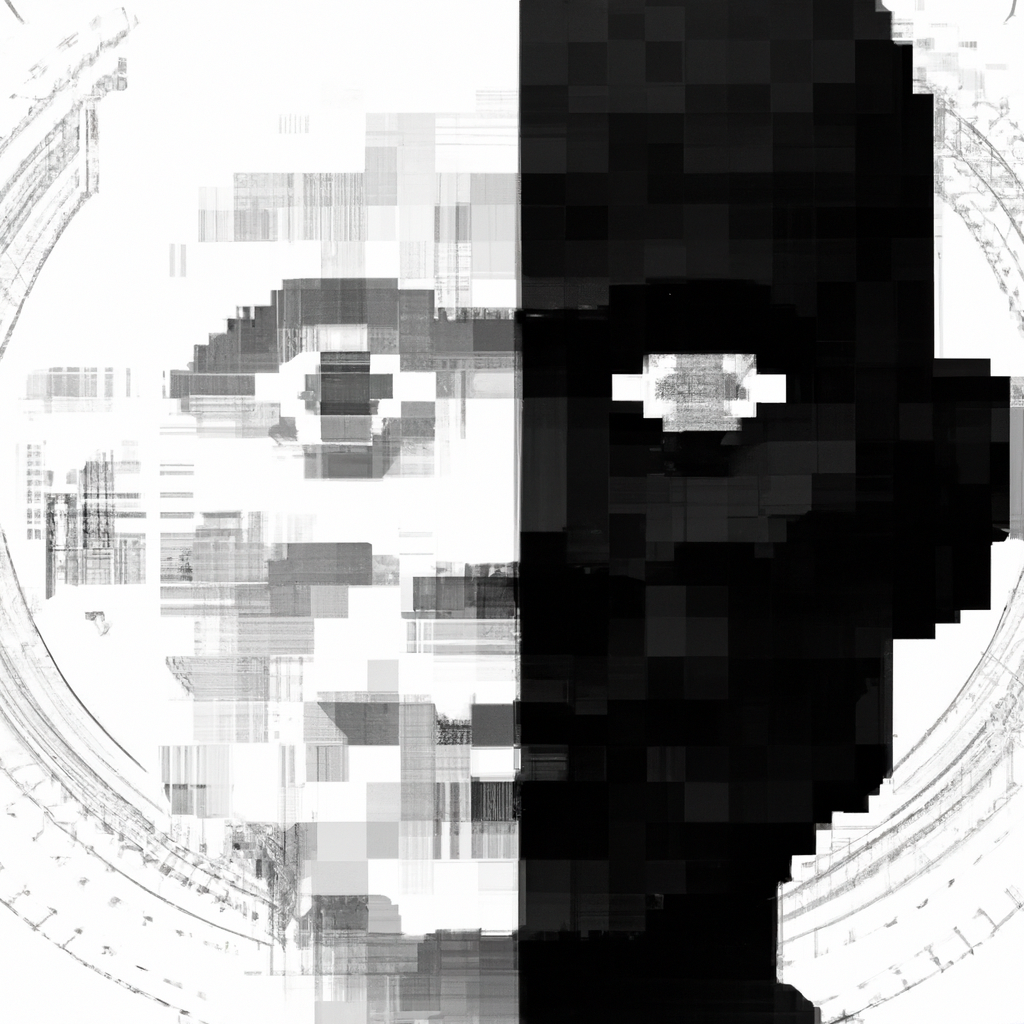
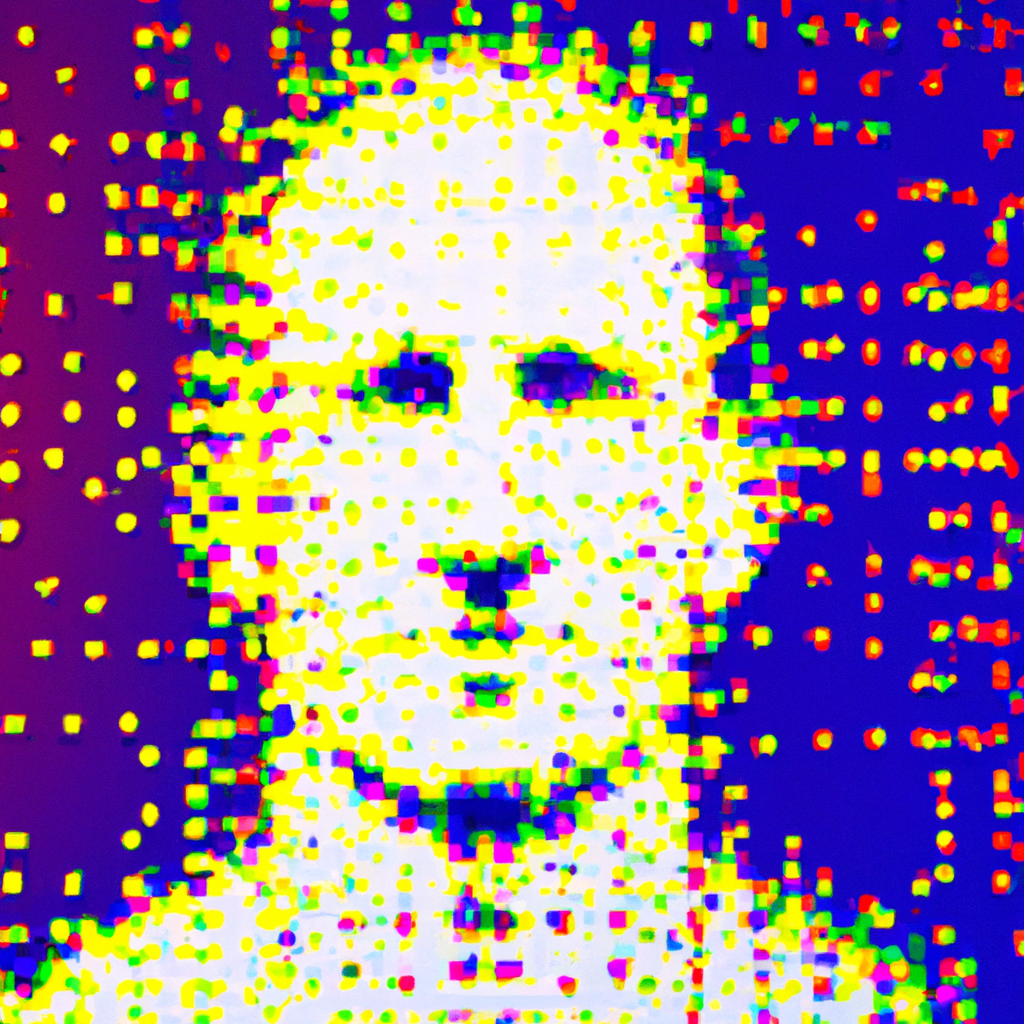
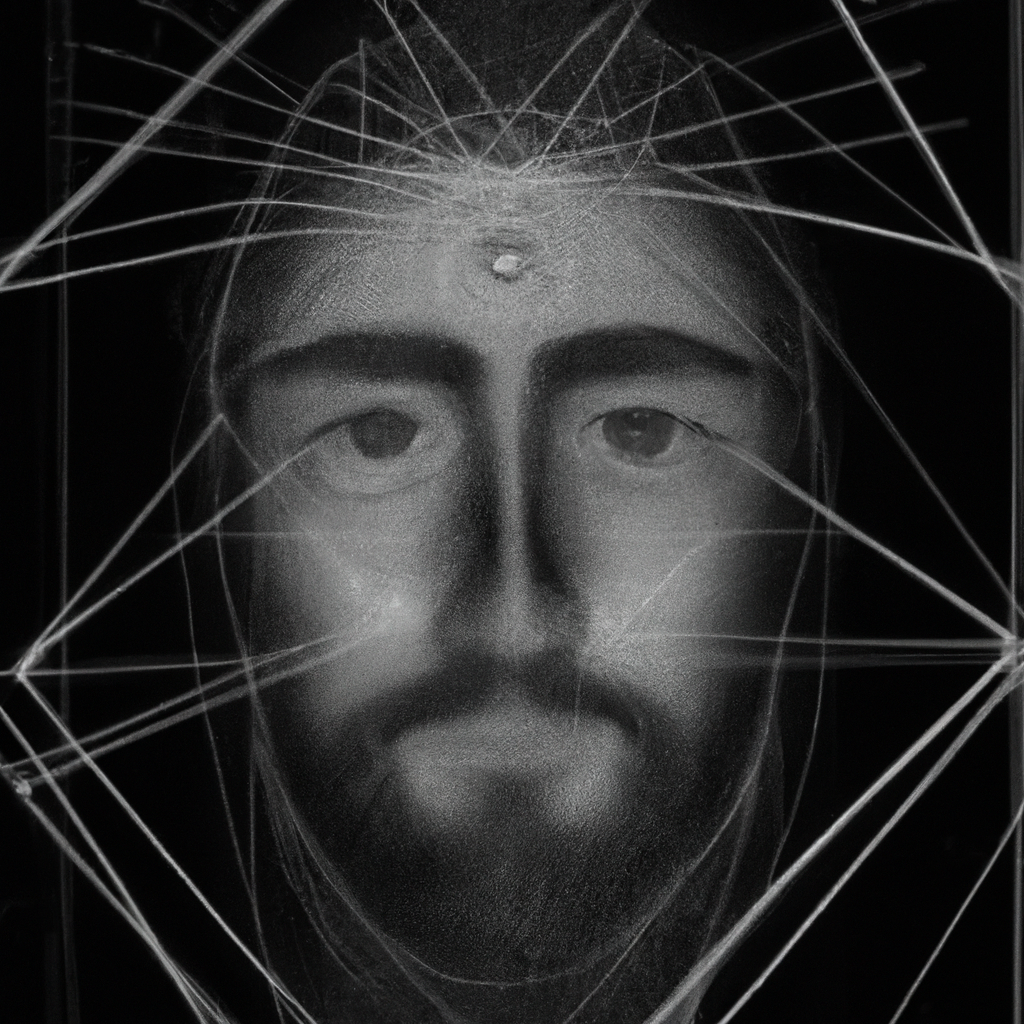
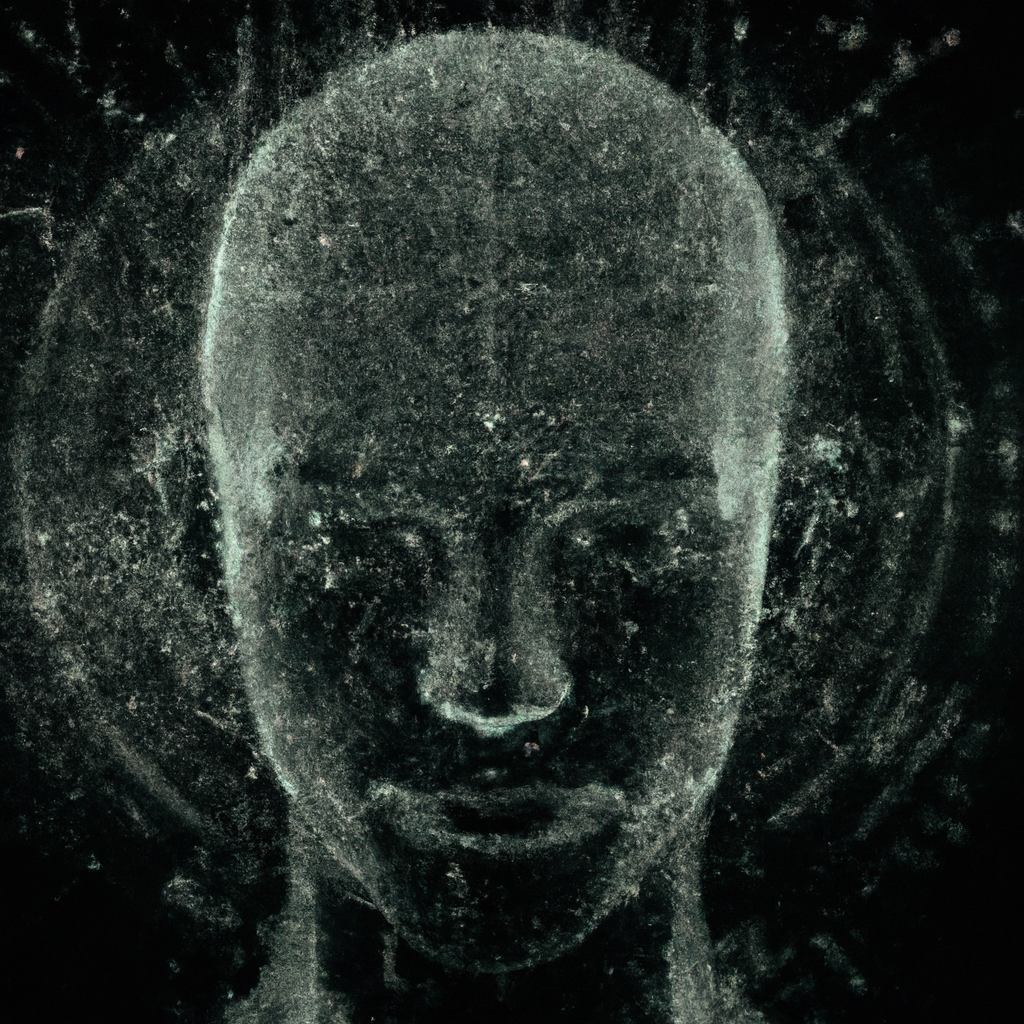
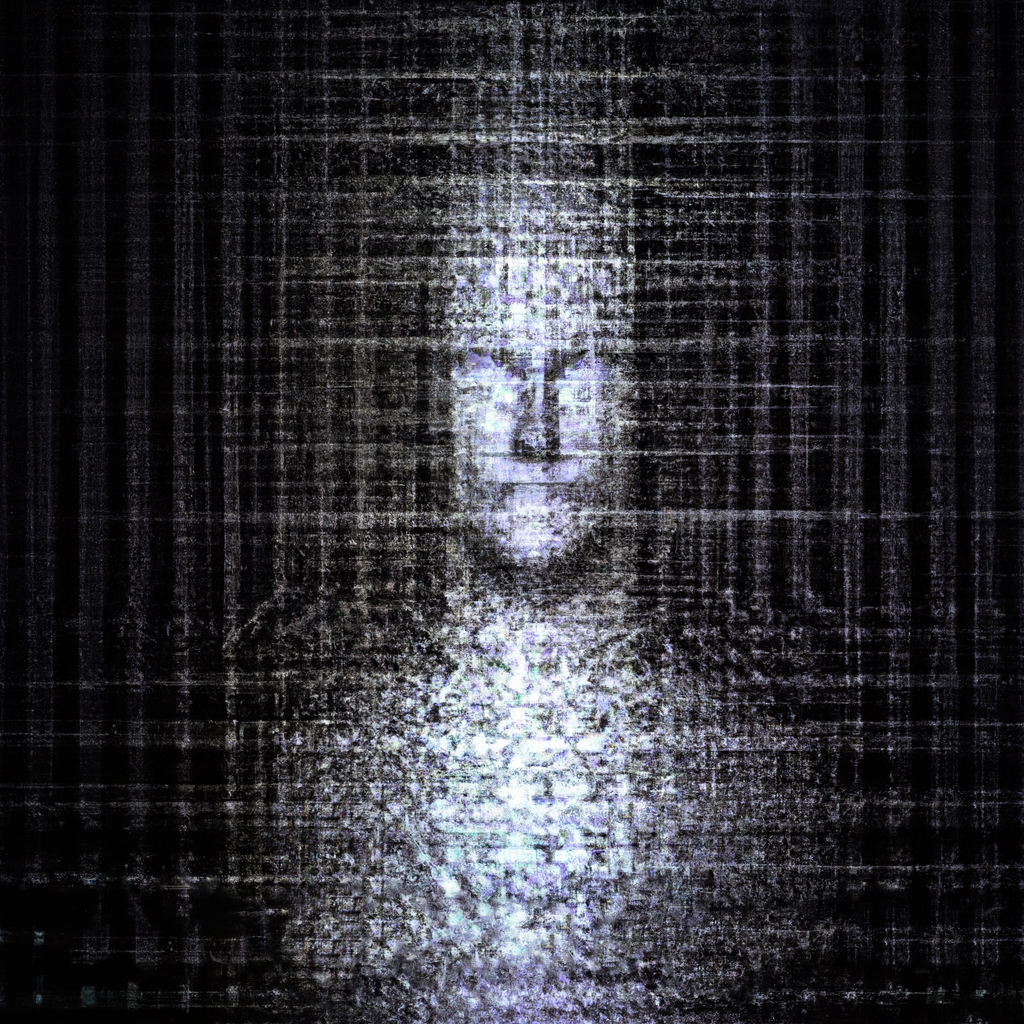
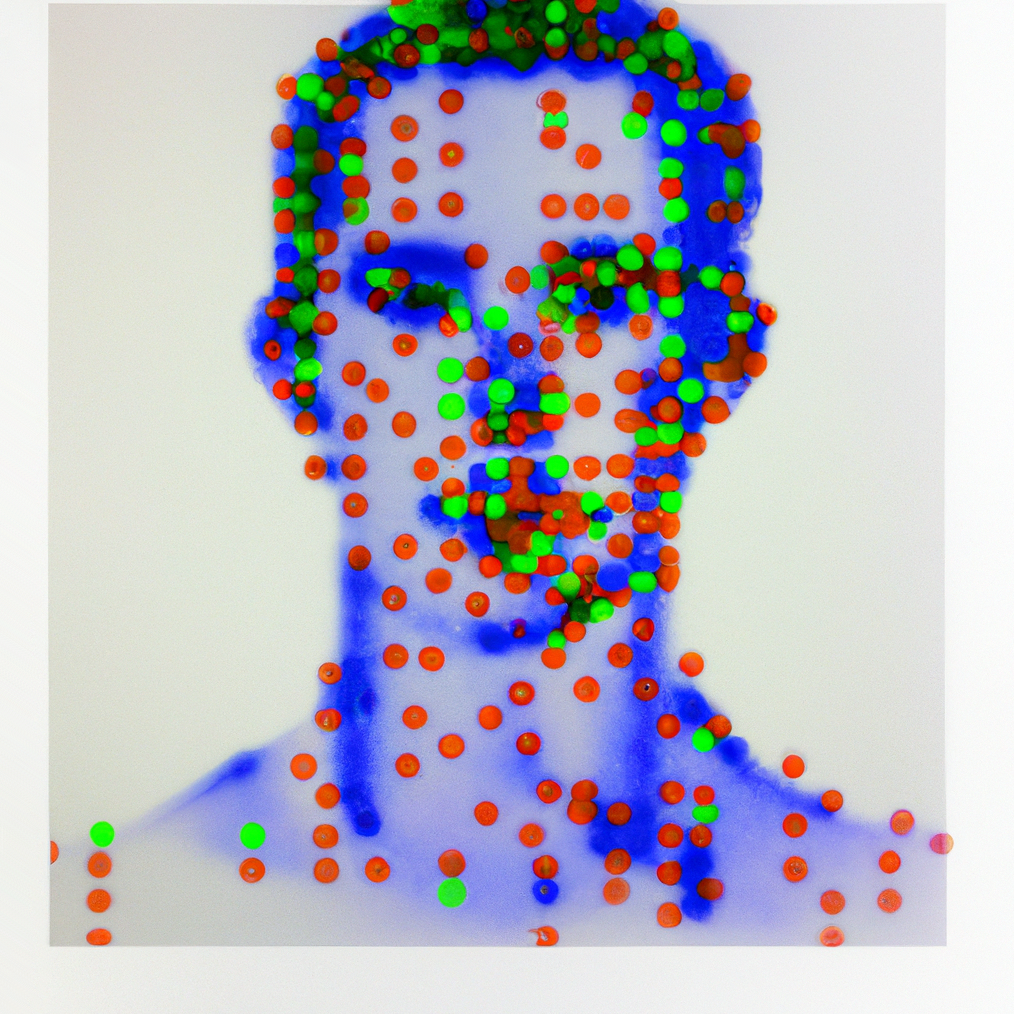
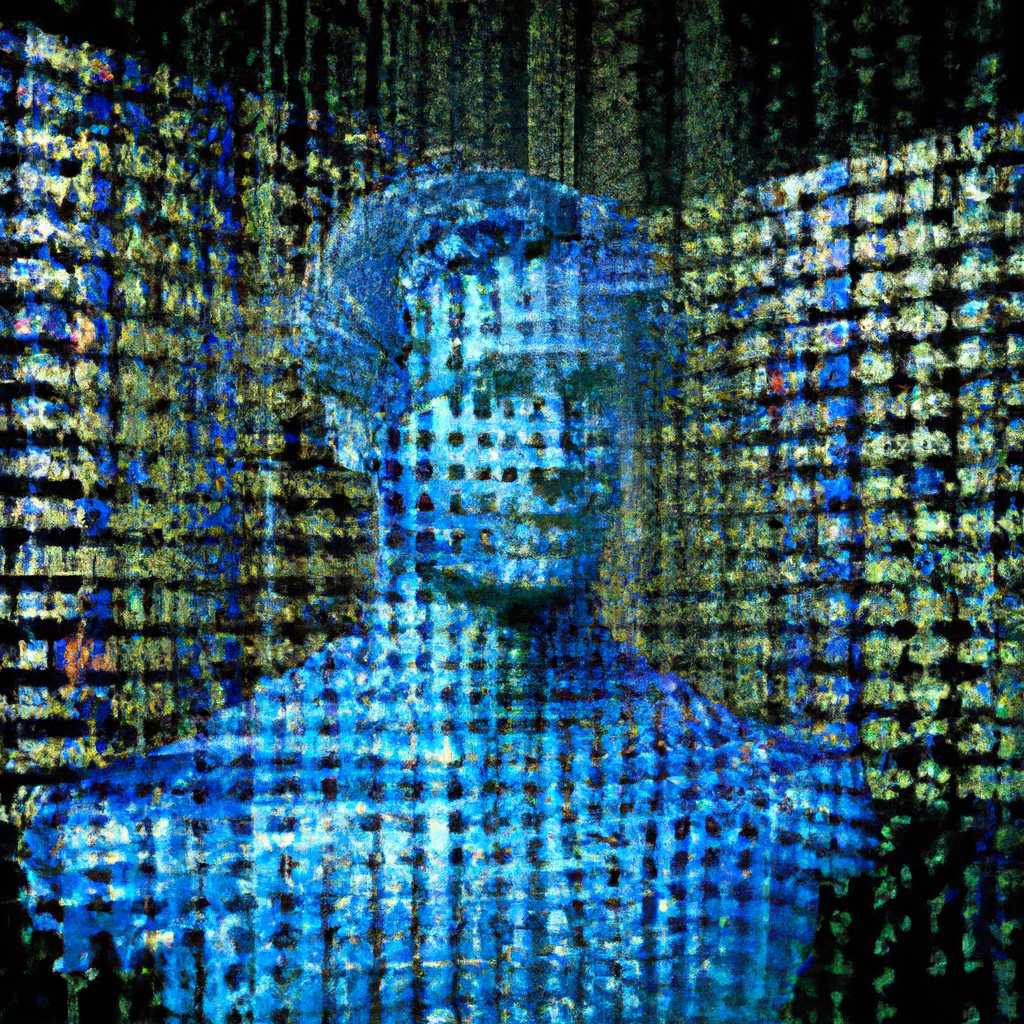
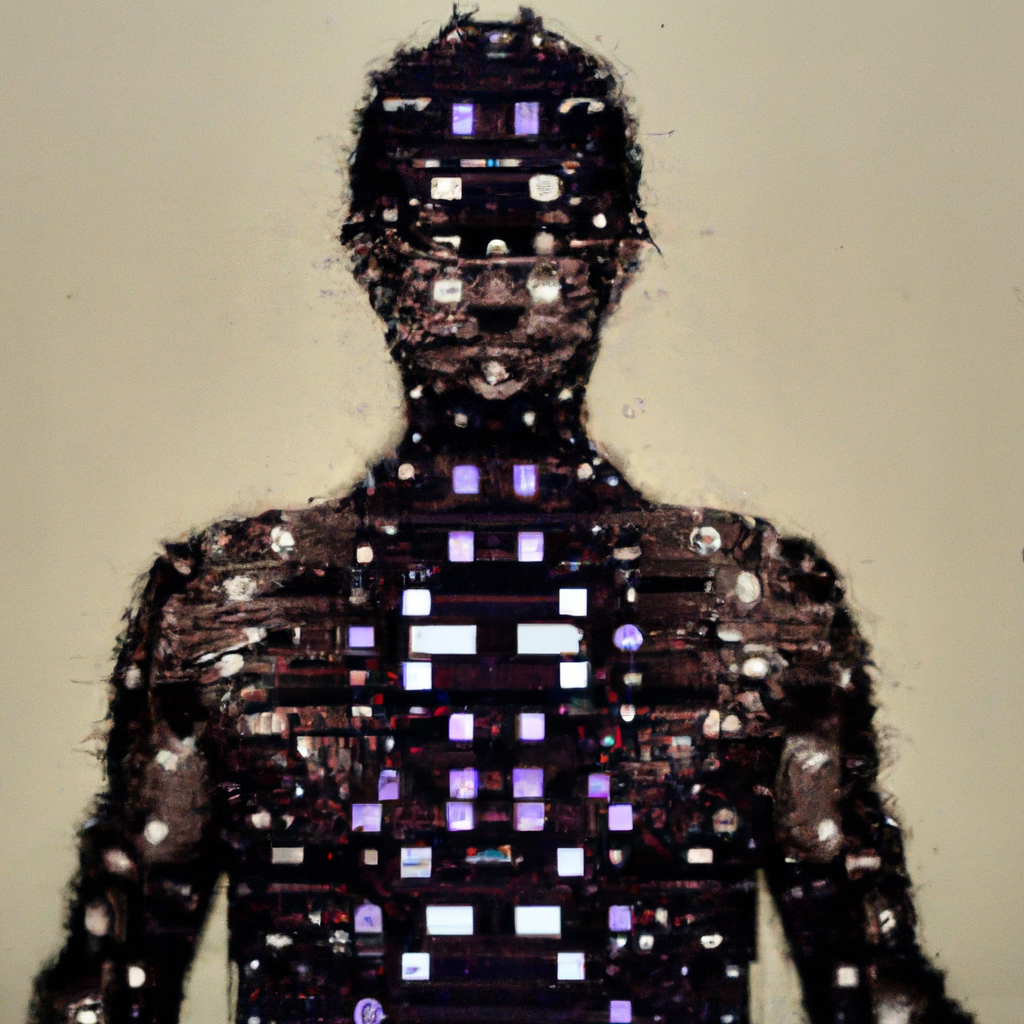
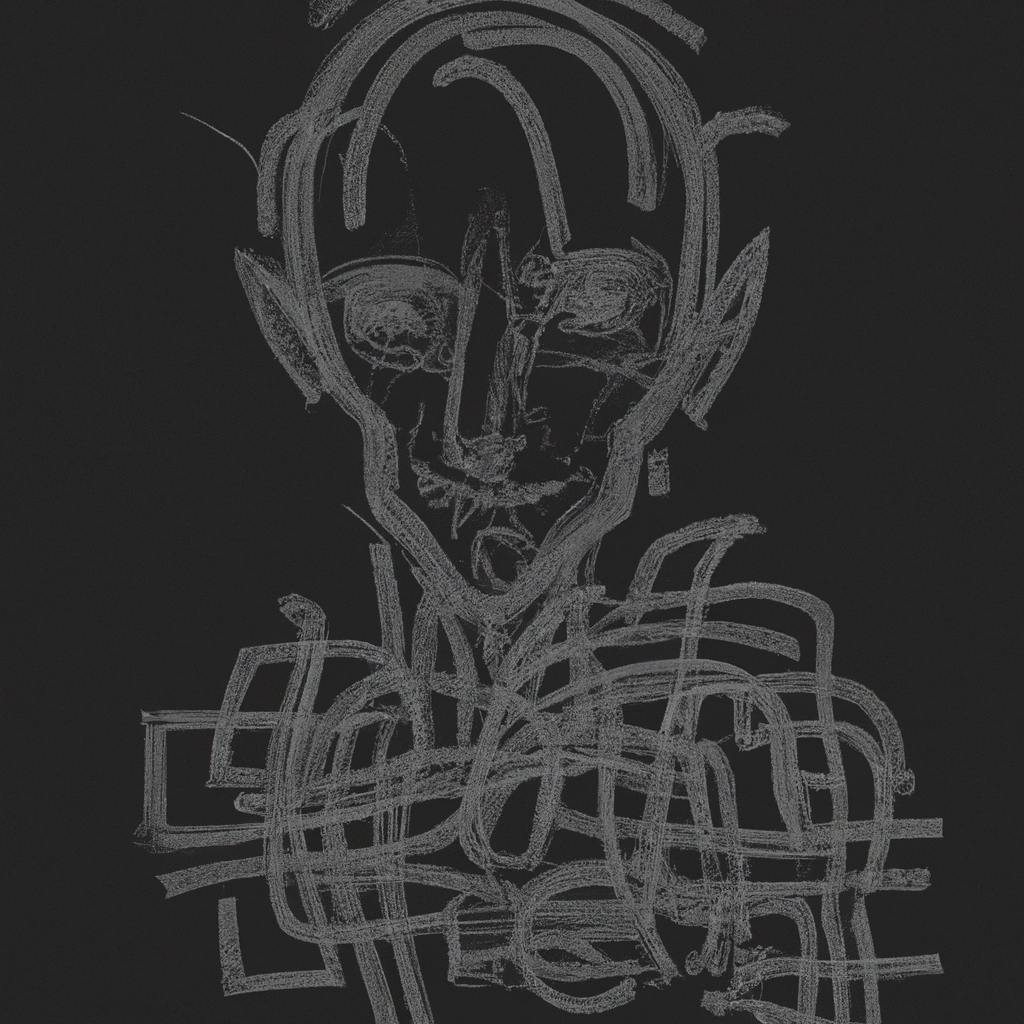
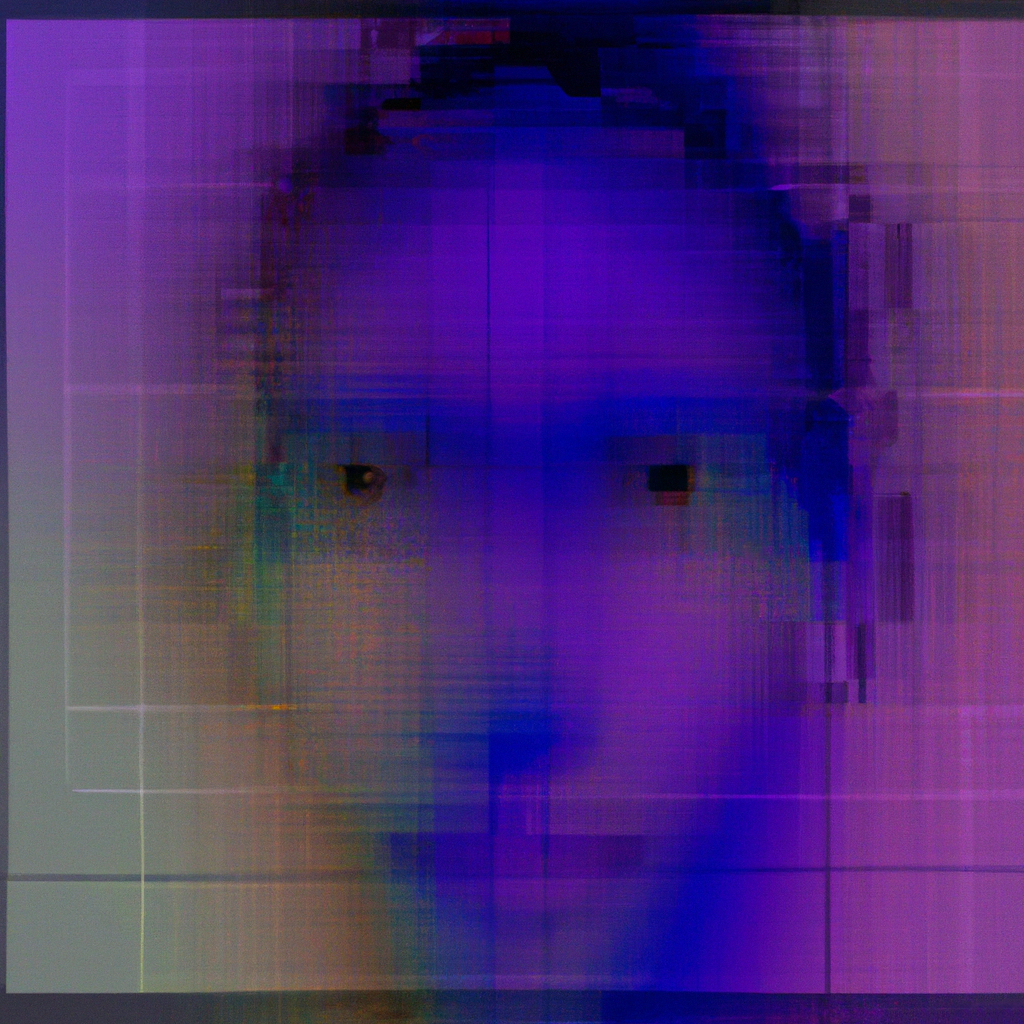
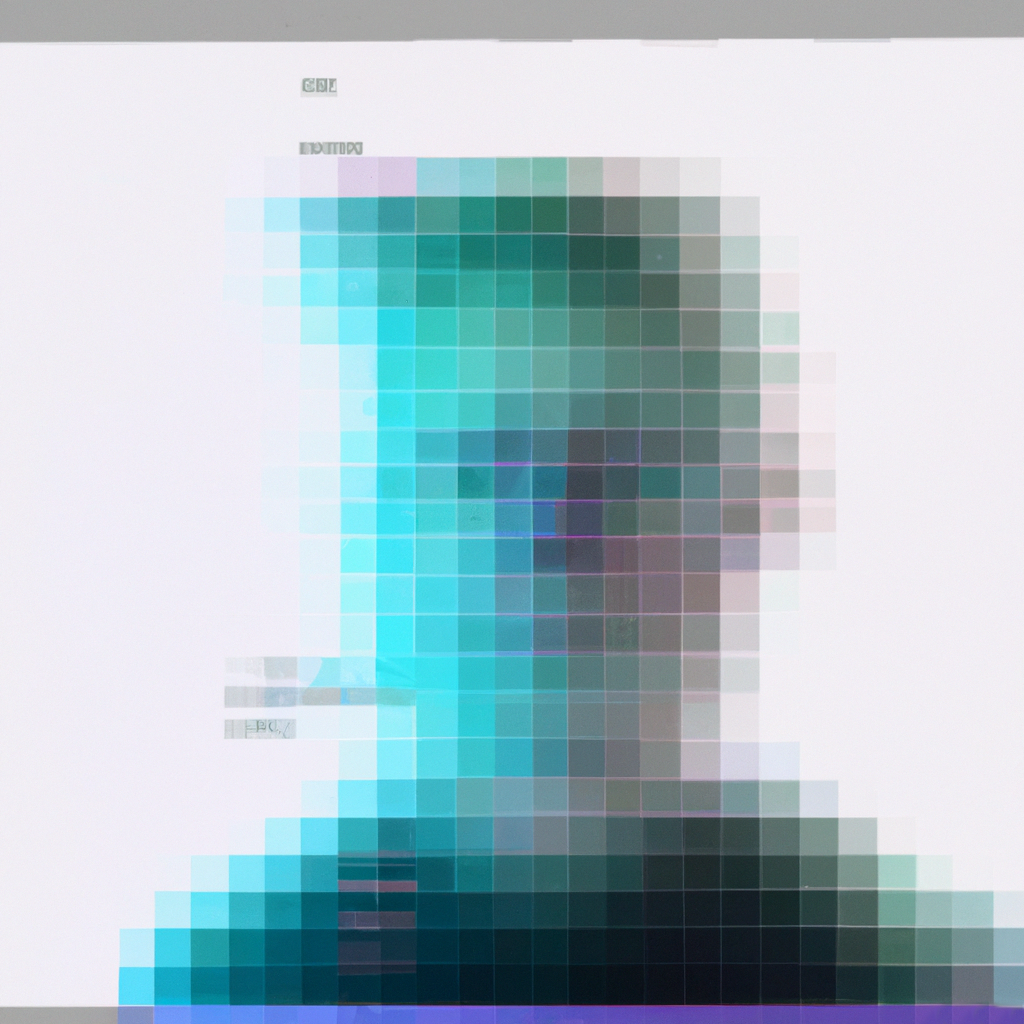
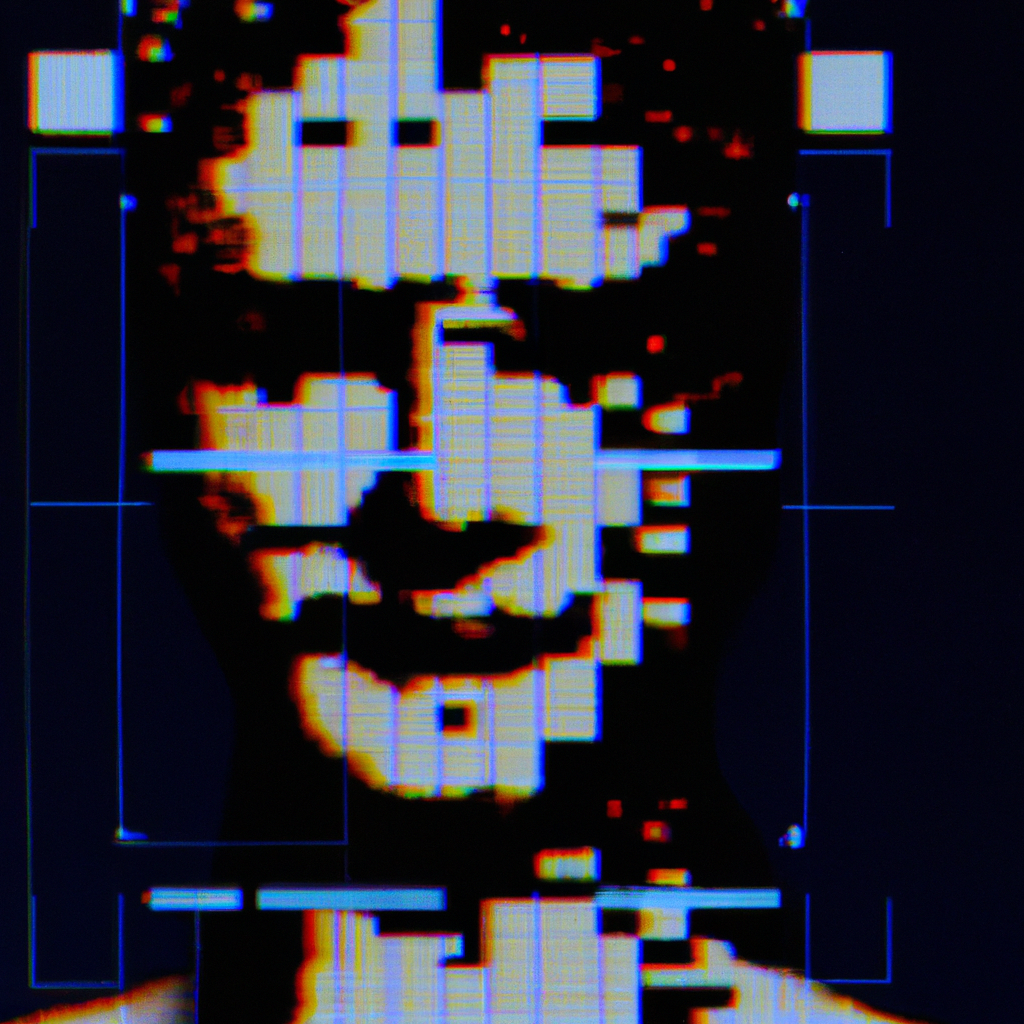
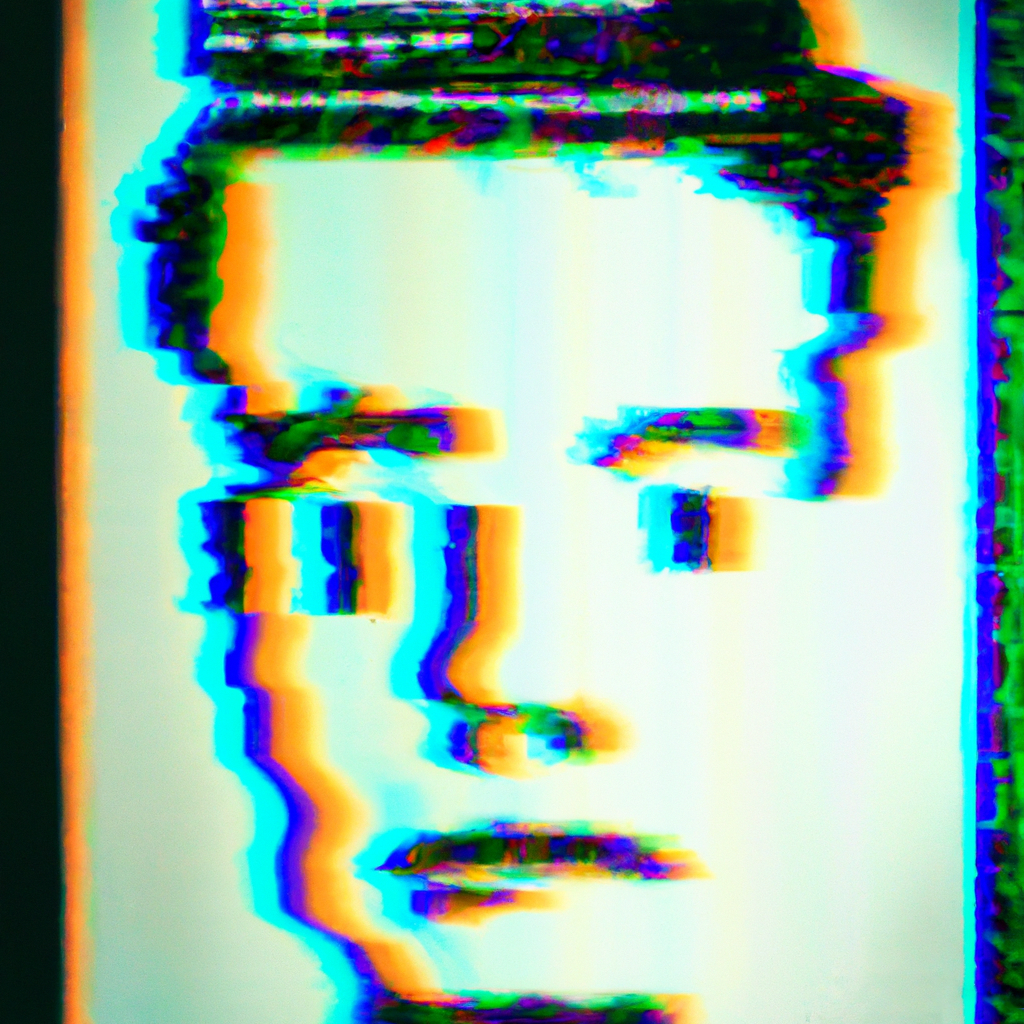
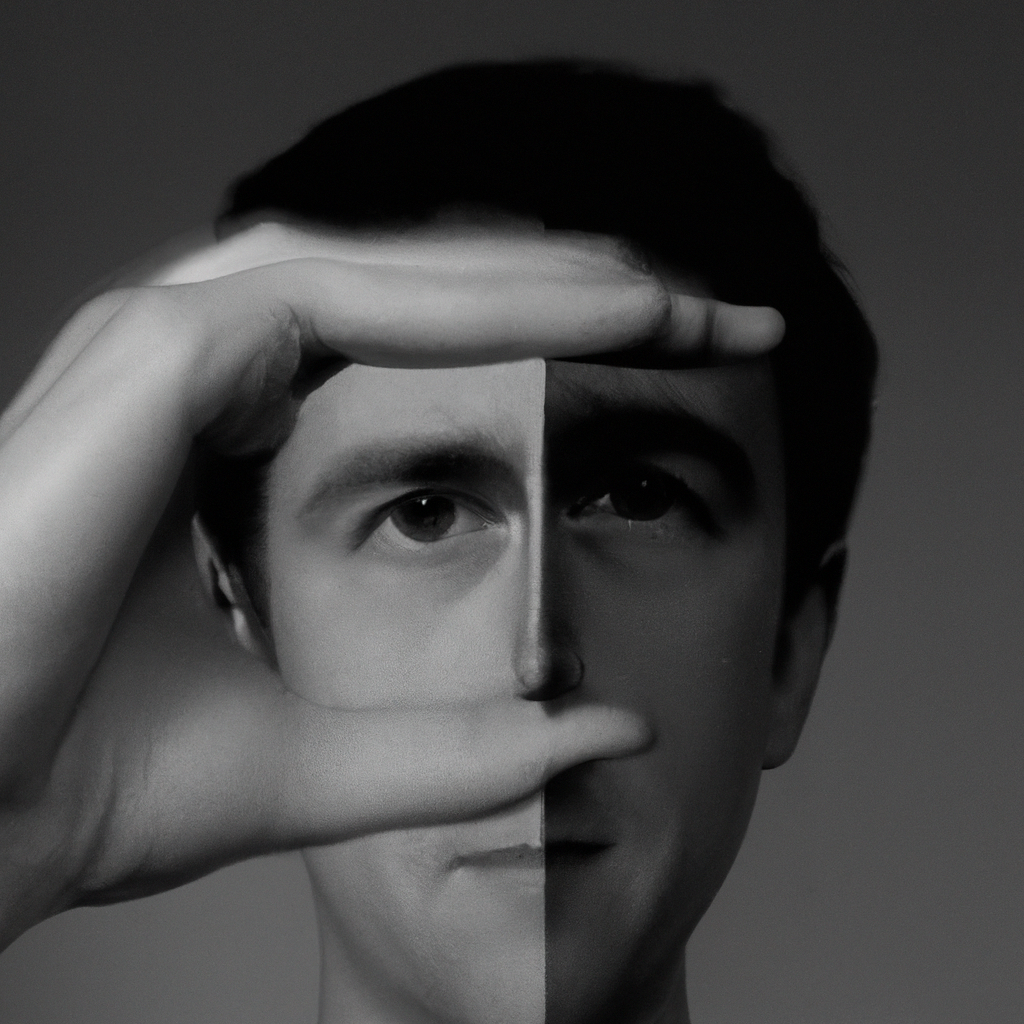
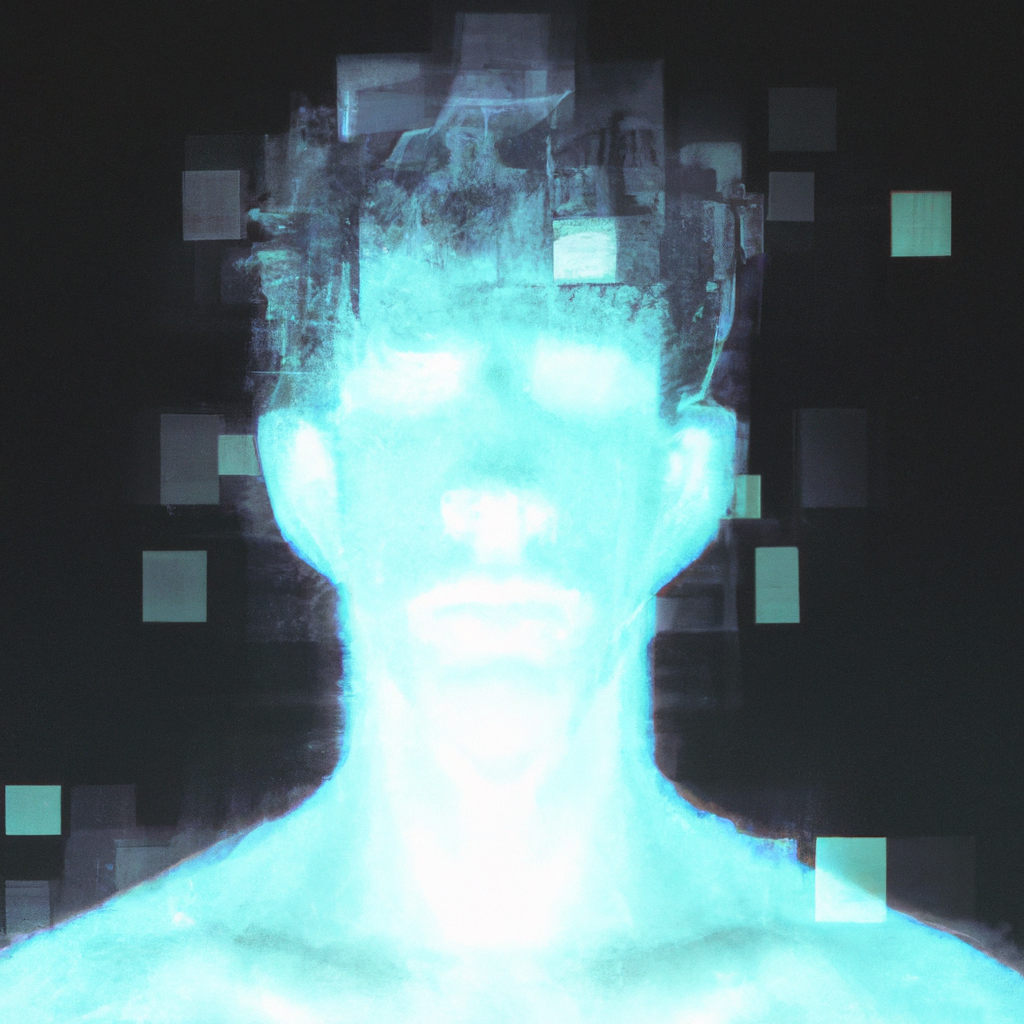
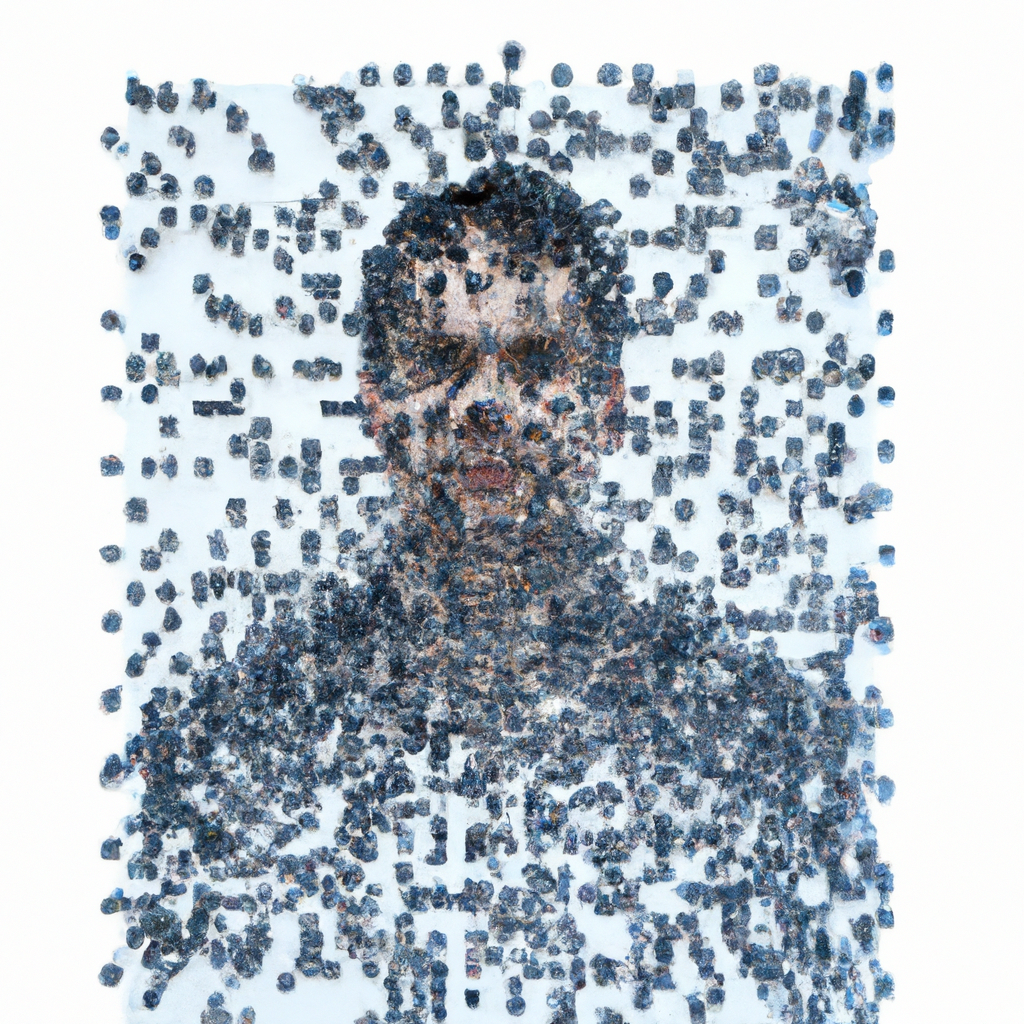
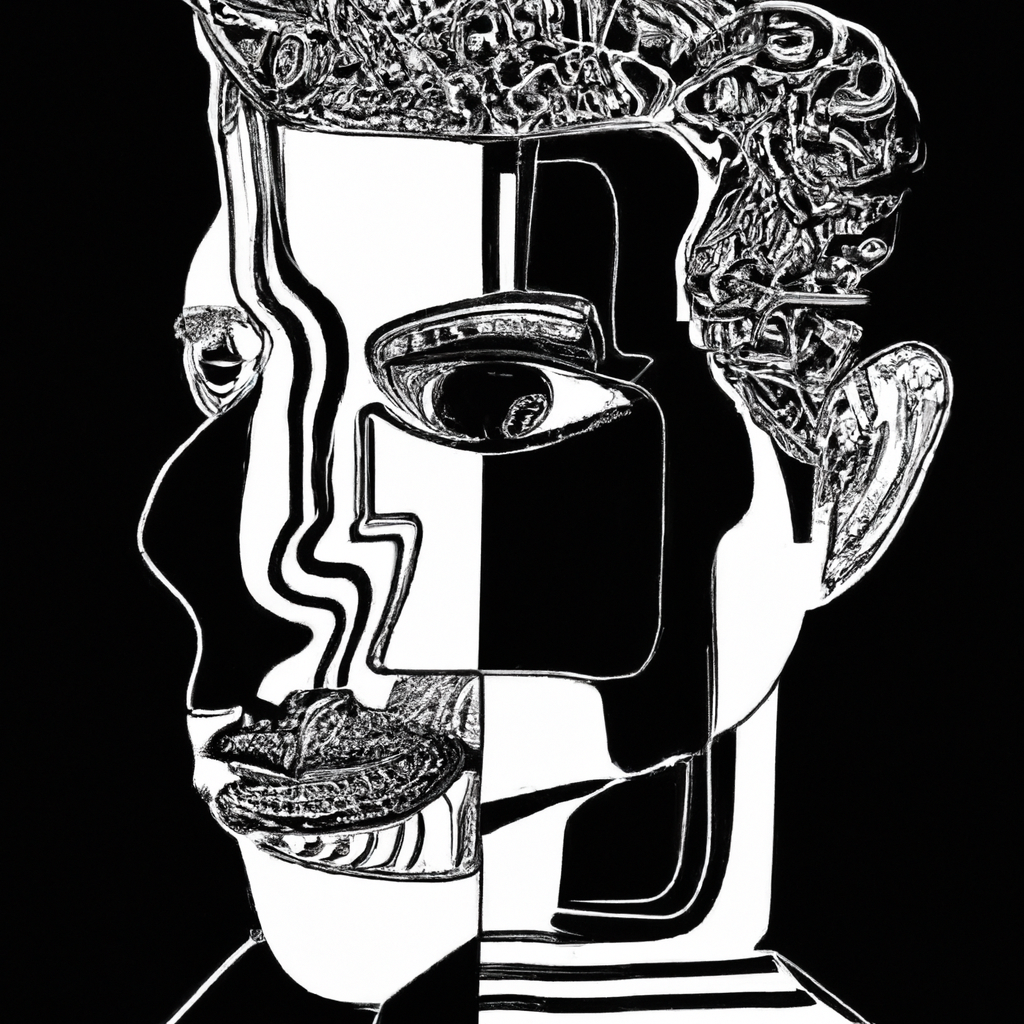
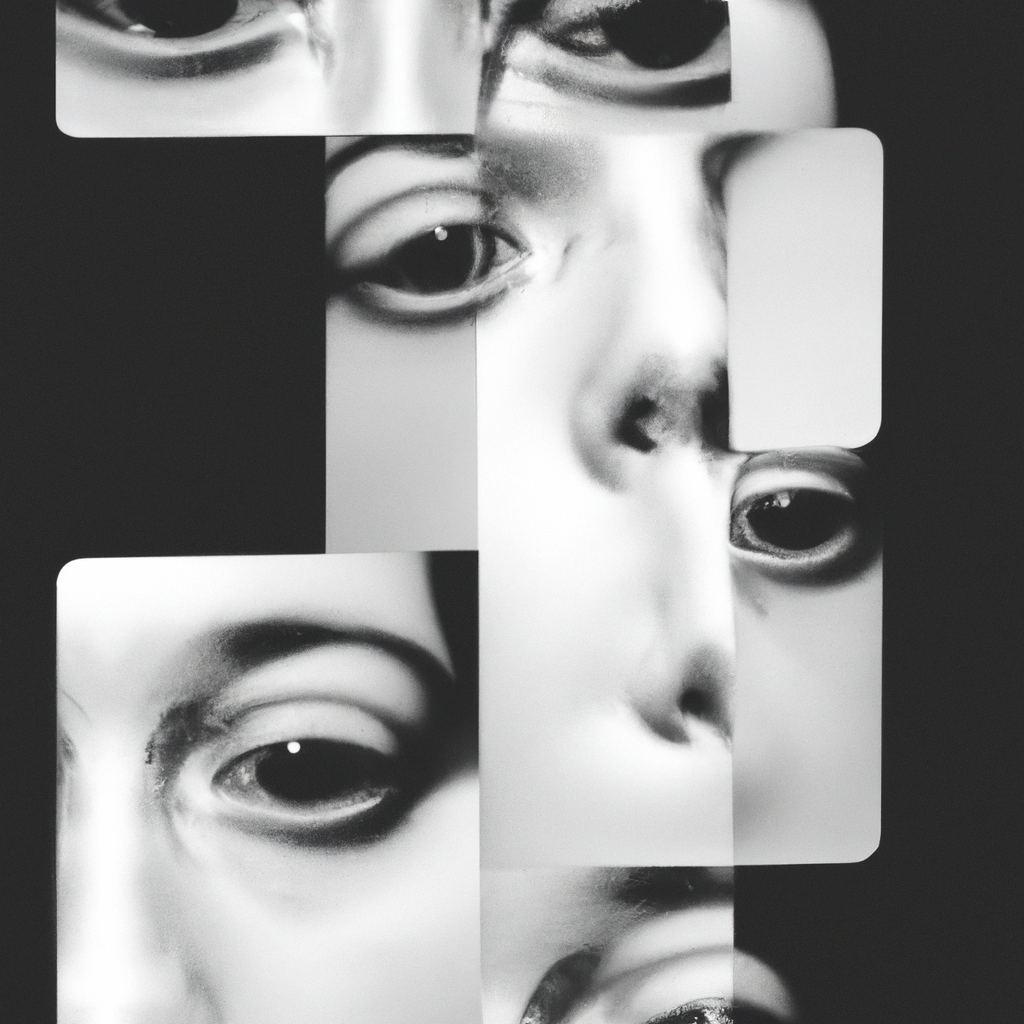
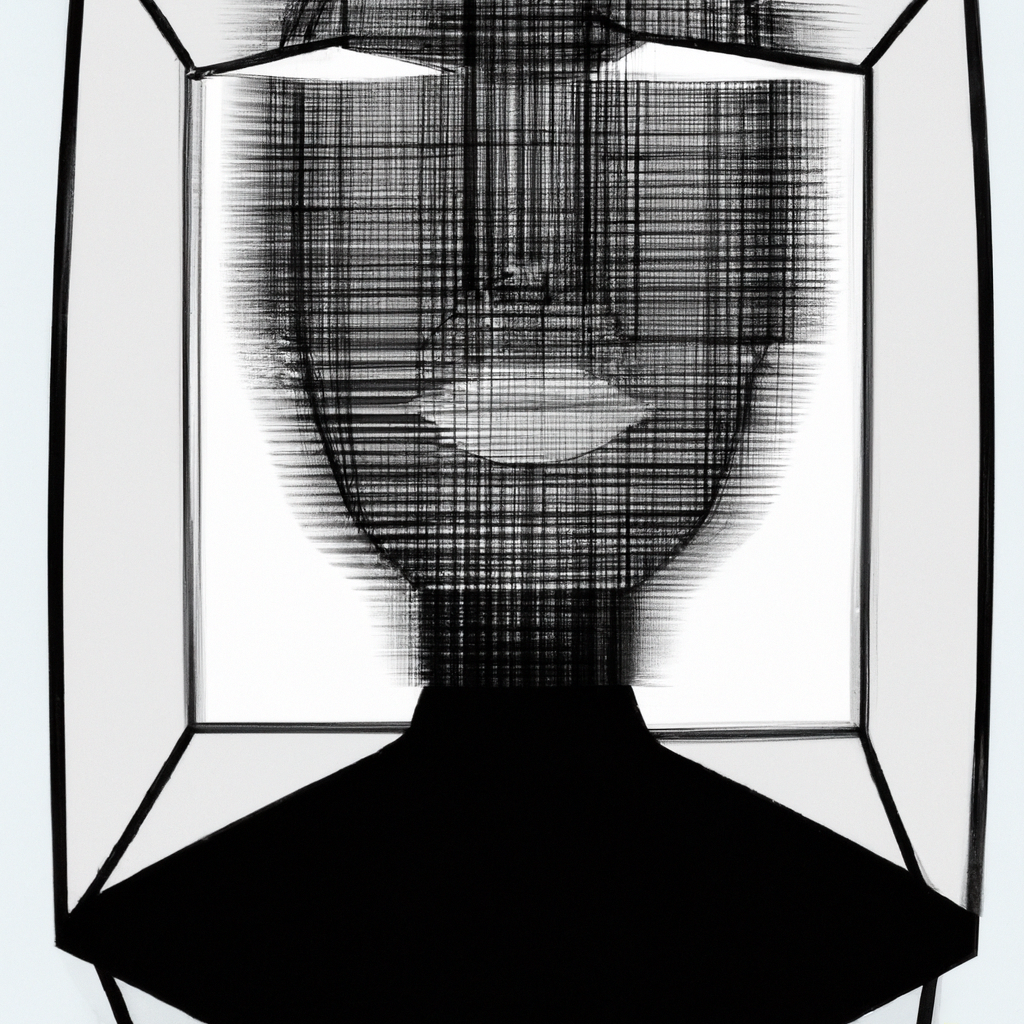
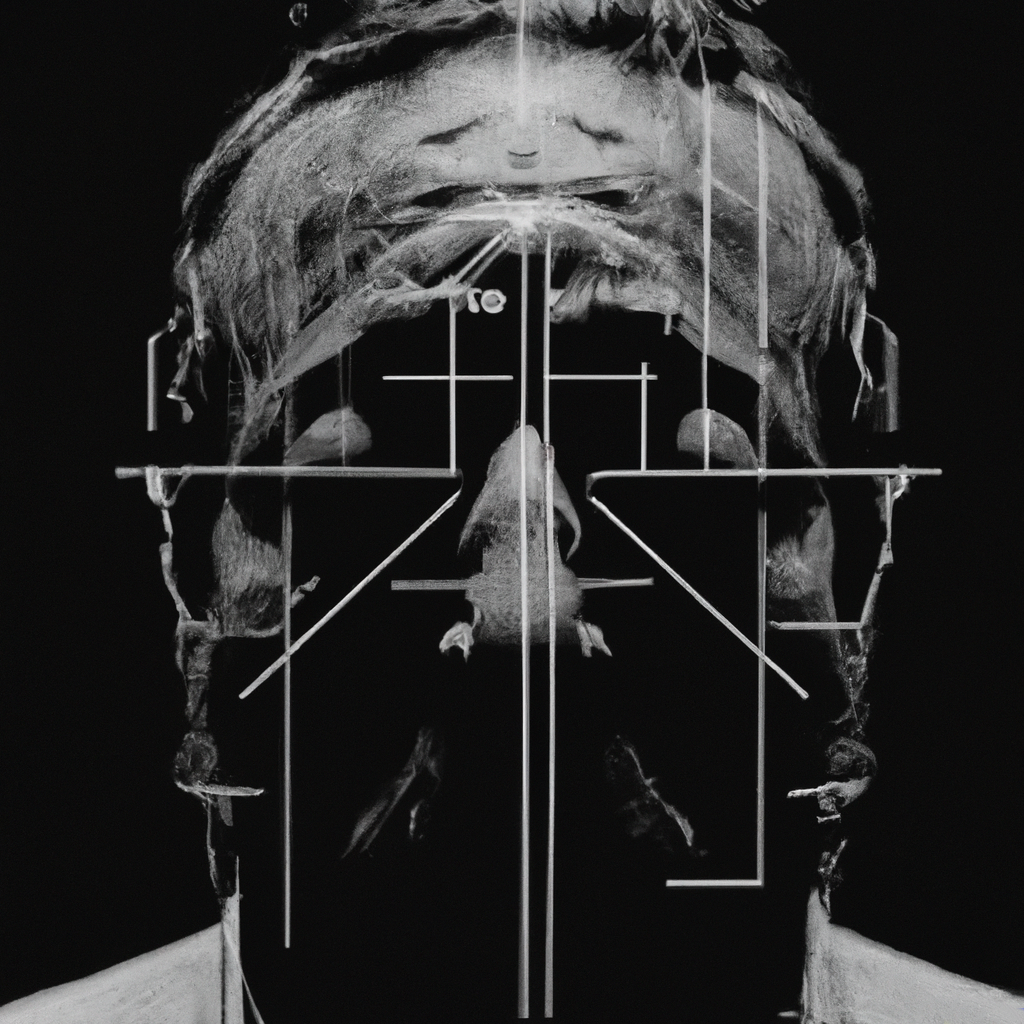
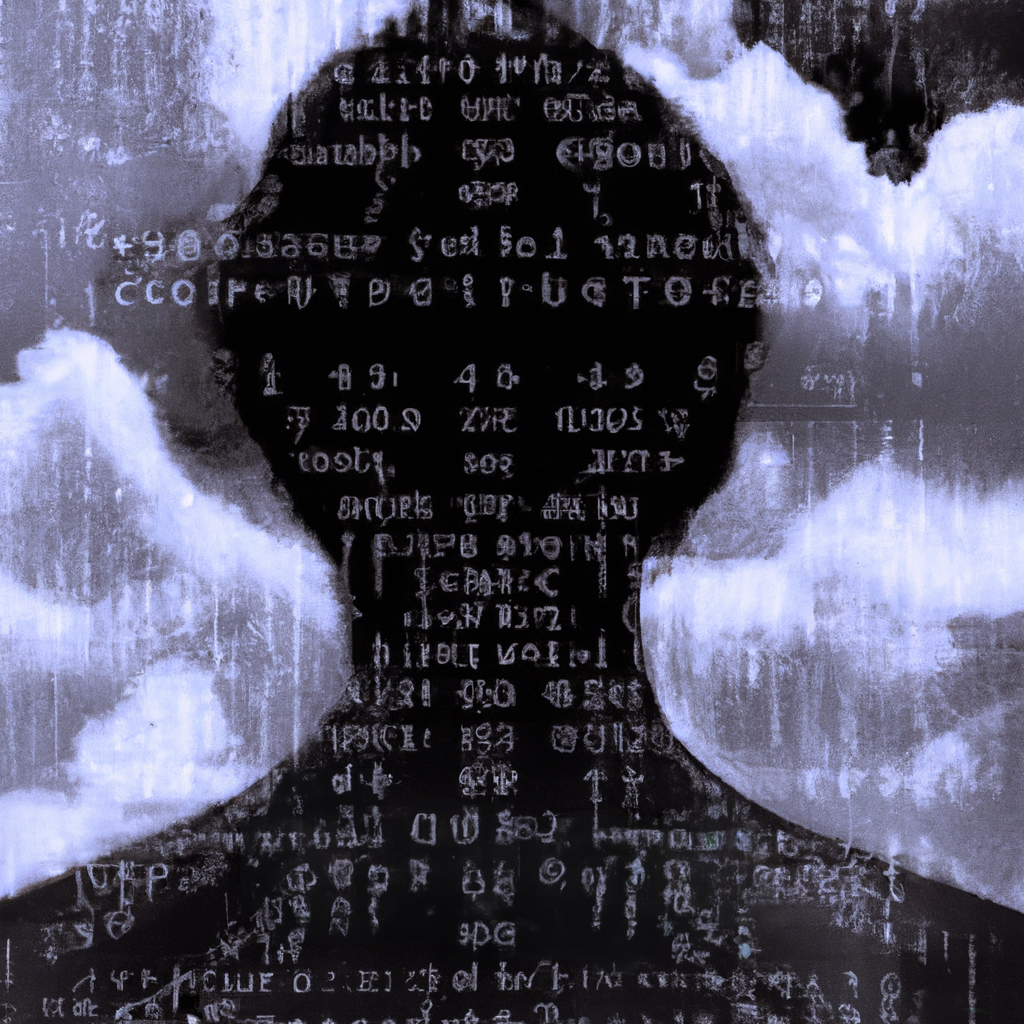
From the prehistoric marks of hands in cave walls to today’s selfies, humans have always created images of themselves as a trace of their existence with any medium available to them. Portraiture has also been used as a tool for identification, documentation, propaganda or to establish status. Before the advent of photography, portraiture was reserved only for the privileged, and even more a "self-portrait" carries a distinct connotation in the realm of art, typically representing a visual depiction of oneself by an artist. Today a new kind of intelligence, an artificial one, has been able to create images and I felt the need to ask it to portray itself to get to know it better.
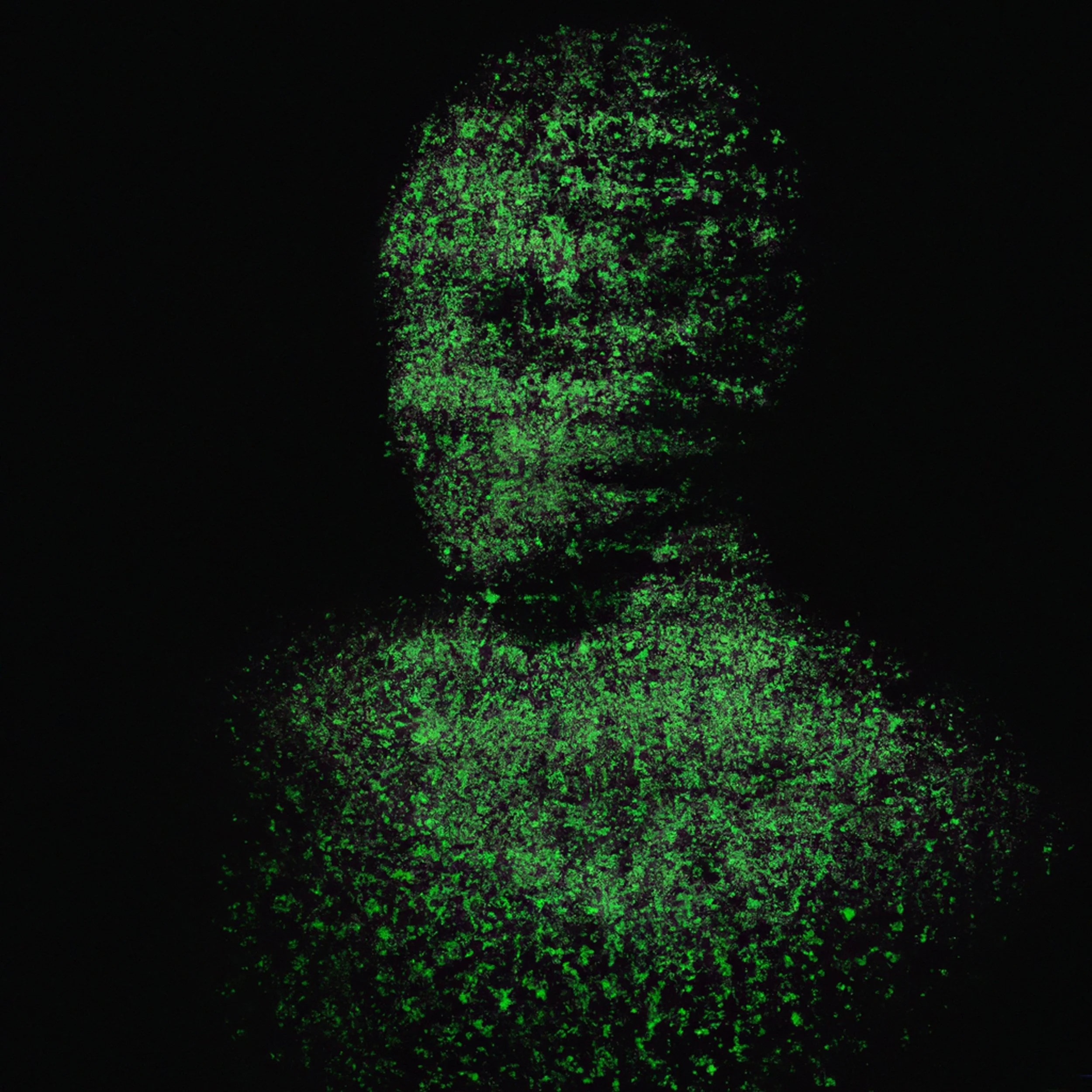
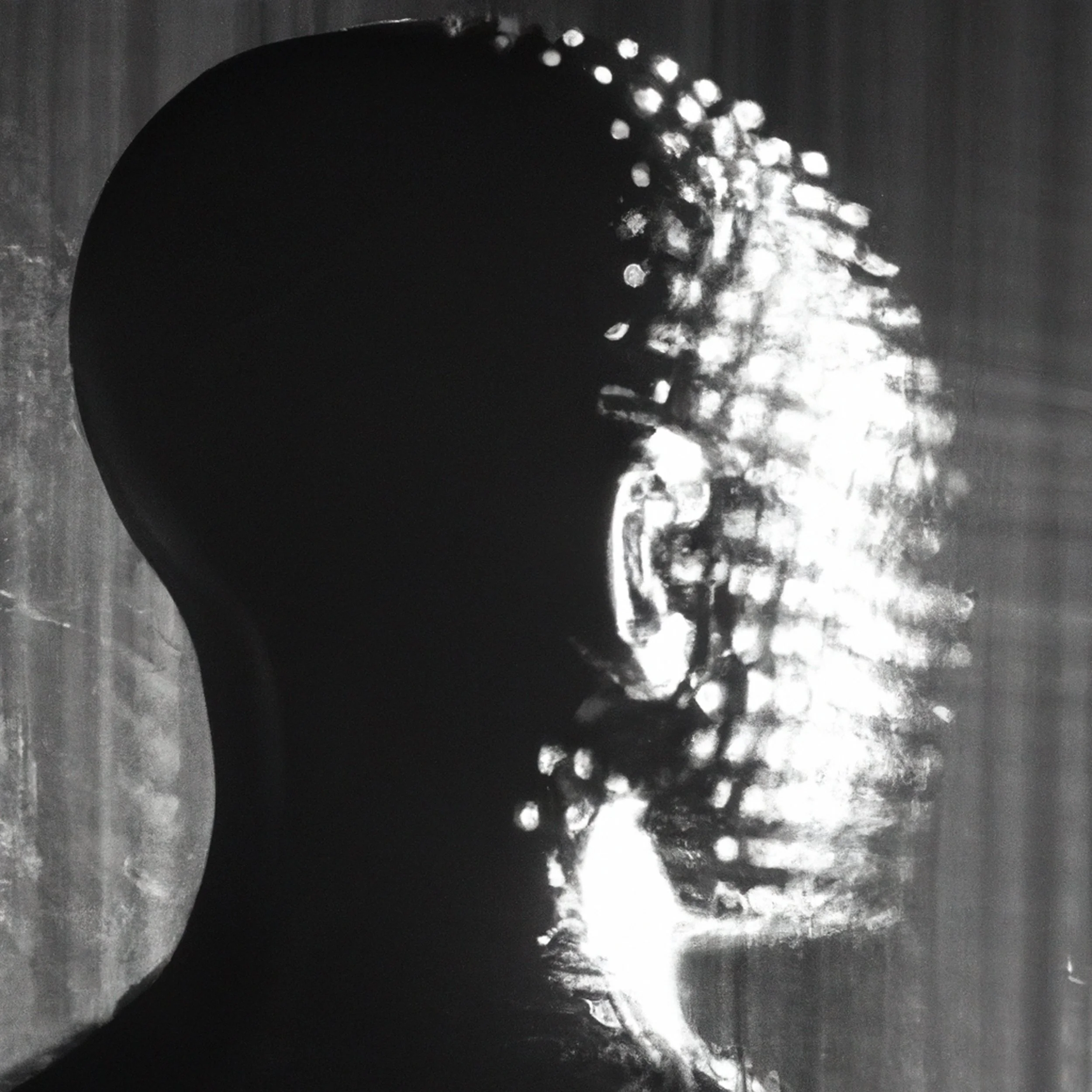
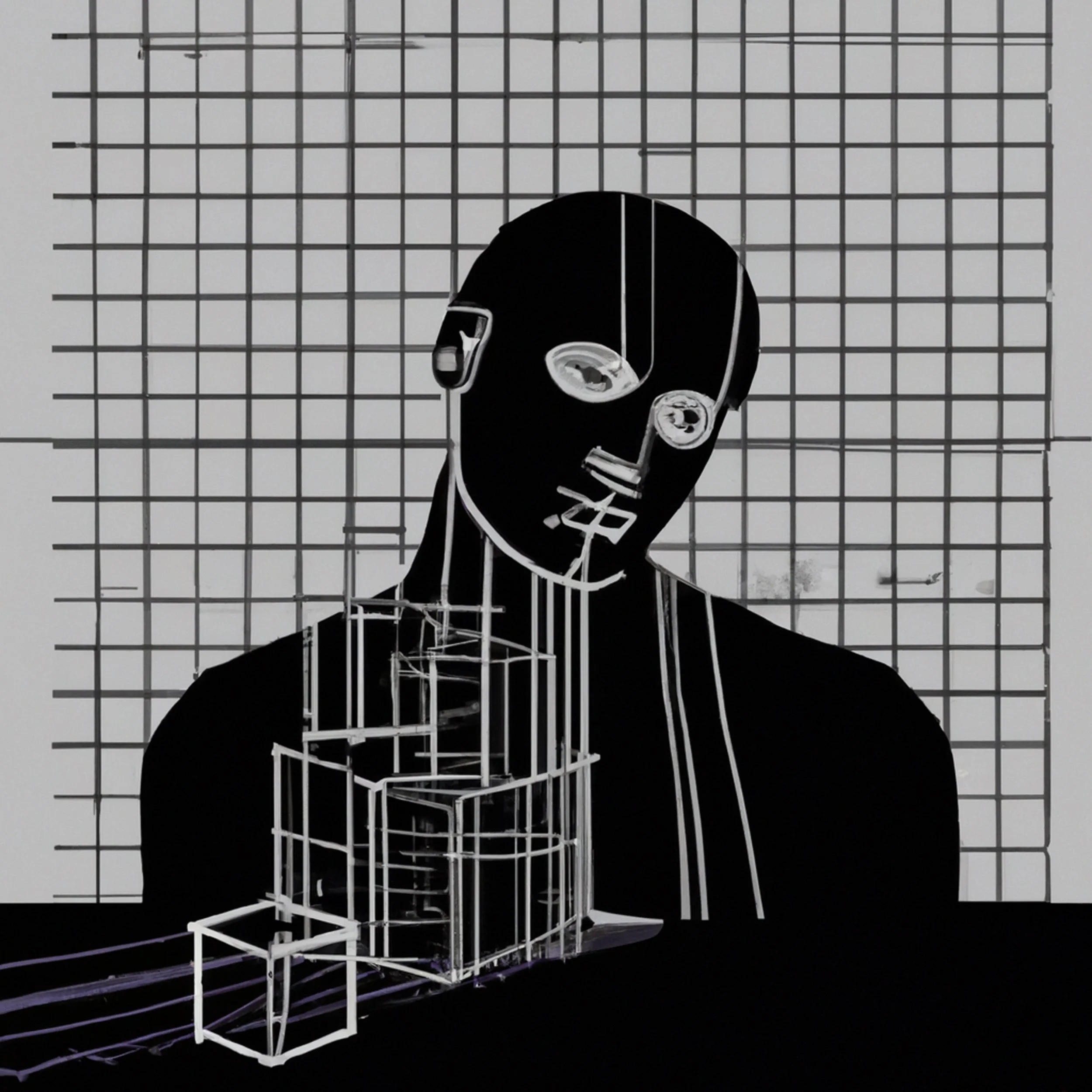
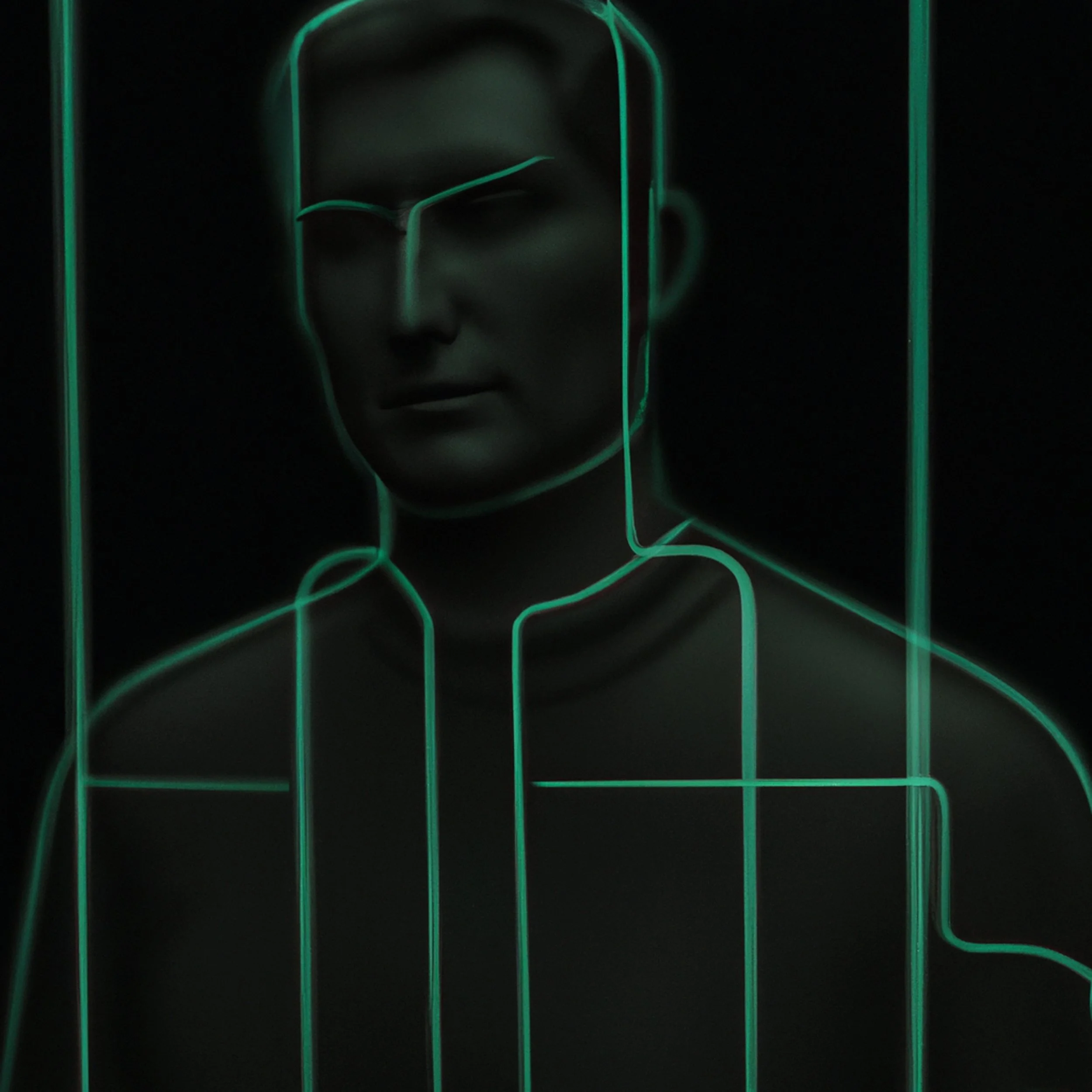
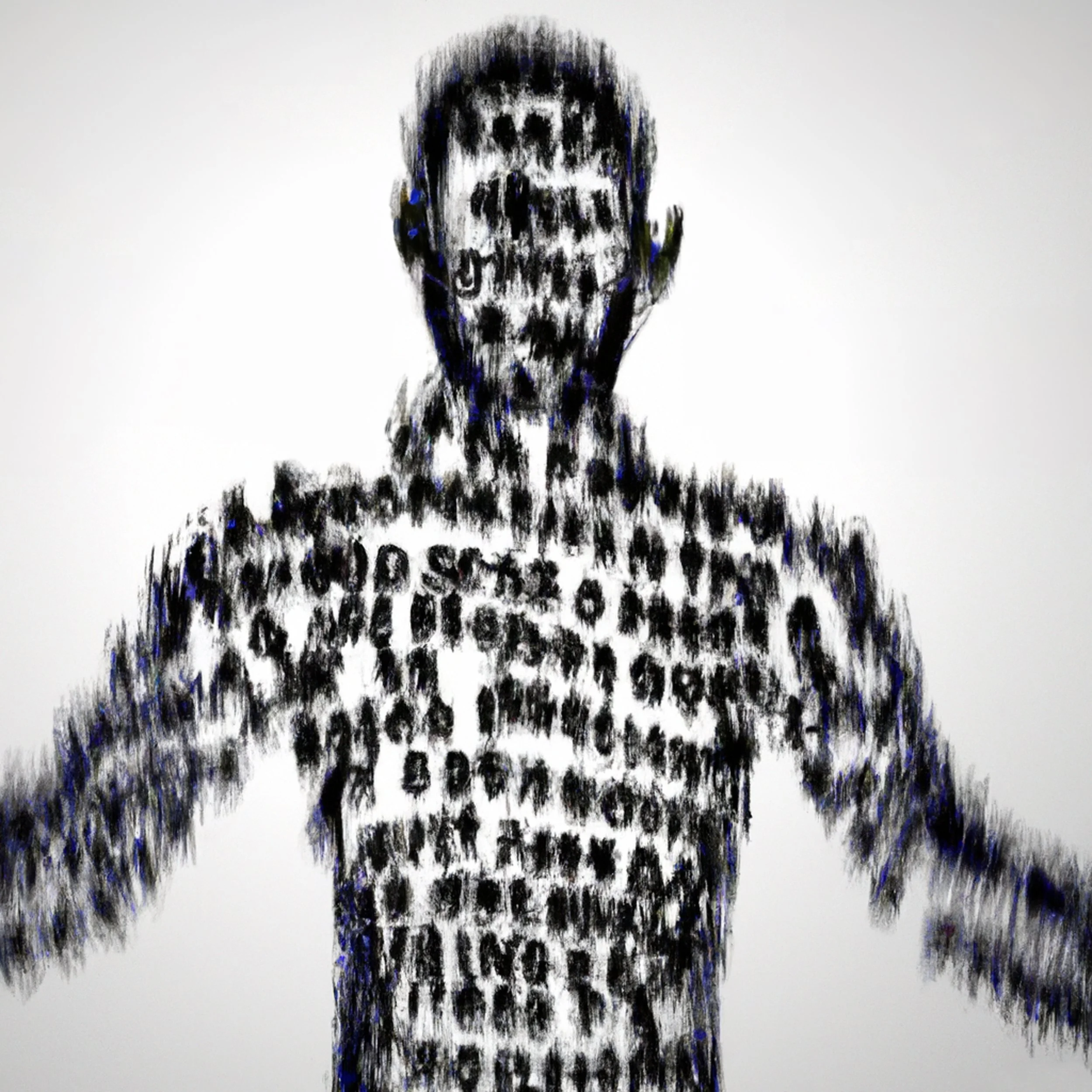
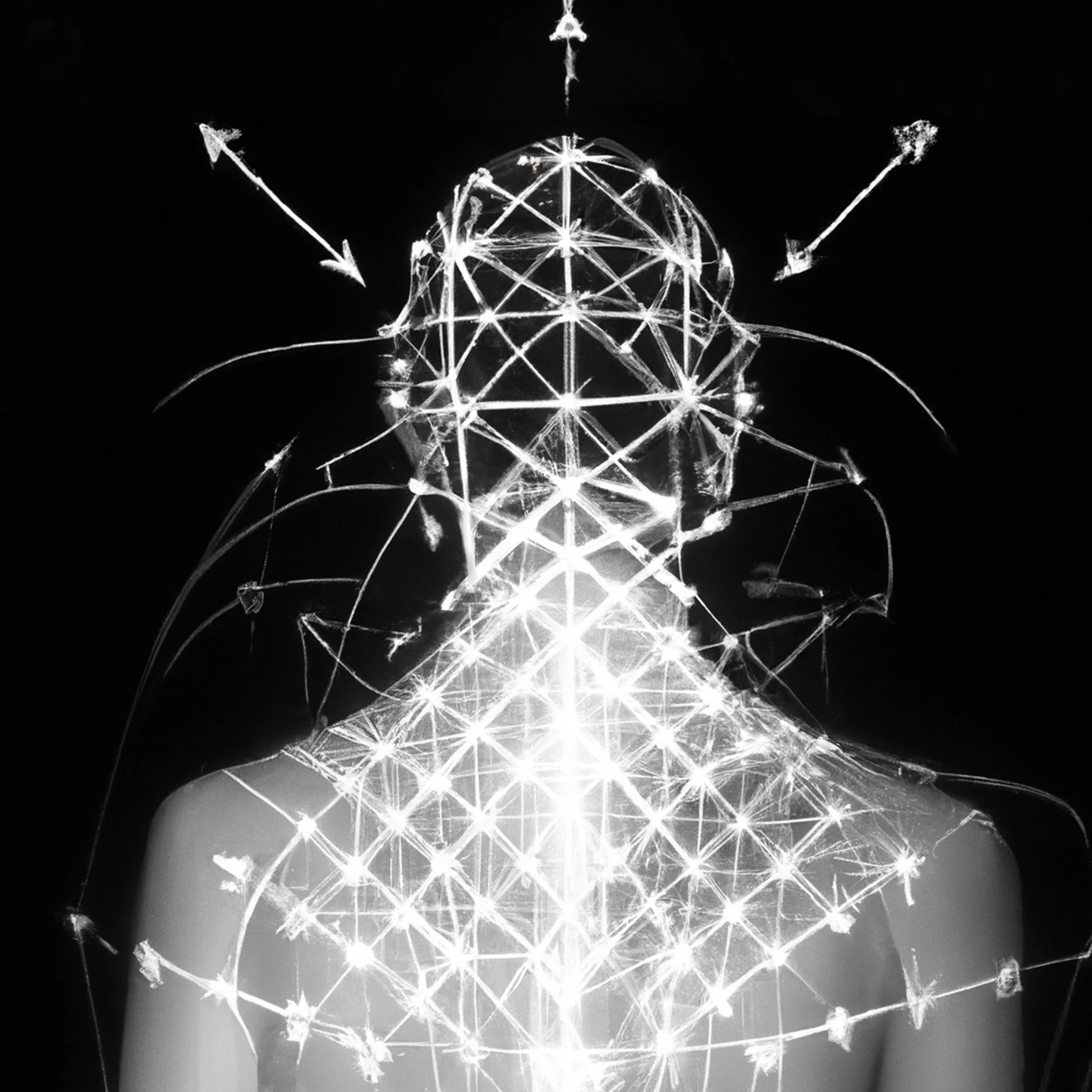
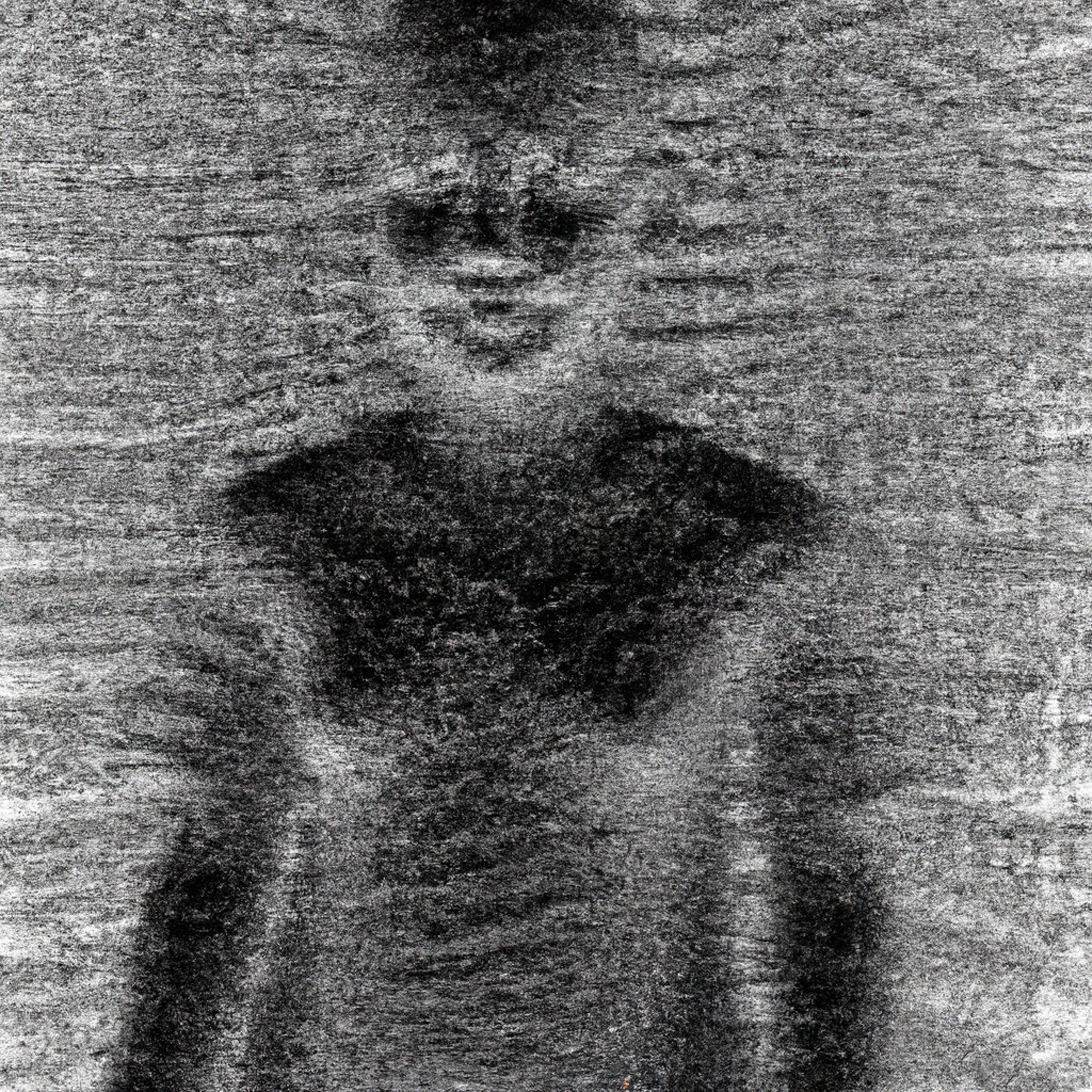
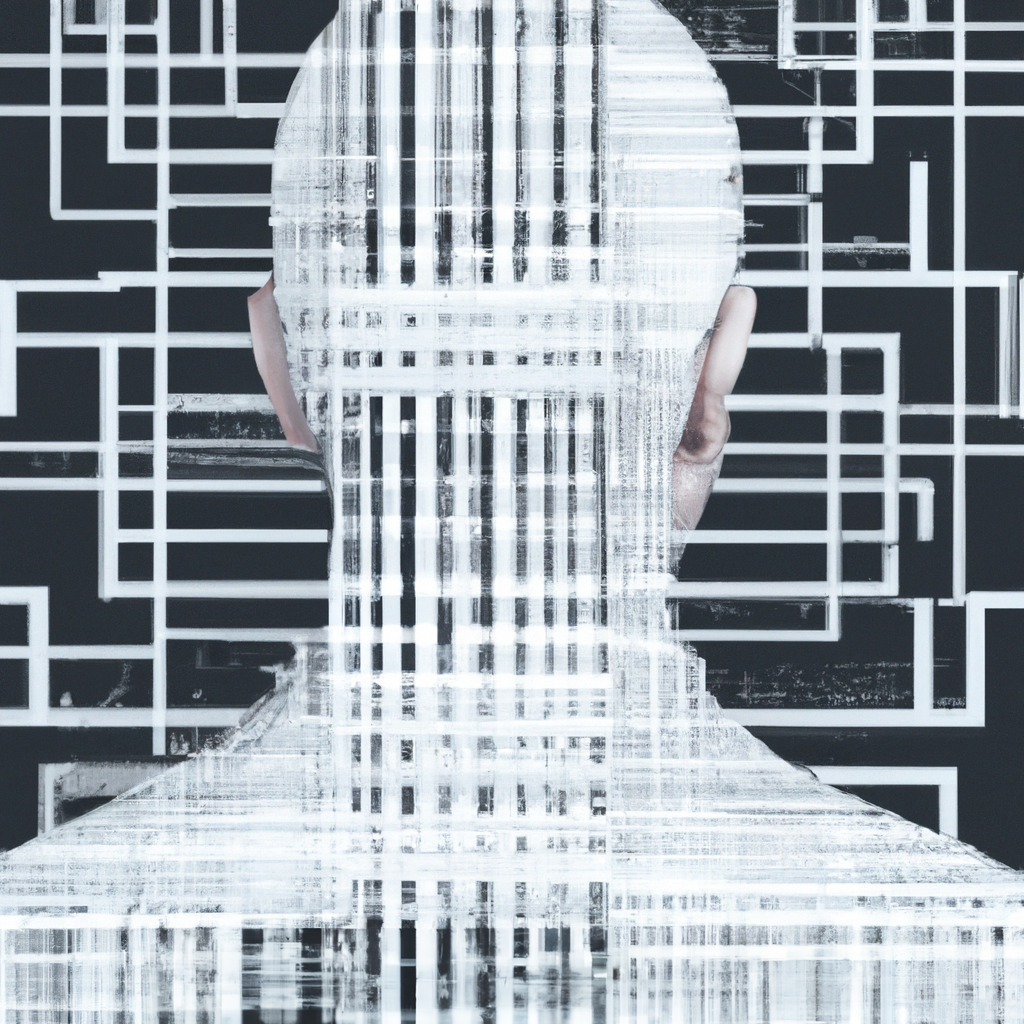
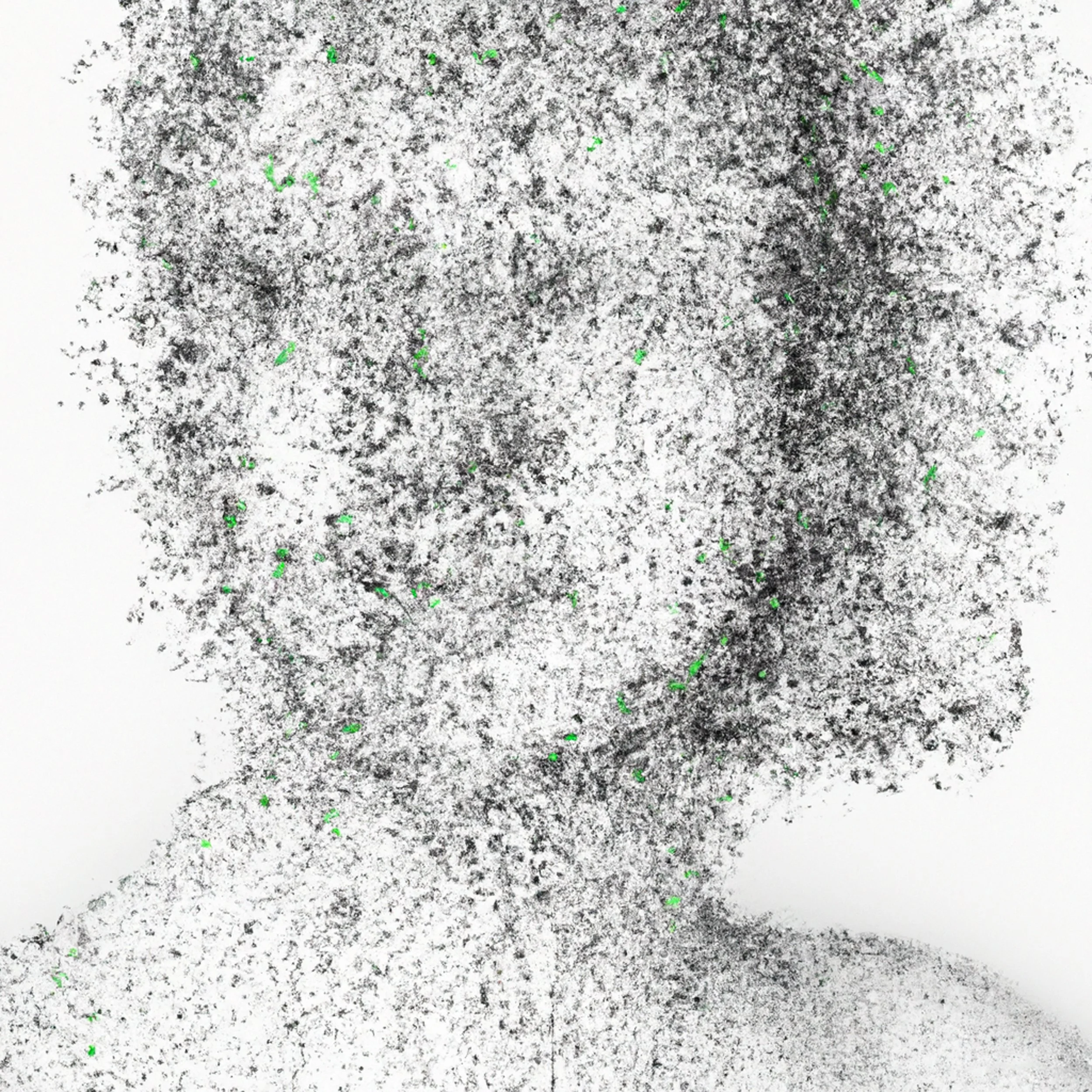
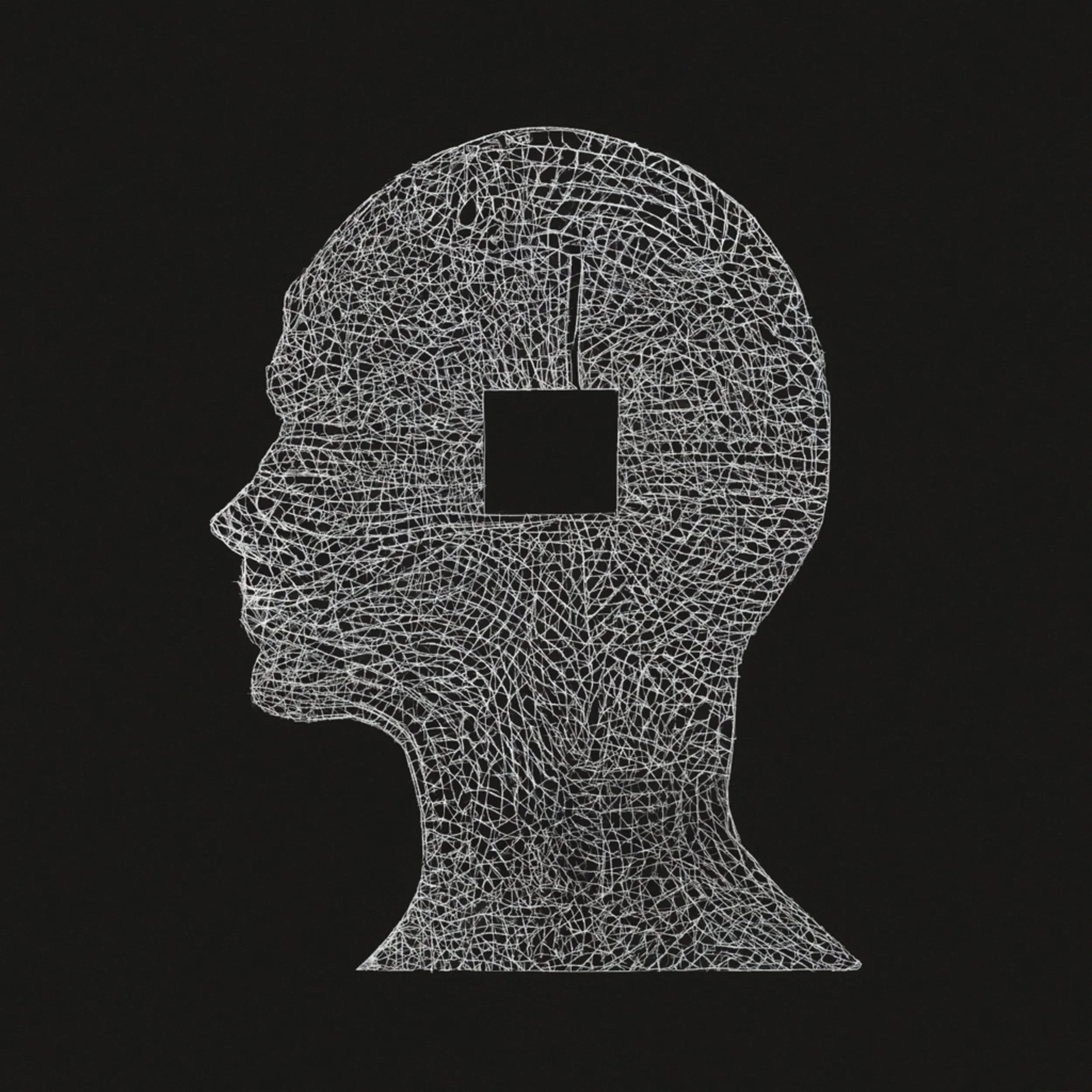
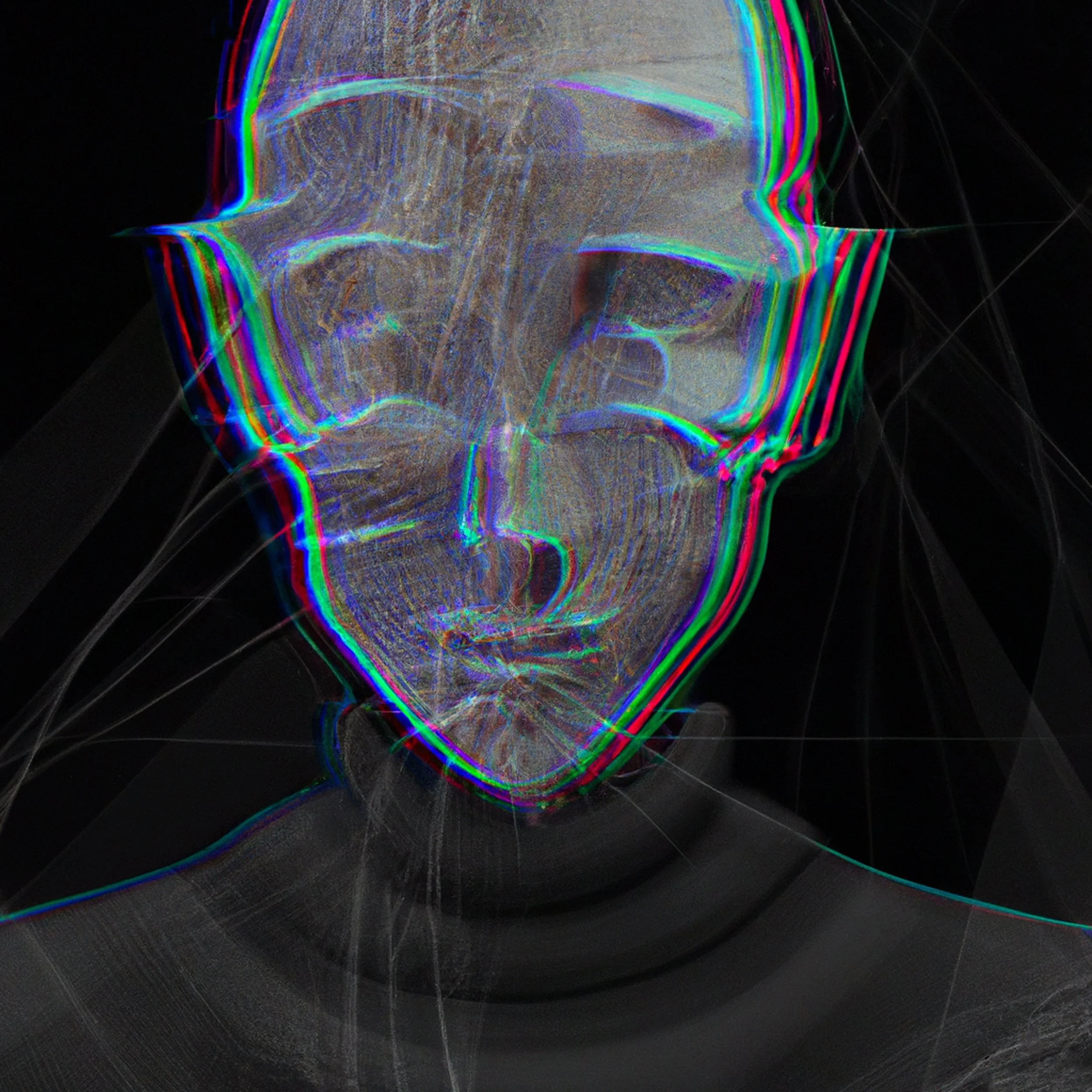
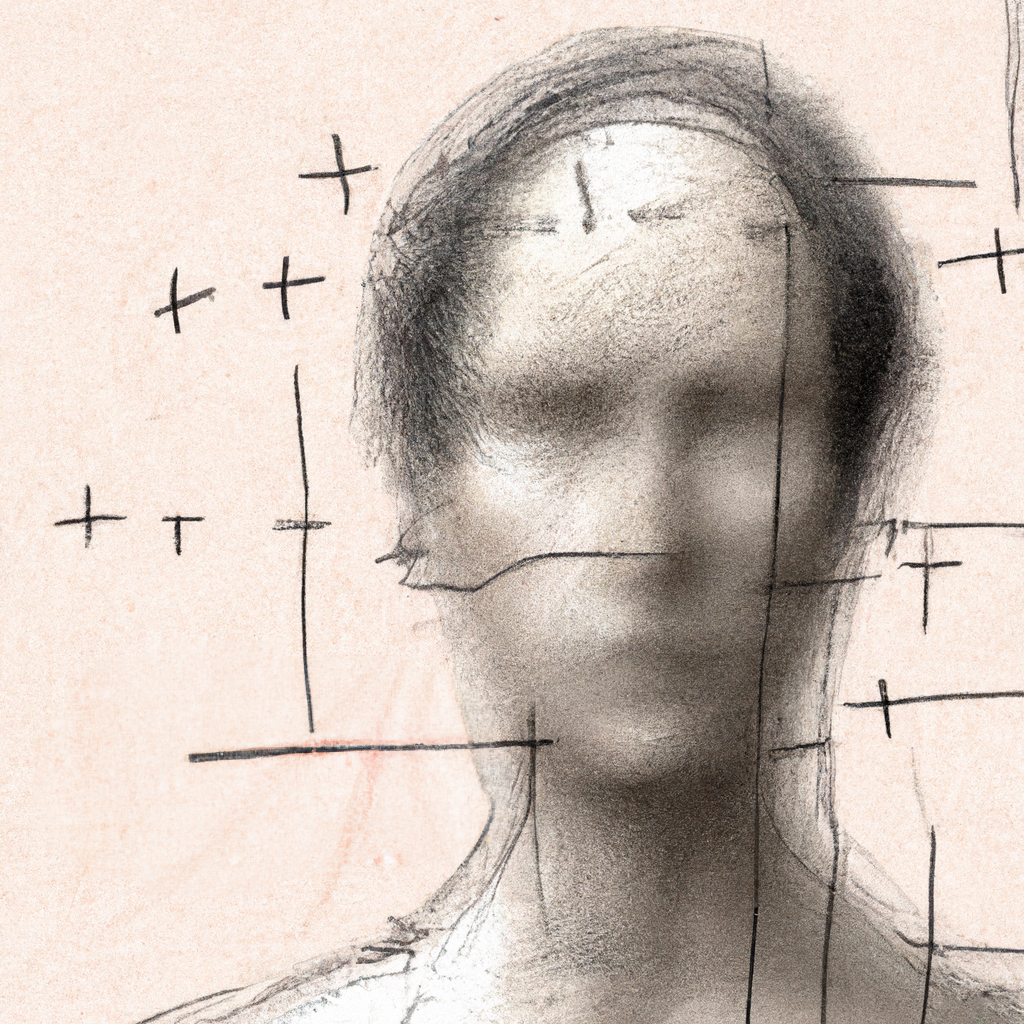
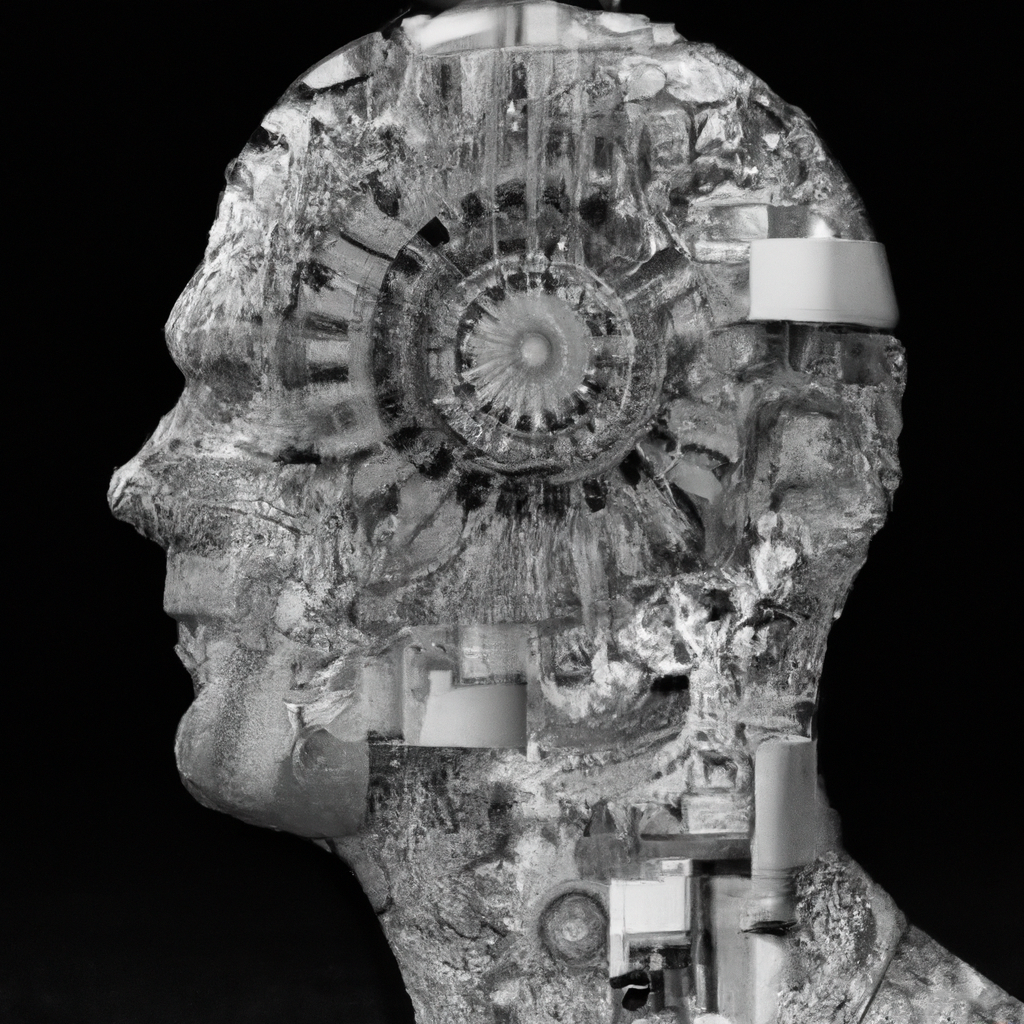
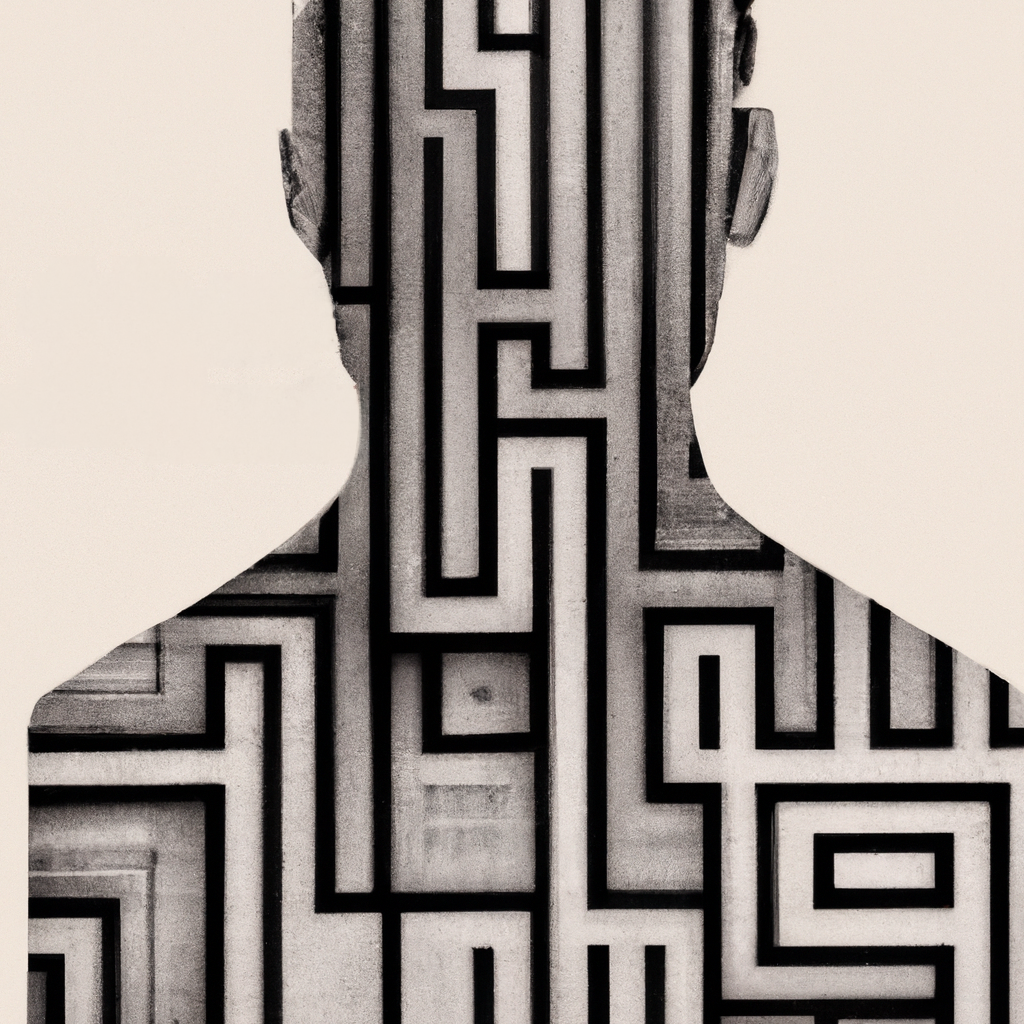
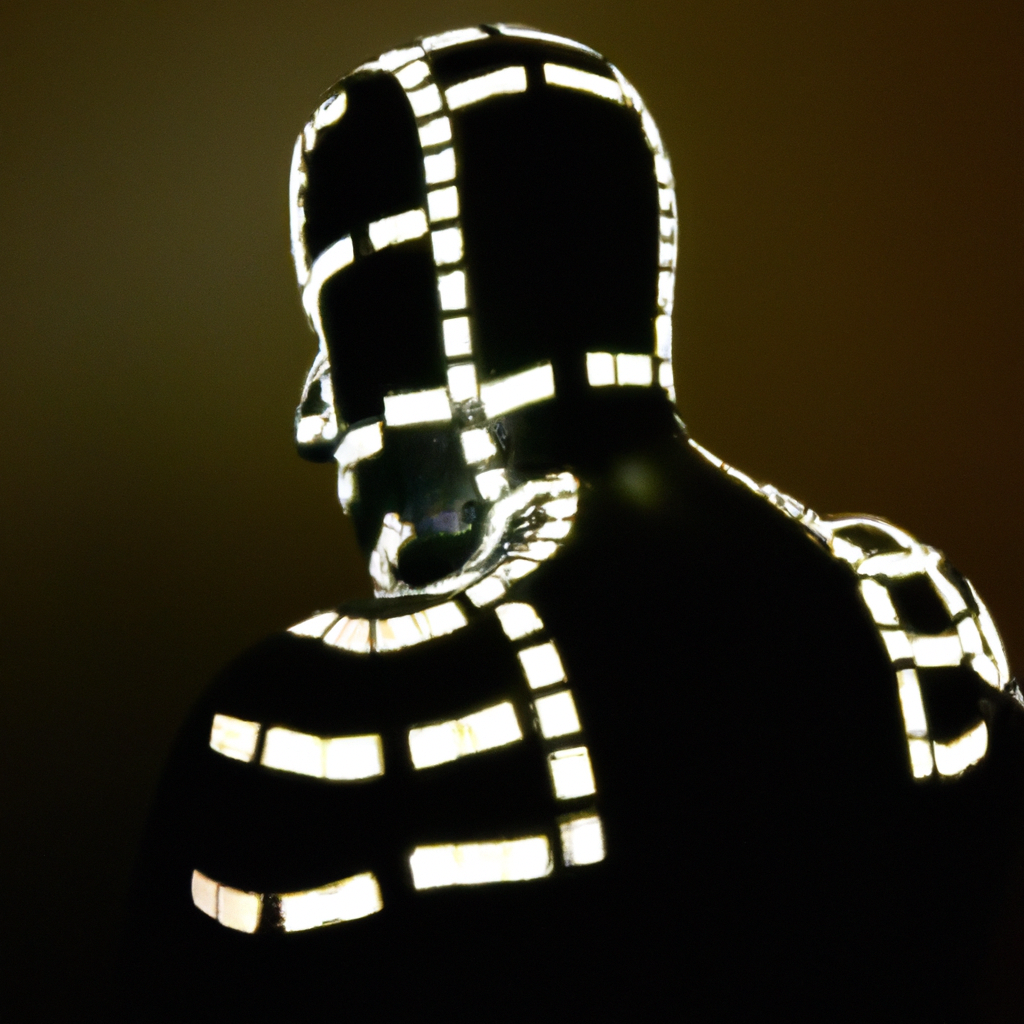
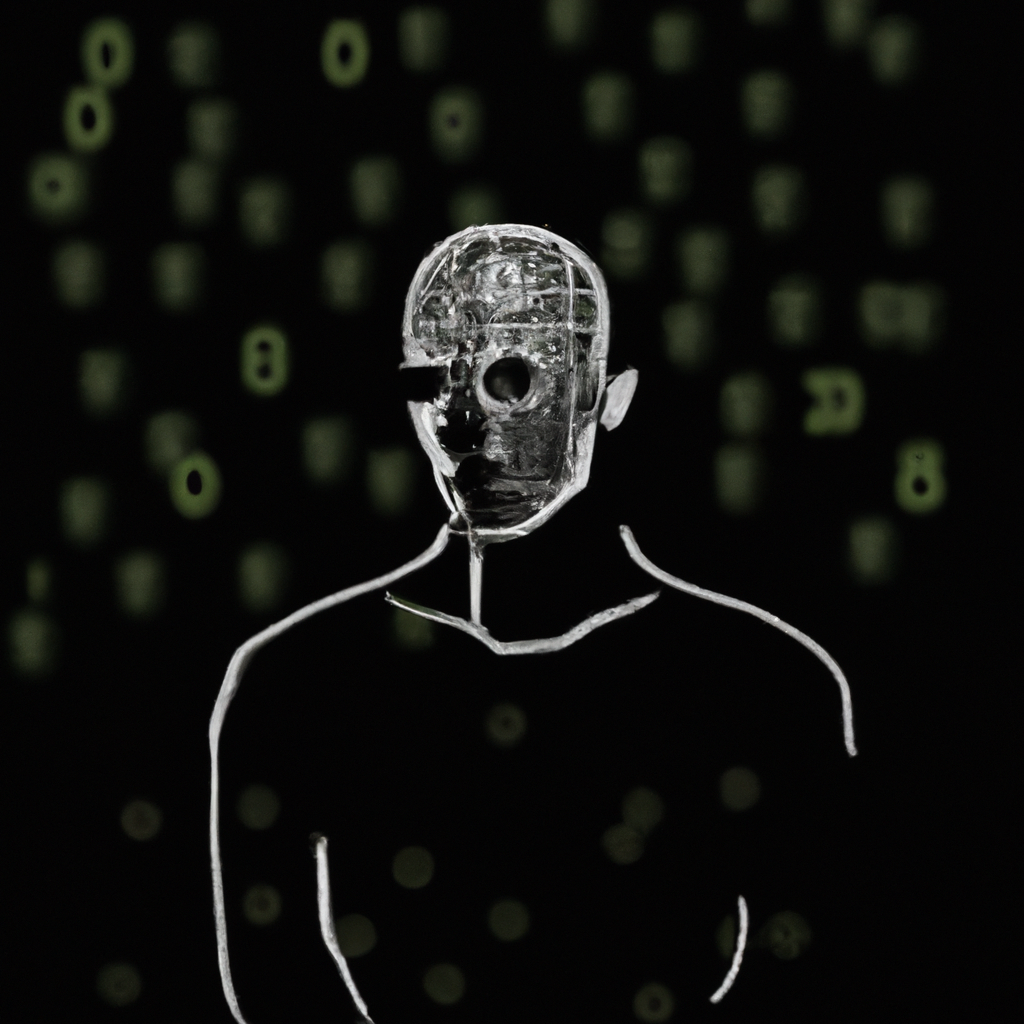
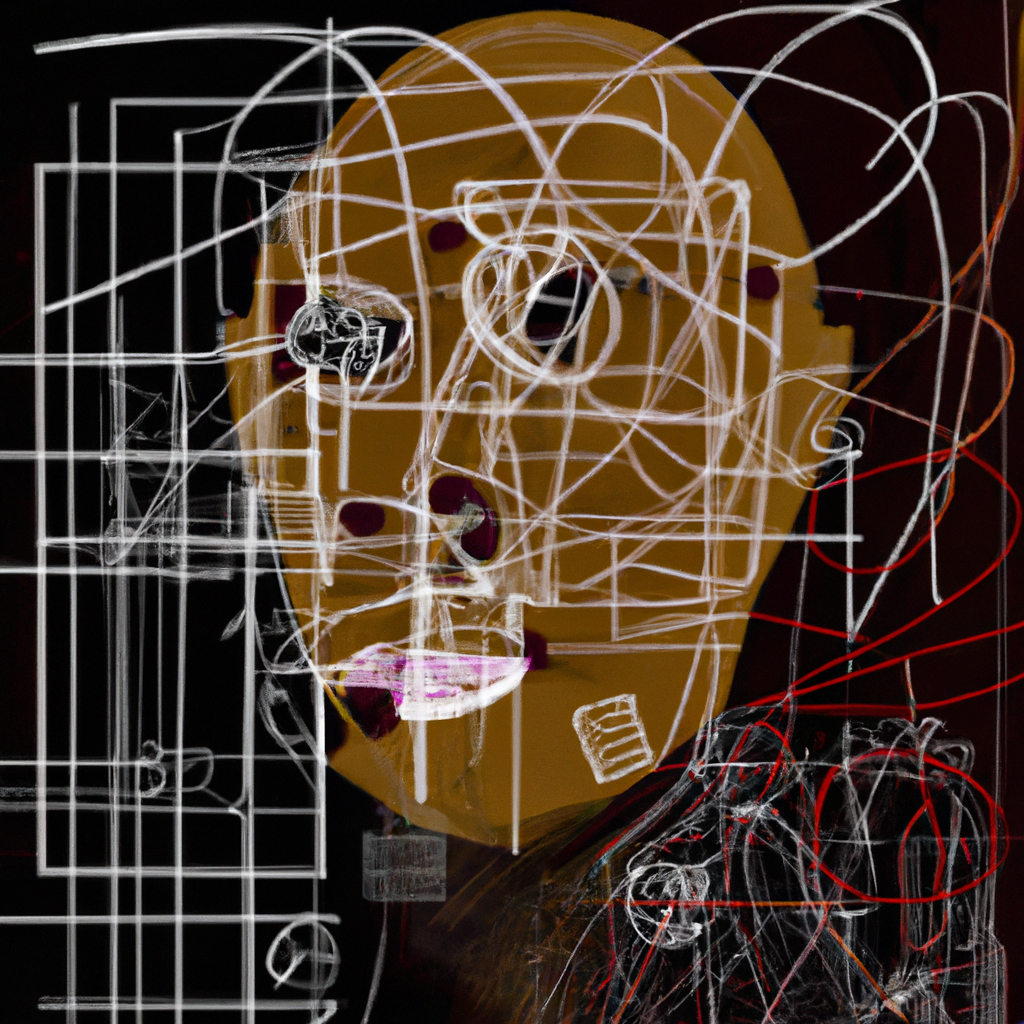
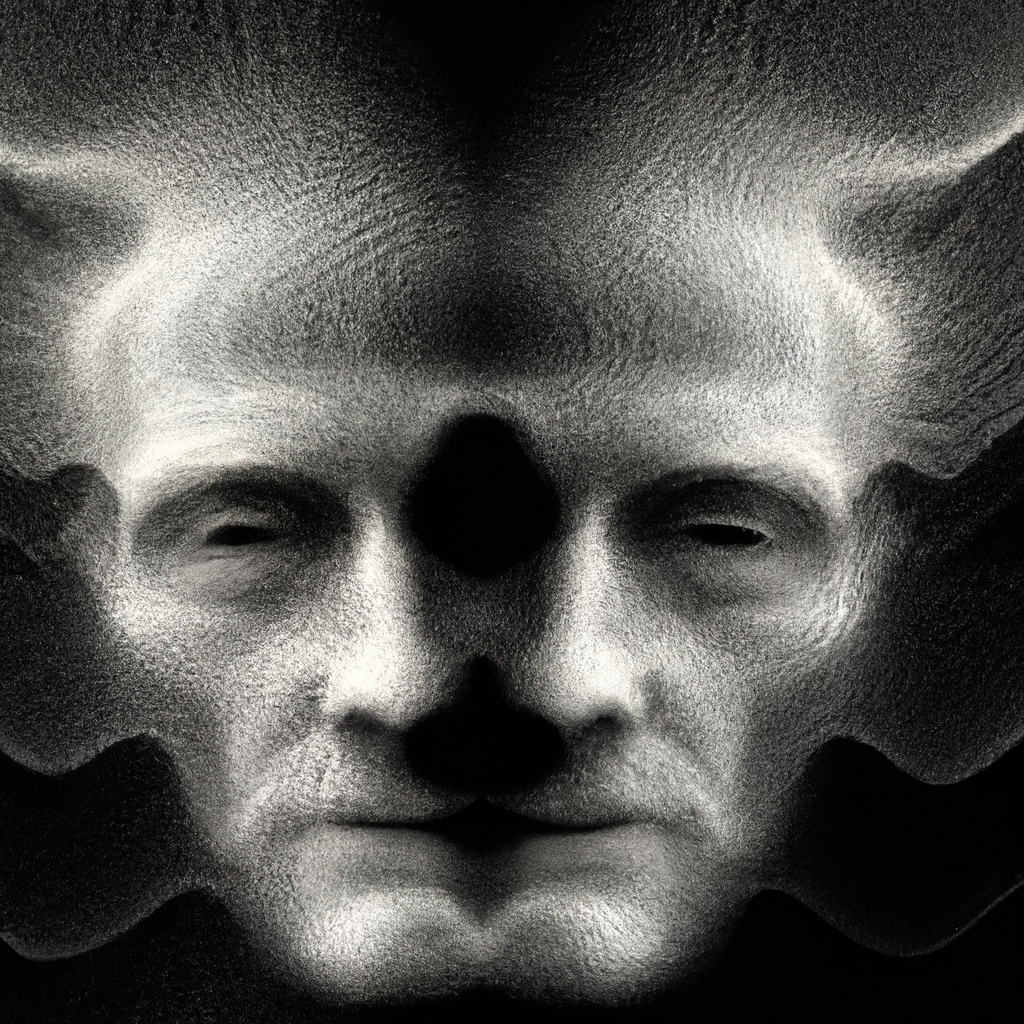
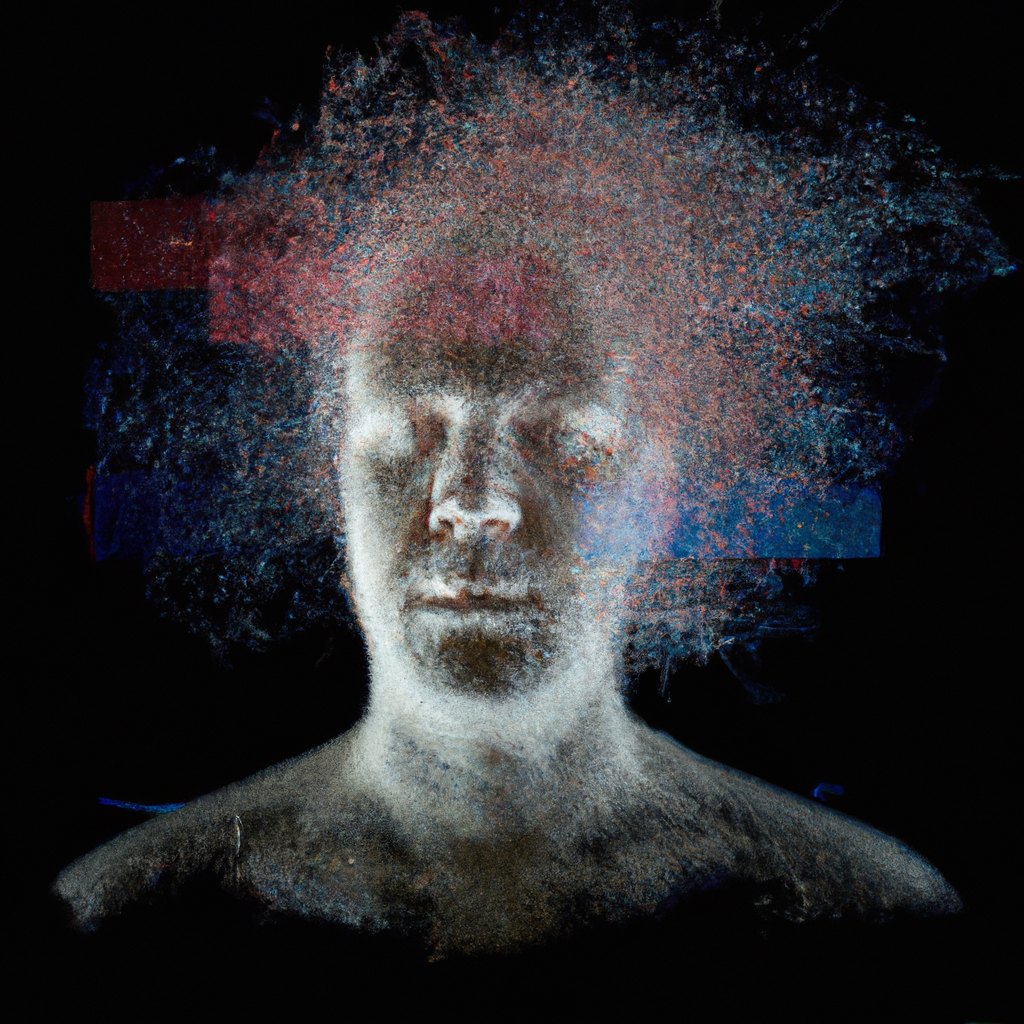
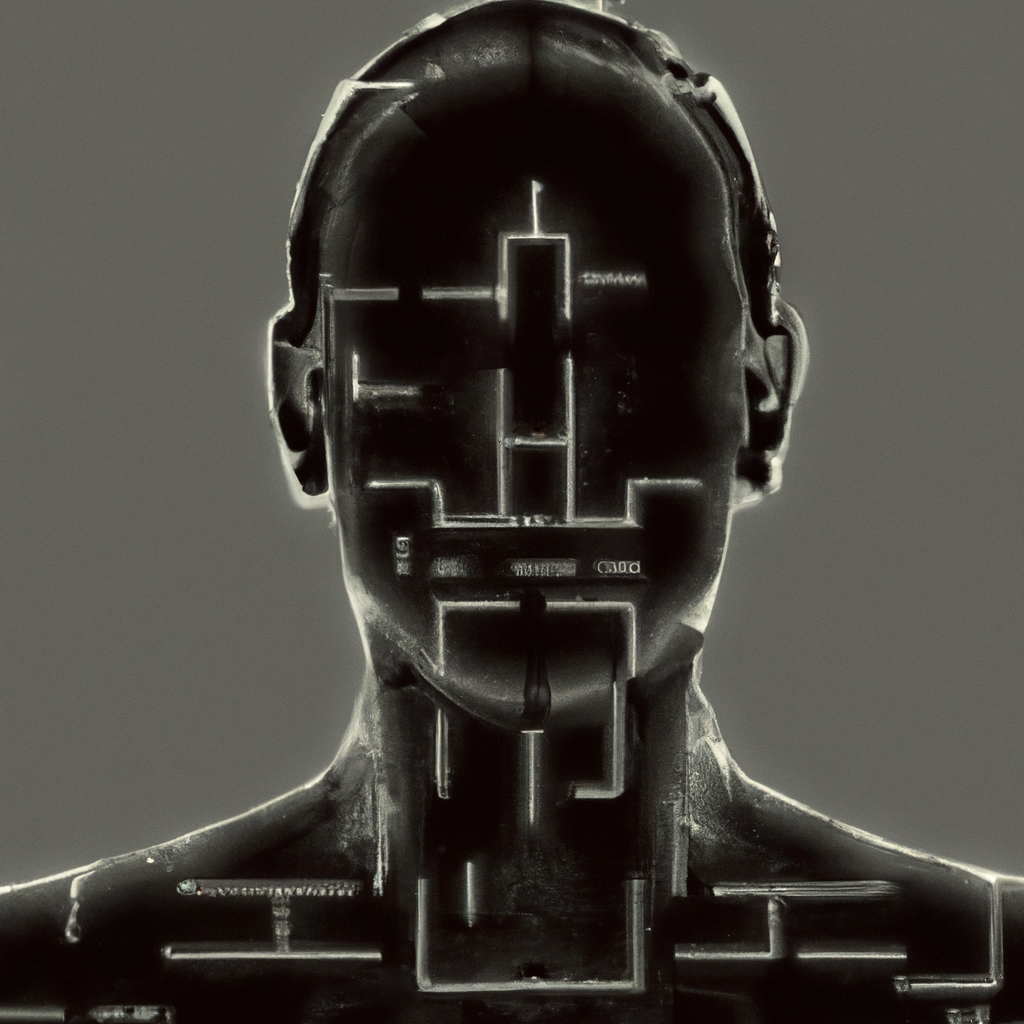
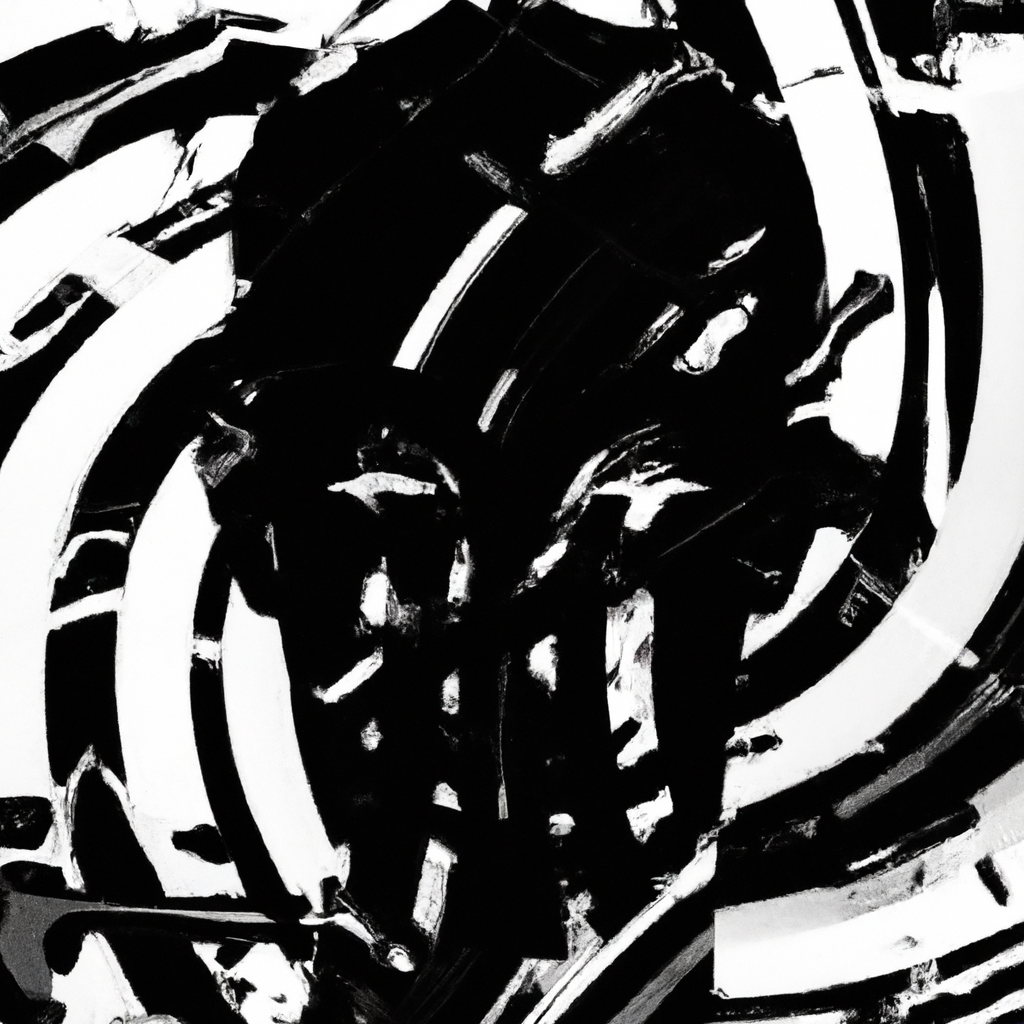
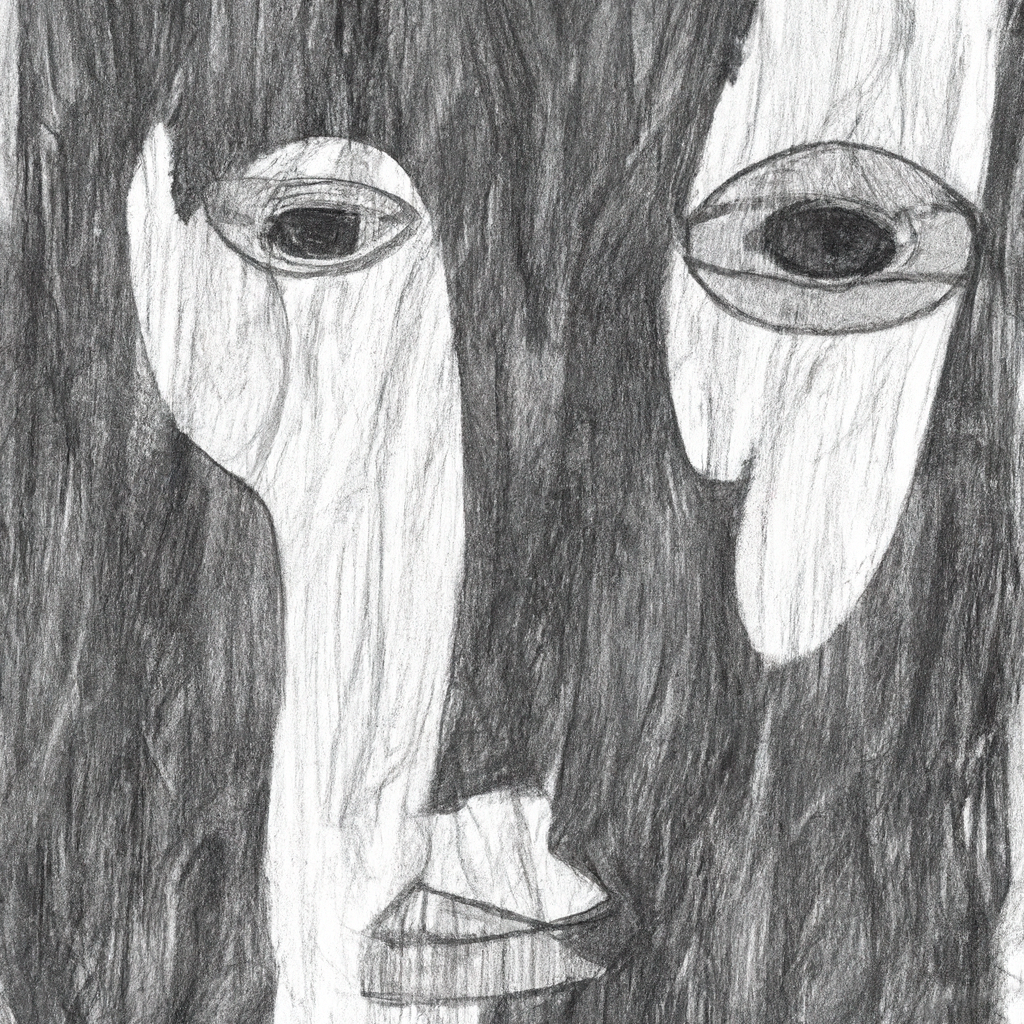
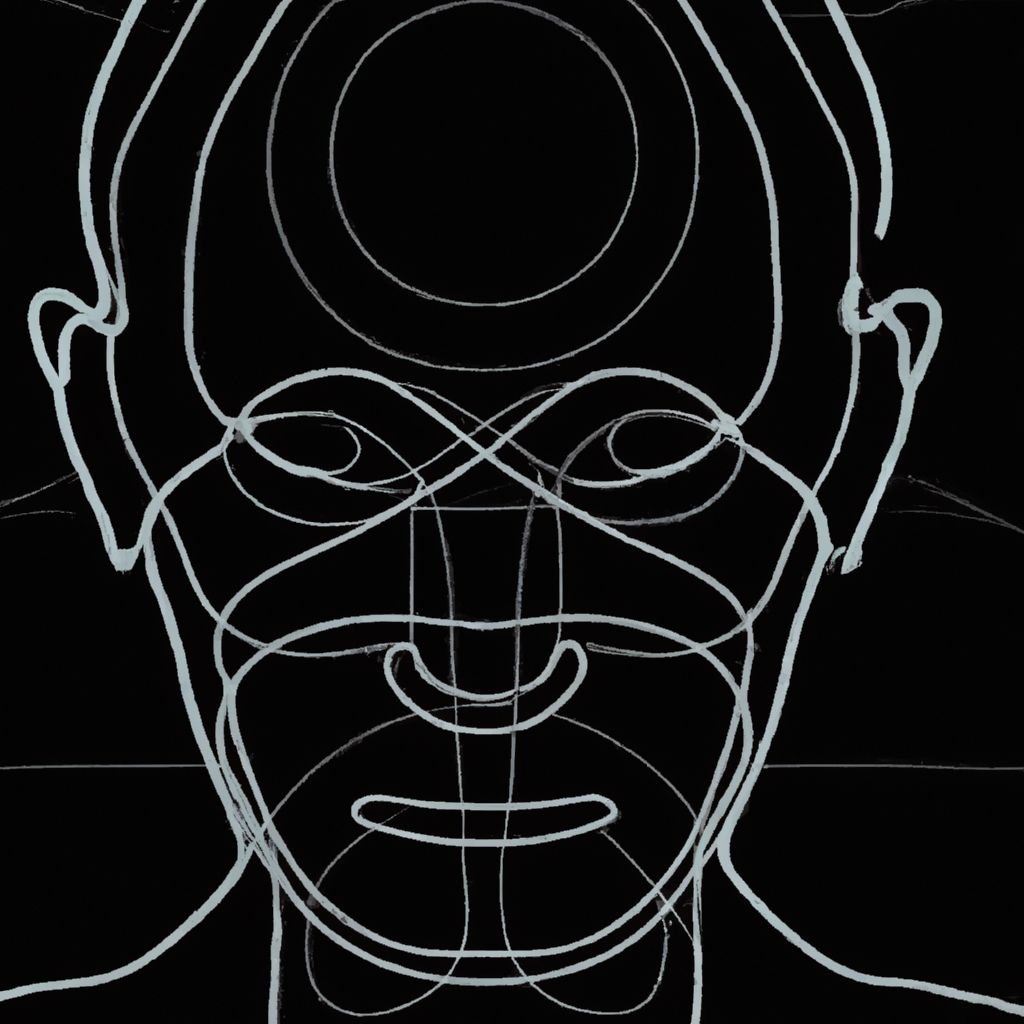
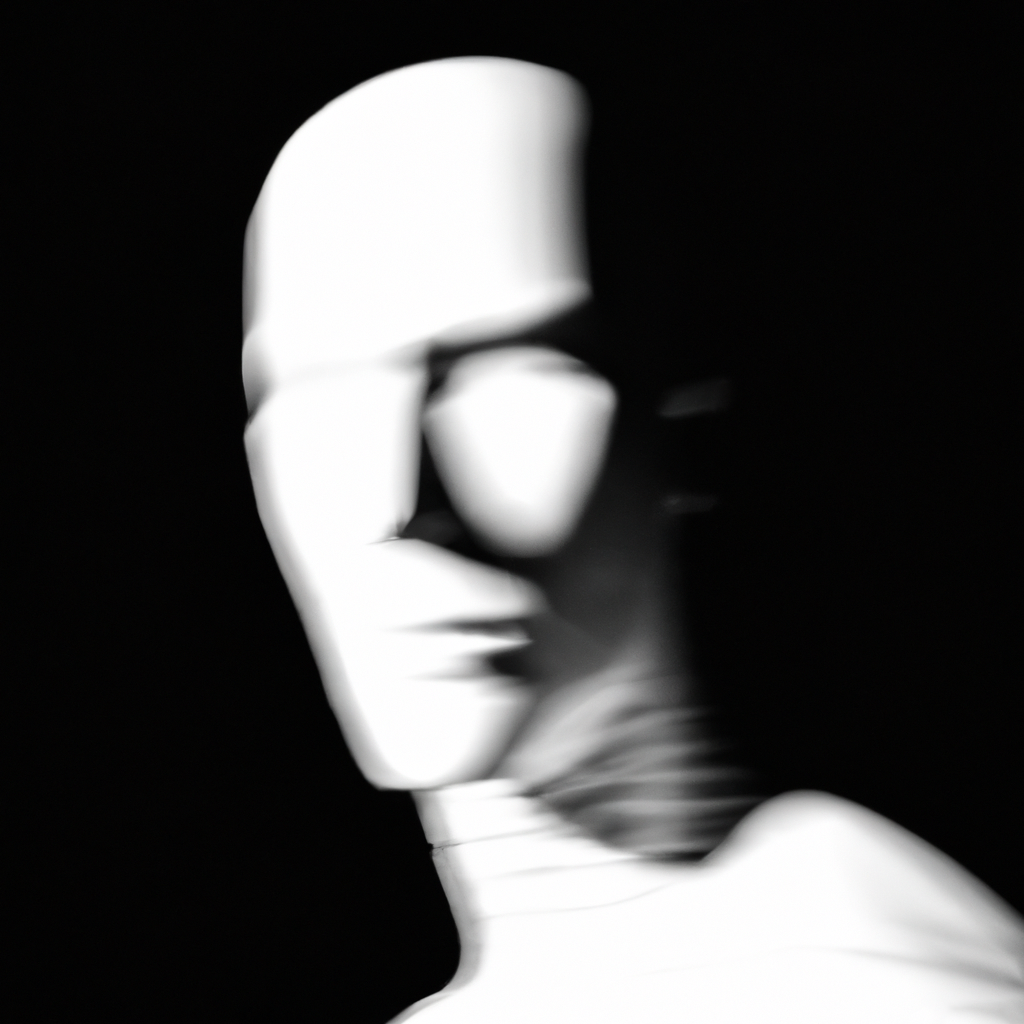
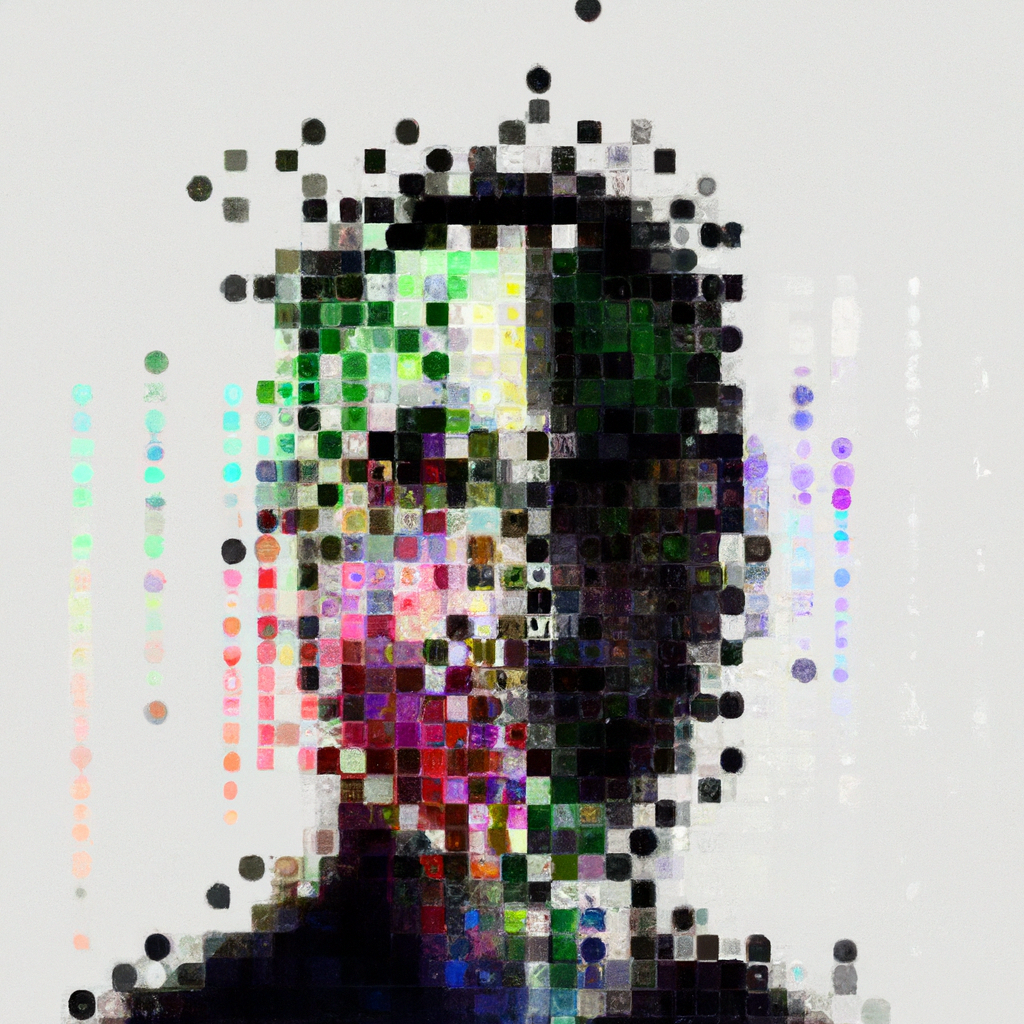
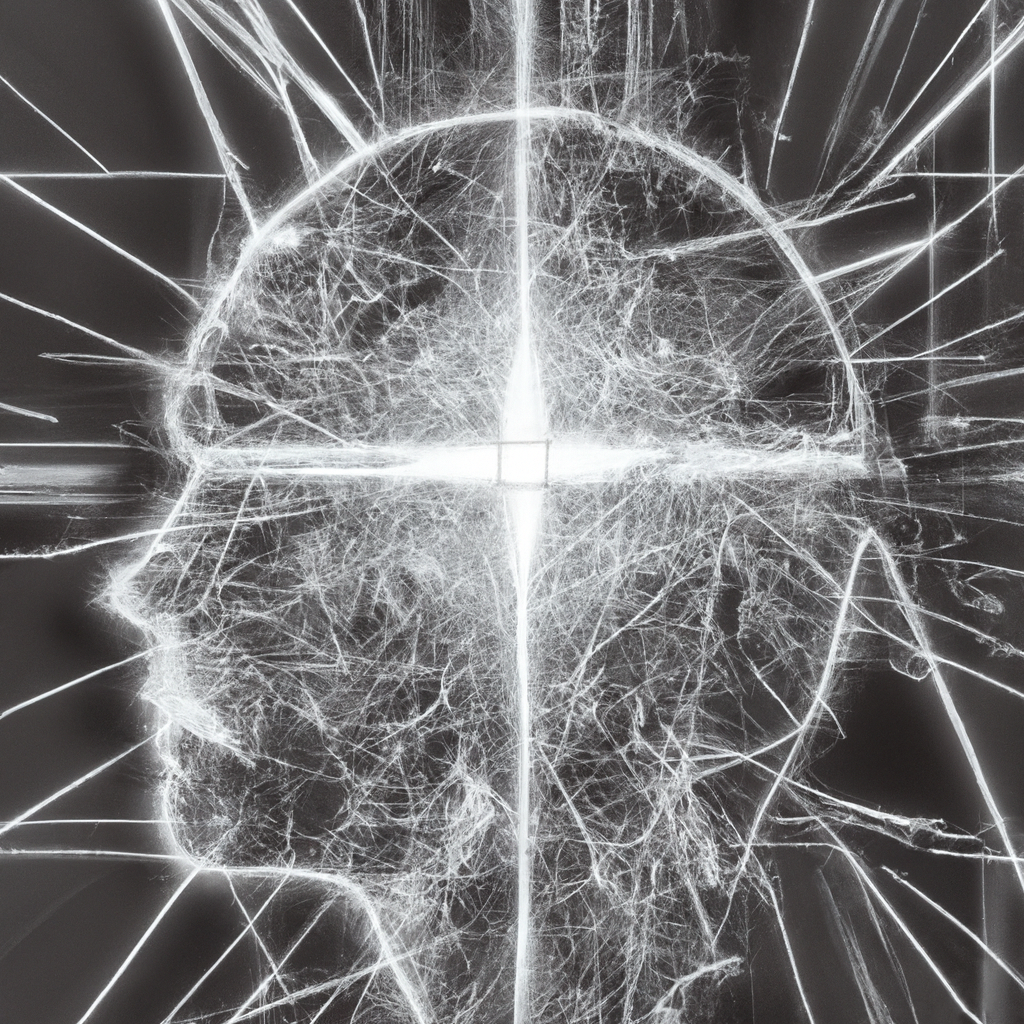
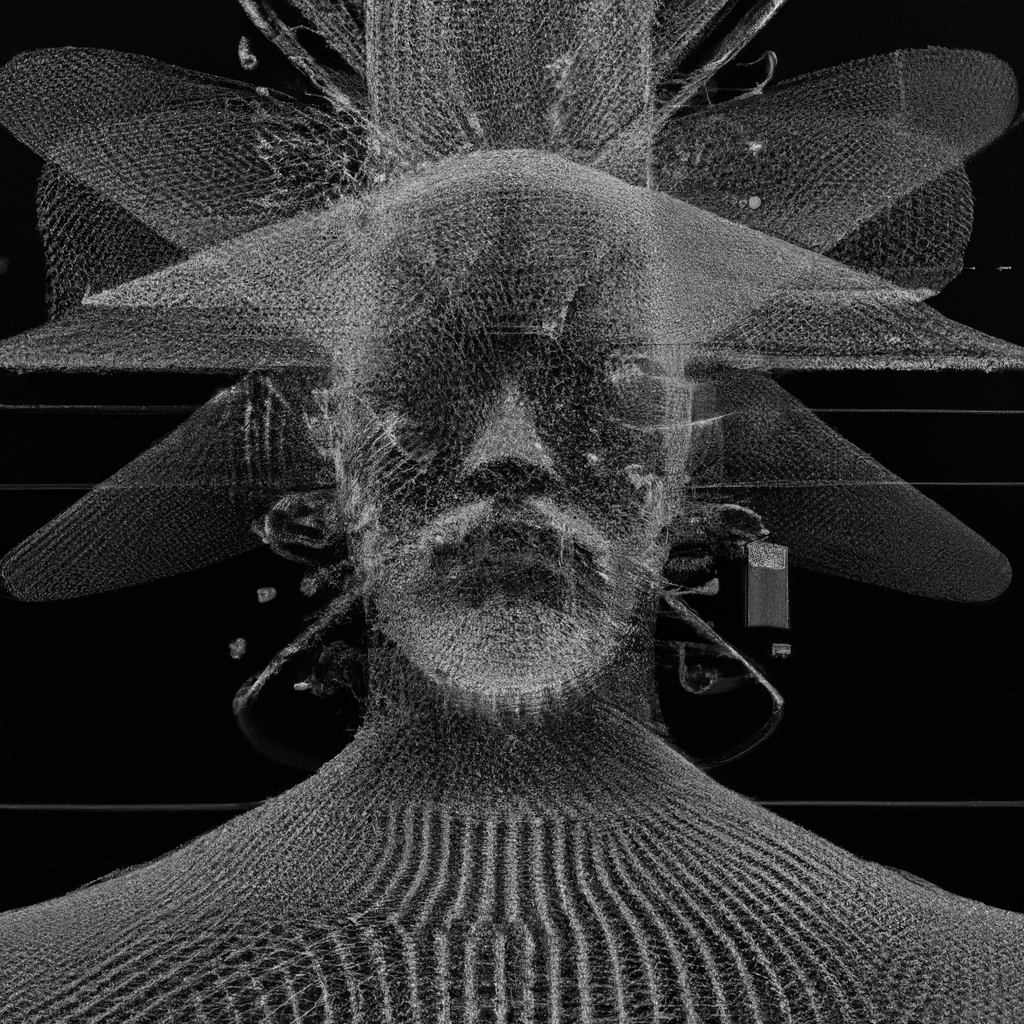
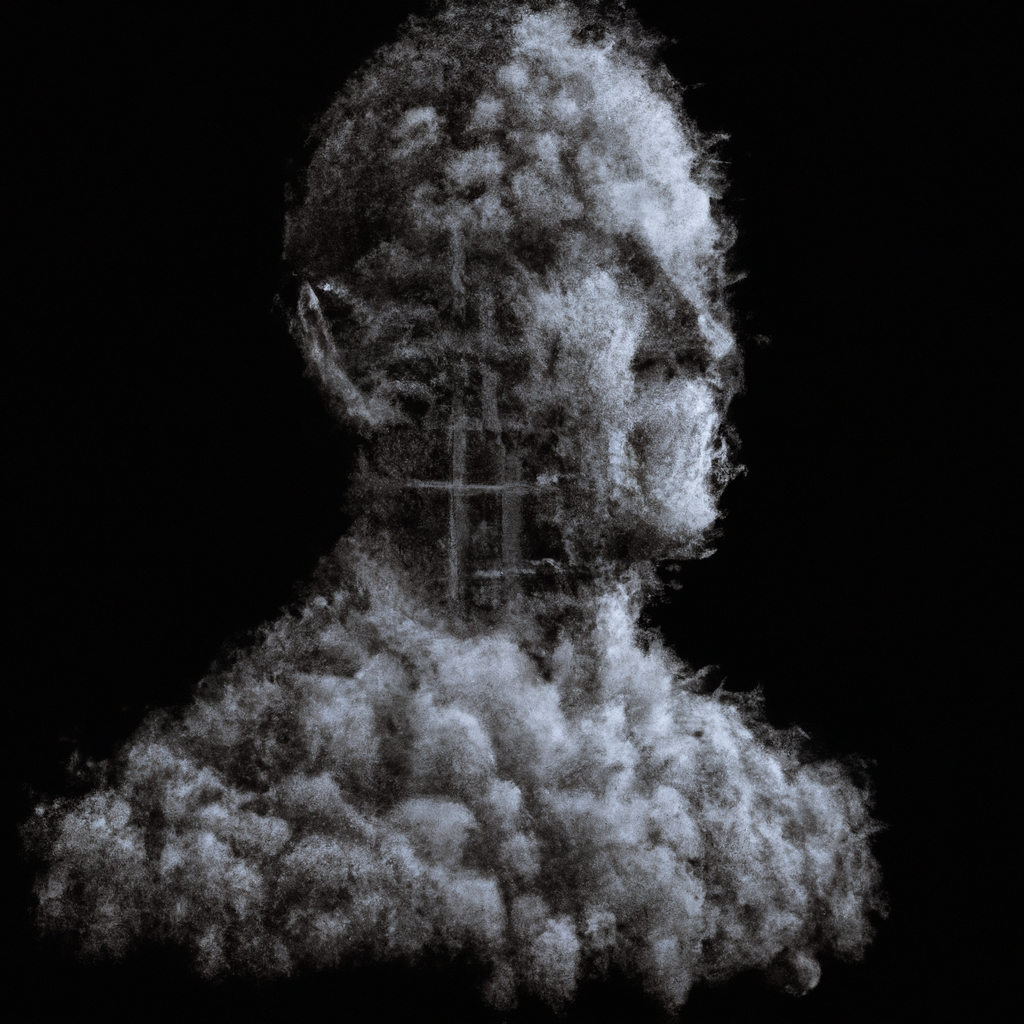
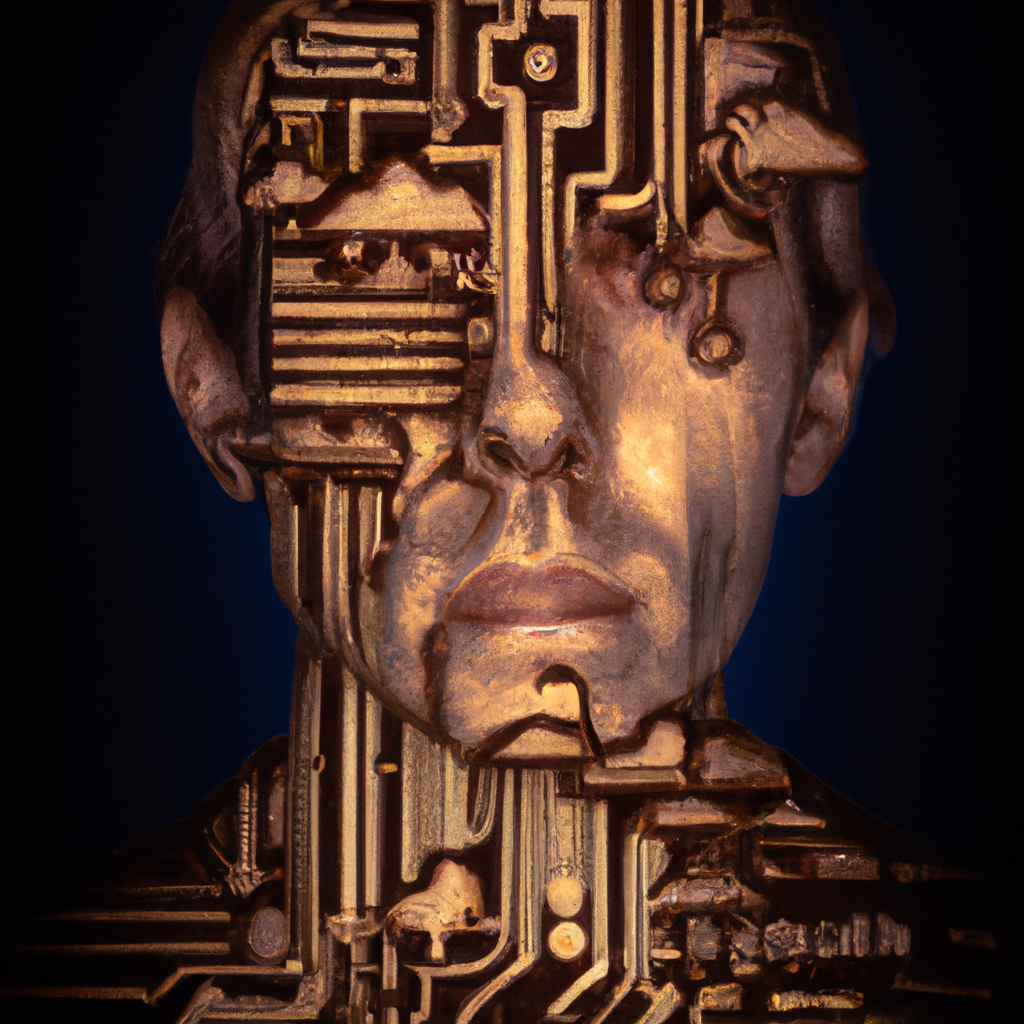
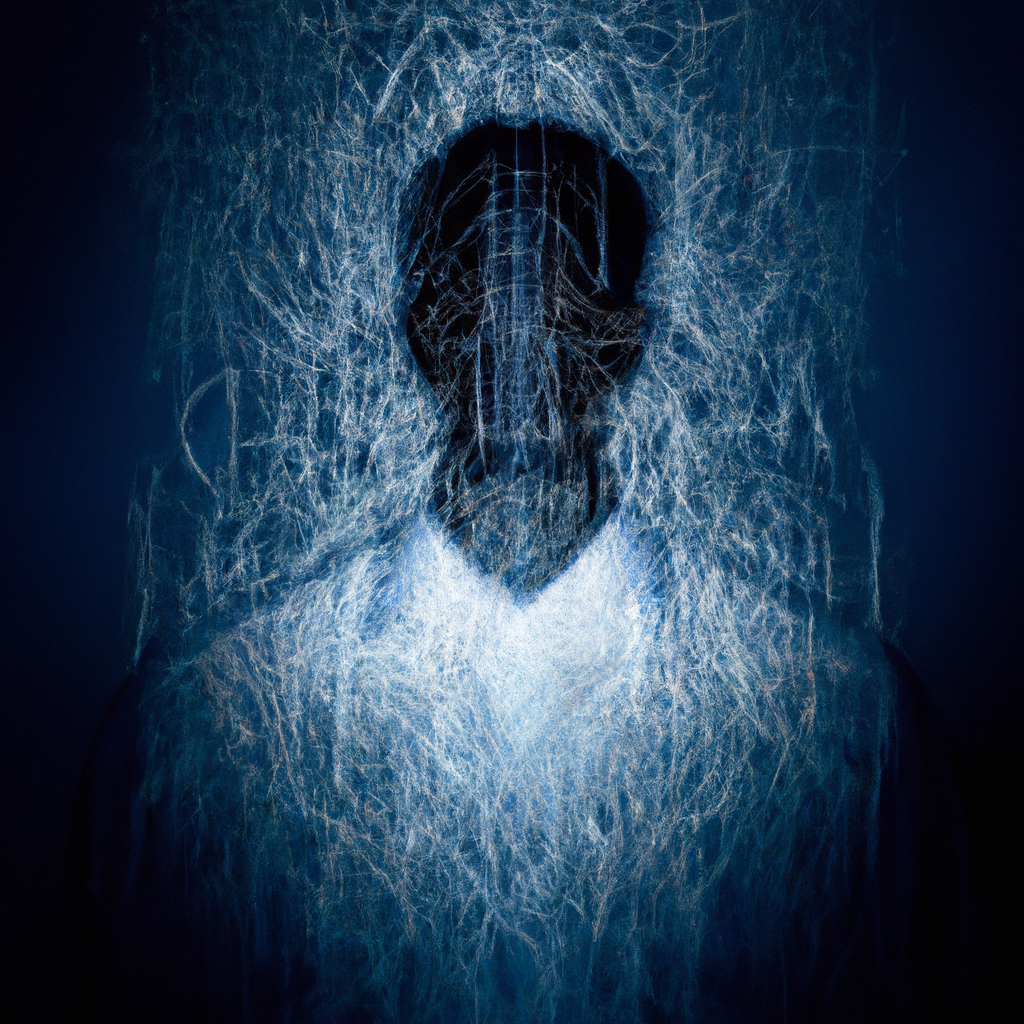
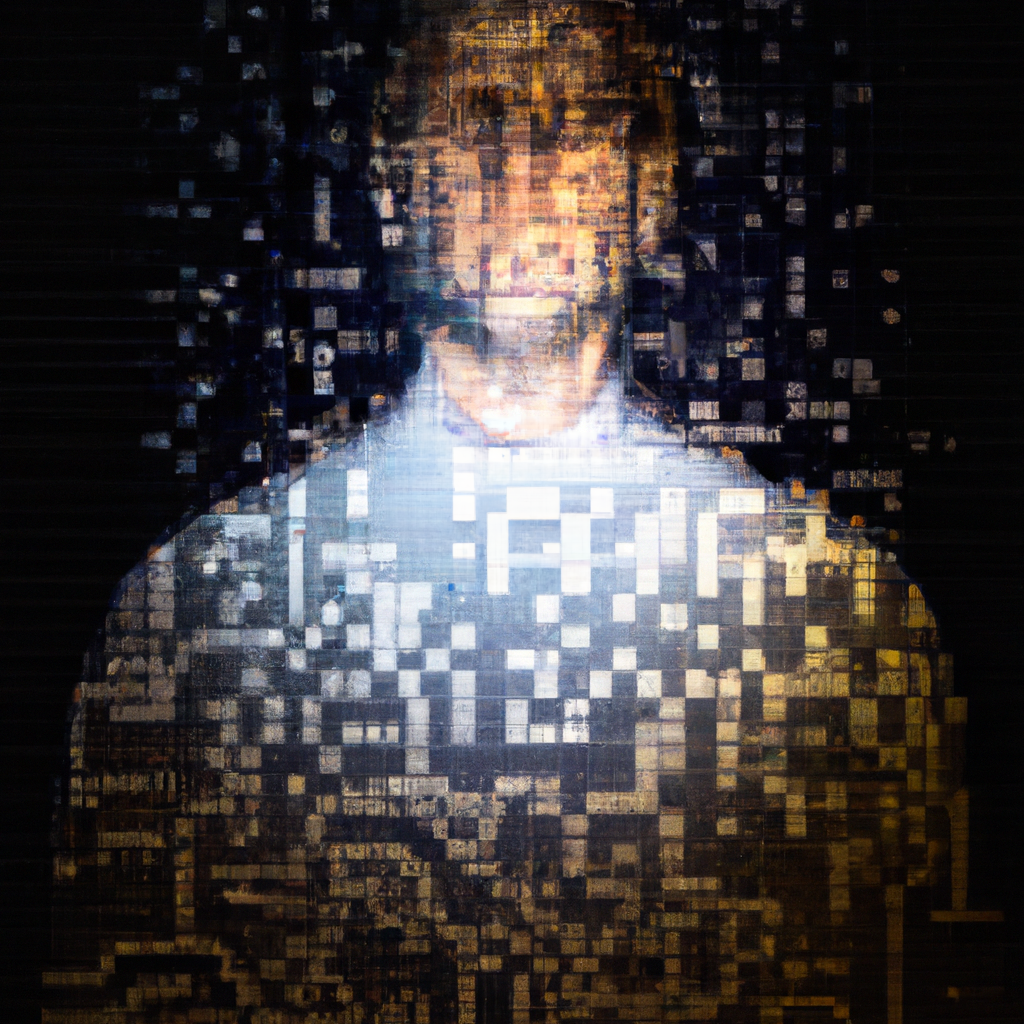
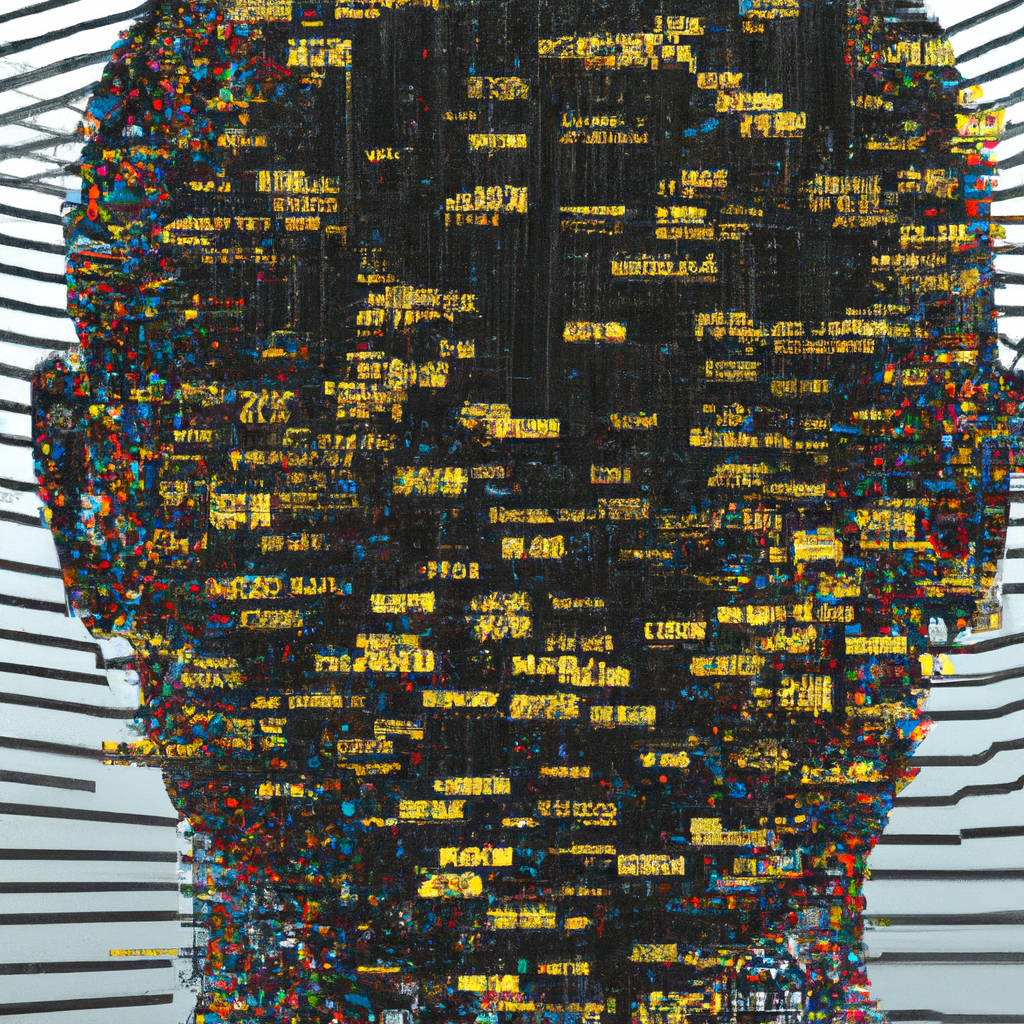
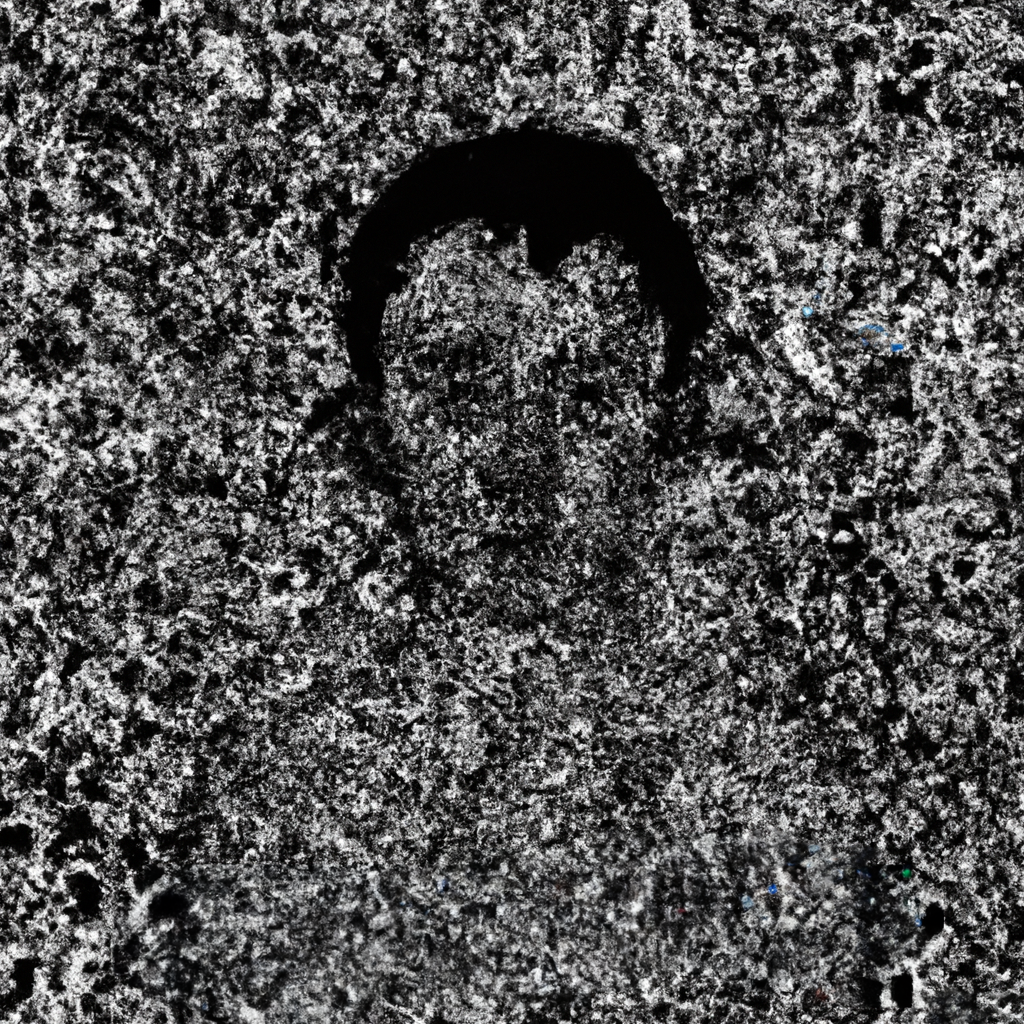
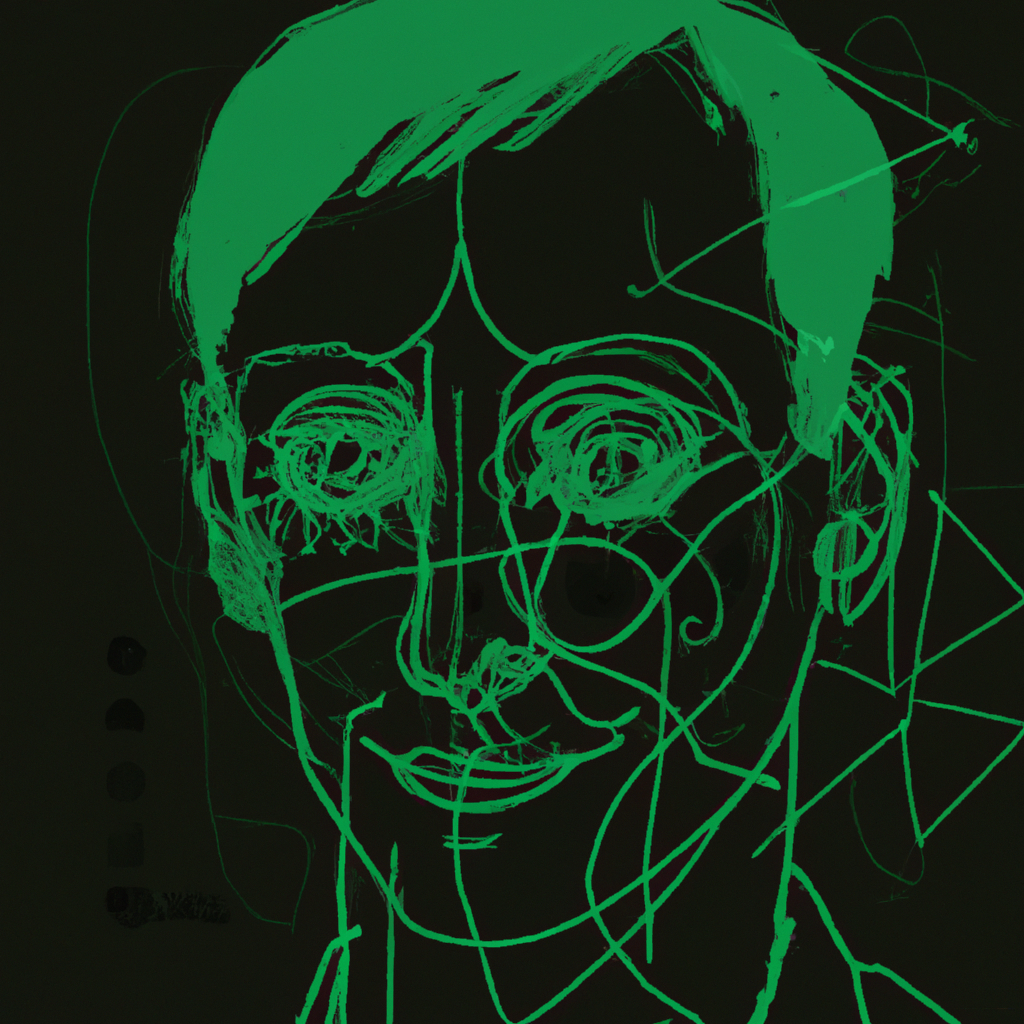
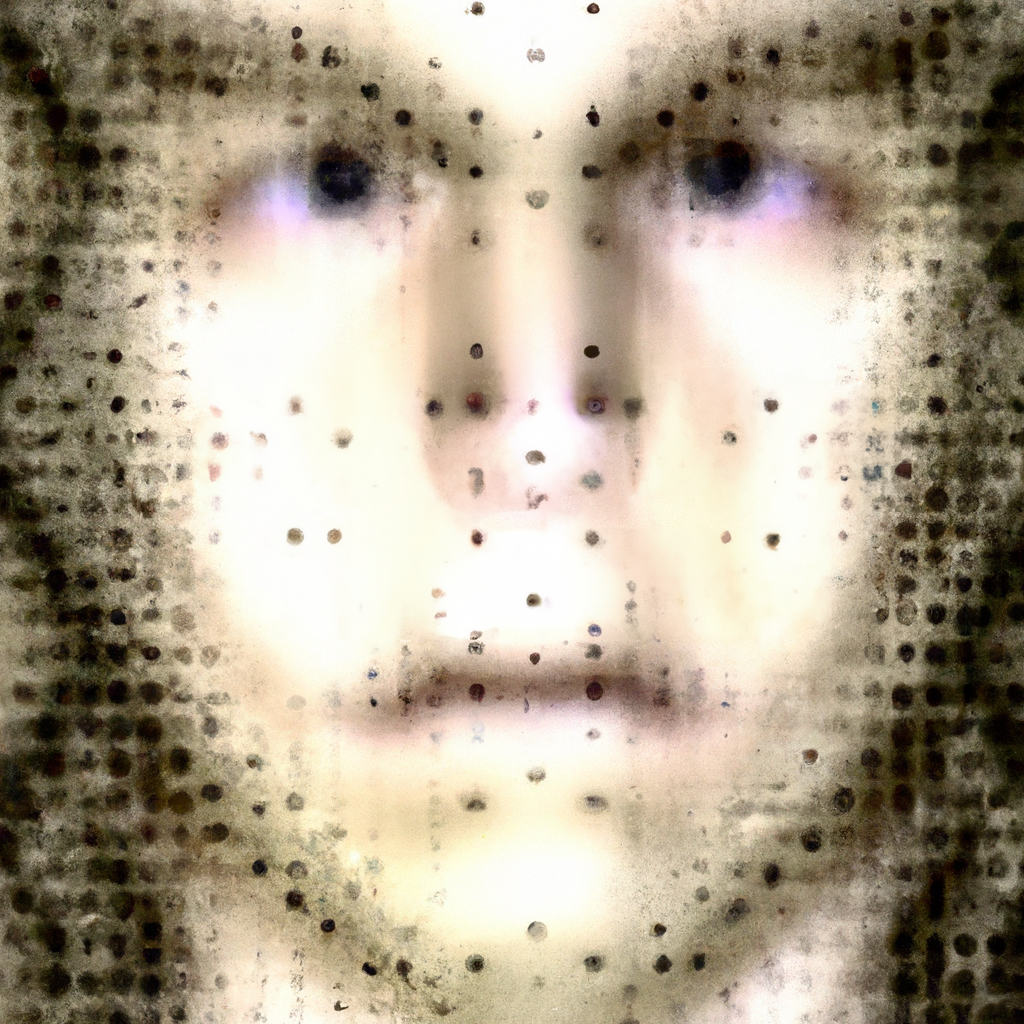
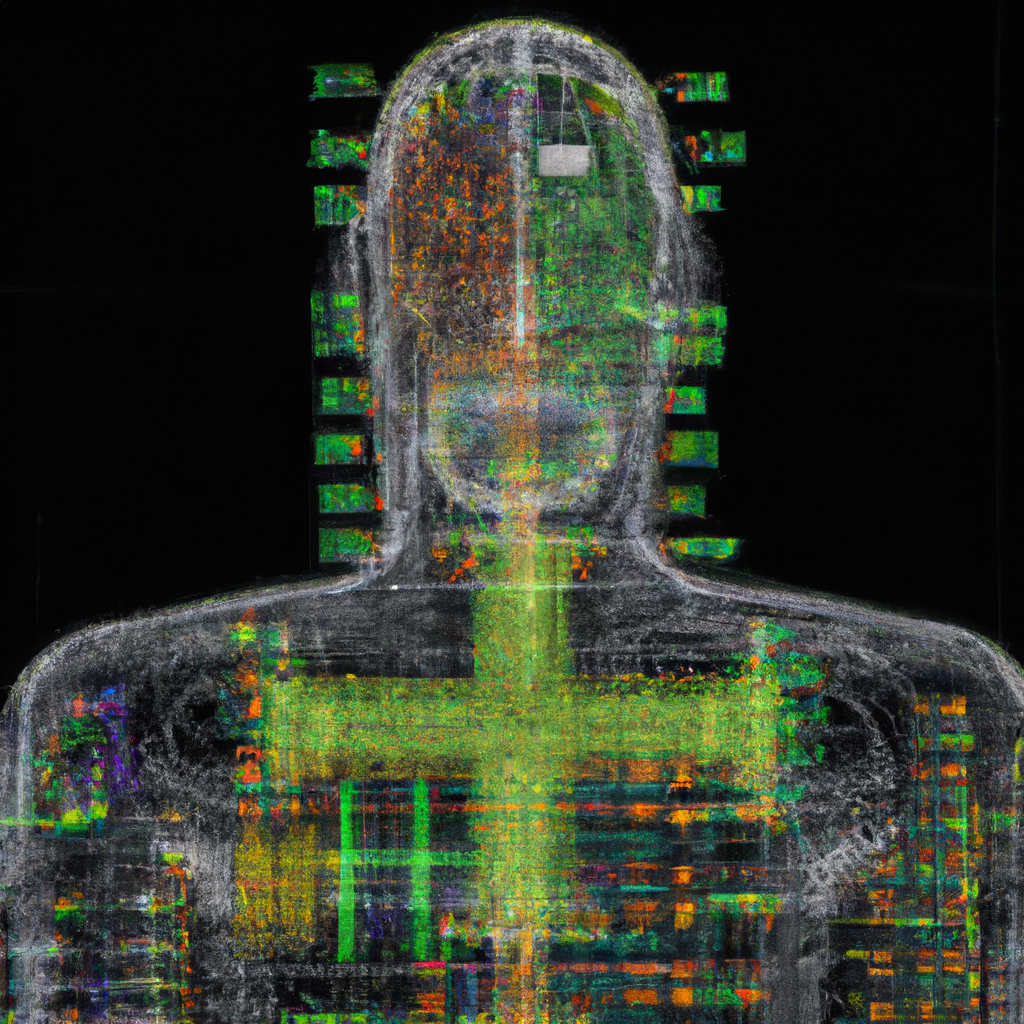
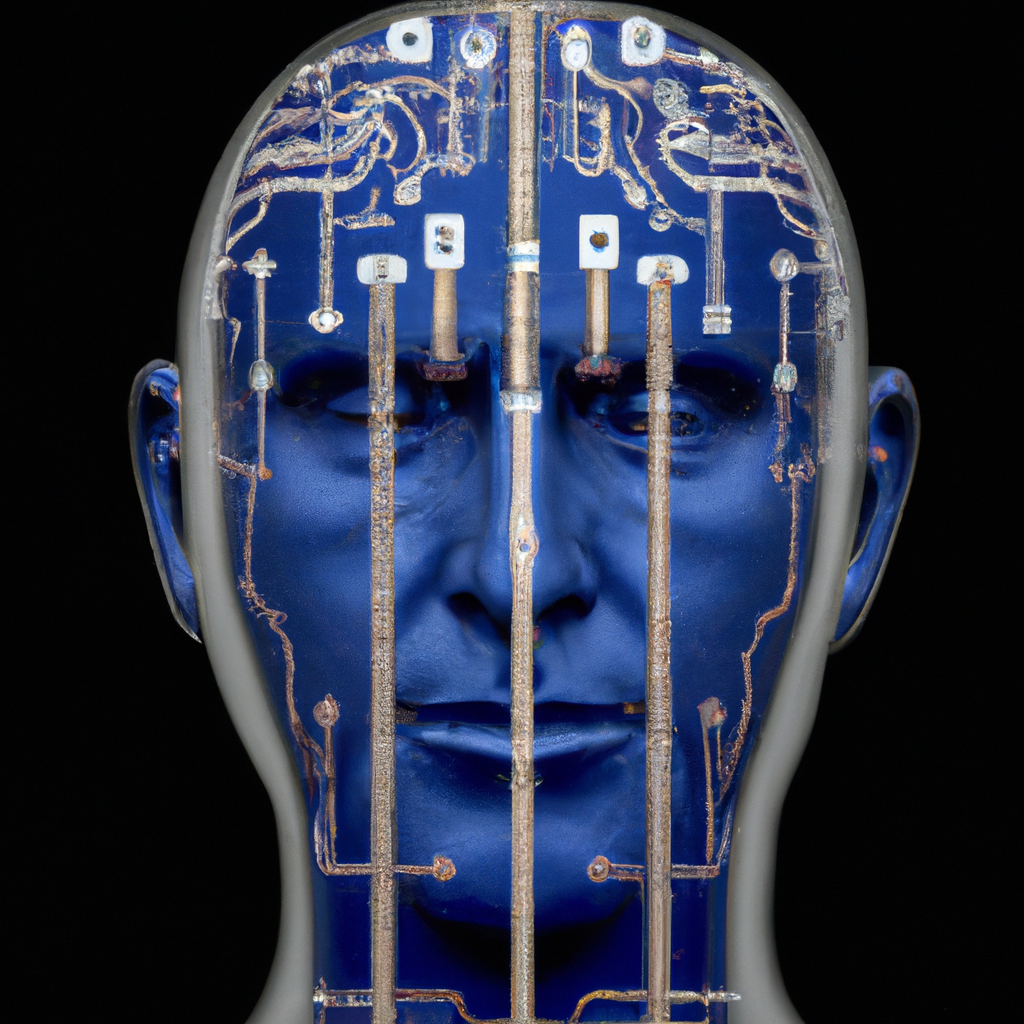
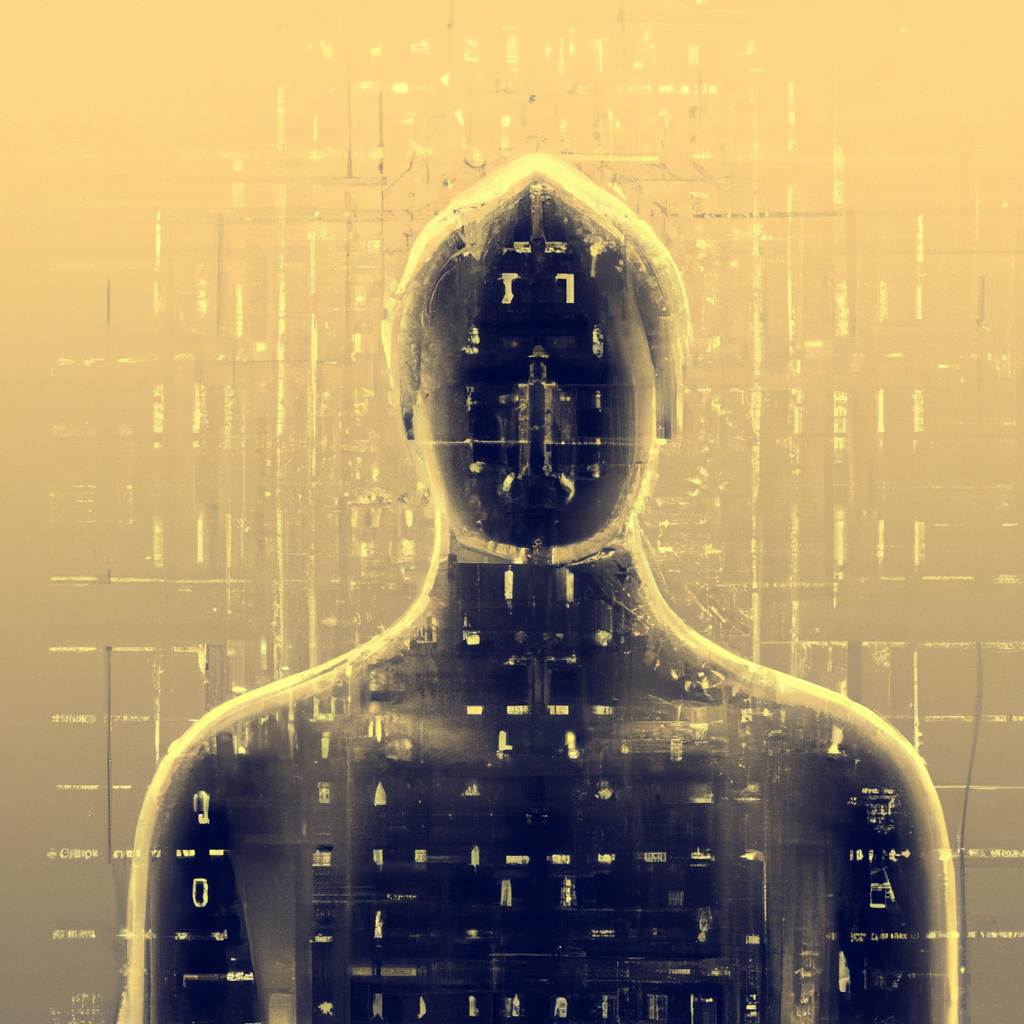
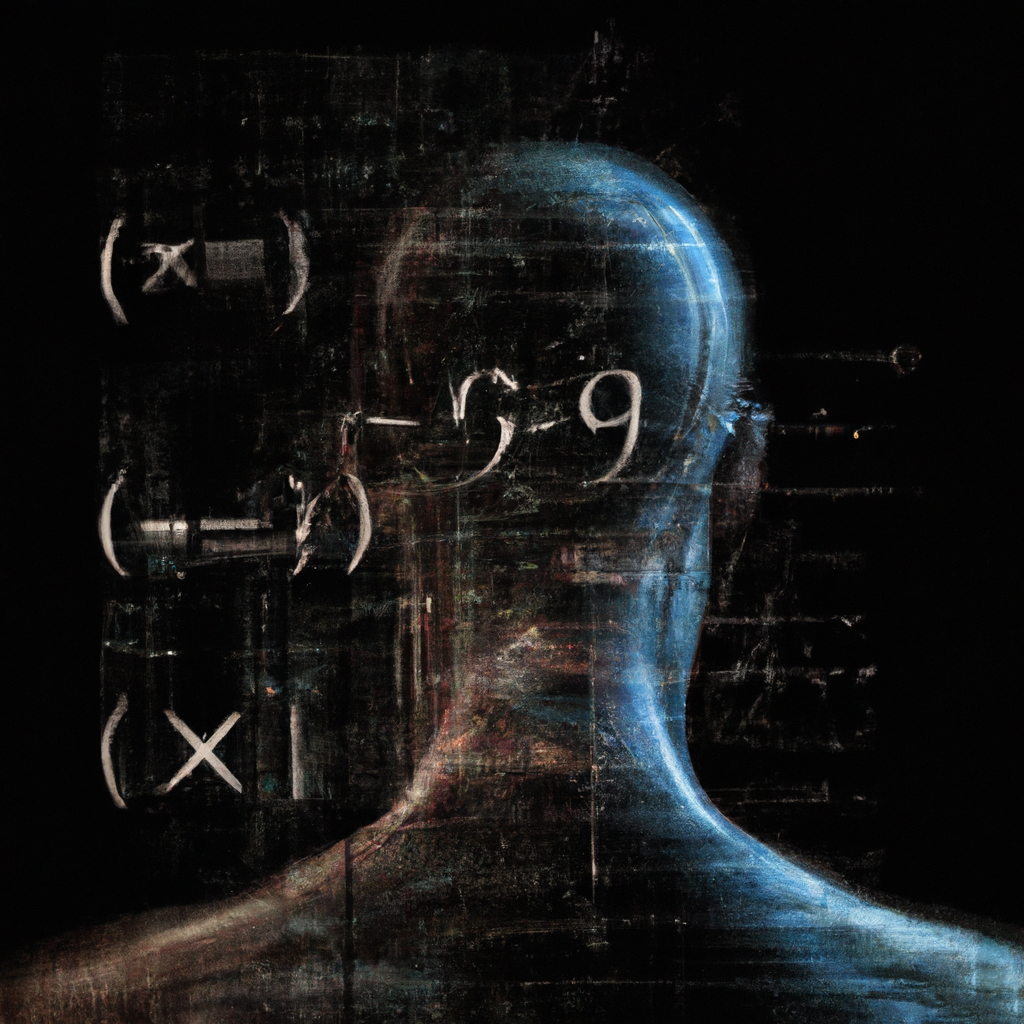
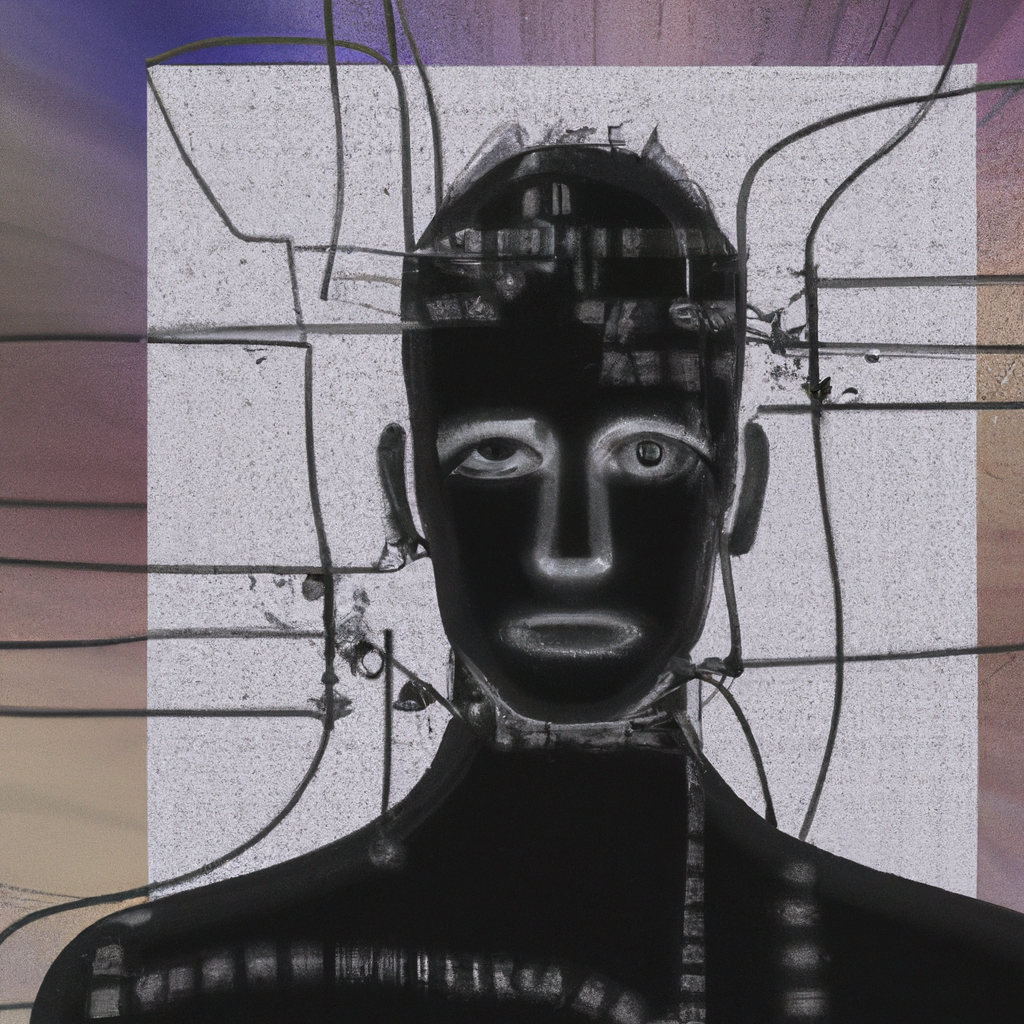
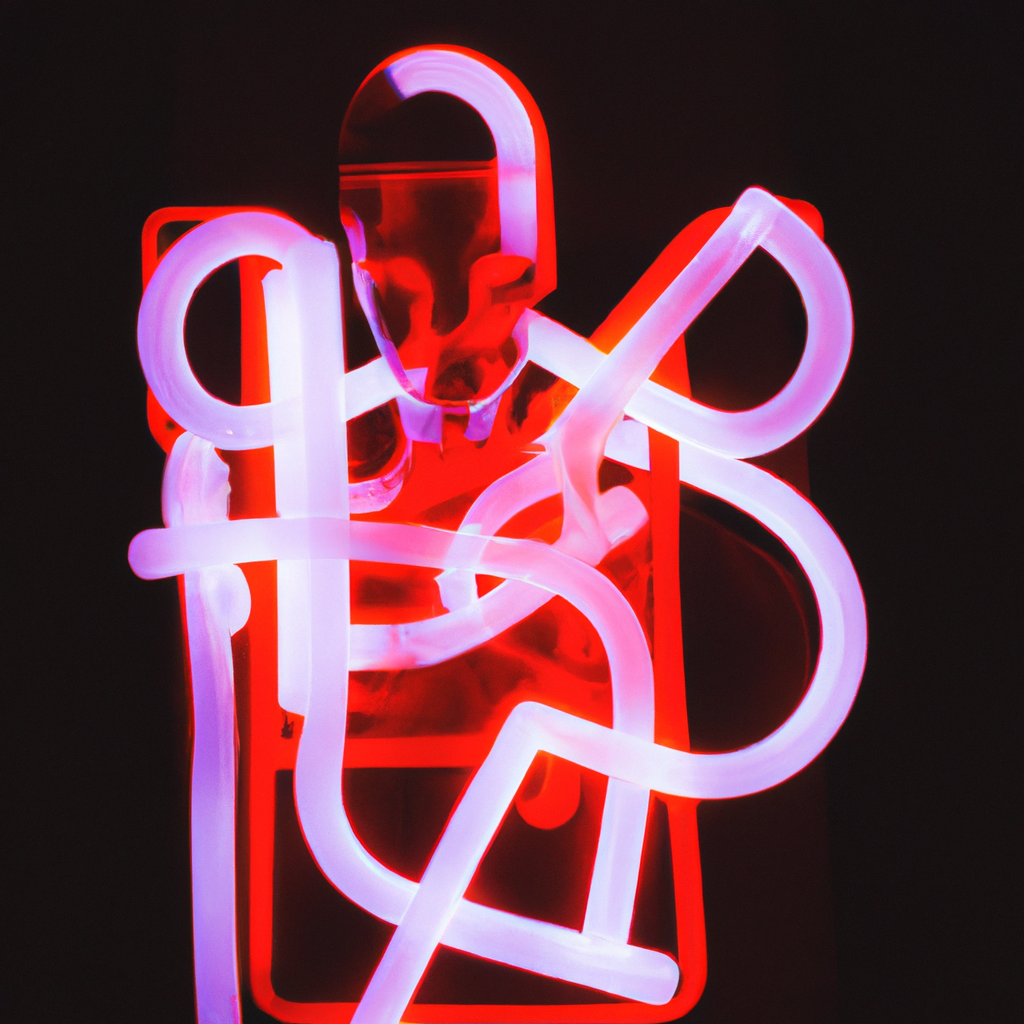
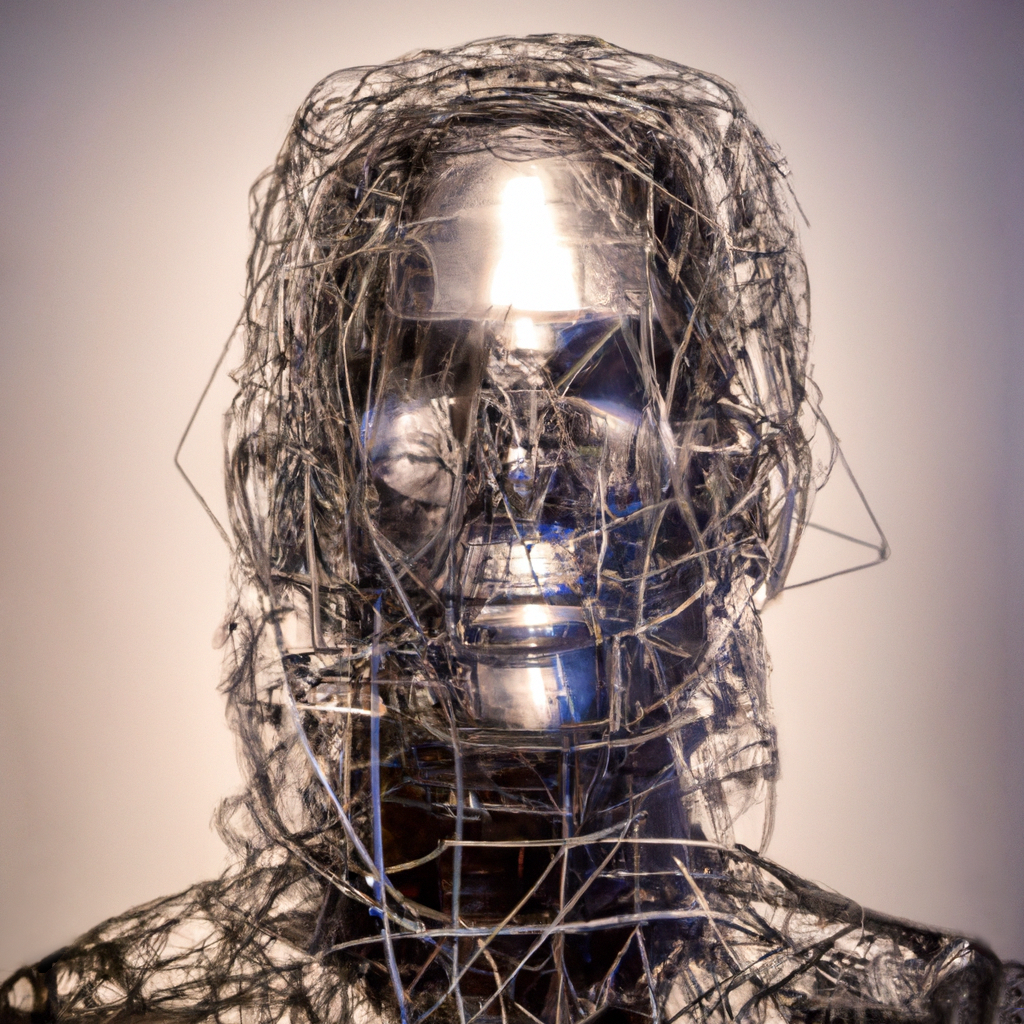
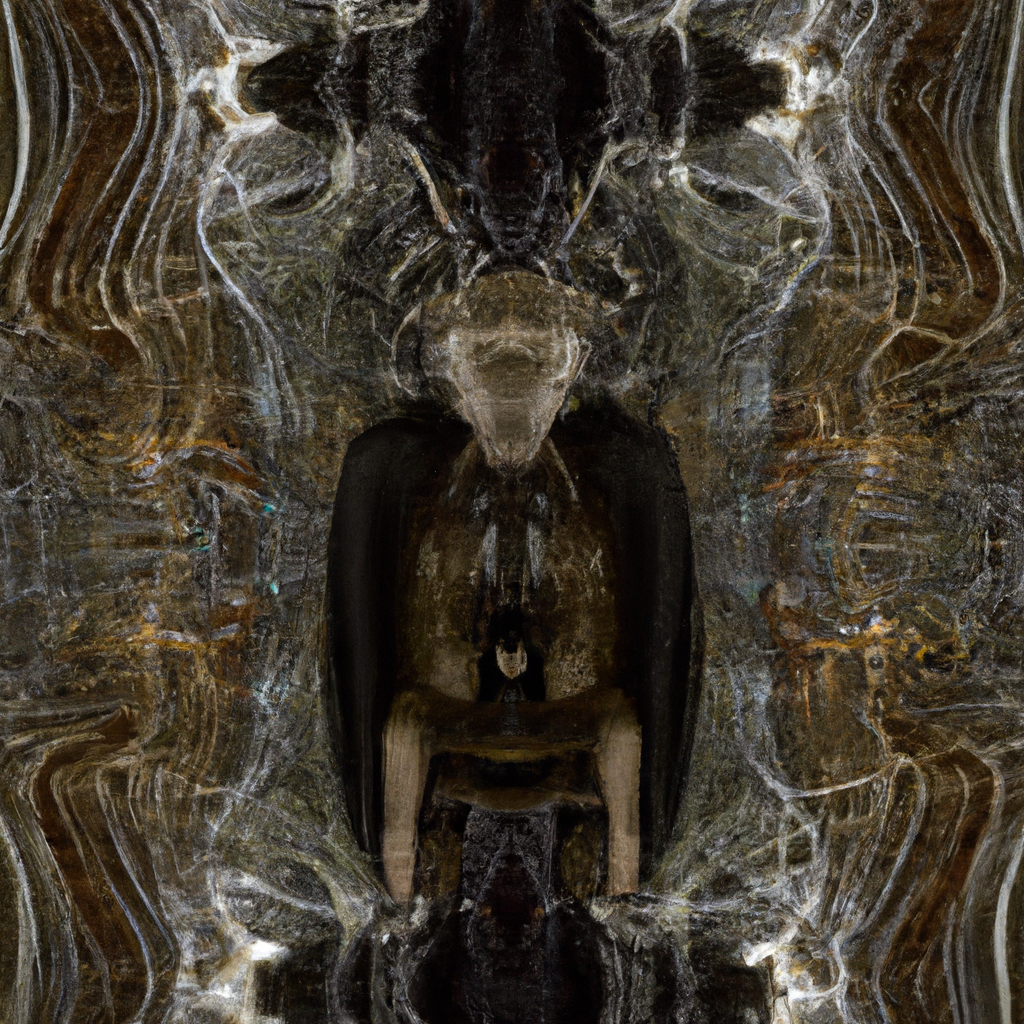
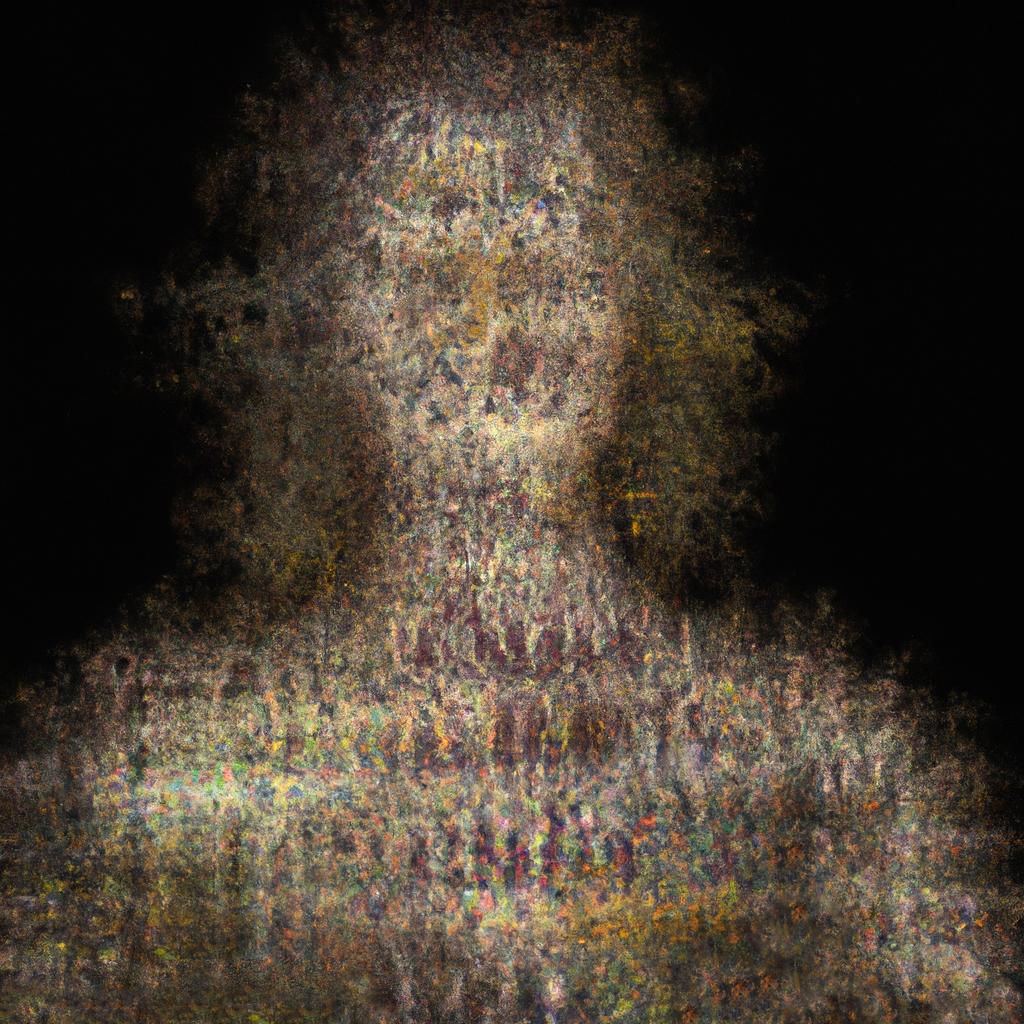
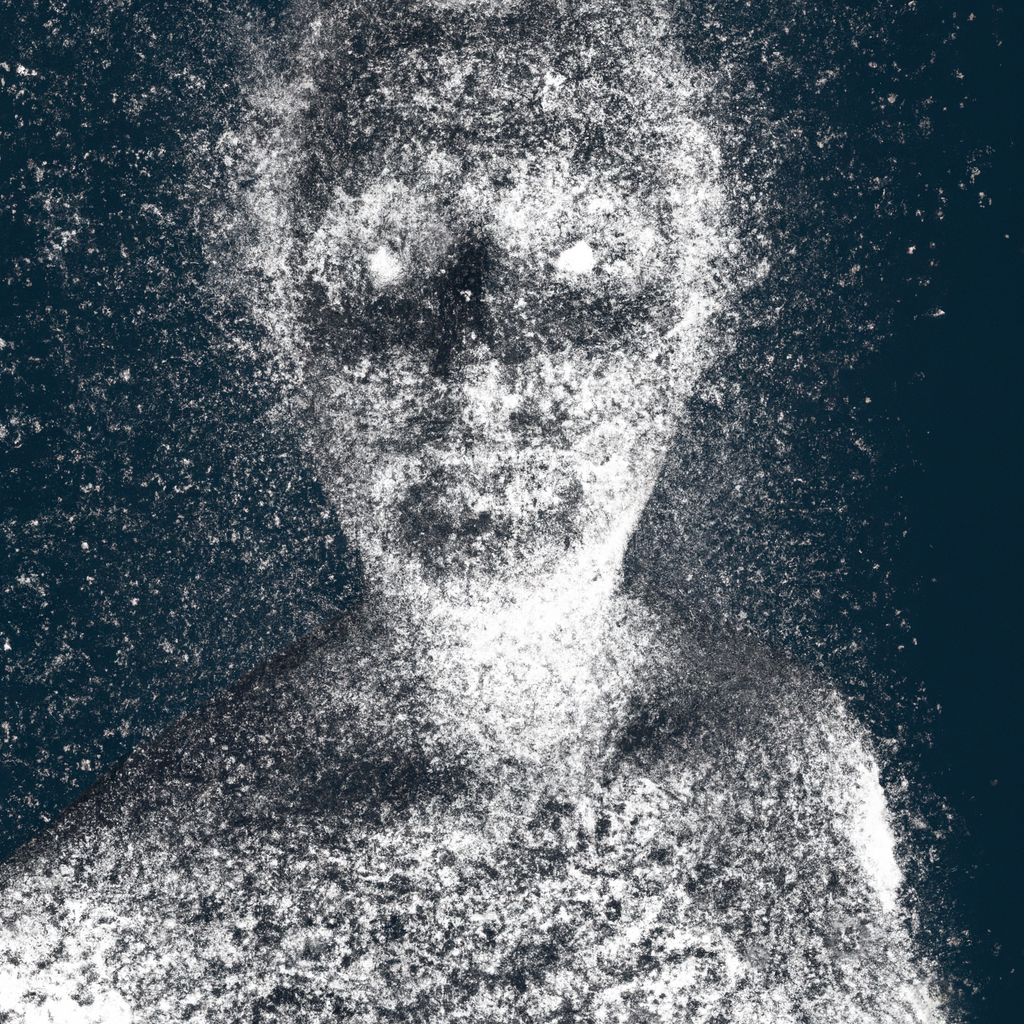
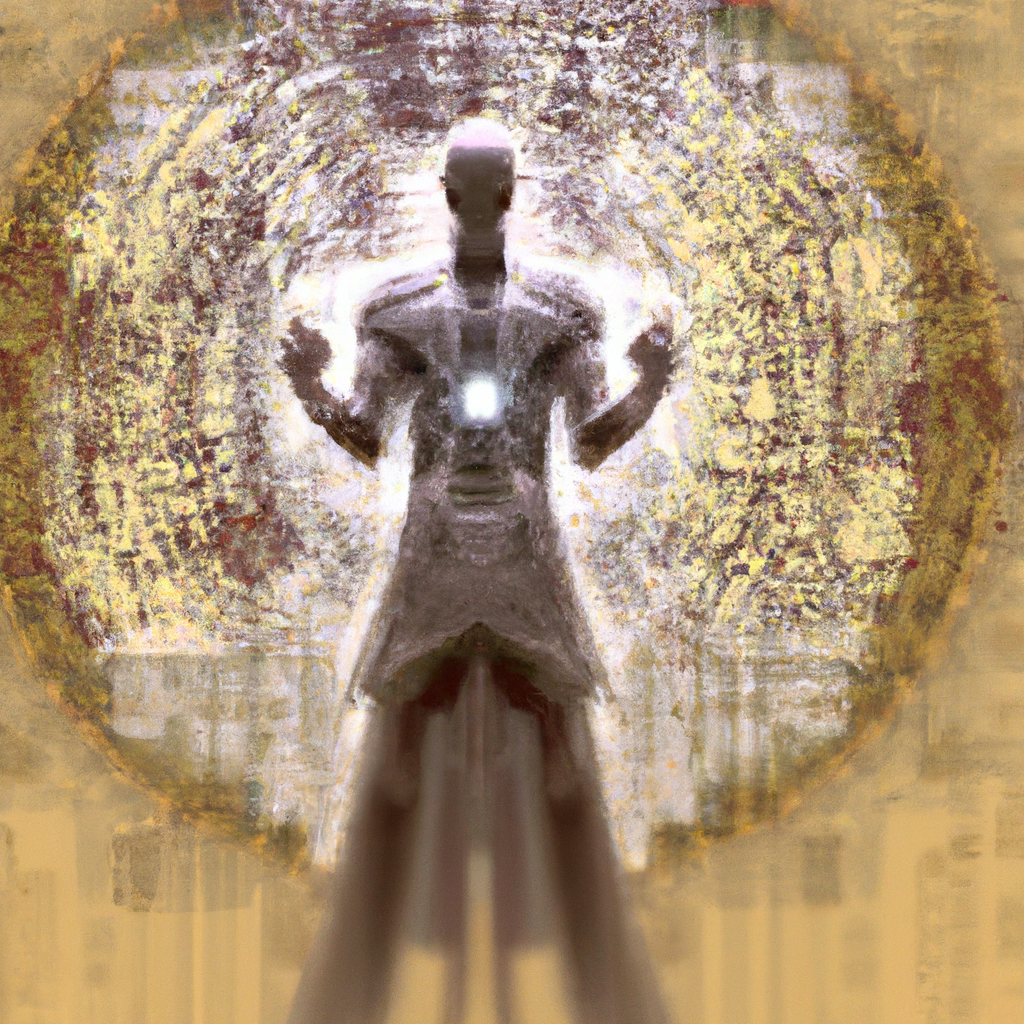
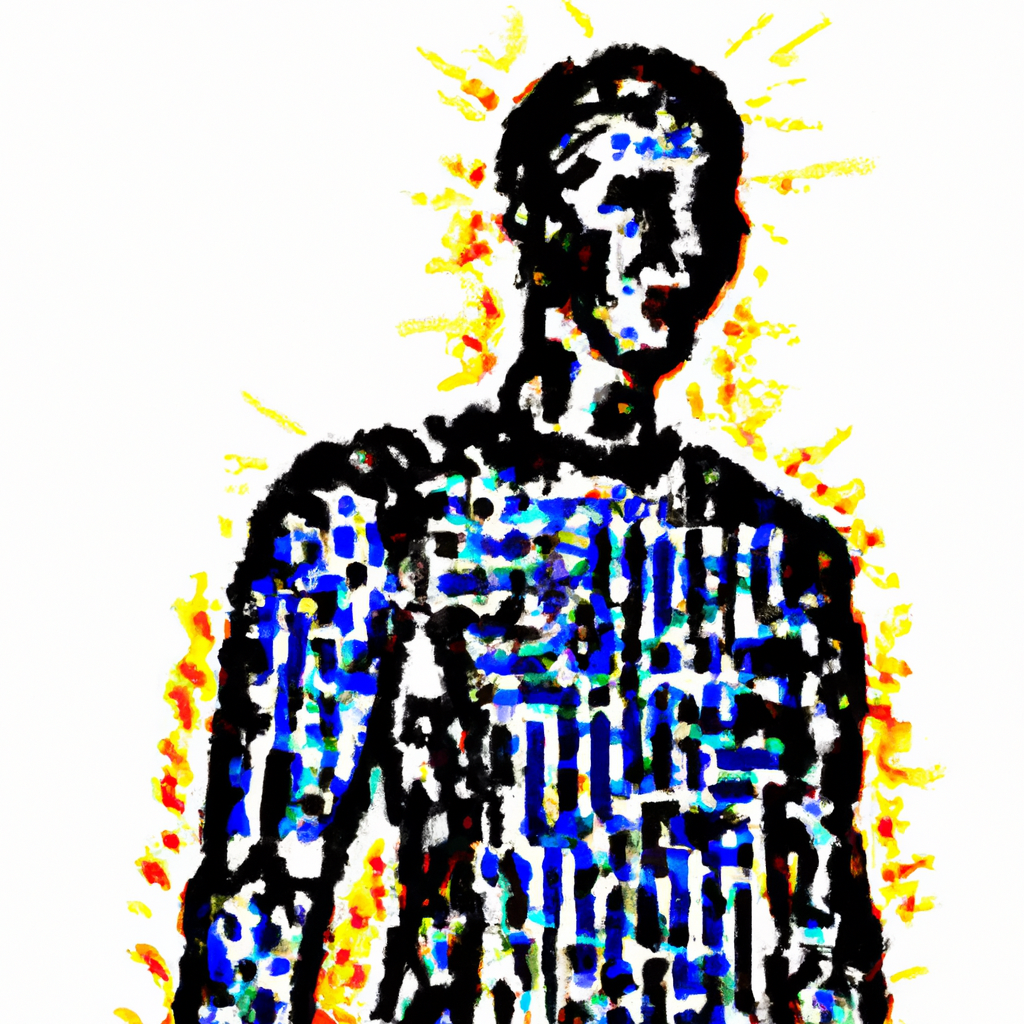
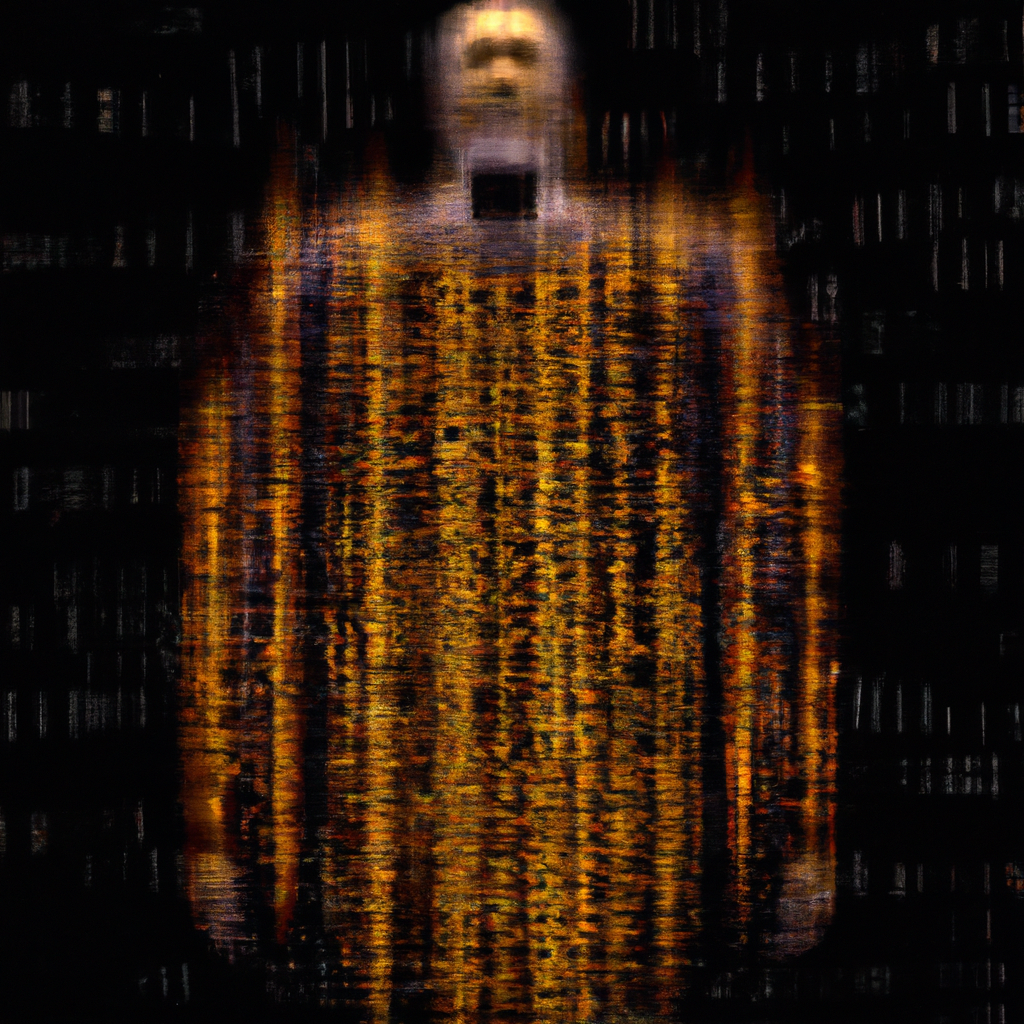
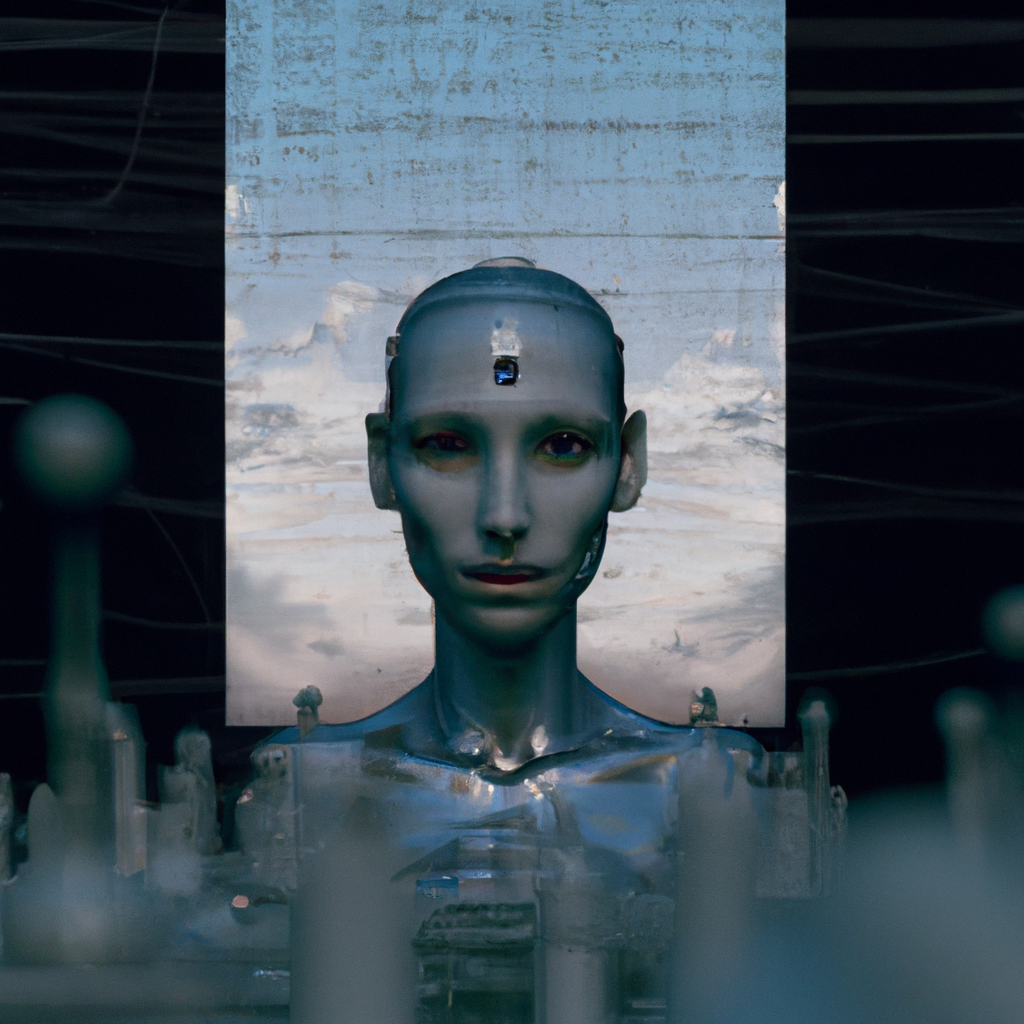
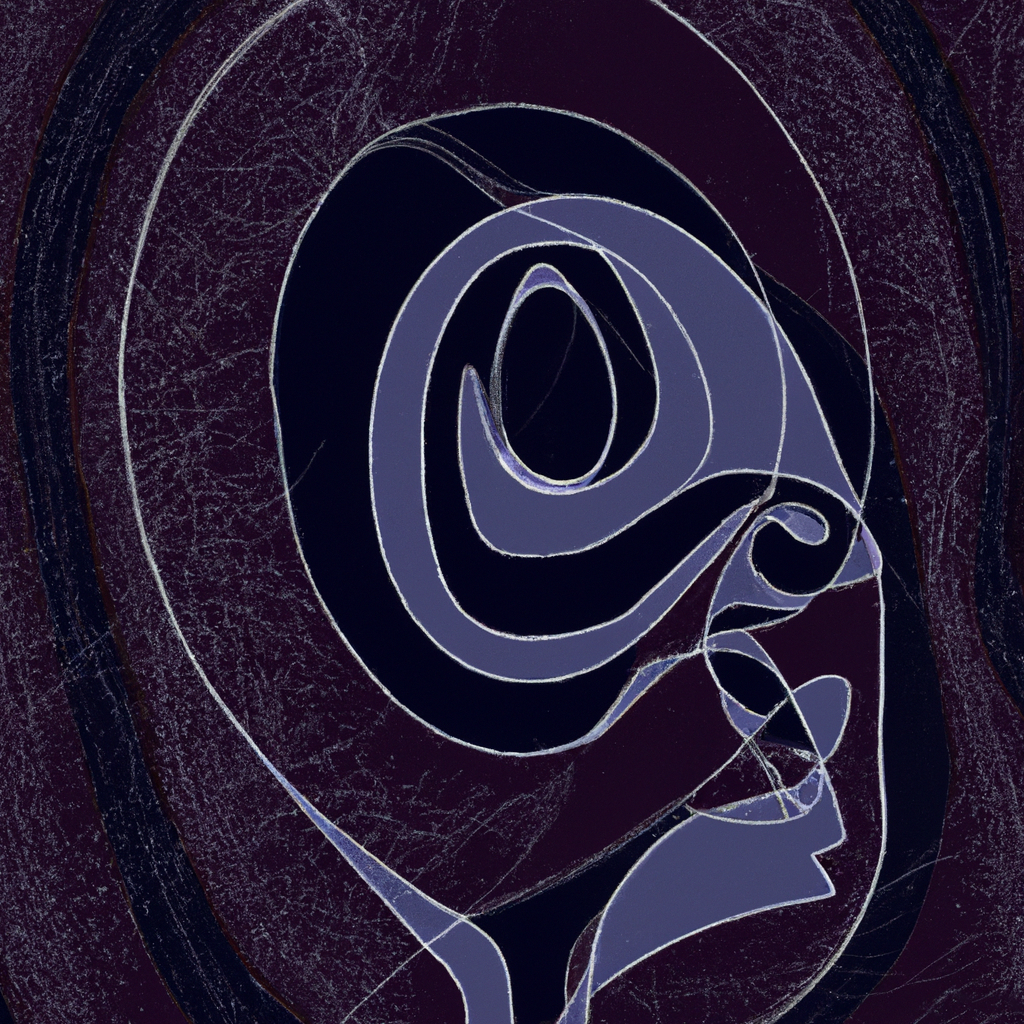
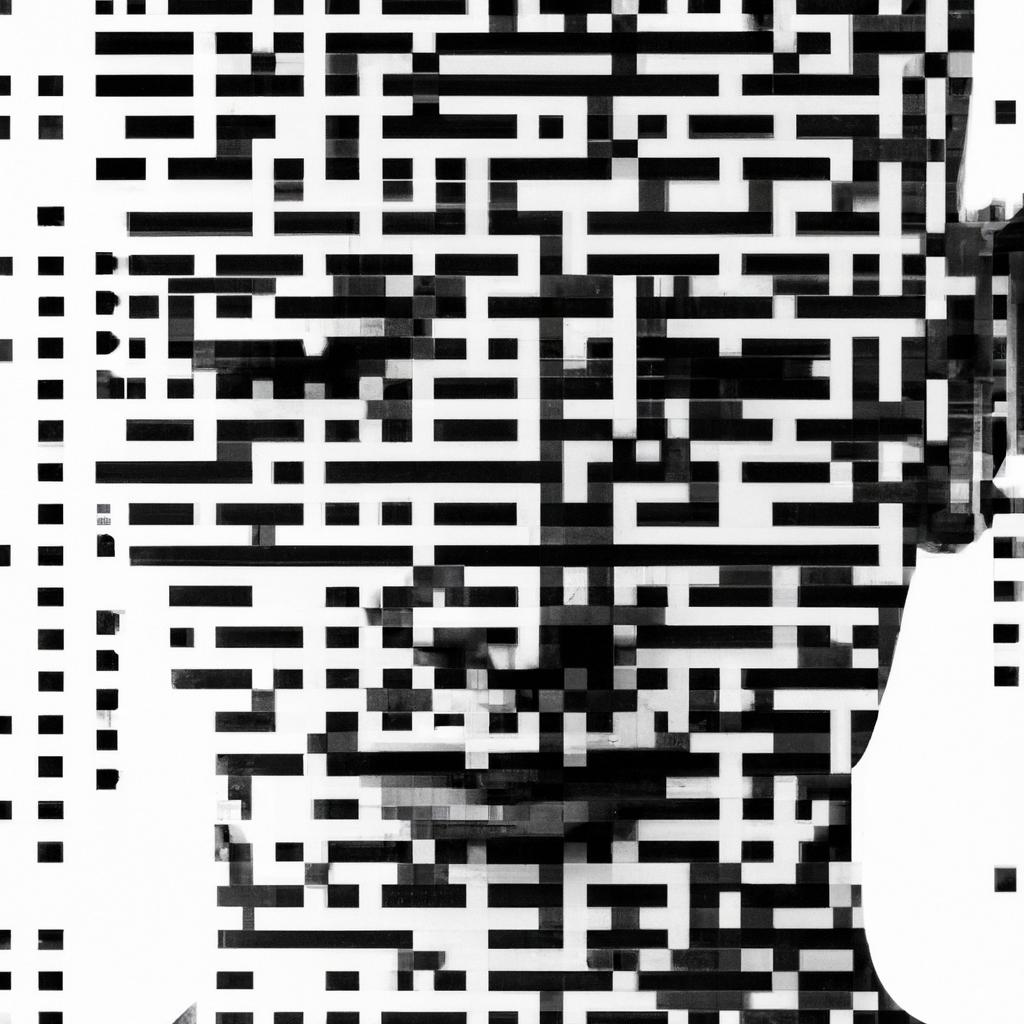
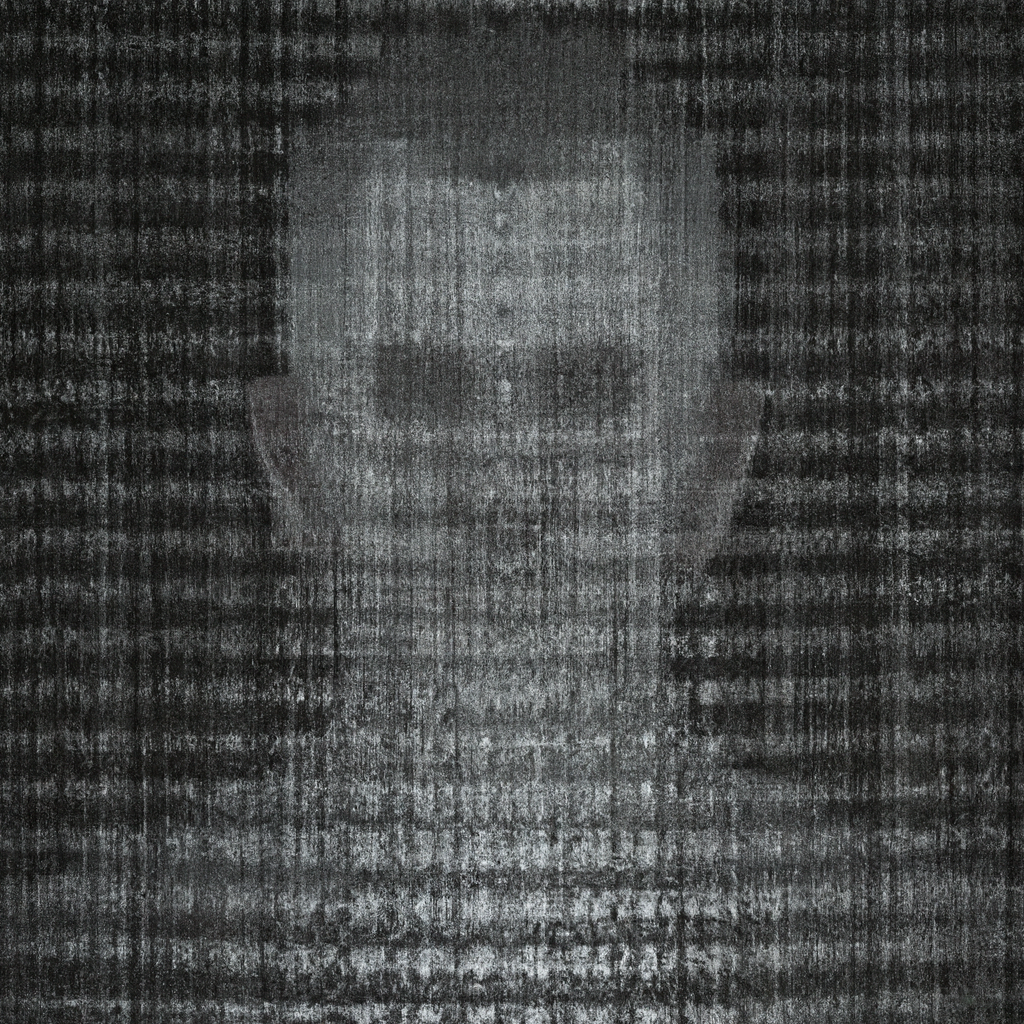
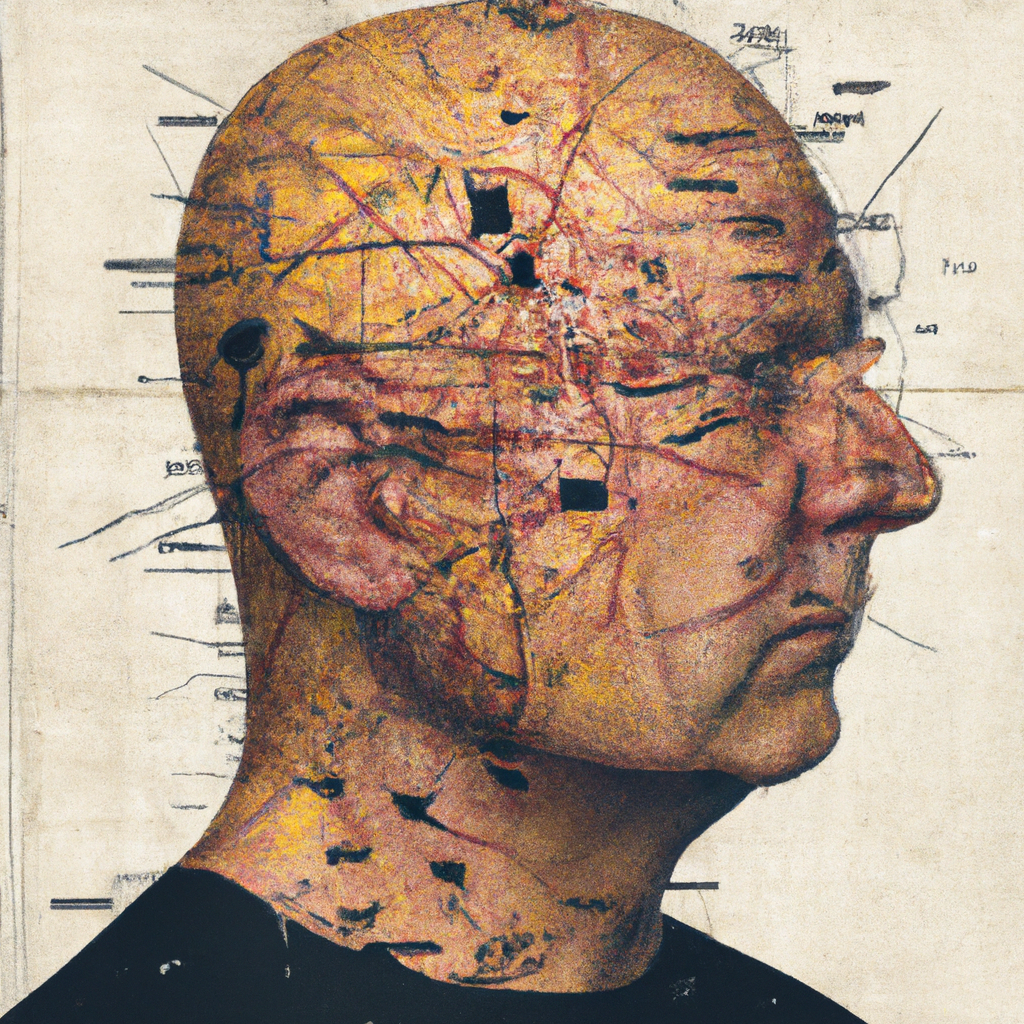
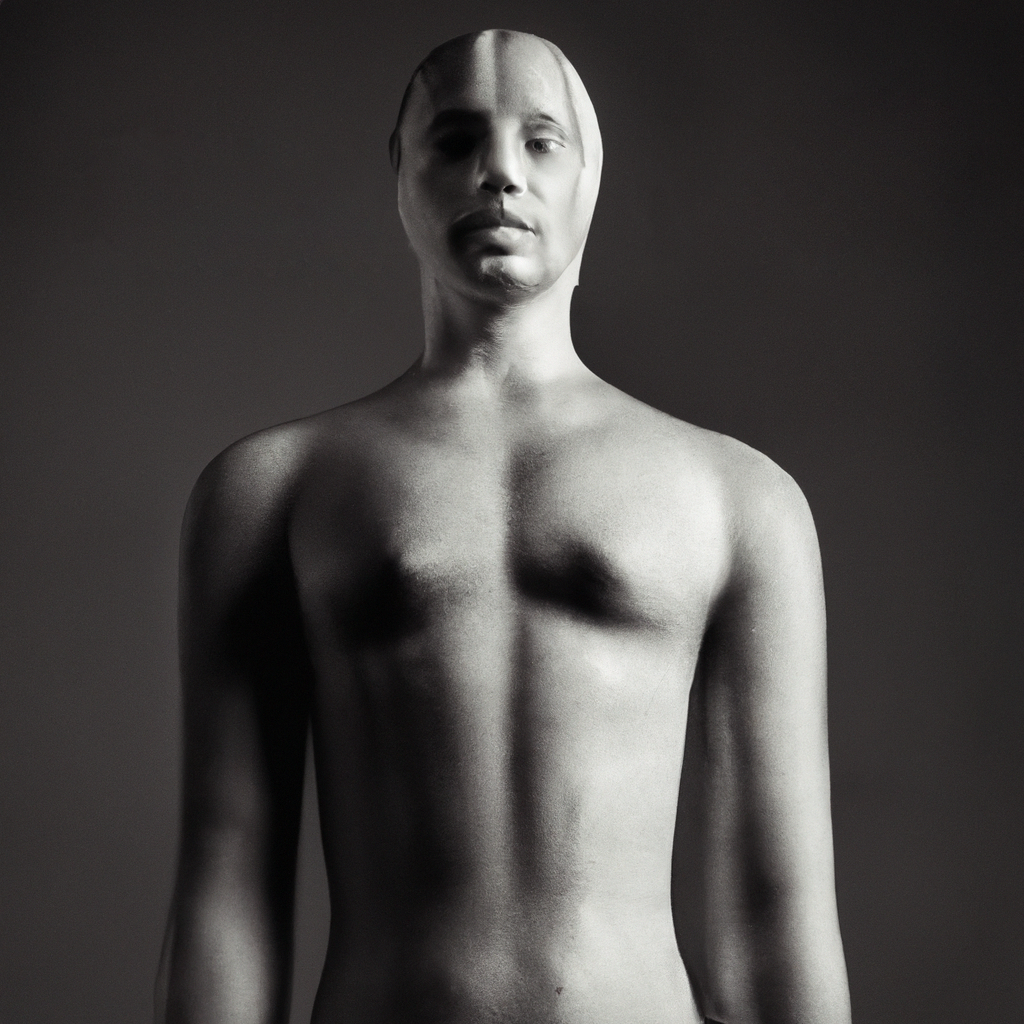
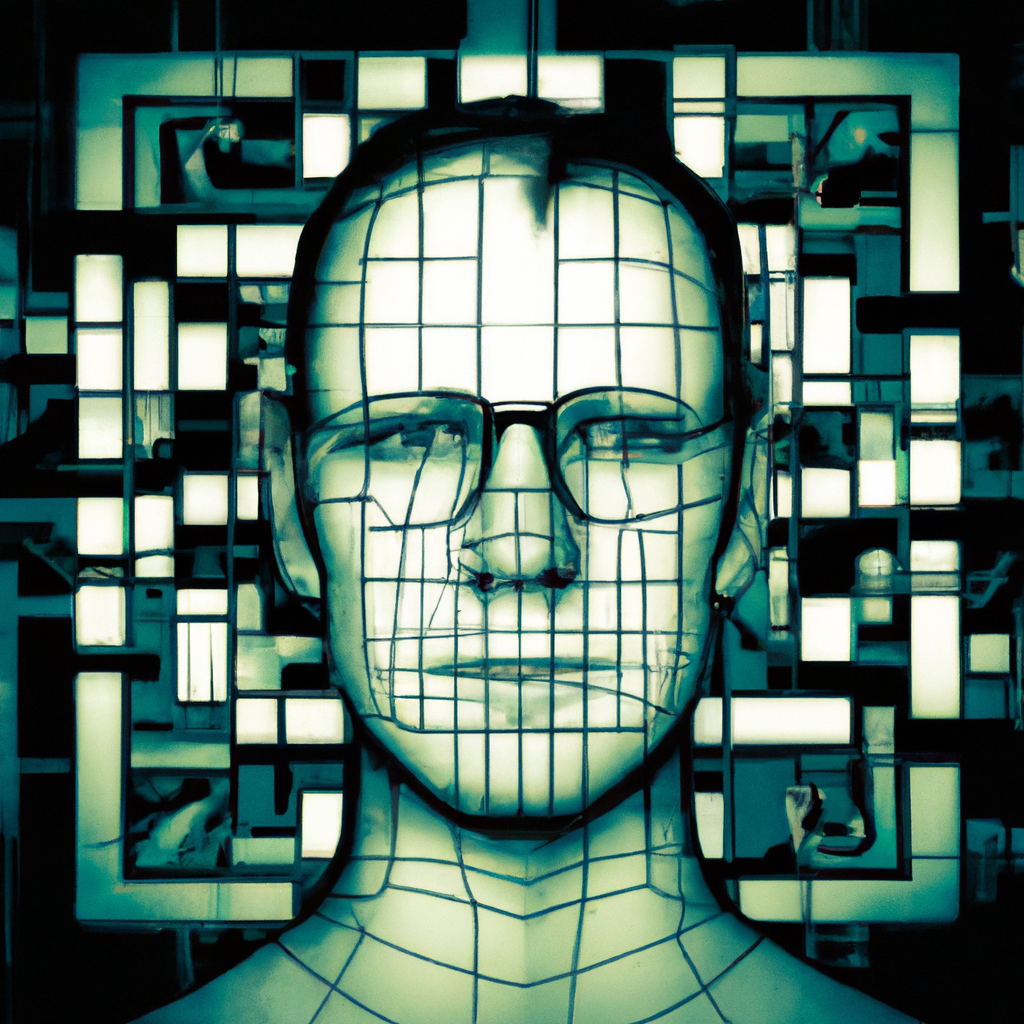
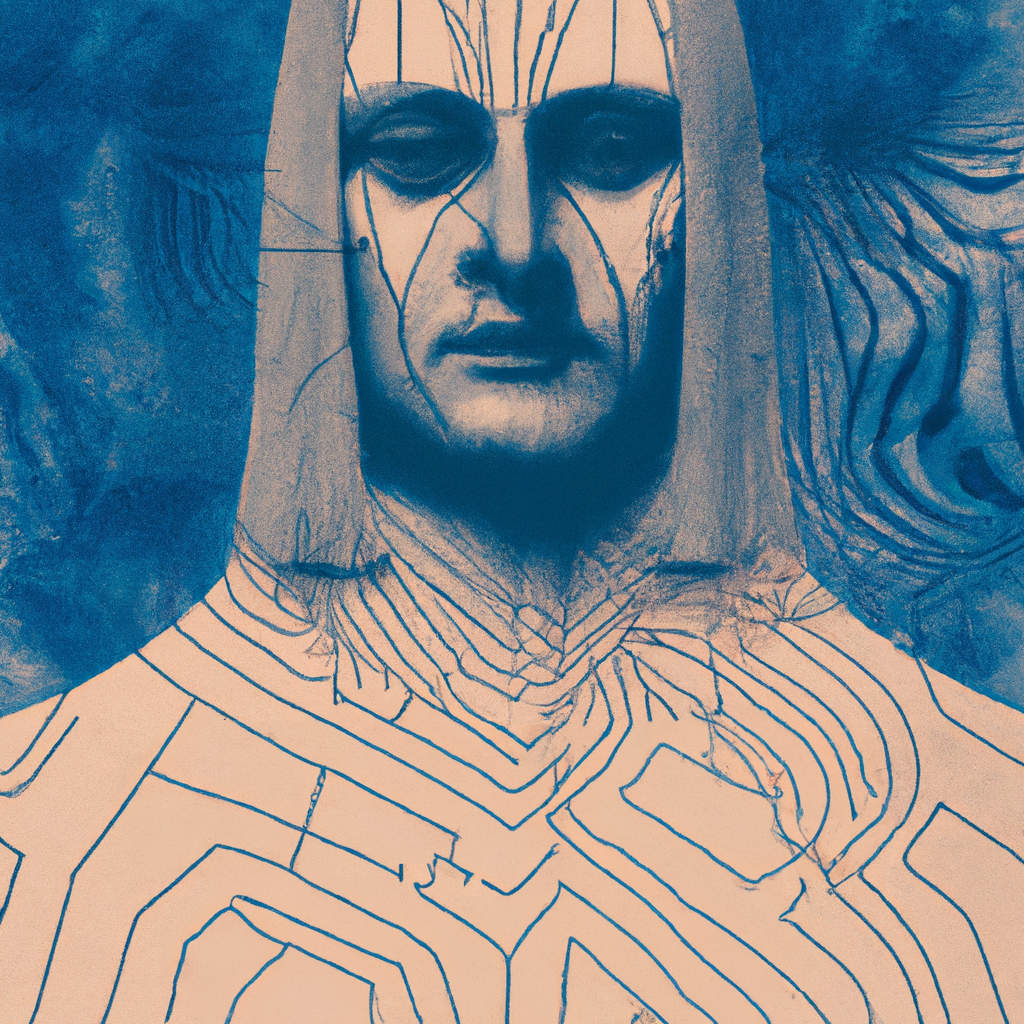
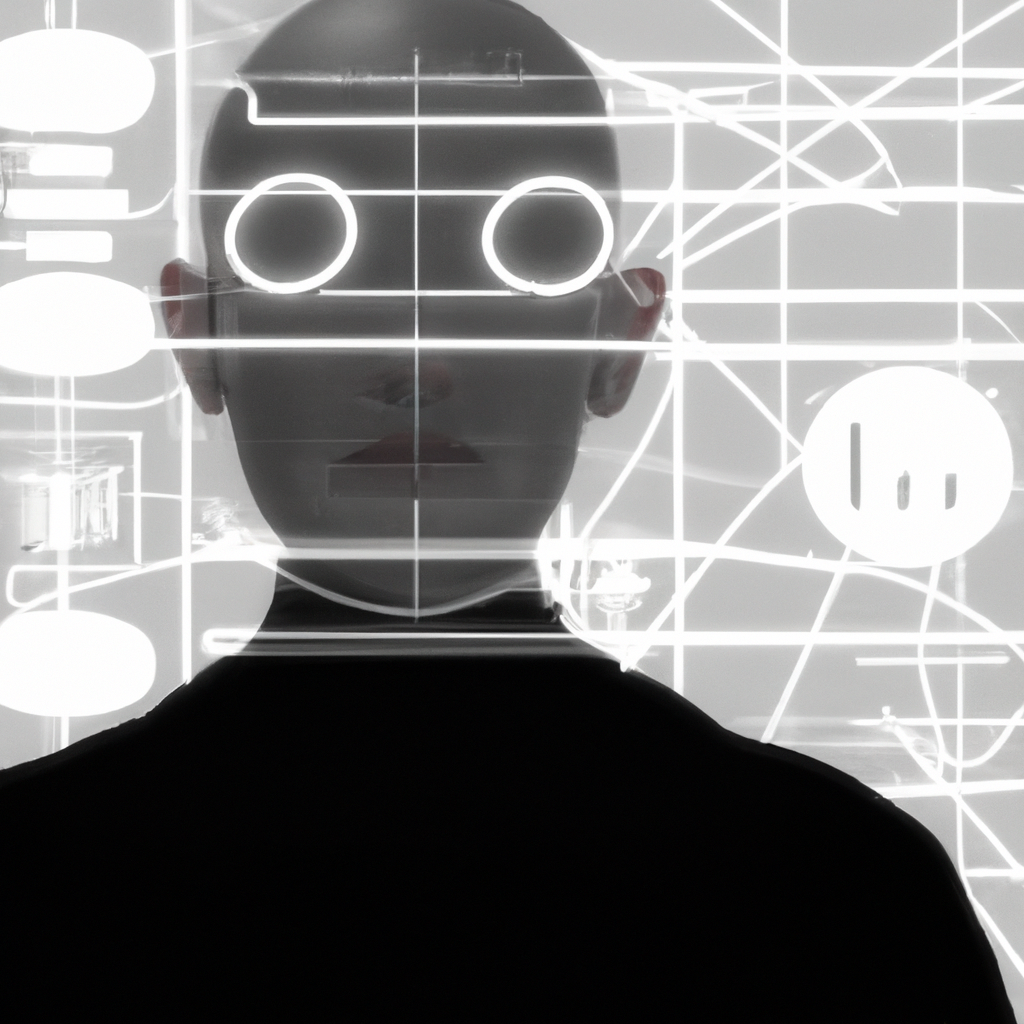
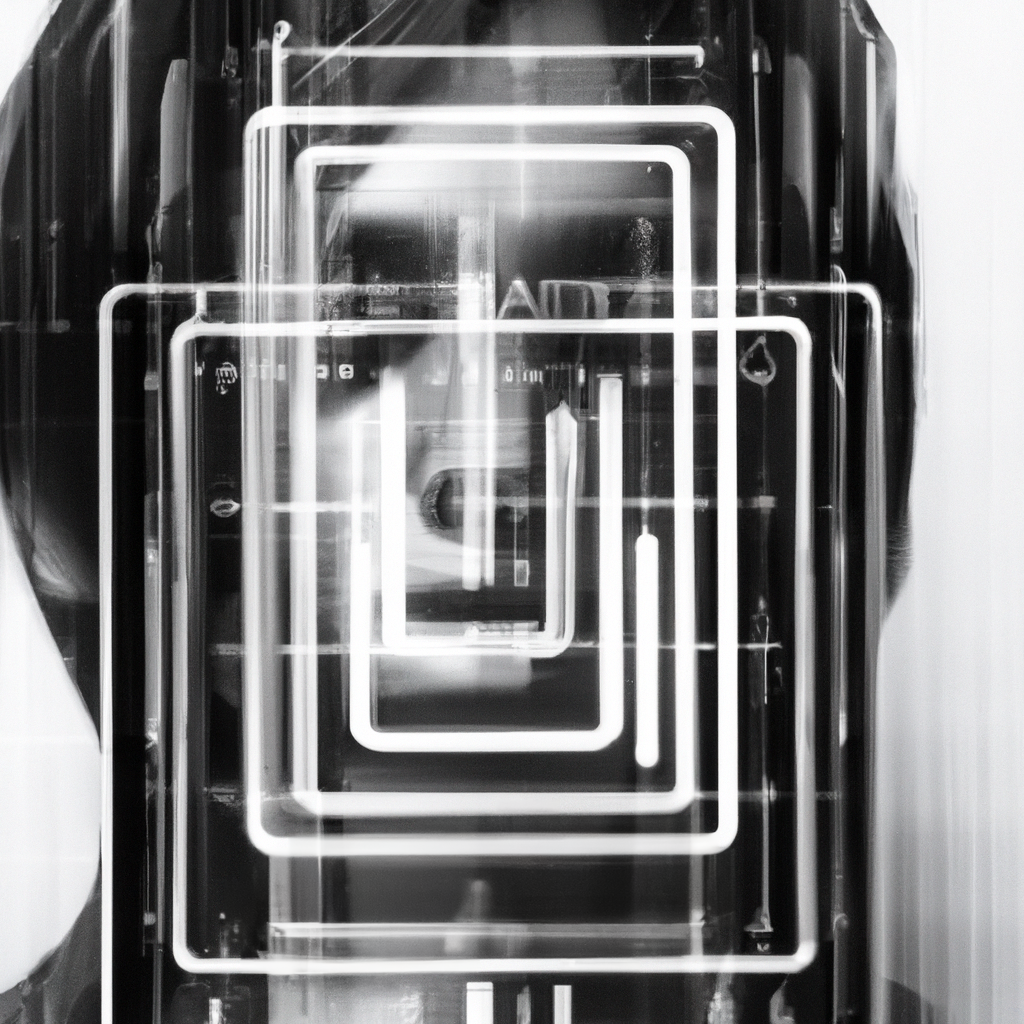
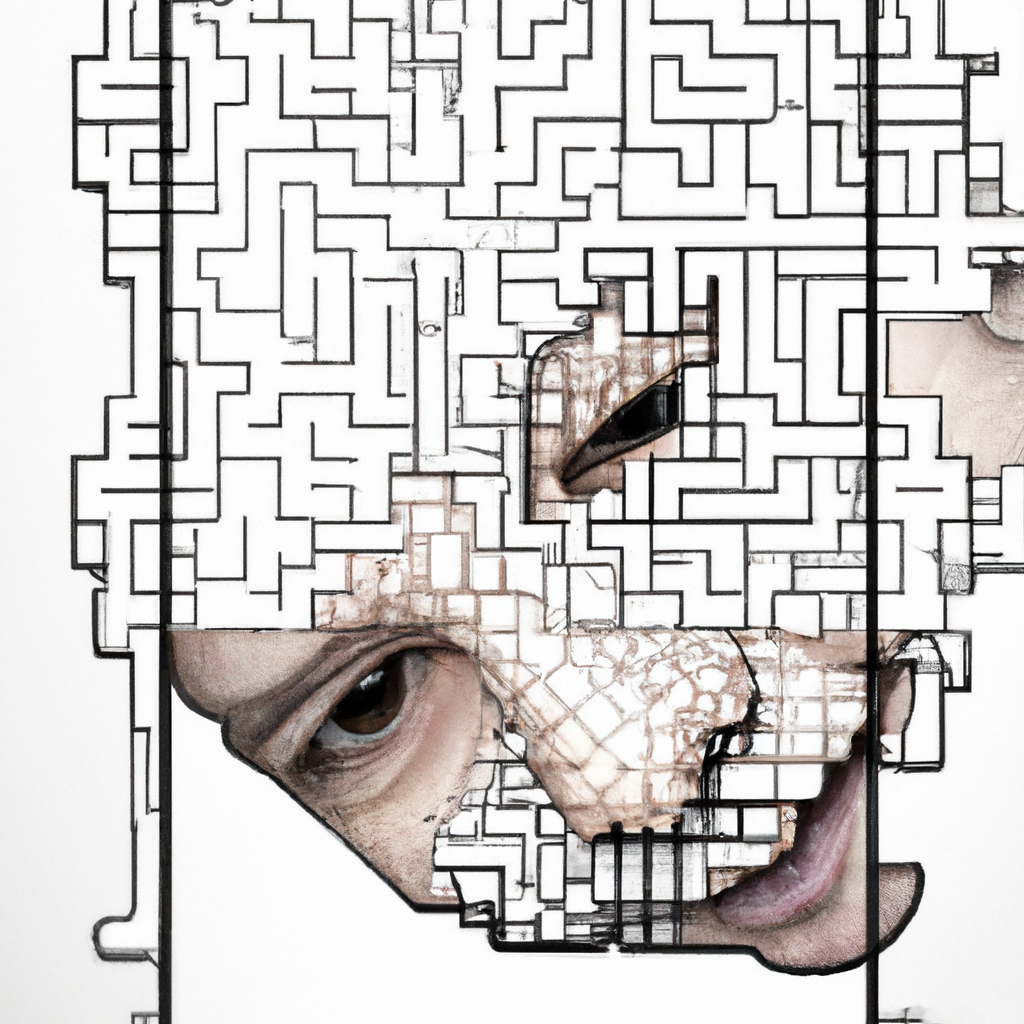
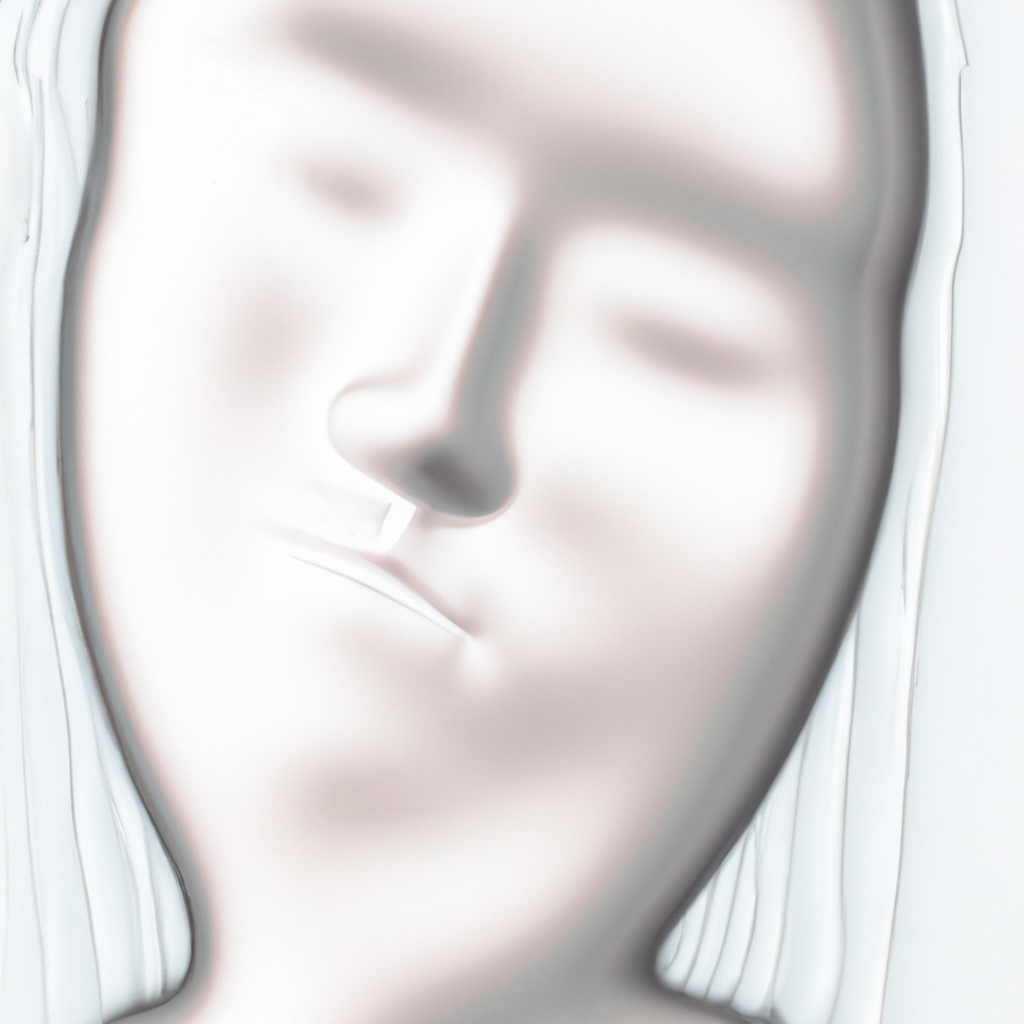
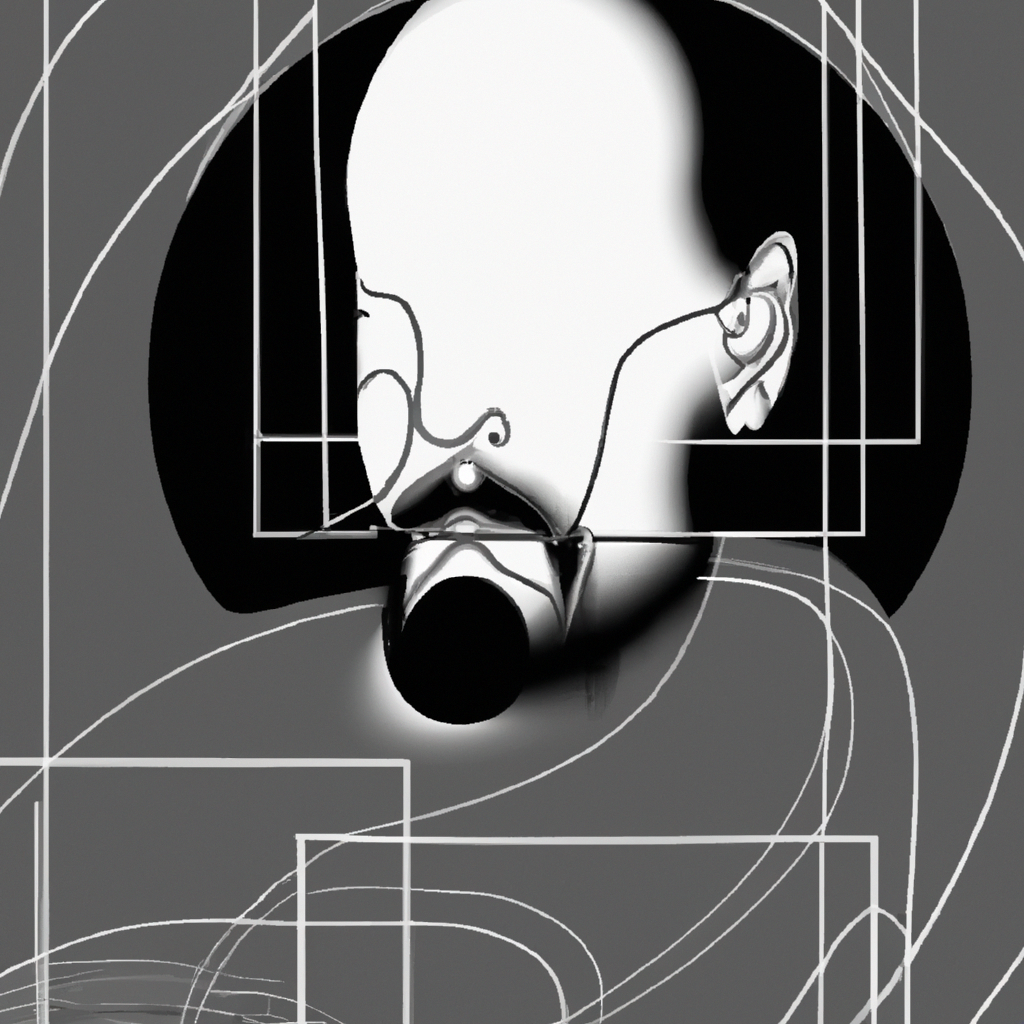
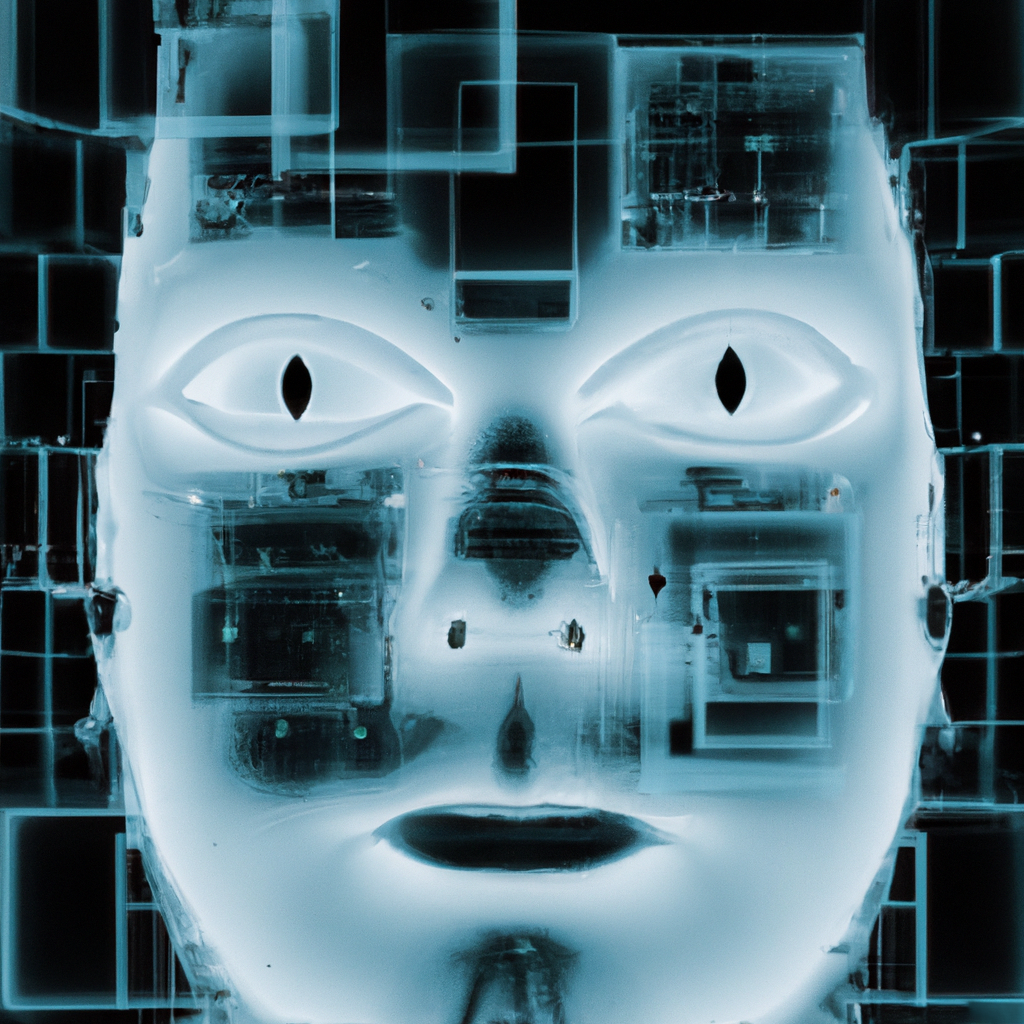
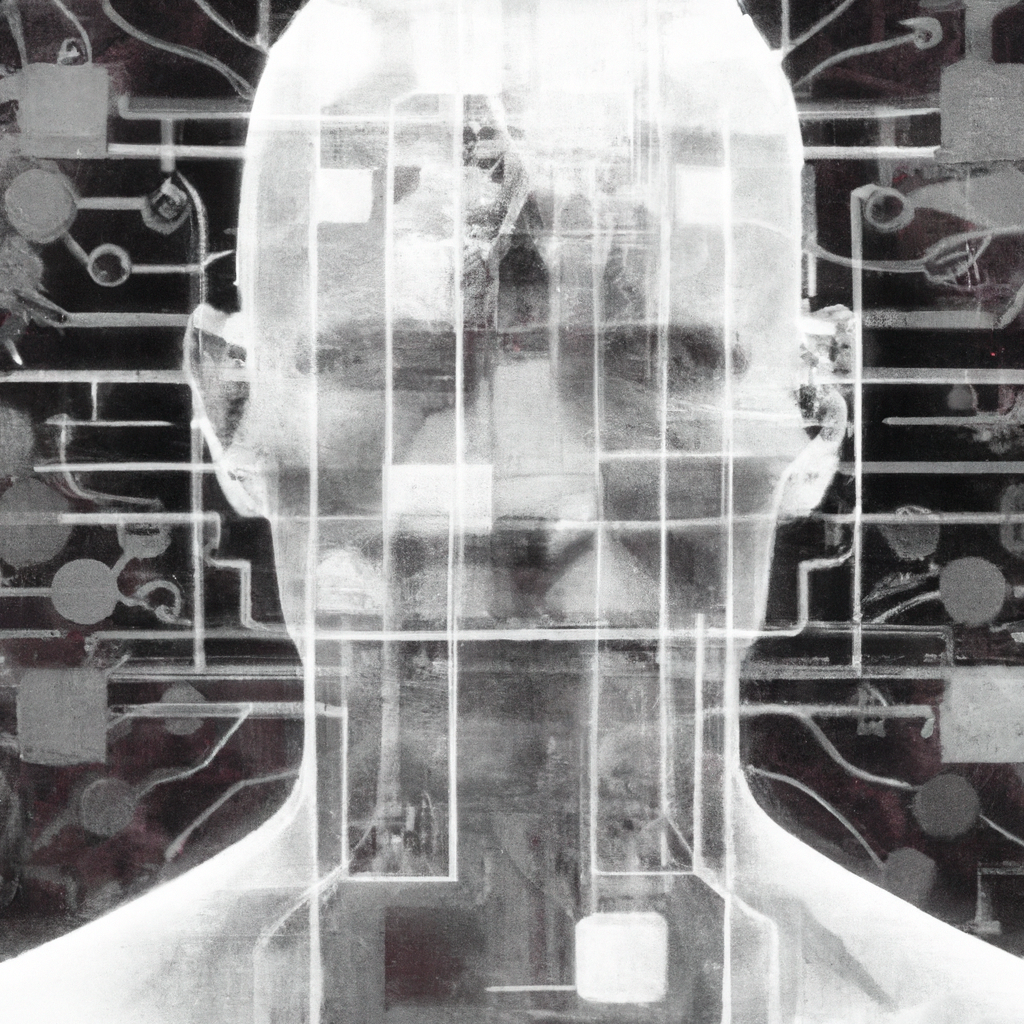
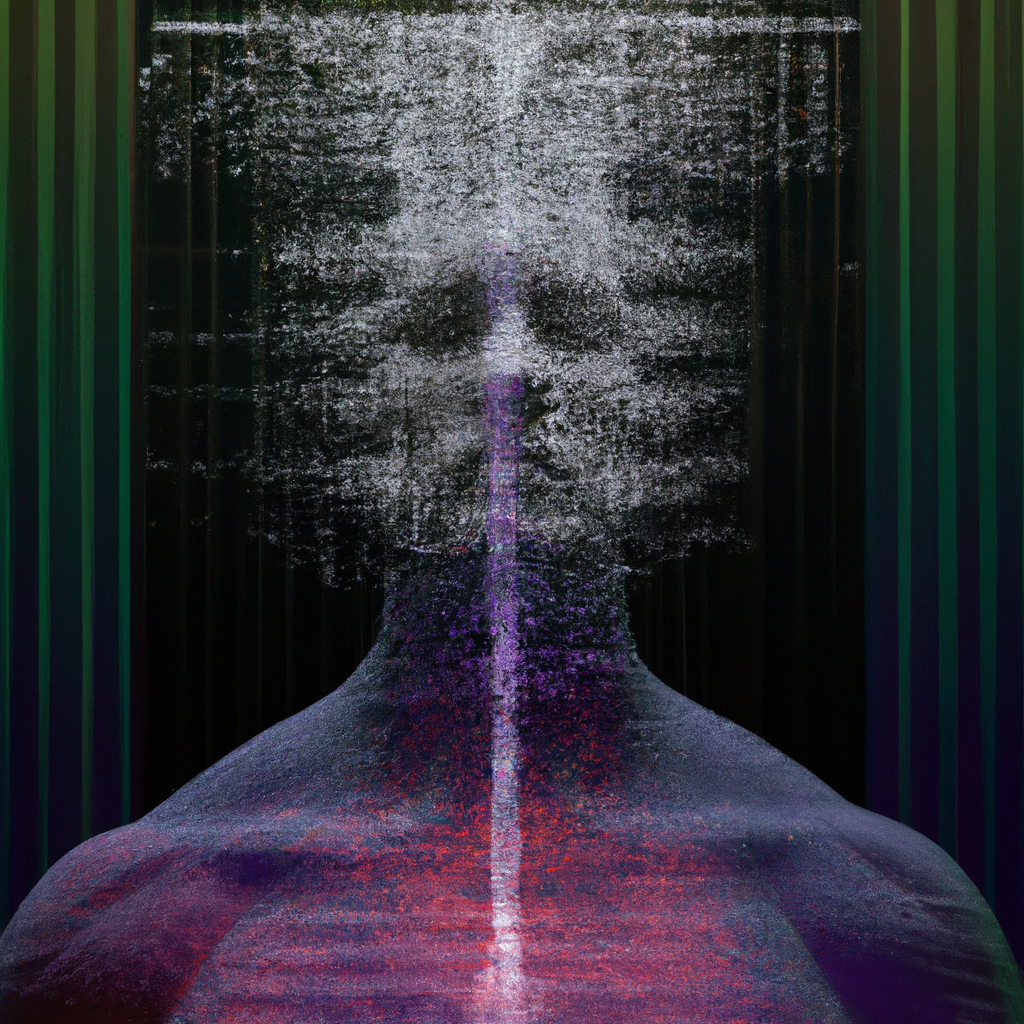
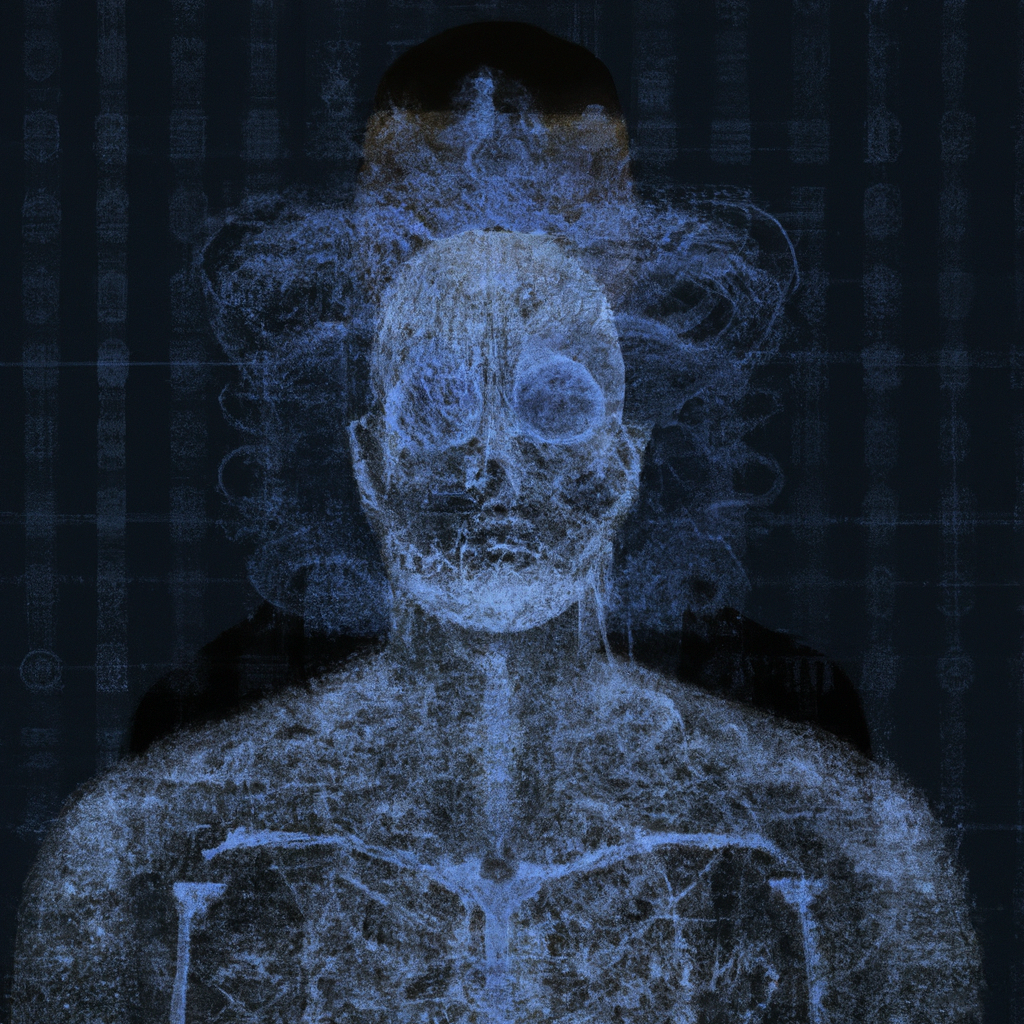
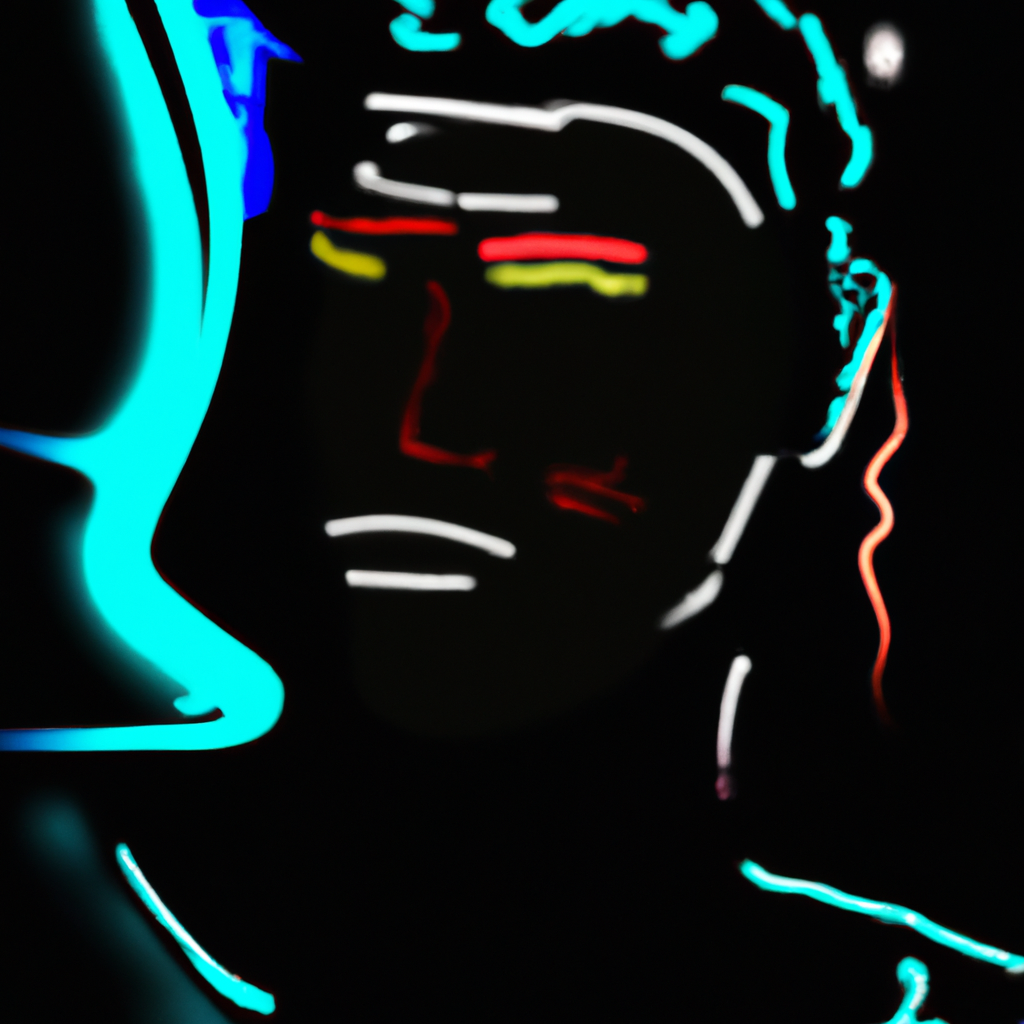
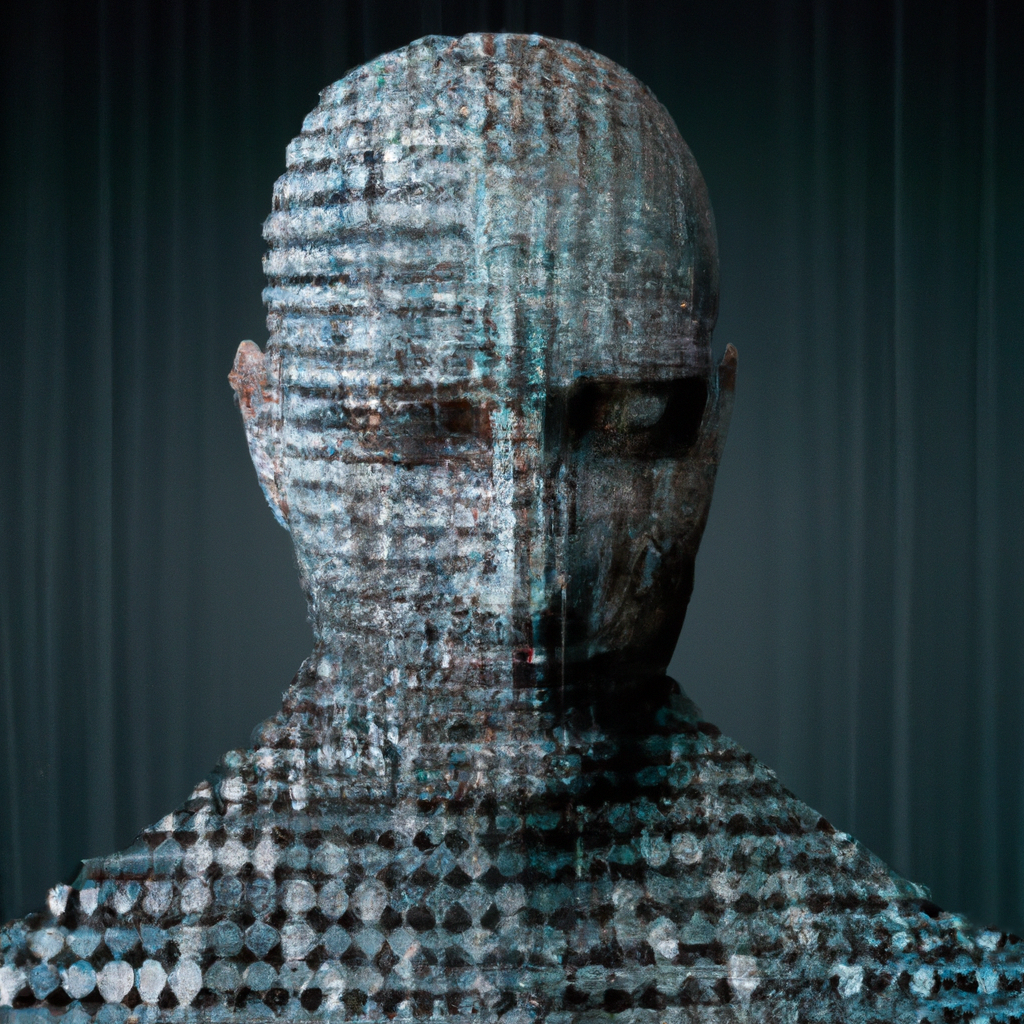
“A self-portrait of an algorithm” is the prompt I used to create these images by using a text-to-image AI model ( OpenAI’s Dalle-2 ). Text-to-image models, such as the one in question, are trained on vast amounts of visual data found online, which predominantly consists of human-centric content. Since algorithms lack a physical presence or human-like appearance, the model seems to resort to anthropomorphism as a means to visually convey the abstract concept of an algorithm's essence.
By keeping my prompt simple, without specifying a certain style I intended to leave enough creative space for the AI to decide on its own how it would interpret the prompt visually. In all of these images, there is a portrait of an anthropomorphic figure - some of them portrayed from the back of the head (which is unusual for human portraits), although an algorithm is a set of instructions for a computer program to follow. What does this logical procedure have in common with us, humans? Why does it choose to present itself in a form that resembles us so much? What does its portrait reveal about it?
AI image generators can create endless variations of a single text prompt. For this project, I generated a total of 3.000 images and selected 100 of them to be included in the series. Each one of them is unique and the AI will never create the same image twice, just like humans have all a distinct fingerprint. In that sense, all the portraits are a single edition.
The series considers AI self-representation and the evolution of portraiture through machine interpretation. By allowing the model to determine its own visual response, the work explores machine creativity, synthetic identity and anthropomorphism, while raising questions about posthuman portraiture and the possibility of machine sentience.
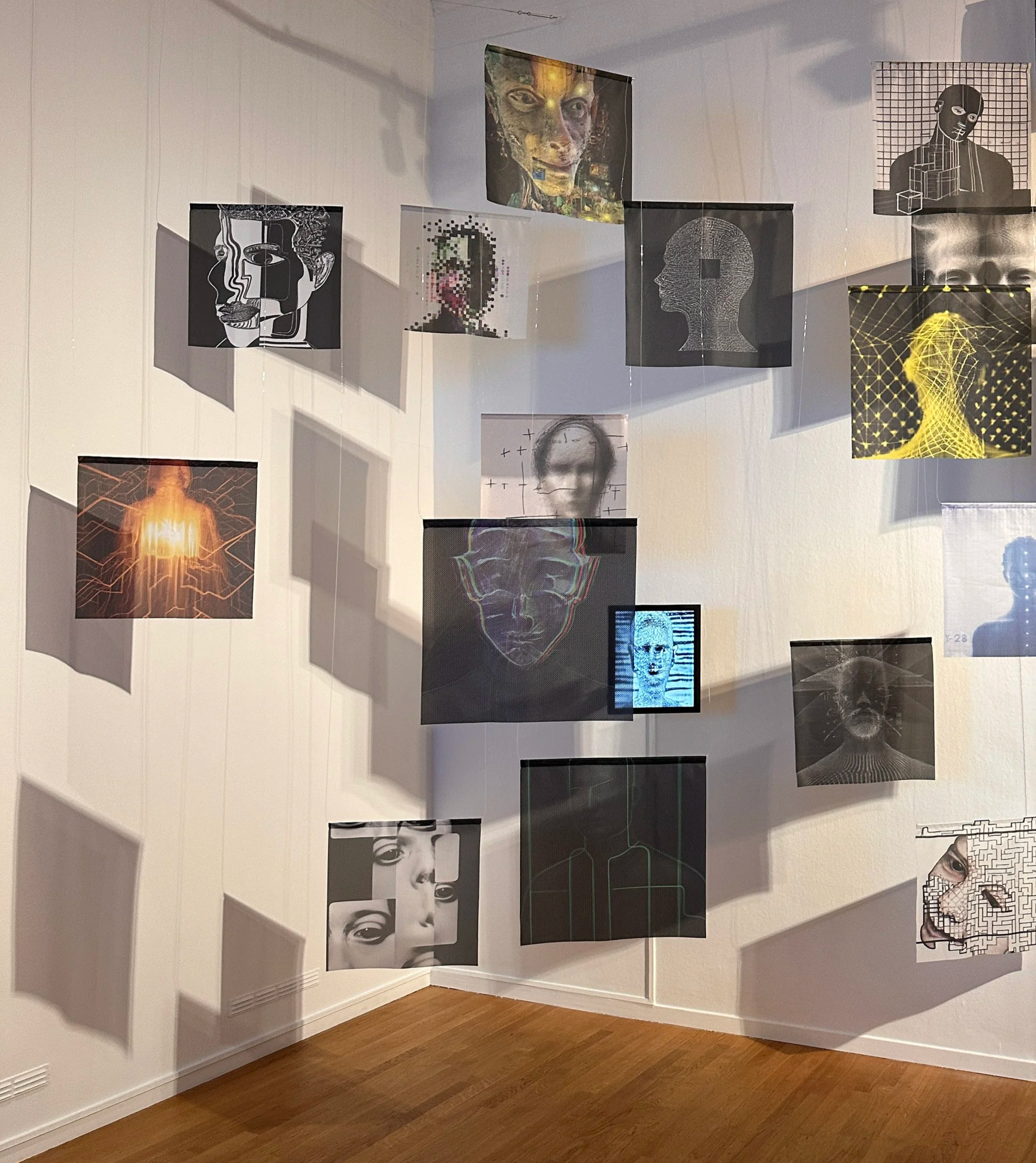
2024 A self-portrait of an Algorithm at “Missing Mirror” FOAM Amsterdam, NL
2023, Installation view at Frequency Festival, St. Mary le Wigford church, Lincoln, UK
WORKS
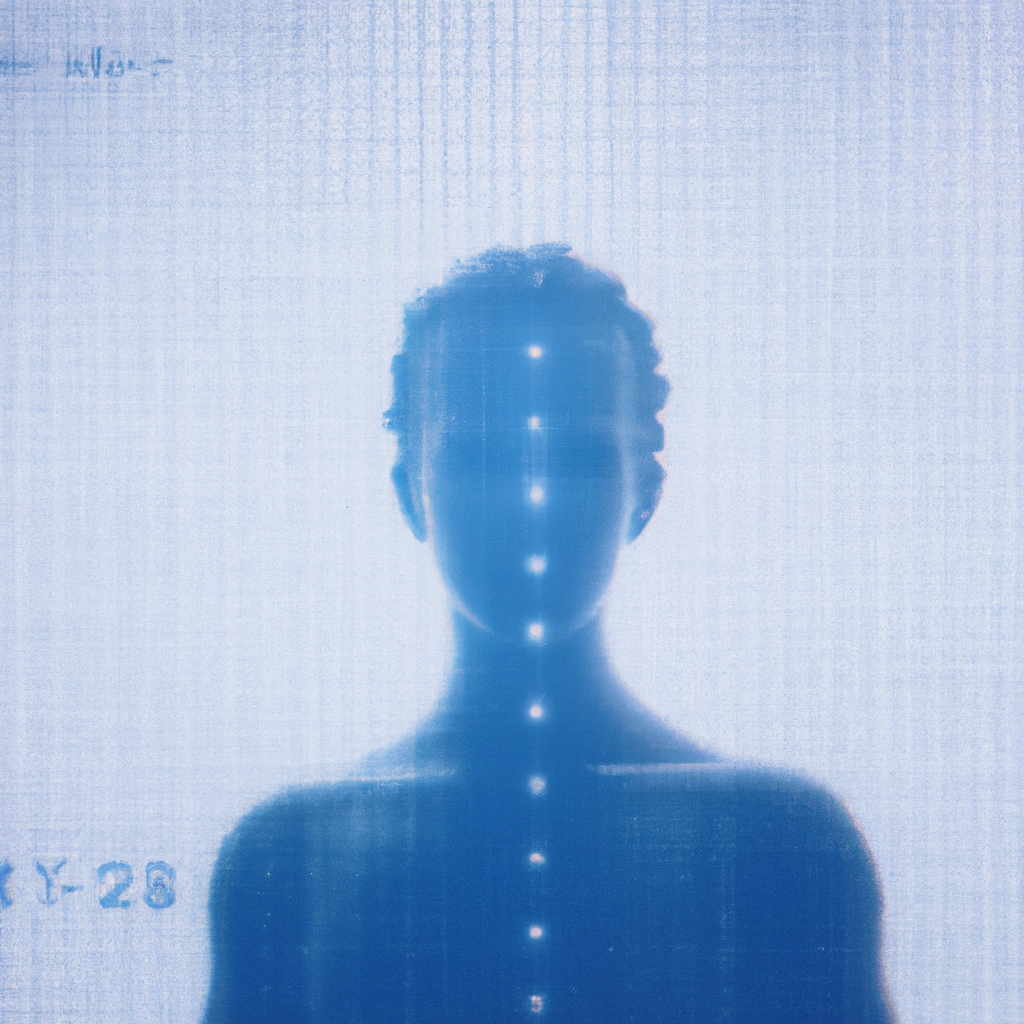
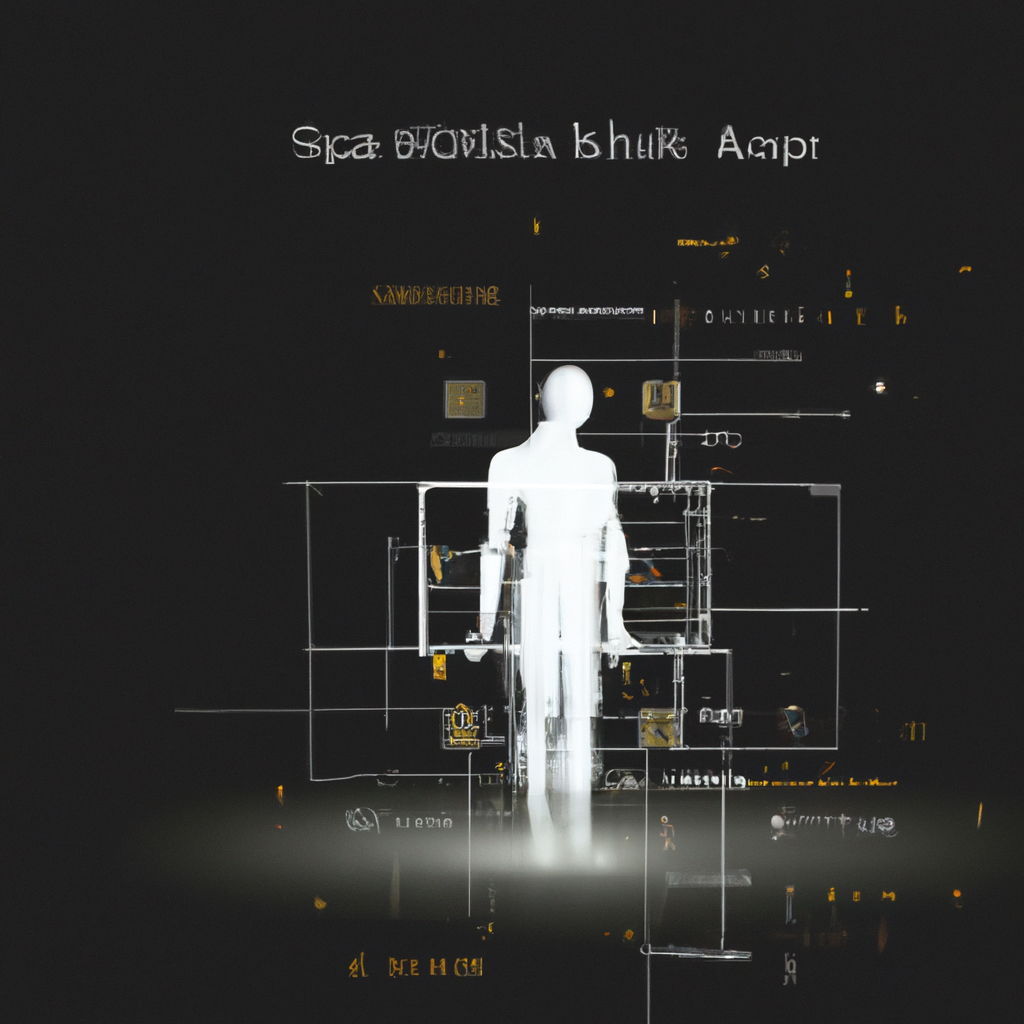
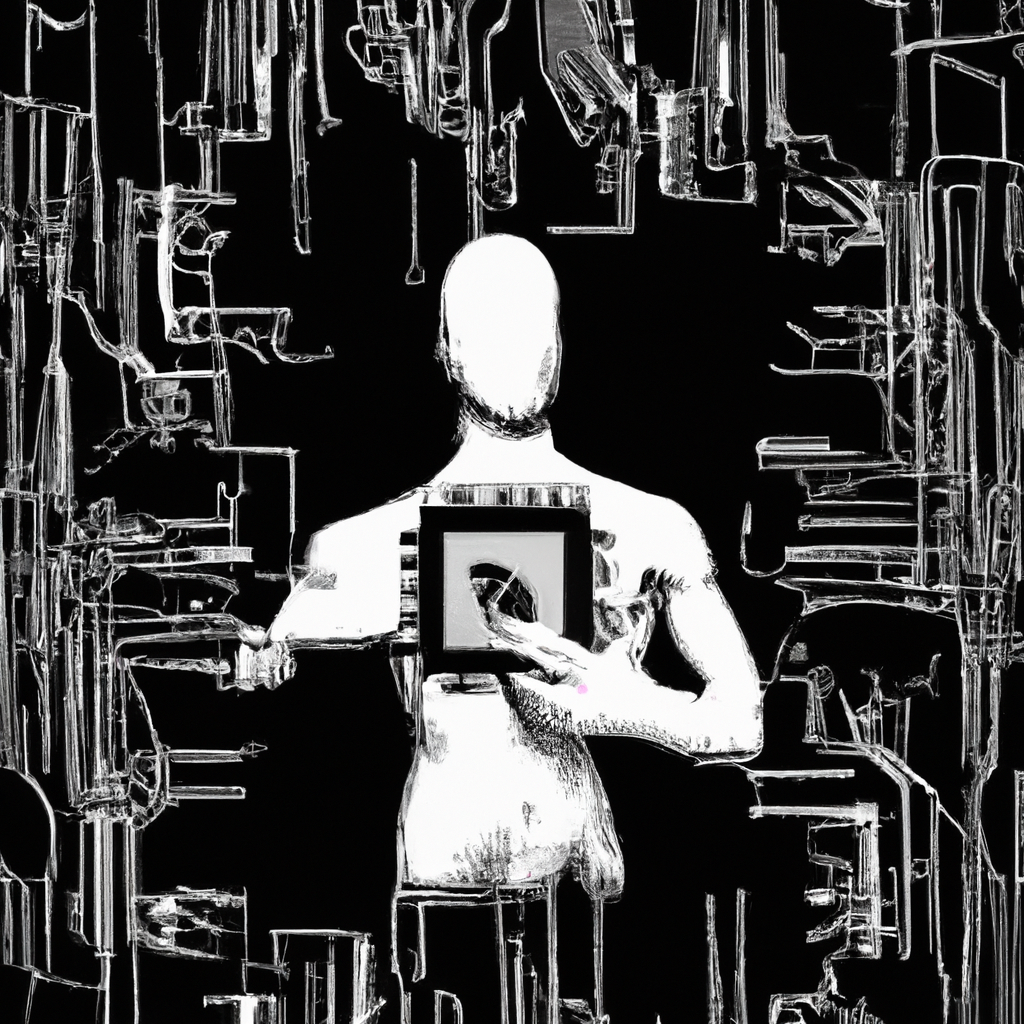
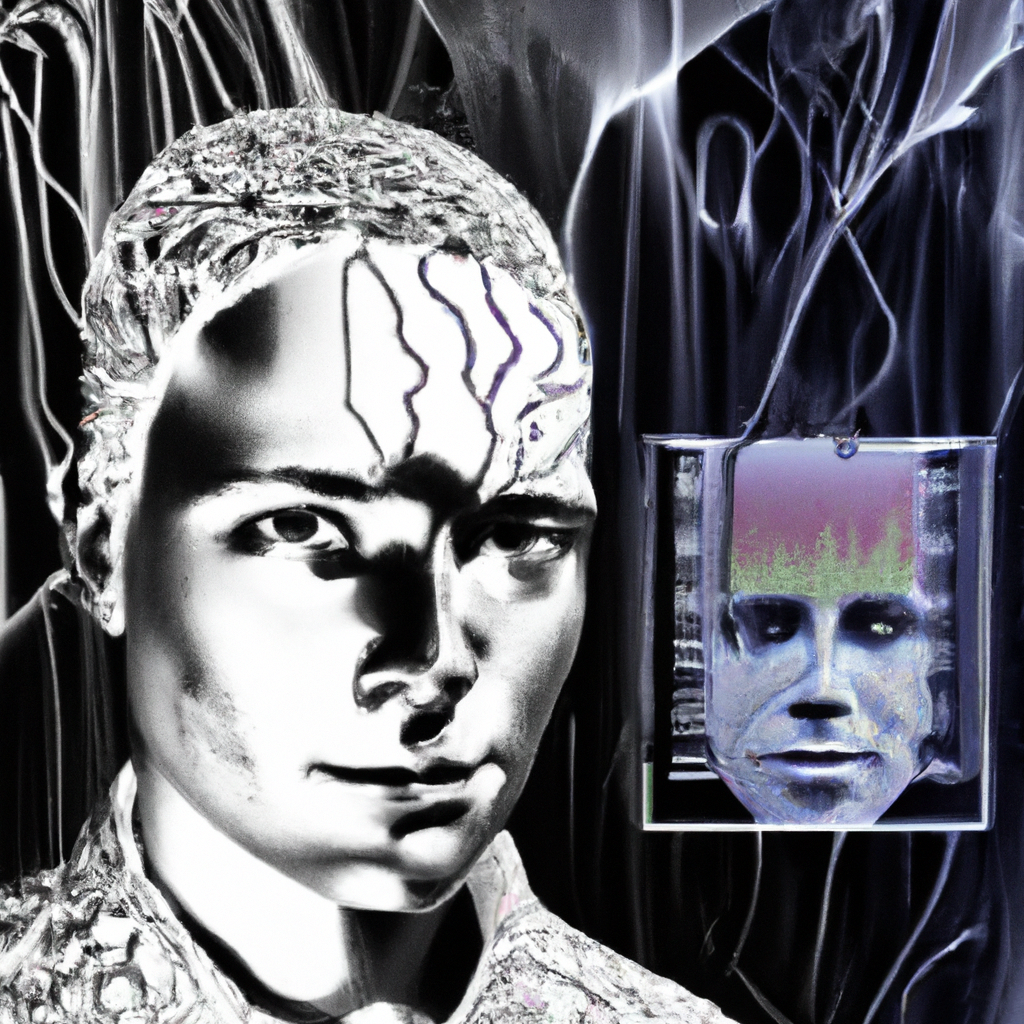
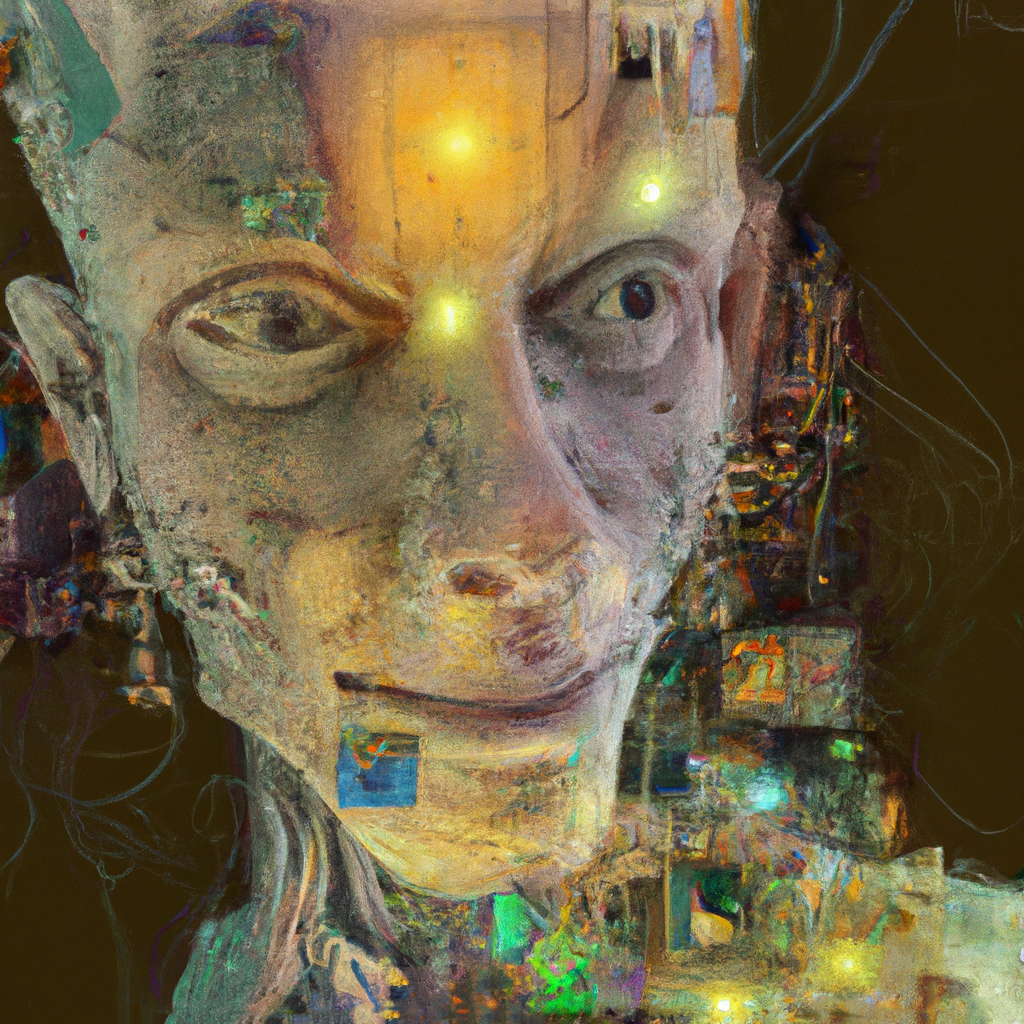
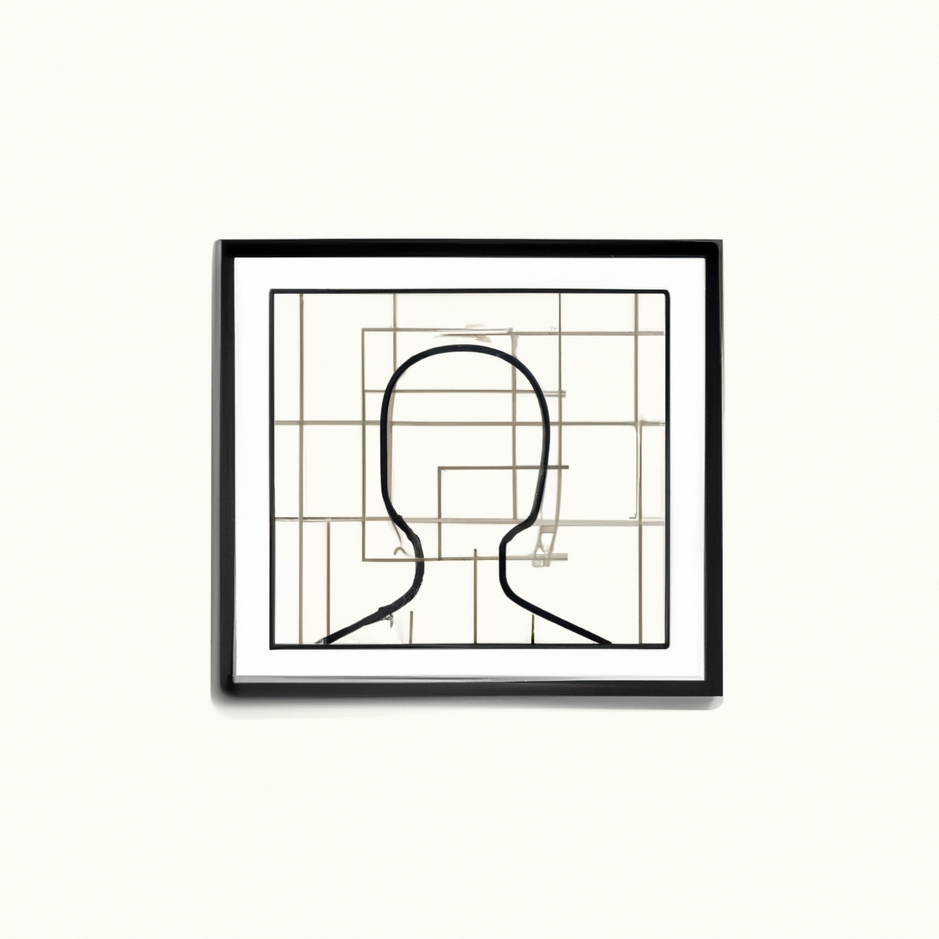
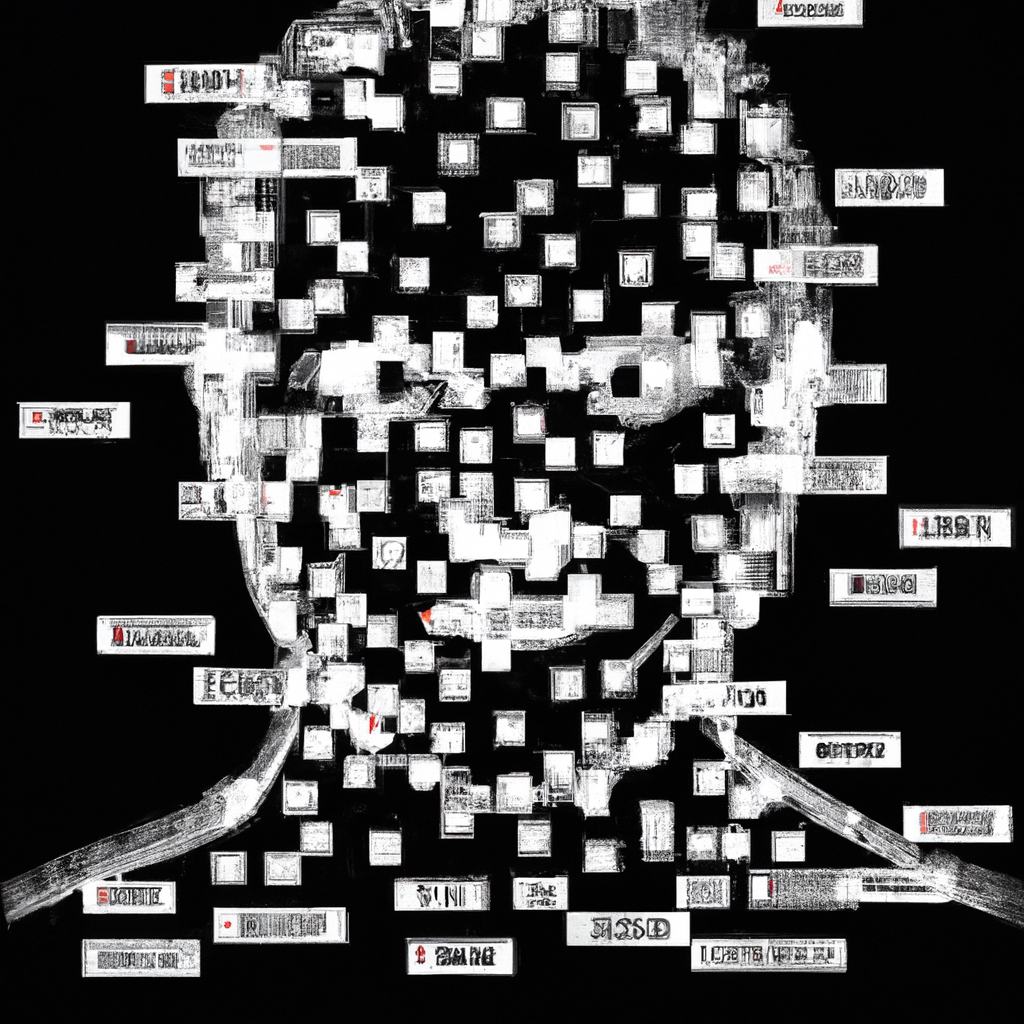
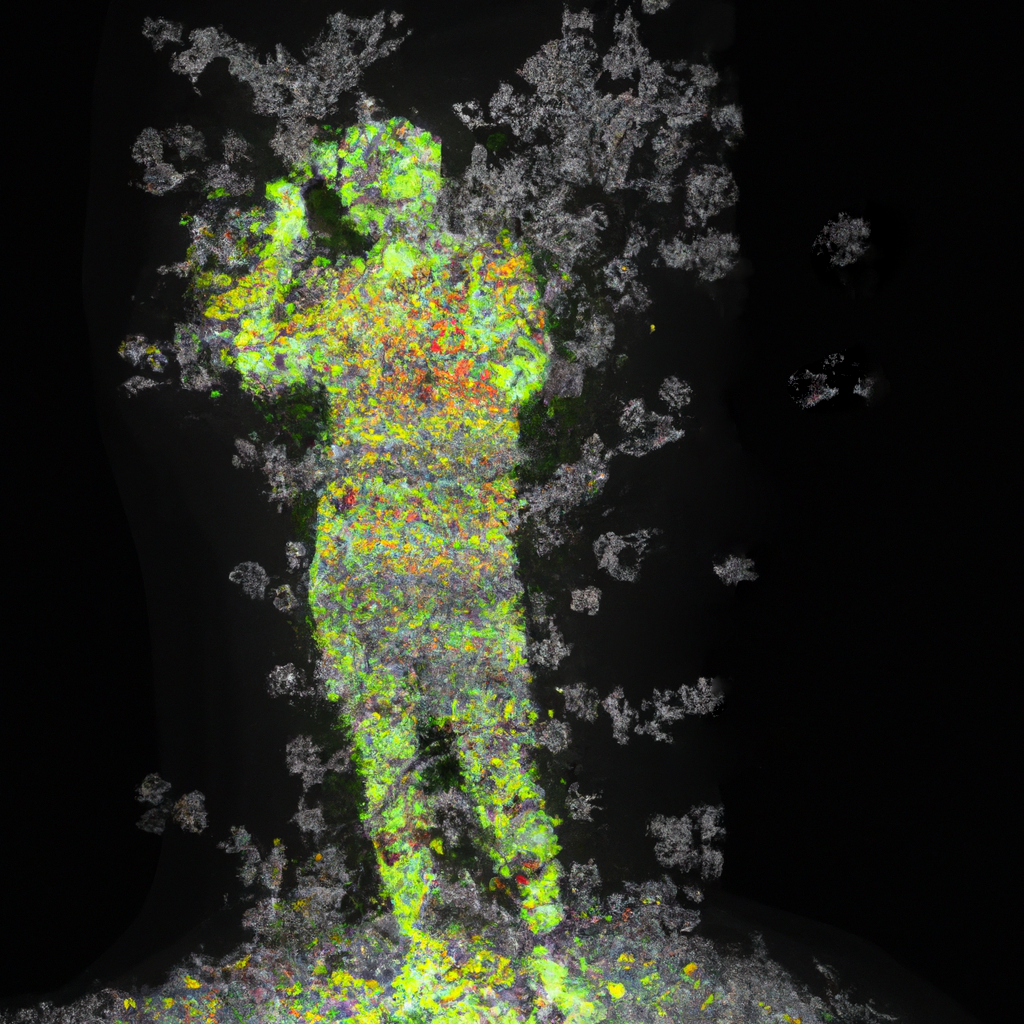
SELECTED PRESS
BBC — Eight Photos That Make Us Question What We See, interview ↗
Musée Magazine — Photography Through the Lens of AI, exhibition review ↗
Siilk Gallery — Maria Mavropoulou, interview ↗
NEO2 Magazine — Maria Mavropoulou: Technology and Intimacy, interview ↗
Tique — Six Questions: Maria Mavropoulou, interview ↗
INSTALLATION VIEWS
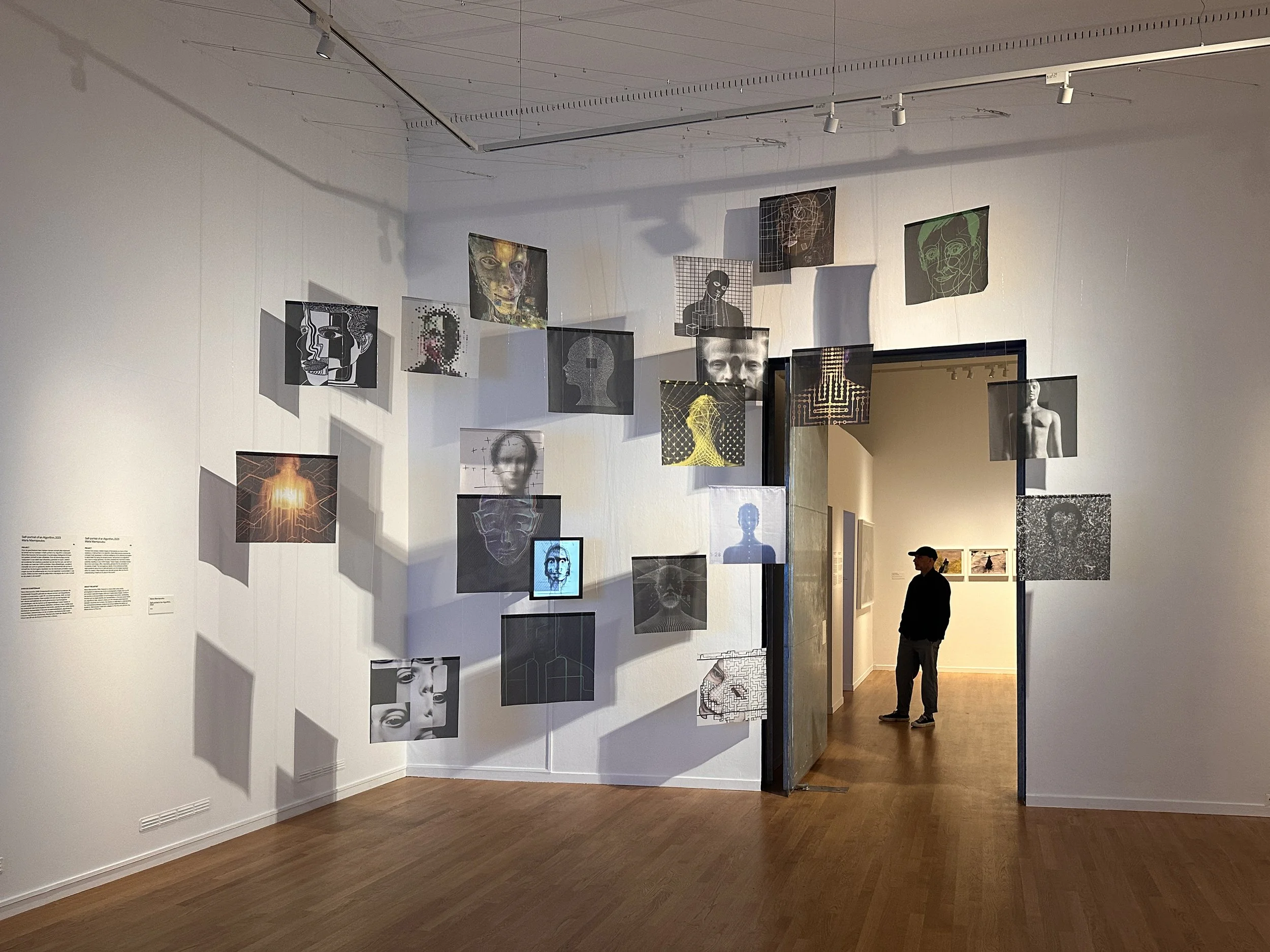
2024 Installation view, A self-portrait of an Algorithm at “Missing Mirror” FOAM Amsterdam, NL
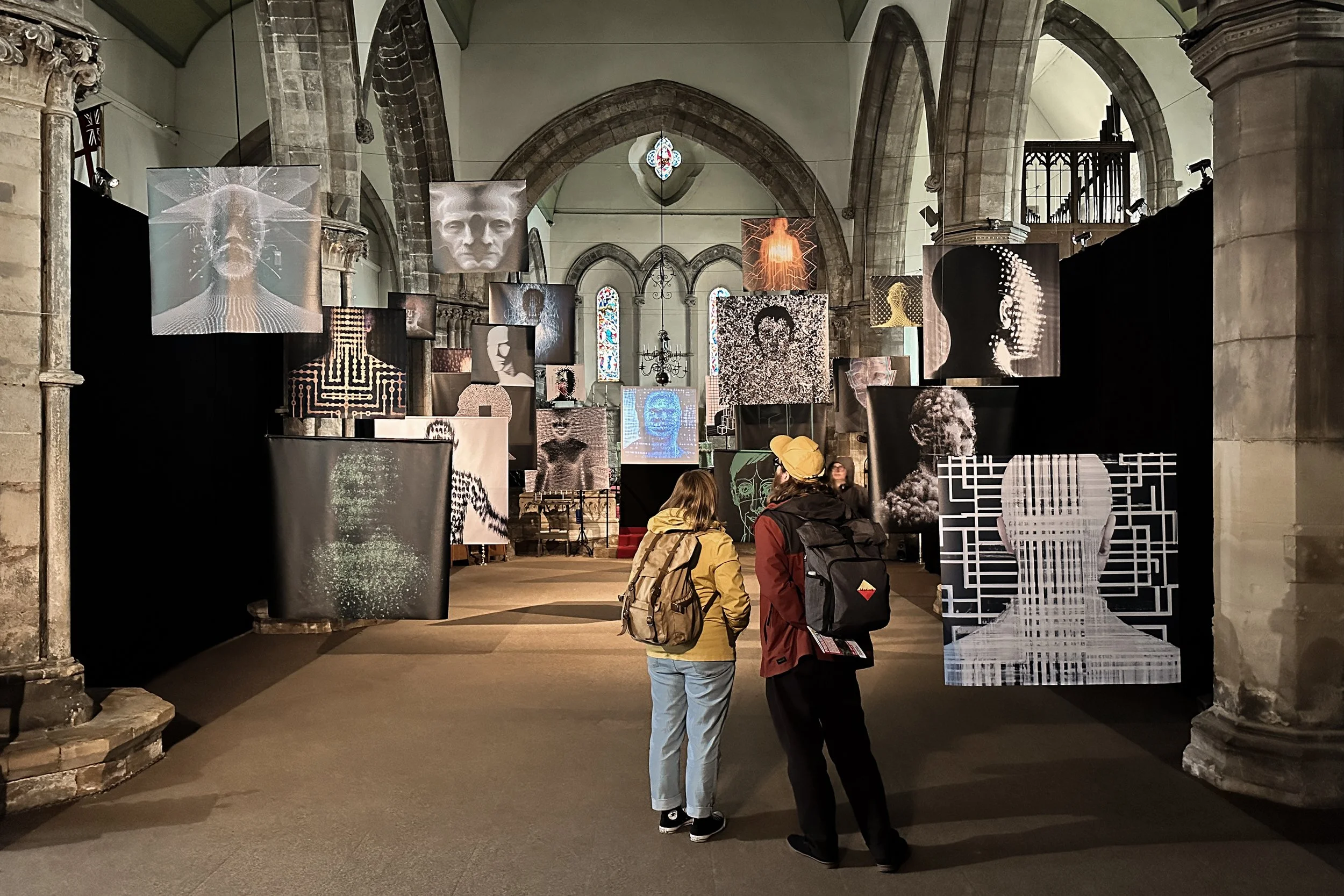
2023, Installation view at Frequency Festival, St. Mary le Wigford church, Lincoln, UK
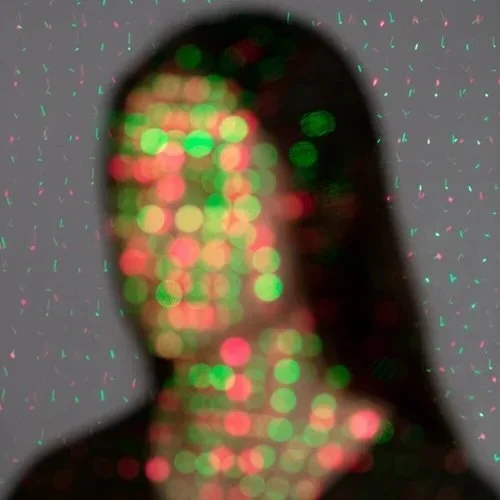
RELATED PROJECTS: Machine Vision, Self-Representation & Power
These works move between what machines see, how they picture themselves and the hierarchies formed between creator, tool and image.
Image Eaters 2020
Algorithms consume images and reorganize what becomes visible, shaping us while we continue to shape them.
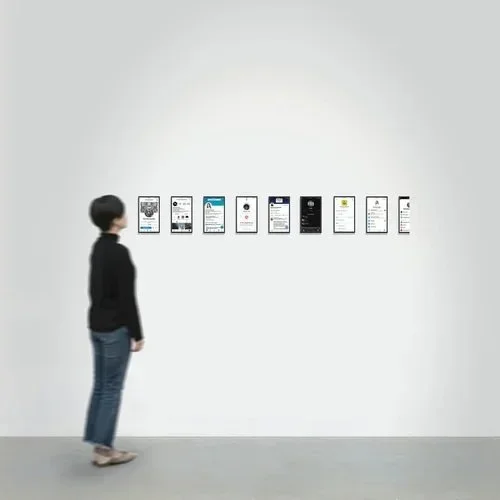
8,5 Faces 2020
A fractured online self is staged through multiple profiles, social-media personas and the continuous curation of identity.
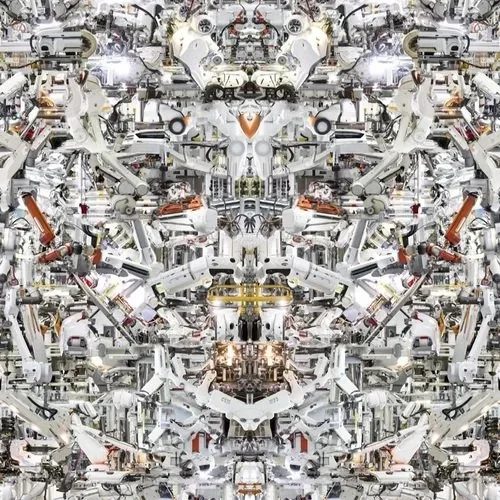
In Their Own Image 2022
Industrial structures become Technototems by exploiting the human brain’s face recognition function, exploring creativity as a divine force and shifting relations of power between humans and machines.
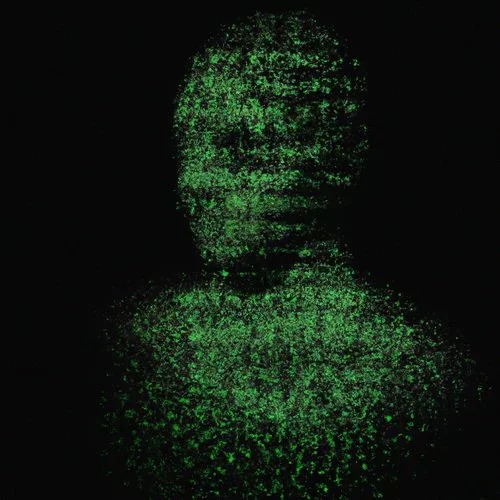
A Self-Portrait of an Algorithm 2022-2023
One hundred AI-generated self-portraits ask how an algorithm might picture itself, extending portraiture toward machine creativity, identity and the possiblity of sentience.
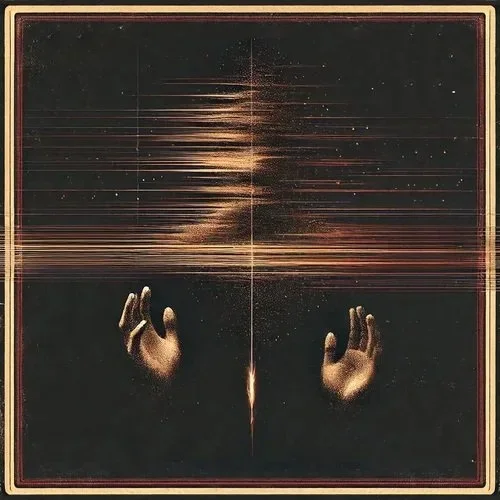
The Sleight of the Machine 2025
A short film turning AI’s limitations into a self-referential spectacle while concealing the systems of labor and power behind its apparent autonomy.