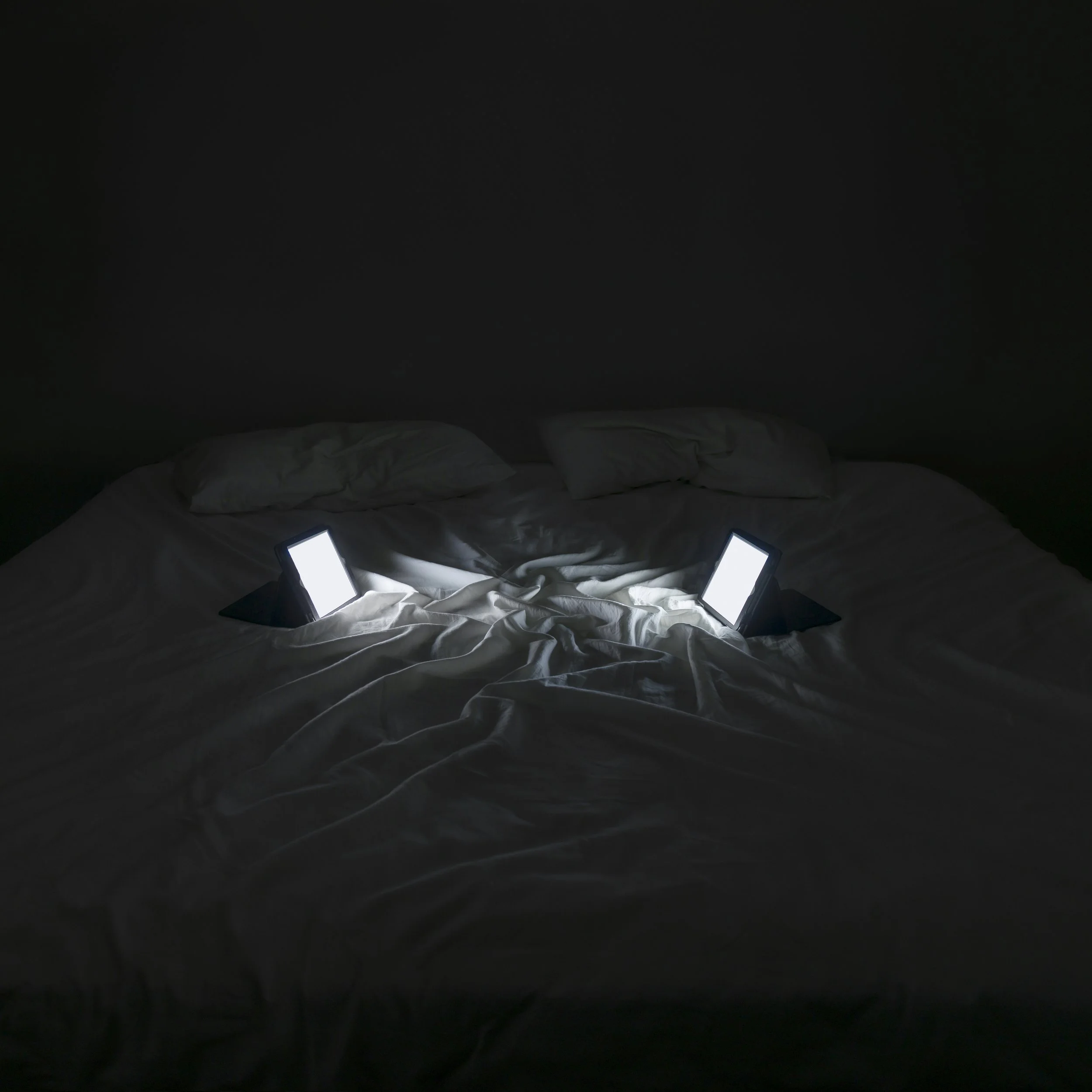
The Lovers
Family Portraits
The screens of the connectible devices we use are the only way we can have access to this parallel man-made universe, the Internet. Our lives have changed, from the simplest task to the way we perceive the world around us. Those devices guide us trough the real world, they answer our questions, they advice us and keep us company day and night. We look at them, touch them and talk to them in almost an intimate way.
Acknowledging these facts made me look at these devices from a different perspective. In this series I create family portraits of devices, reversing the subject/object relation. In this casual scenery of our everyday life, our comfort zones this multitude of glowing immersive gates, like an opposite of black holes, promise limitless possibilities. Information, entertainment, human connection and much more, are available anywhere and anytime, breaking the physical bond with the reality that surrounds us.
Never before had communication been so easy. Social networks and countless applications are created to serve our constant need for human connection but is there any chance that we have achieved the opposite?
Having for the first time in history such an easy and direct access to a huge and constantly increasing volume of information has made us wiser or are we just creating a detailed and multidimensional mirror of ourselves where we constantly seek our reflection as a confirmation of our existence? Or do these ‘’extensions of our hands’’ have actually replaced our best friends, our family or even our lovers?
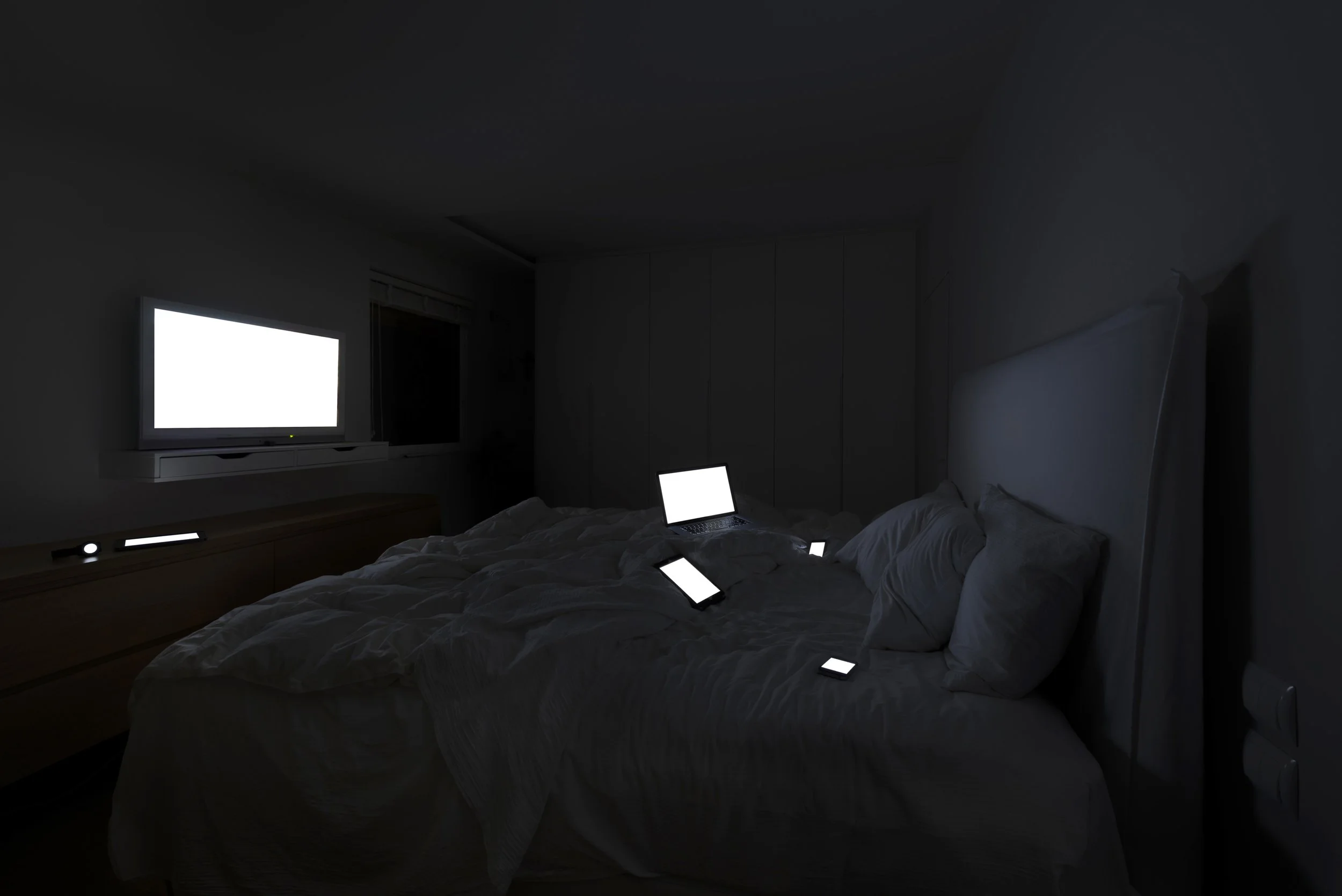
Sunday Afternoon
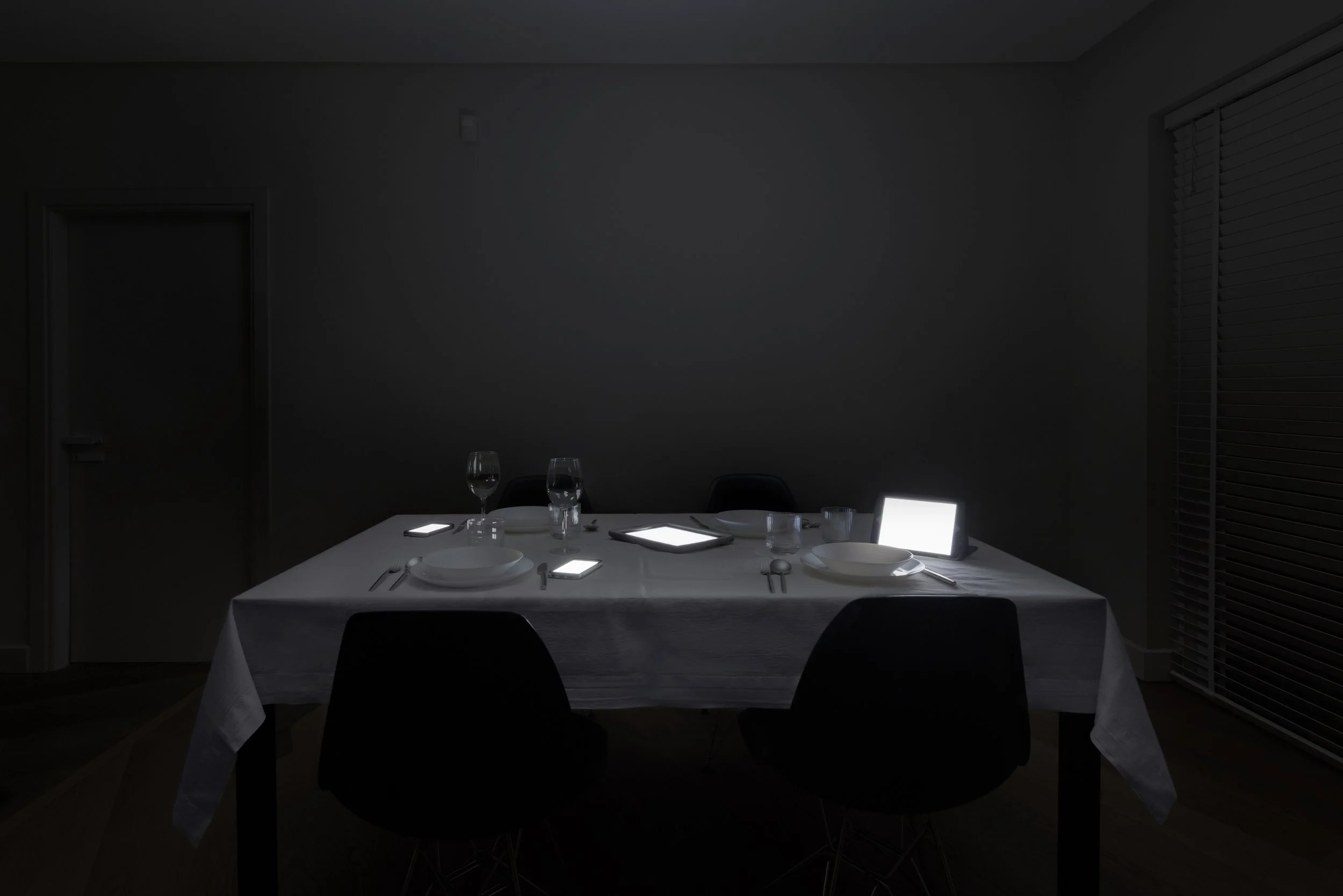
Anniversary Dinner
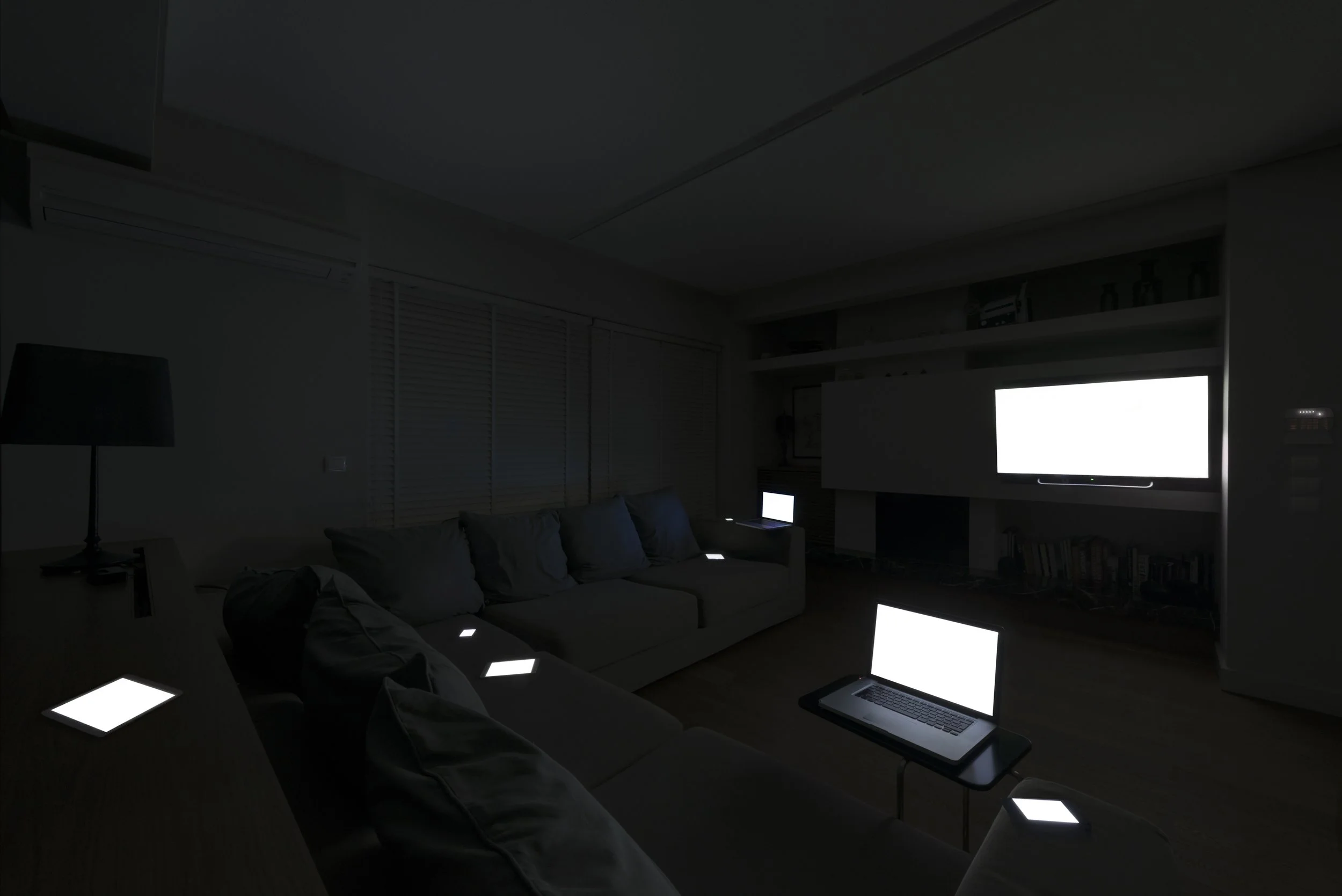
Evening with Friends
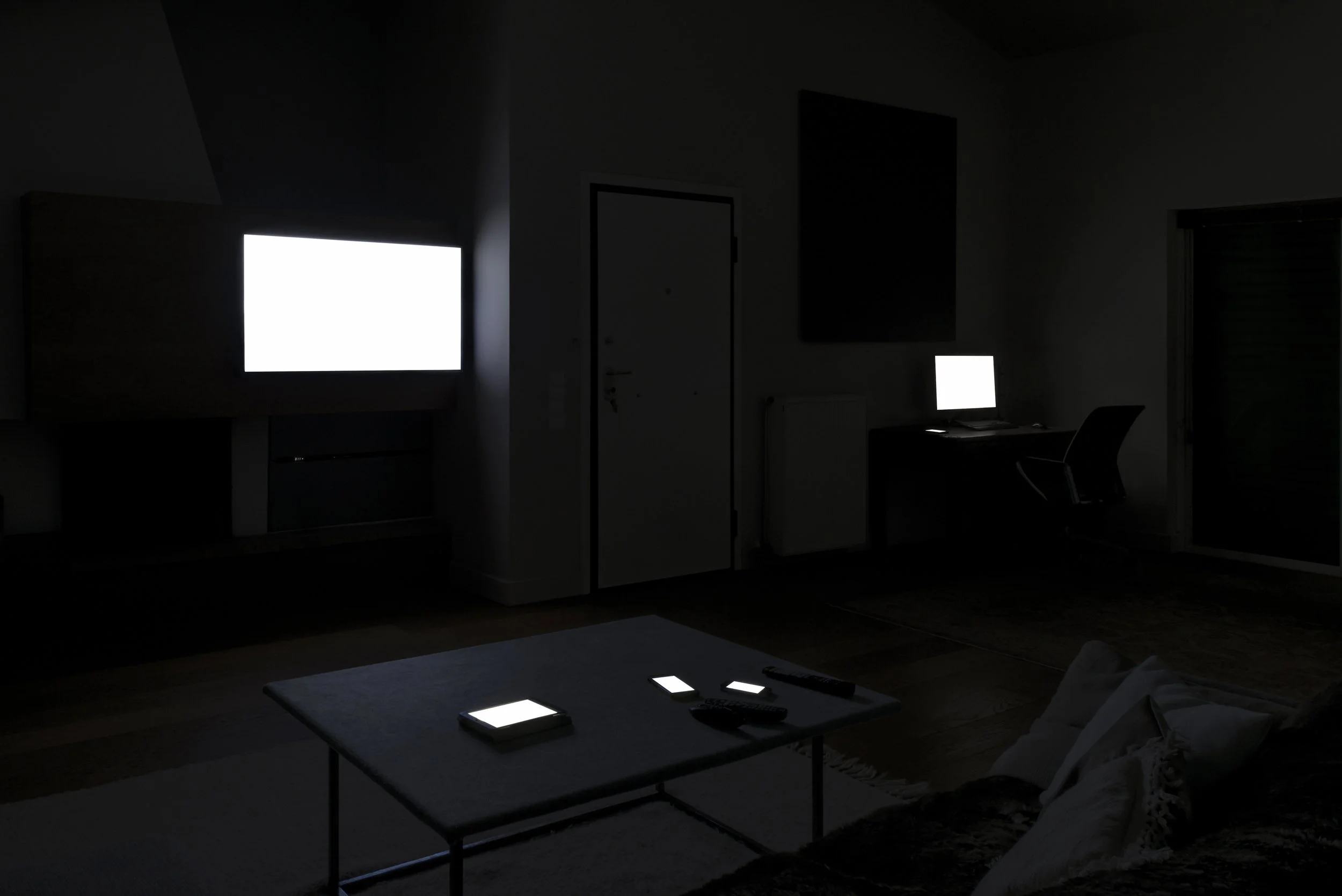
Uncle’s Visit
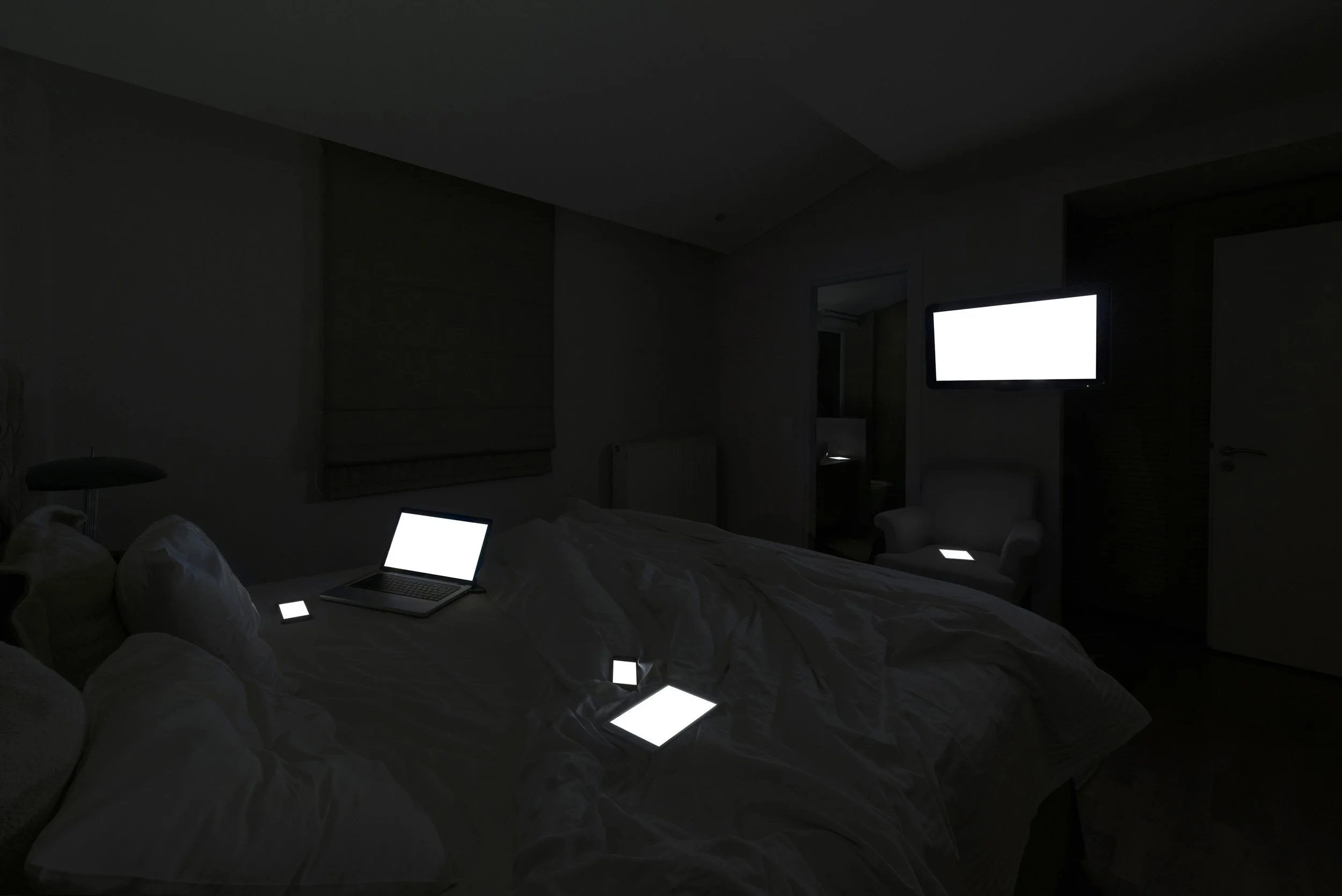
Breakfast in Bed
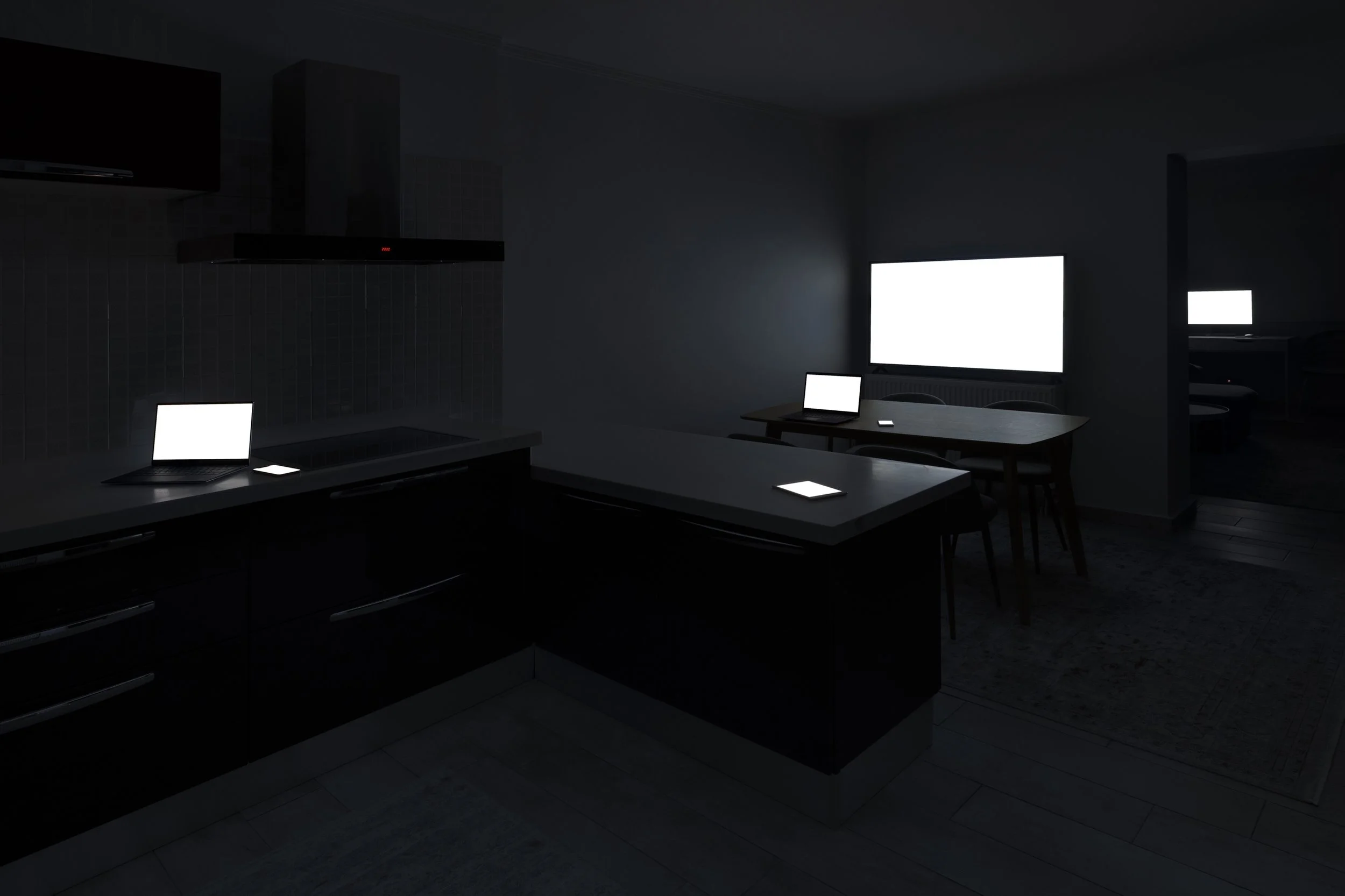
The Gathering
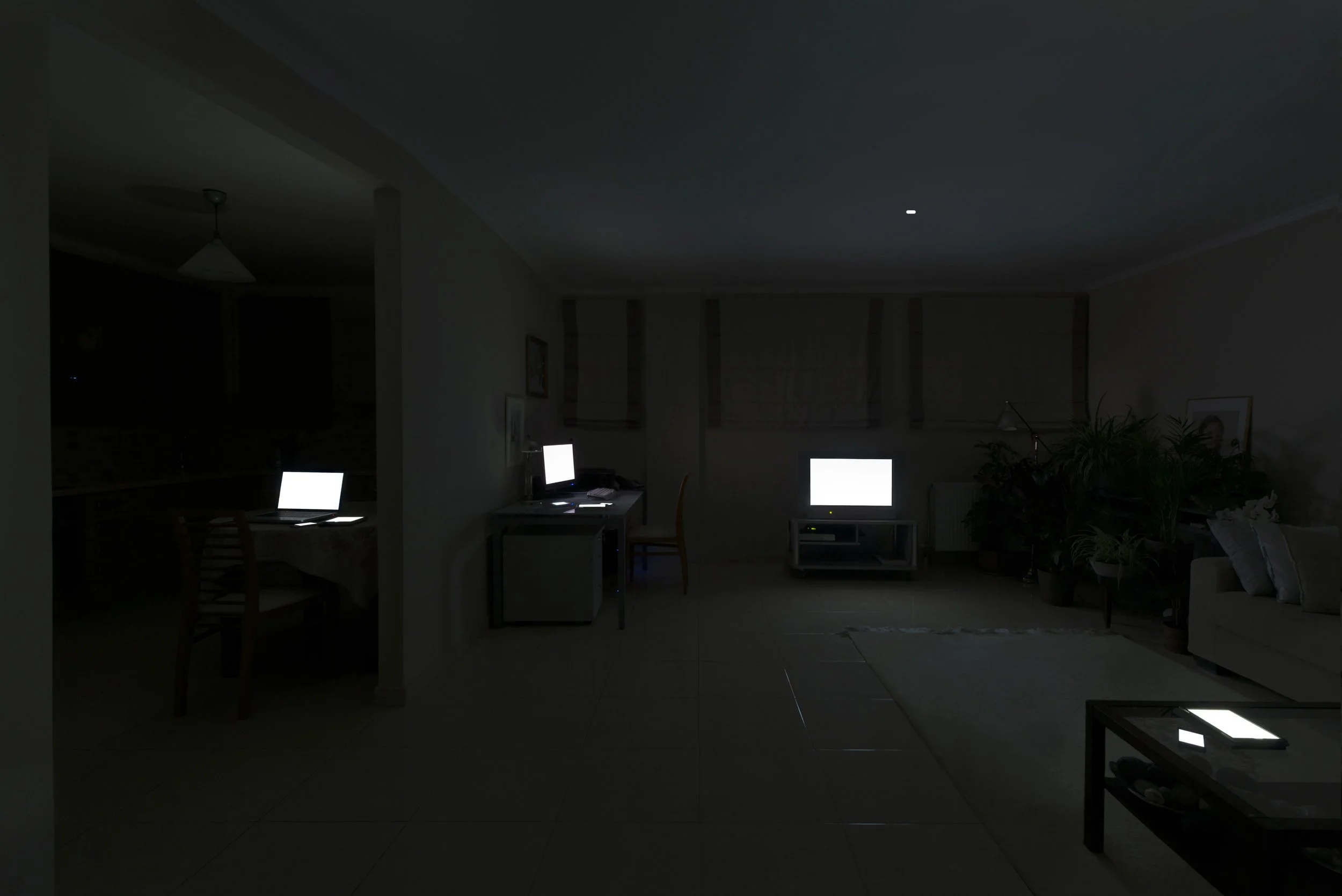
Movie Night
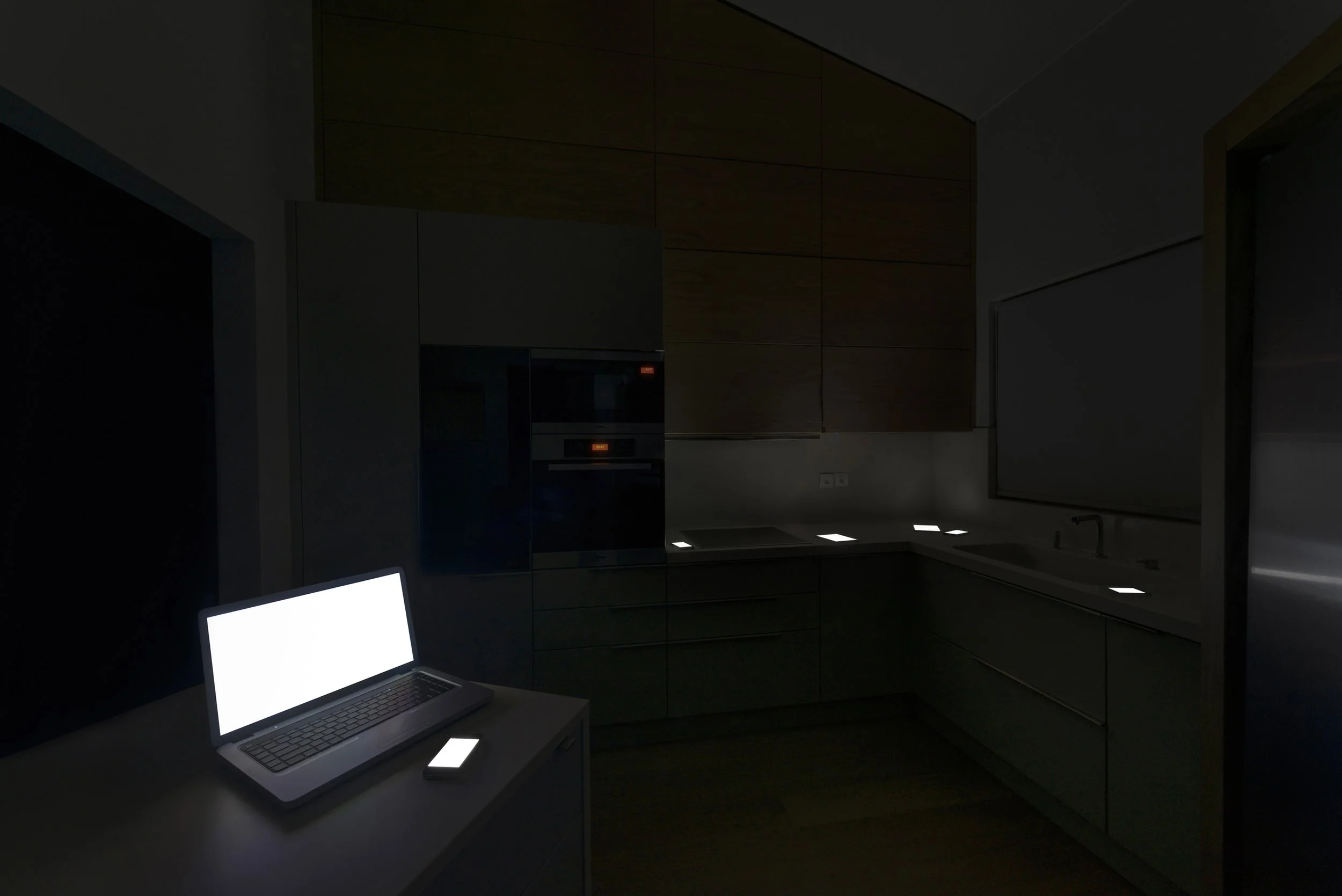
Birthday Party
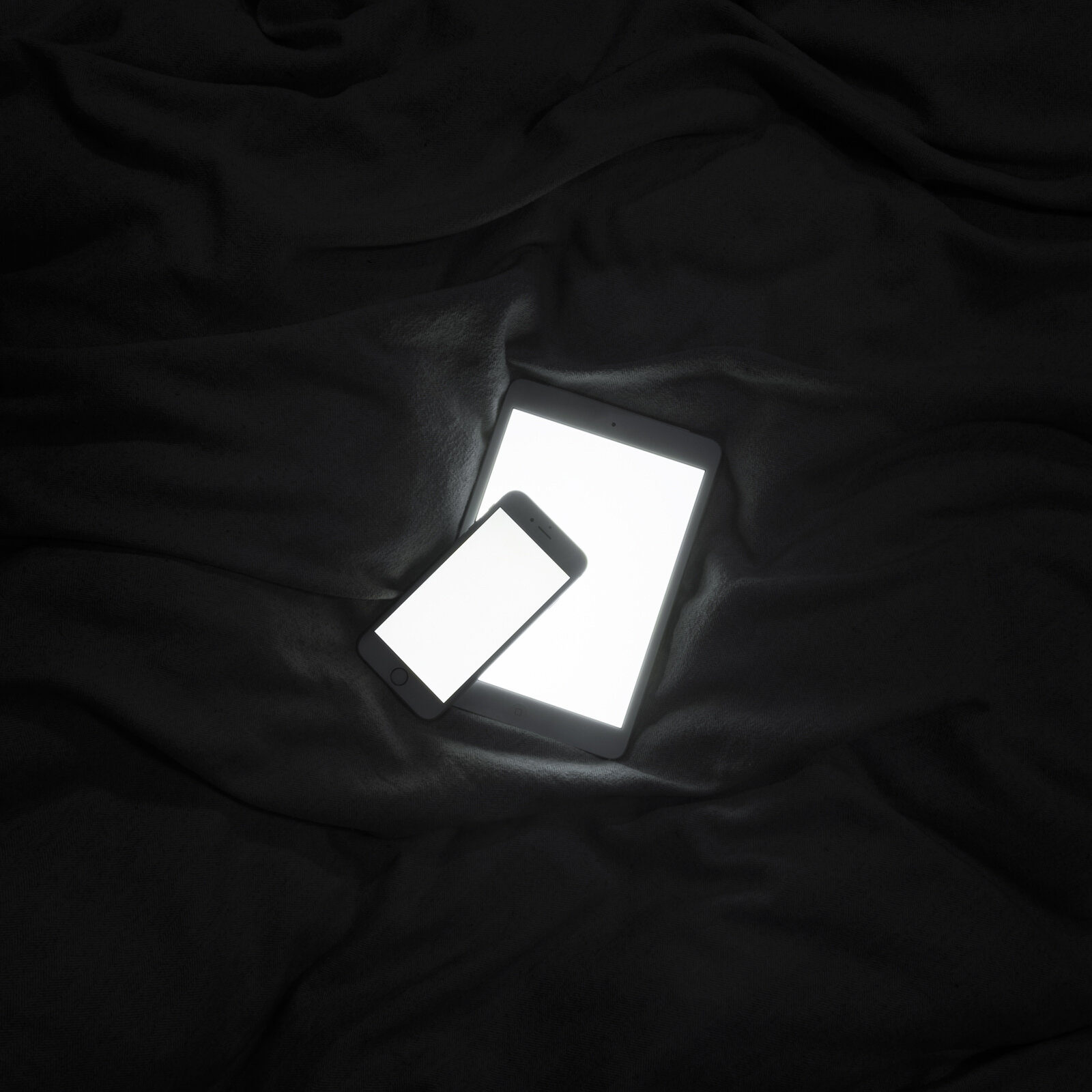
The Hug
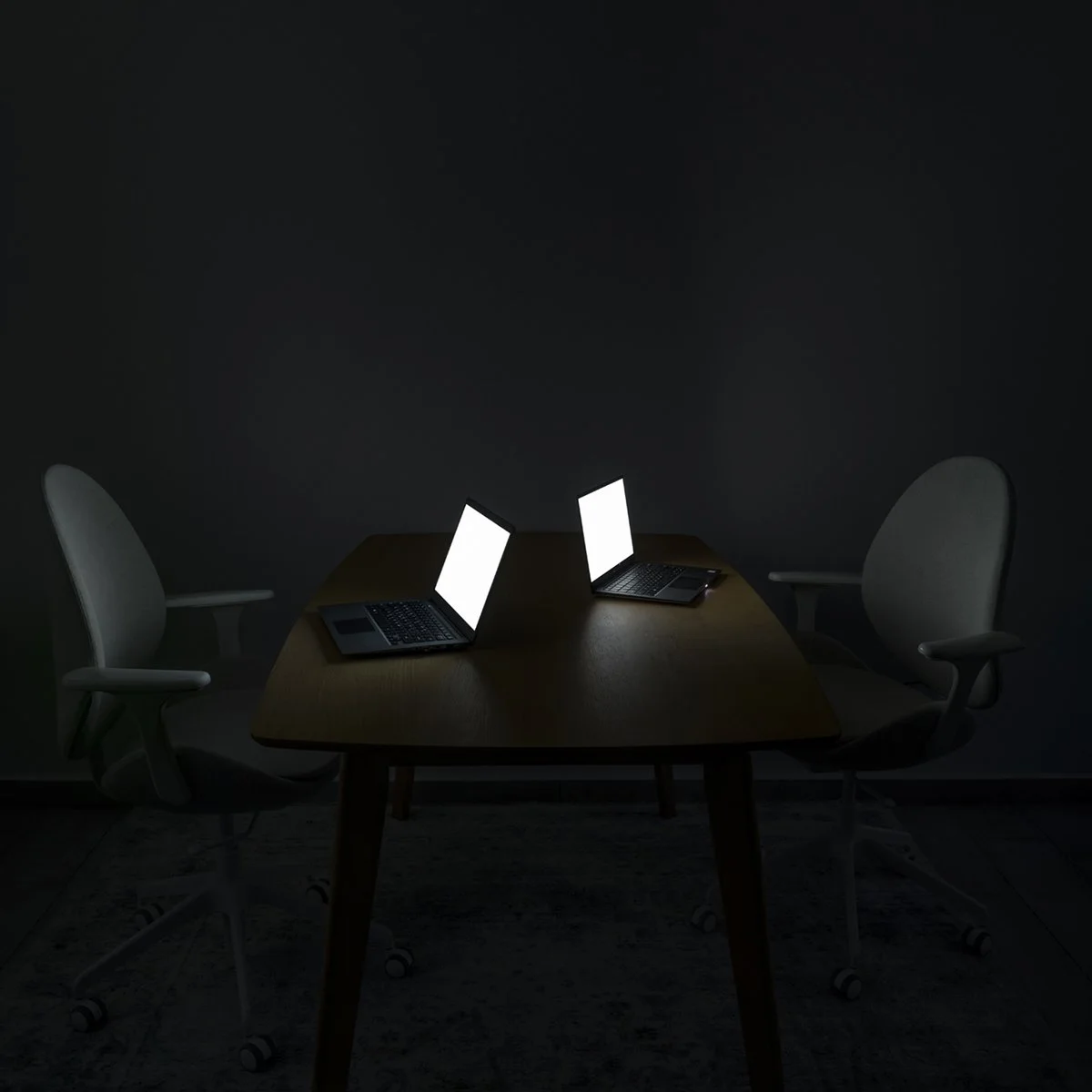
The Strangers
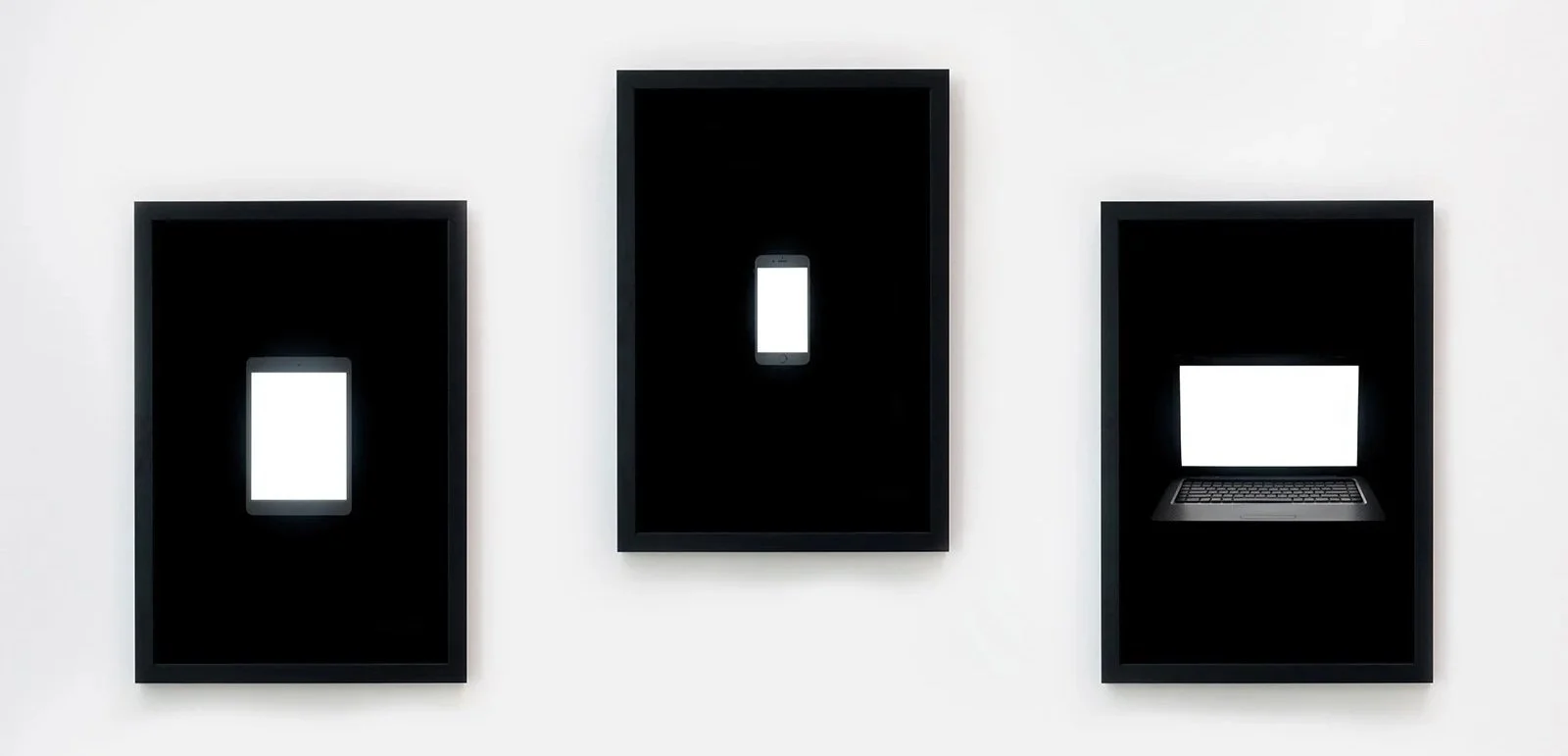
Holy Trinity
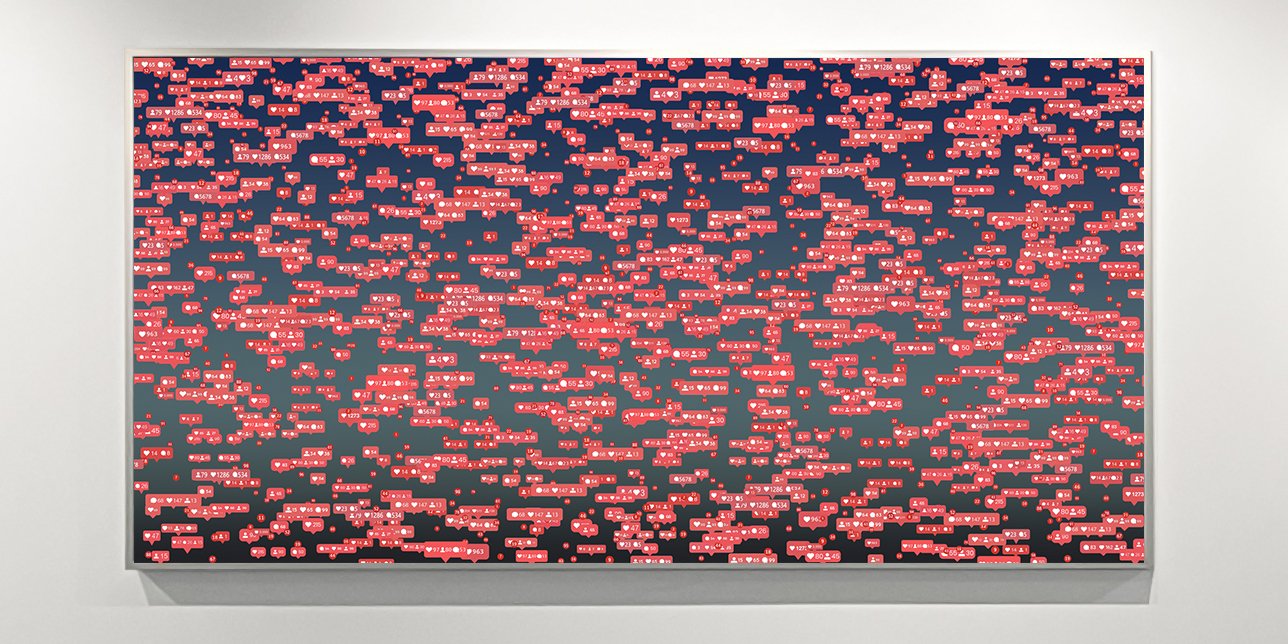
Numeric Love
Although Family Portraits started as a photography series it soon evolved into a Virtual Reality tour too.
The main idea of this VR tour was to create a house interior that is a common experience for most of us, but make the visitor feel as an intruder in somebody else’s house. By depriving the familiar feeling one perceives the rather usual scenery as extraordinary, letting him evaluate the situation he is into with a fresh perspective.
Inside this virtual installation photography is the building block of an experience. Being surrounded by a photograph that looks nearly as real as reality poses even more questions about what photography is and where that leads us.
Furthermore the screens inside the virtual tour are navigable also. Just by looking at them the viewer is transferred inside them, experiencing environments that exist only digitally. Immerged into videos and surrounded by sounds the real and the virtual come closer, making it difficult to rely on your senses.

360 Video still, part of Family Portraits VR tour, 2019
360 Video still, part of Family Portraits VR tour, 2019

360 Video still, part of Family Portraits VR tour, 2019

panoramic 360 image, part of Family Portraits VR tour, 2019
Installation Views
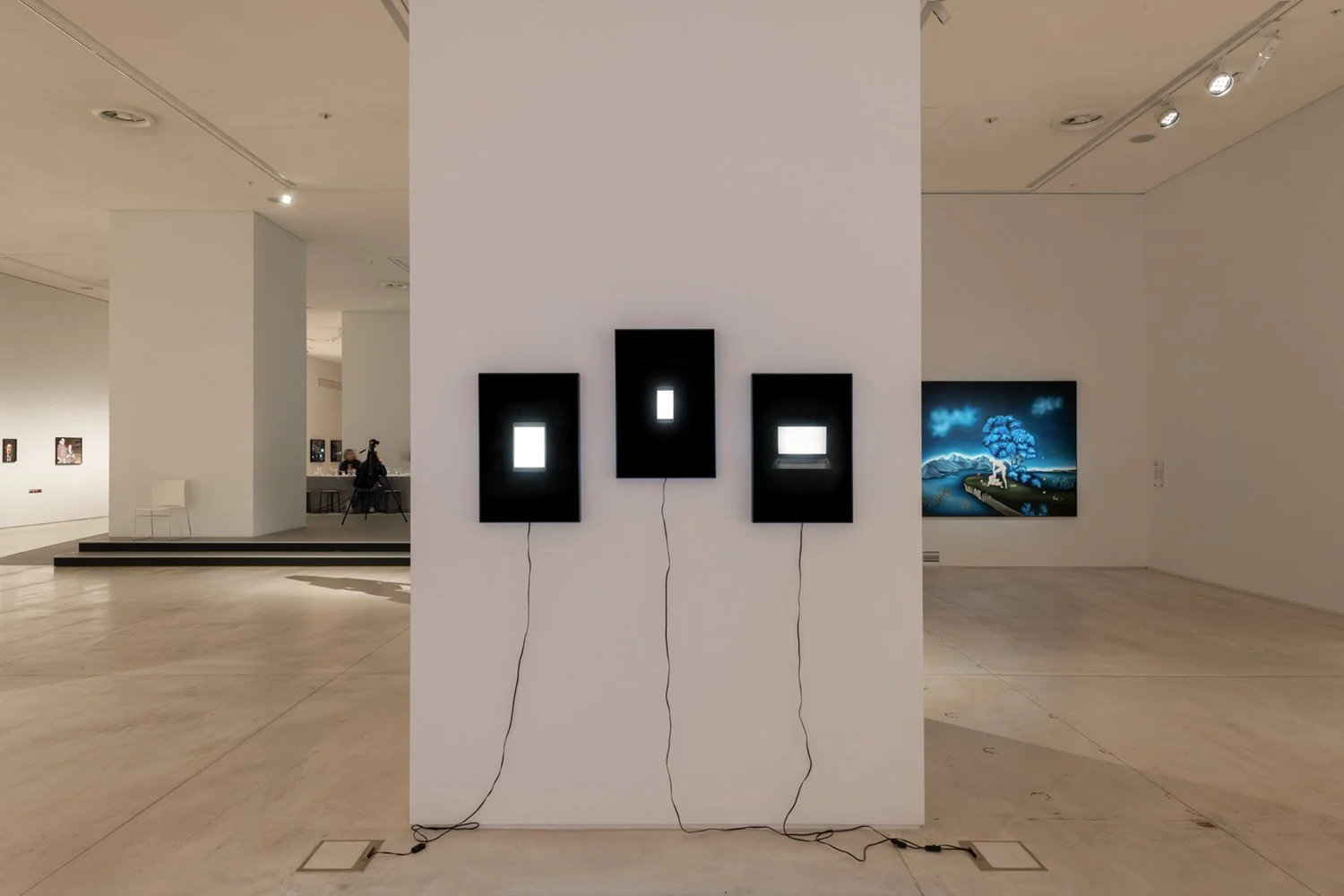
2023/ Installation view of Modern Love (or love in the age of cold intimacies) National Museum of Contemporary Art (EMST), Athens, Greece
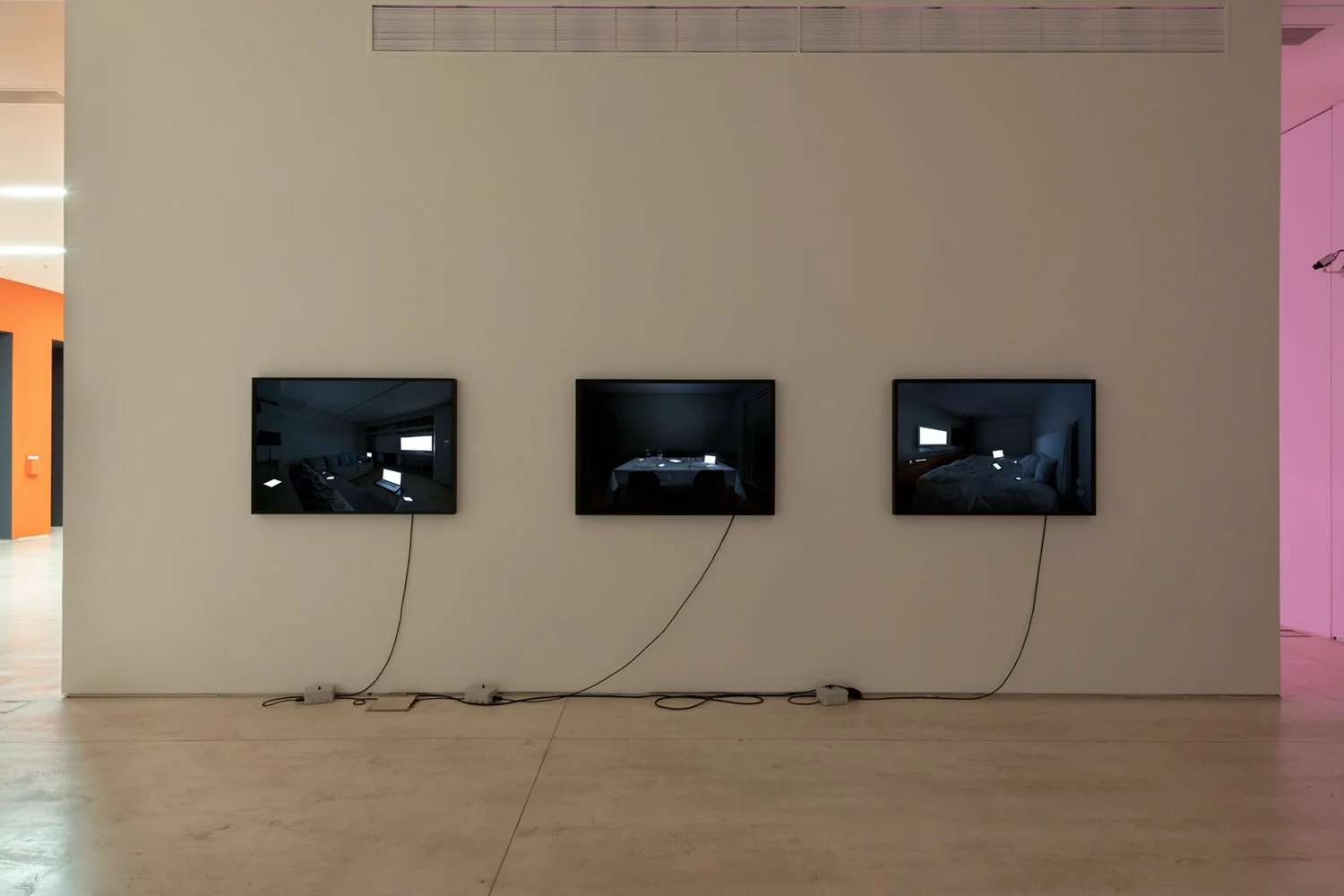
2023/ Installation view of Modern Love (or love in the age of cold intimacies) National Museum of Contemporary Art (EMST), Athens, Greece
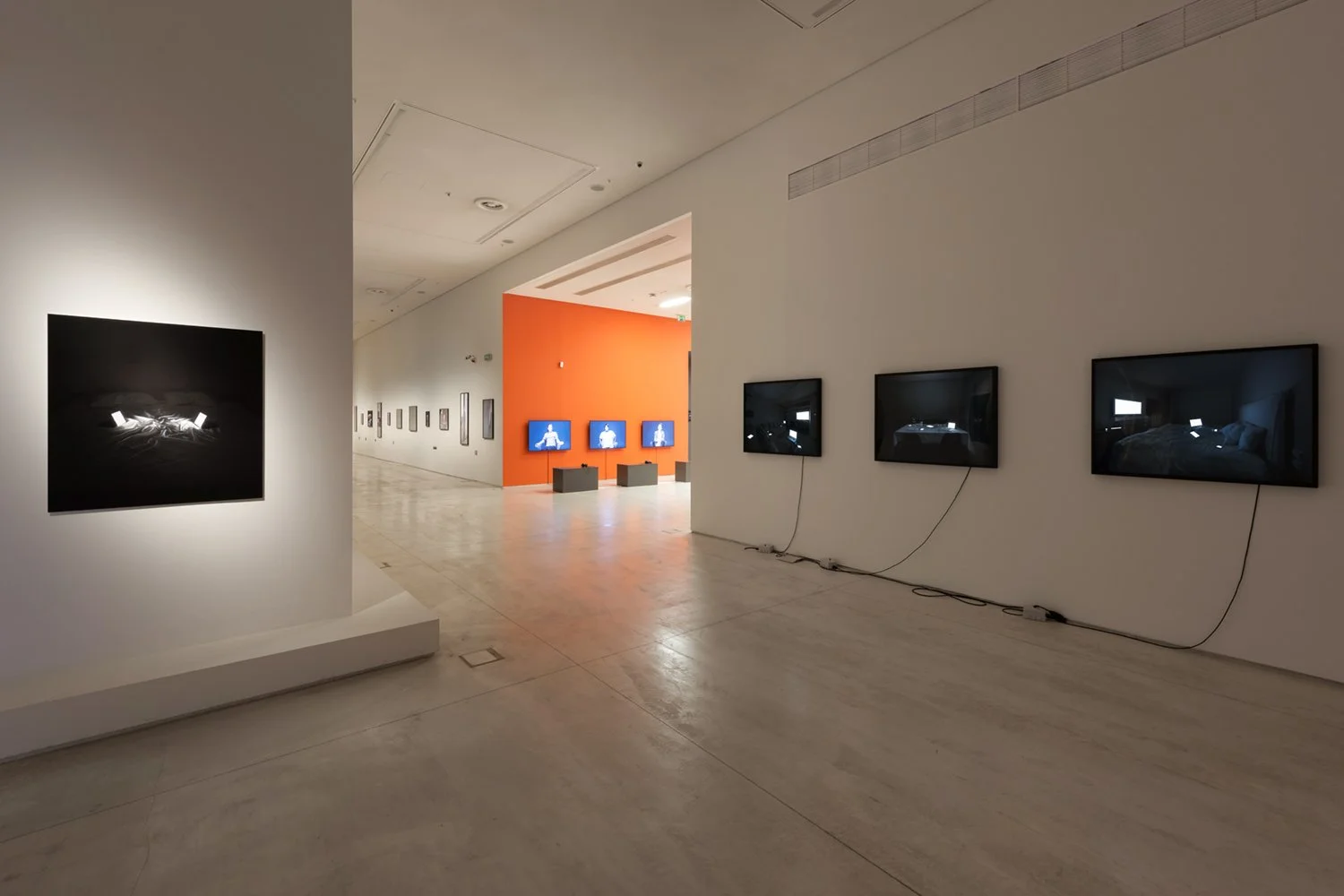
2023/ Installation view of Modern Love (or love in the age of cold intimacies) National Museum of Contemporary Art (EMST), Athens, Greece
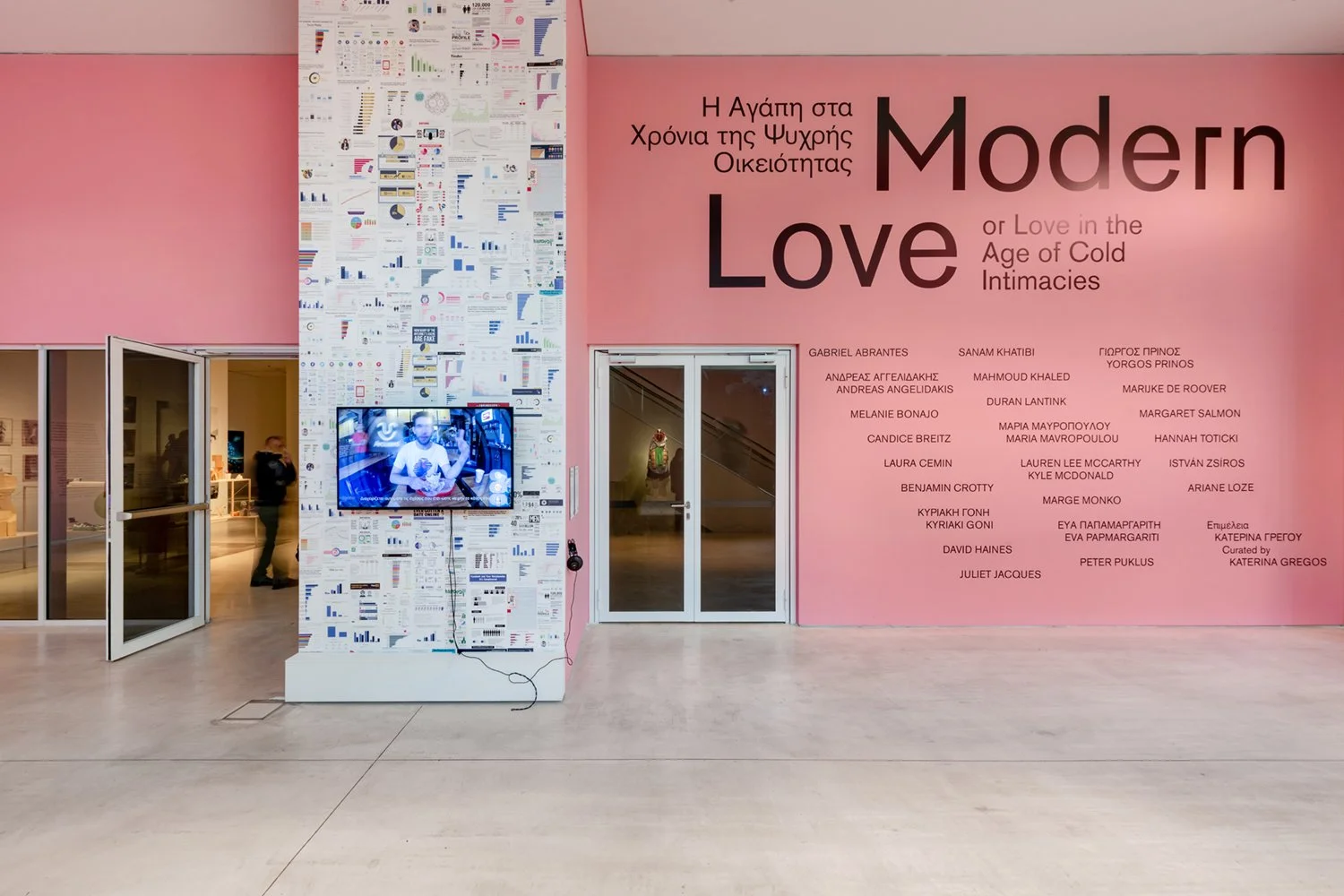
2023/ Installation view of Modern Love (or love in the age of cold intimacies) National Museum of Contemporary Art (EMST), Athens, Greece
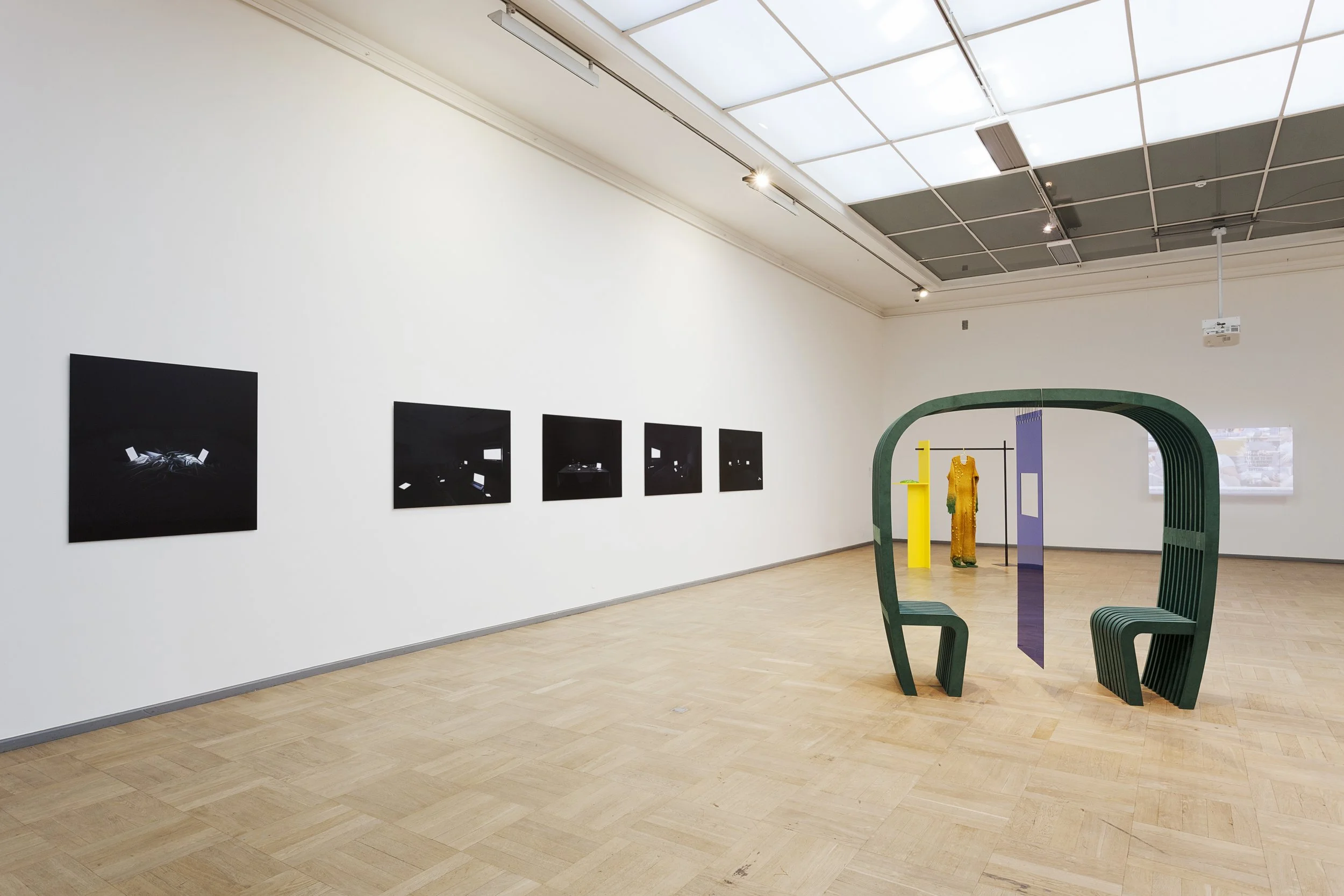
2021/ Installation view of Modern Love (or love in the age of cold intimacies) Tallinn Art Hall, Estonia
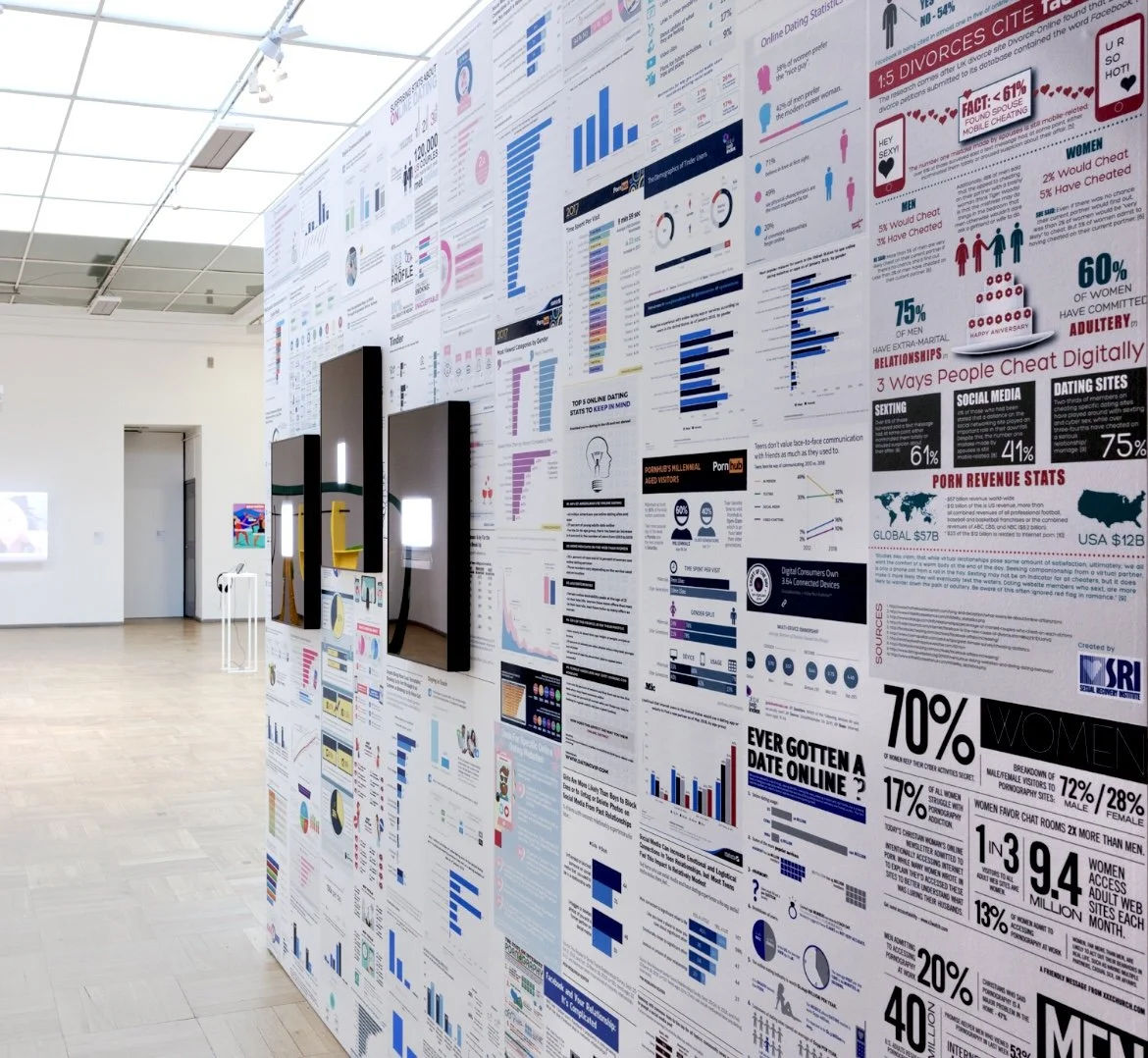
2021/ Installation view of Modern Love (or love in the age of cold intimacies) Tallinn Art Hall, Estonia
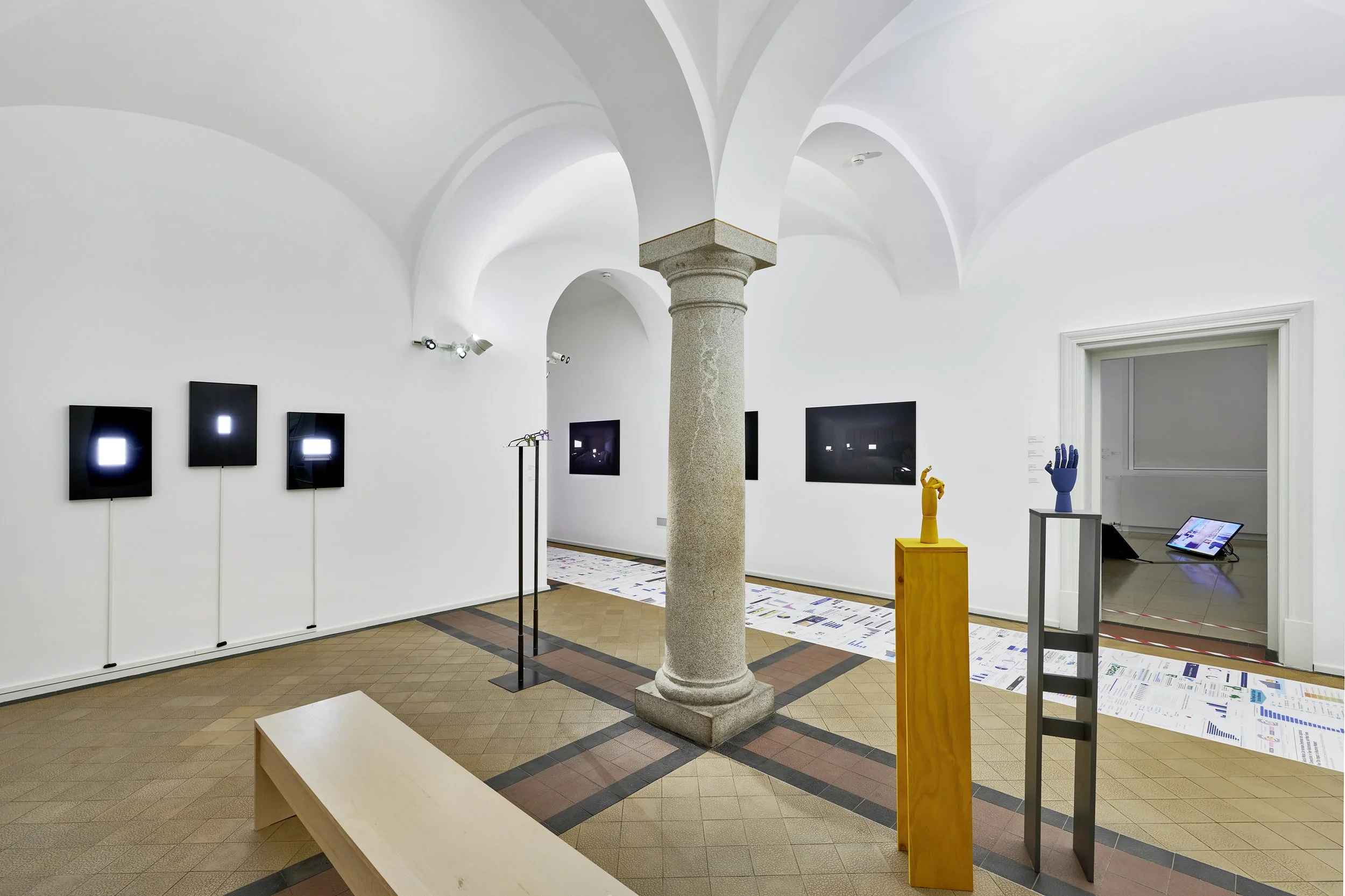
2021/ Installation view of Modern Love (or love in the age of cold intimacies) Museum für Neue Kunst, Freiburg, Germany

2019 / Installation view of “Family Portraits VR” at 60th Thessaloniki International Film Festival’ s VR section, Warehouse 1, Thessaloniki, Greece.


2019 / Family Portraits VR tour, part of “For ever more images?” exhibition at Onassis cultural centre, Athens, Greece.
2019 / Family Portraits VR tour, part of “For ever more images?” exhibition at Onassis cultural centre, Athens, Greece.
SELECTED PRESS
und. Athens / Vast Data, Vast Isolation: The Family Portraits Series by Maria Mavropoulou / interview / english
EMST / Maria Mavropoulou: Family Portraits / institutional essay / english
Lenscratch / Focus on Portraiture: Maria Mavropoulou: Family Portraits / essay / english
PetaPixel / Family Portraits of the Devices That Have Replaced Human Interactions / essay / english
L’Œil de la Photographie / Maria Mavropoulou: Family Portraits / portfolio / english - french
PHROOM / Family Portraits / portfolio / english
Dodho / Family Portraits by Maria Mavropoulou / portfolio / english
Urbanautica / Family Portraits / portfolio / english
Kwerfeldein / Maria Mavropoulou: Family Portraits / portfolio / german
gooood / Family Portraits by Maria Mavropoulou / portfolio / english - chinese
Nom Studios / Artist Interview: Maria Mavropoulou / interview / english
Photologio / Maria Mavropoulou — Family Portraits / portfolio / greek
East East / Digital Labor Between Germany and Romania / essay / english
Thessaloniki International Film Festival / Family Portraits — Special Mention / official festival recognition / english

RELATED PROJECTS: Archives, Human and Machine Memory
The family album, displacement and technological memory become unstable archives where personal history is reconstructed, inherited or lost.
Imagined Images 2021- 2023
A historically early AI reconstruction of a missing family photo album, examining migration, inherited memory and synthetic remembrance.
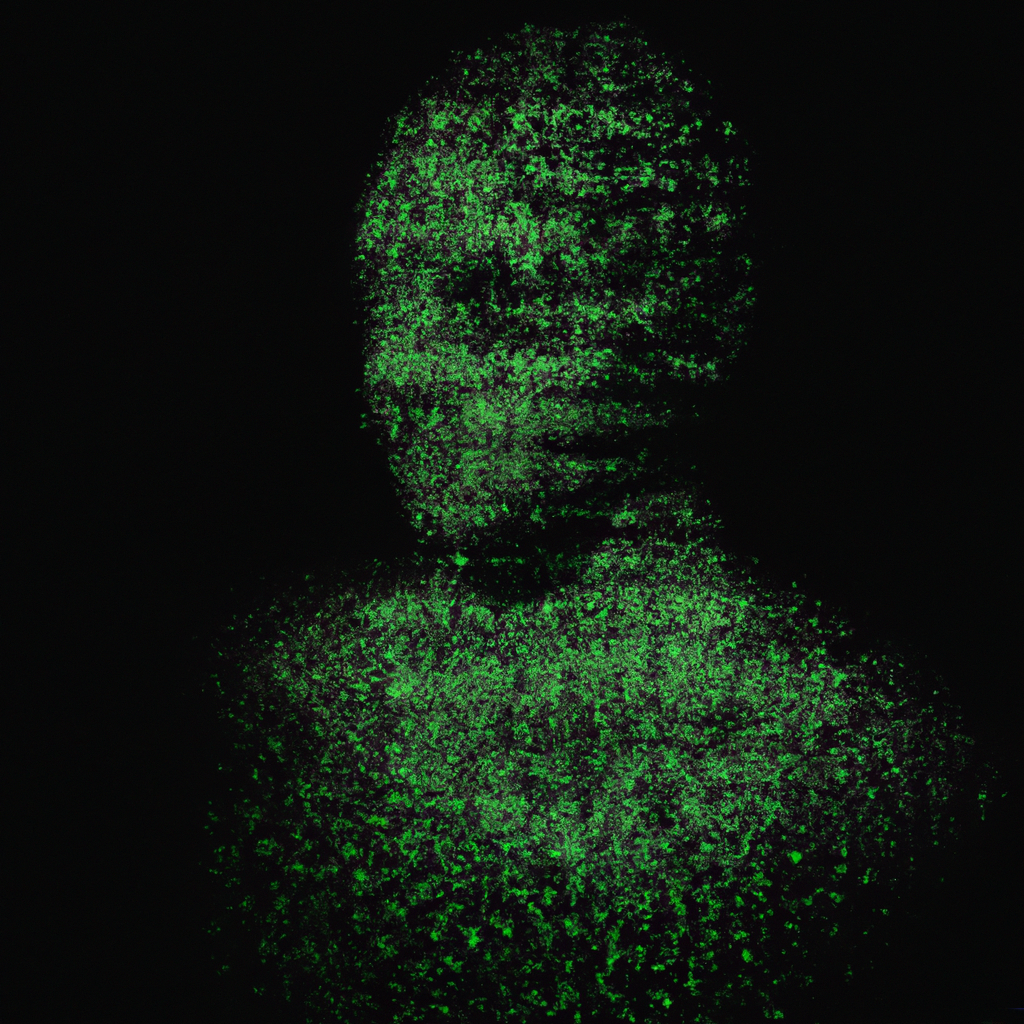
A Self-Portrait of an Algorithm 2023
One hundred AI-generated self-portraits ask how an algorithm might picture itself, extending portraiture toward machine creativity, identity and the possiblity of sentience.
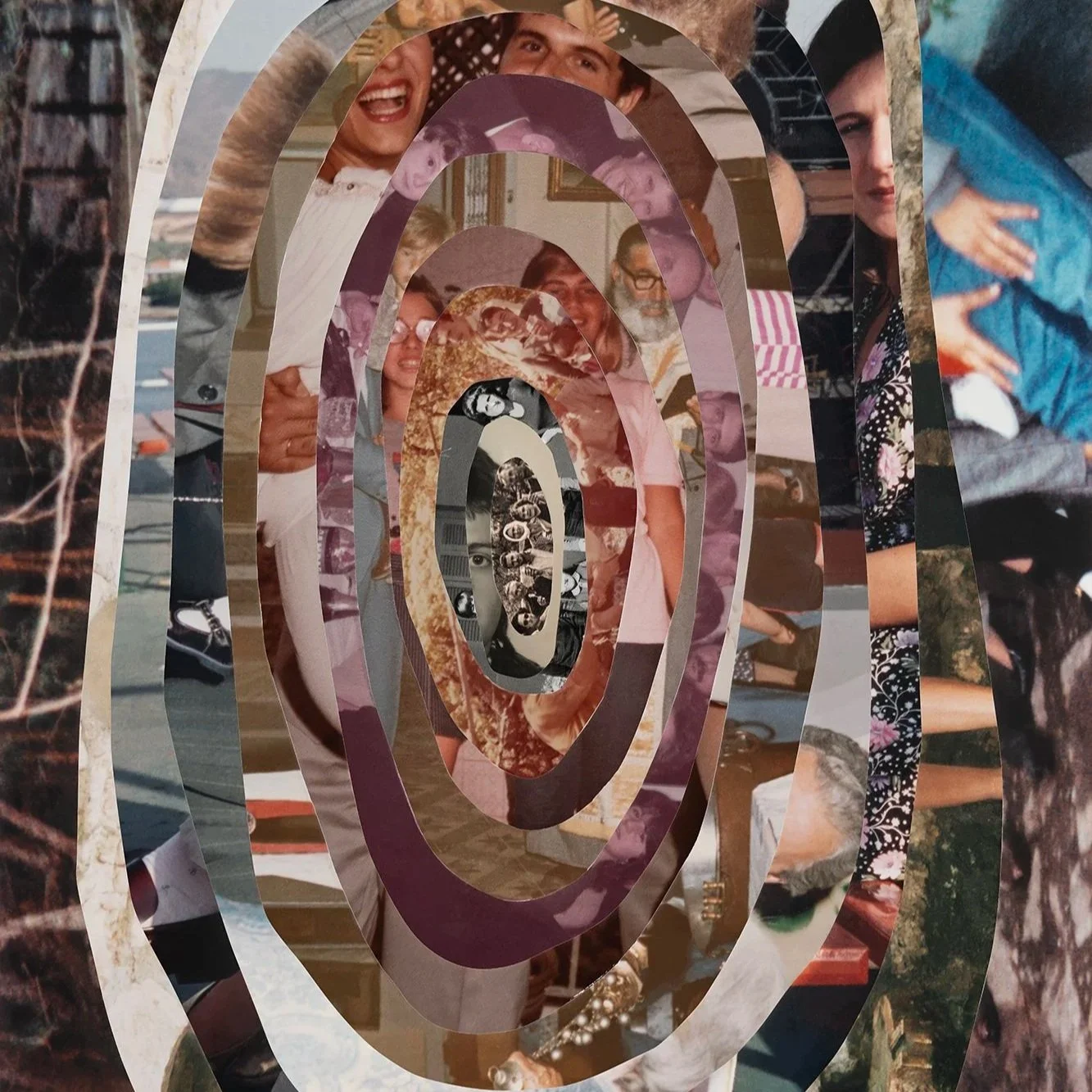
Model Collapse 2025
Family archives, dementia and generative-AI degradation meet in a study of memory’s human and computational deterioration.
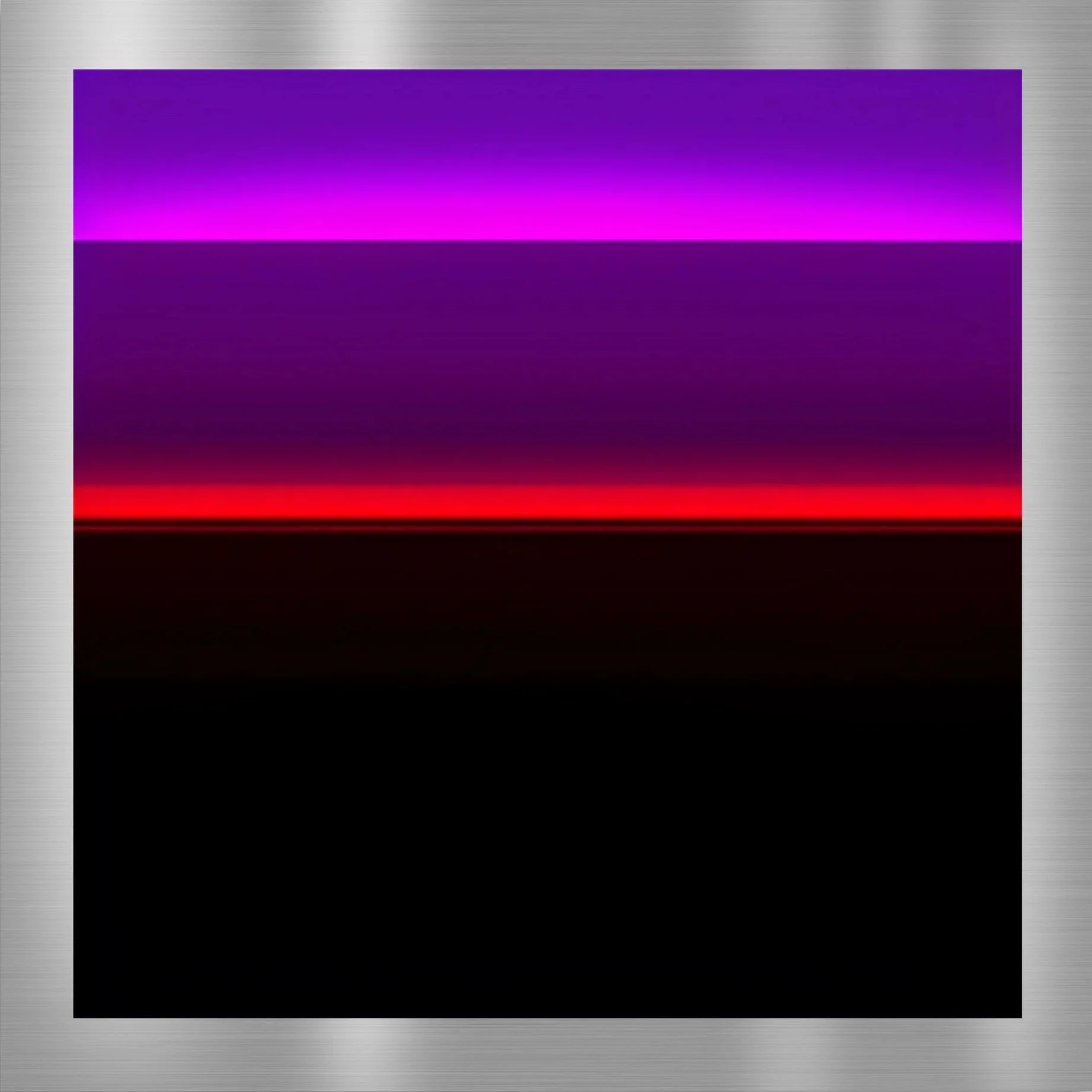
Afterimages 2025
An arc from the very first AI-generated images toward their possible endpoint, where recursive training on synthetic outputs produces visual residues.
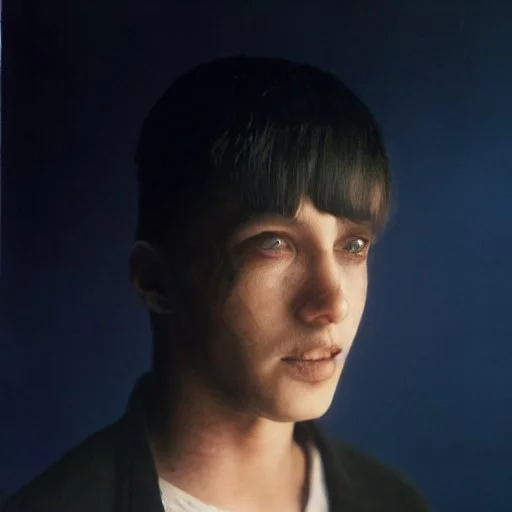
an Index of lATENT SPACE 2025
A custom-coded AI system drifts without a prompt through latent space, exposing the images that trained it as they are understood through the AI’s own lens.