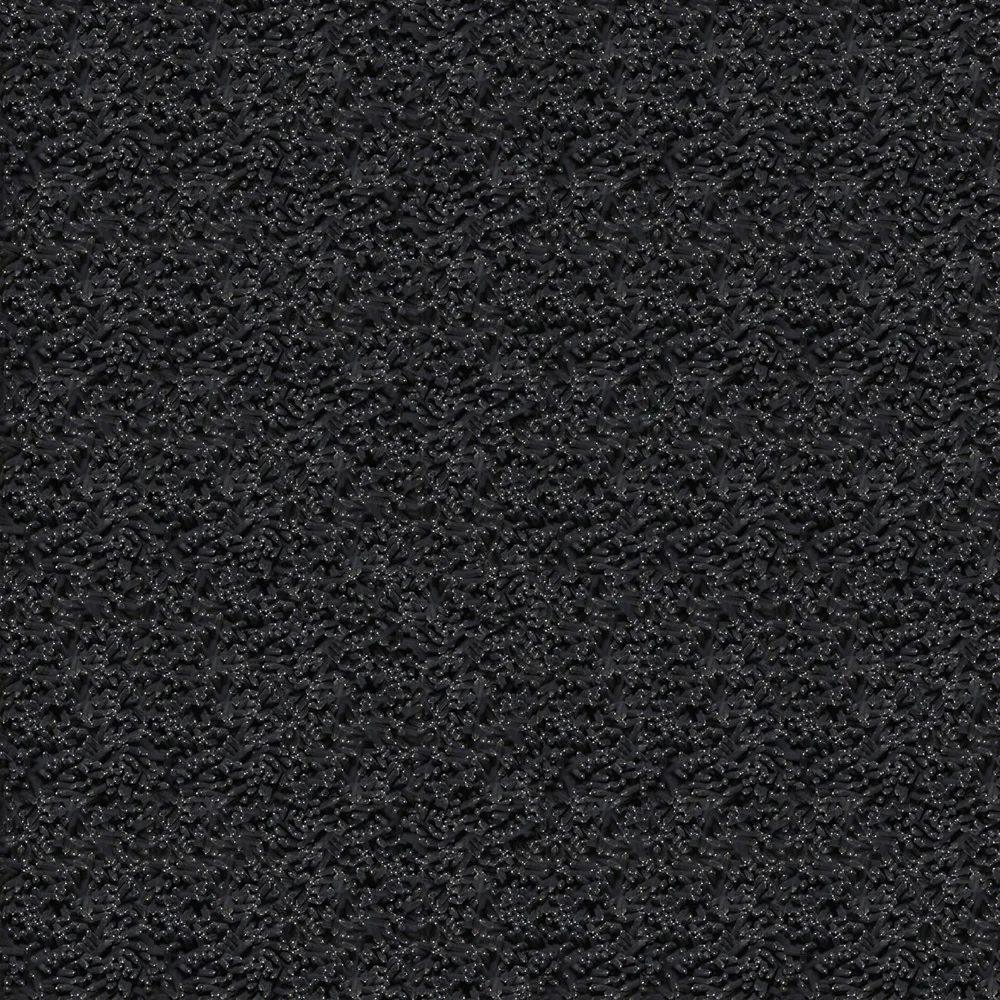
1 #
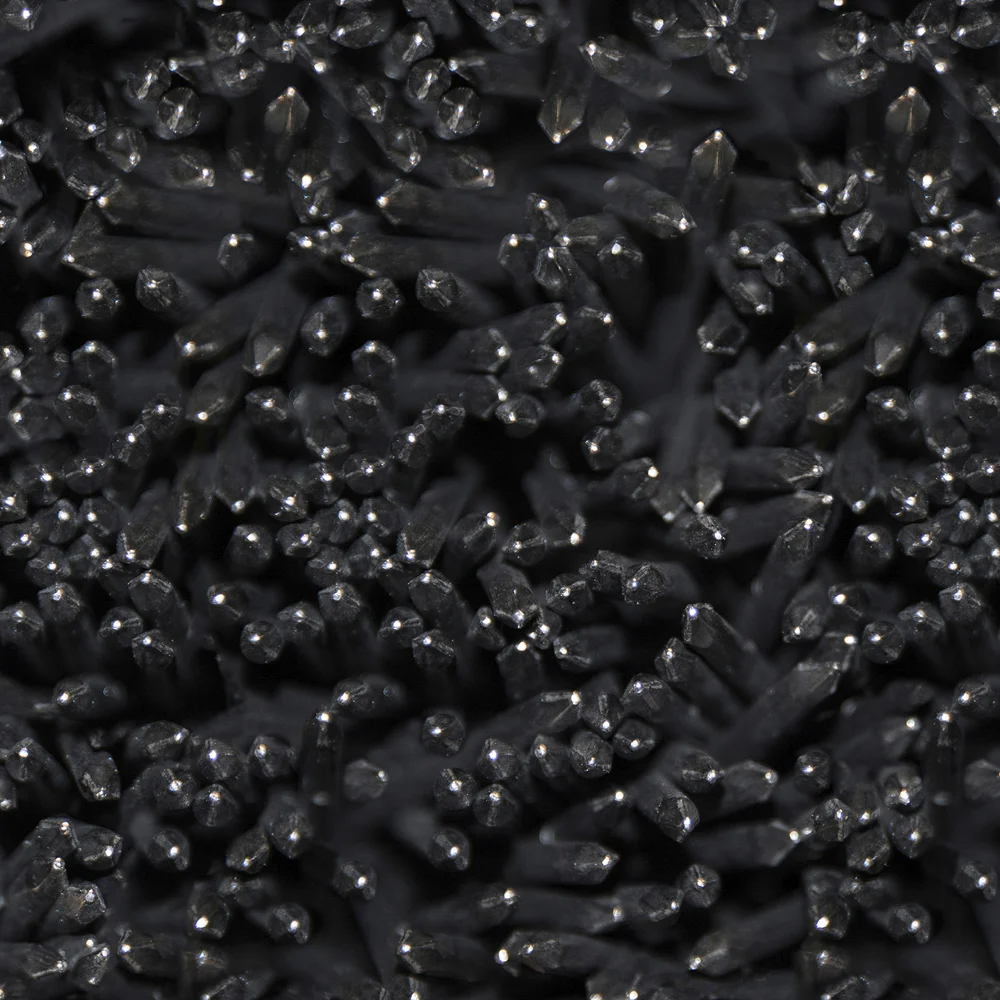
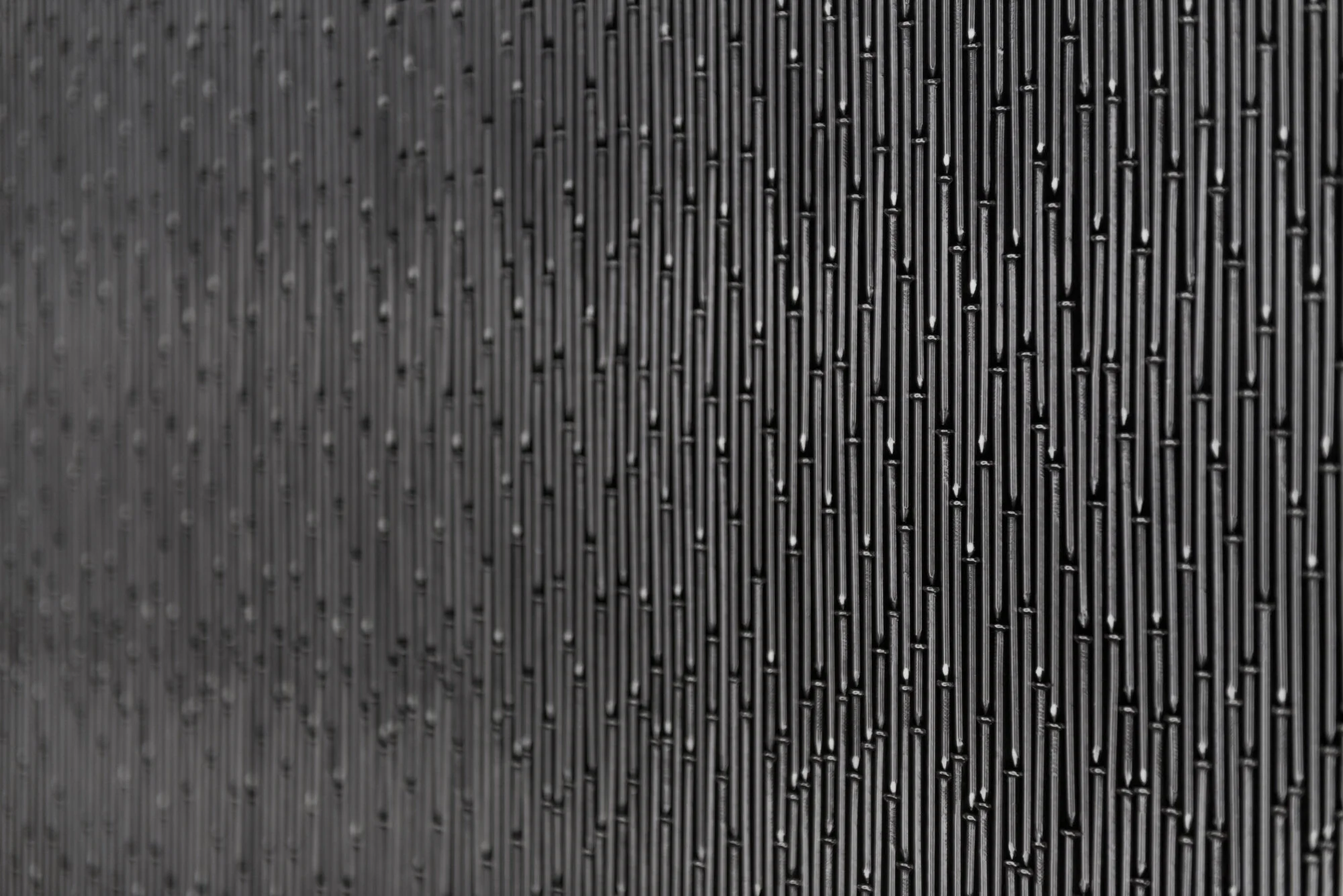
detail of #1
Geometry of Chaos
The subject of study of this series is the concept of the unit and the interactive relations that are developed through its multiplication. These images reflect primary structures as maquettes of a microcosm / macrocosm. The use of nail was an instinctive choice due to the emotional charge it carries, the inherent contradiction of its form and its cold materiality. Through the process of multiplication the unit loses its autonomy and becomes part of a new whole which is governed by its own rules.
The new resulting mass has different characteristics from the sum of its parts, the chaotic world of infinite units is self-organized forming patterns that come into view within the random array seeming definitive and premeditated, becoming representative of each artwork. Although the depicted object is the same throughout the series by changing only the structure of the way it is organized the resulting image is different each time. Along with the quantitative change there is also a qualitative change that is occurring simultaneously, this accumulation gives characteristics of organic matter, it’s this organic aspect that allows the interpretation of the project from various points of view.
The series "Geometry of Chaos" consists of 11 photographs, a sculpture, an installation and 7 drawings.
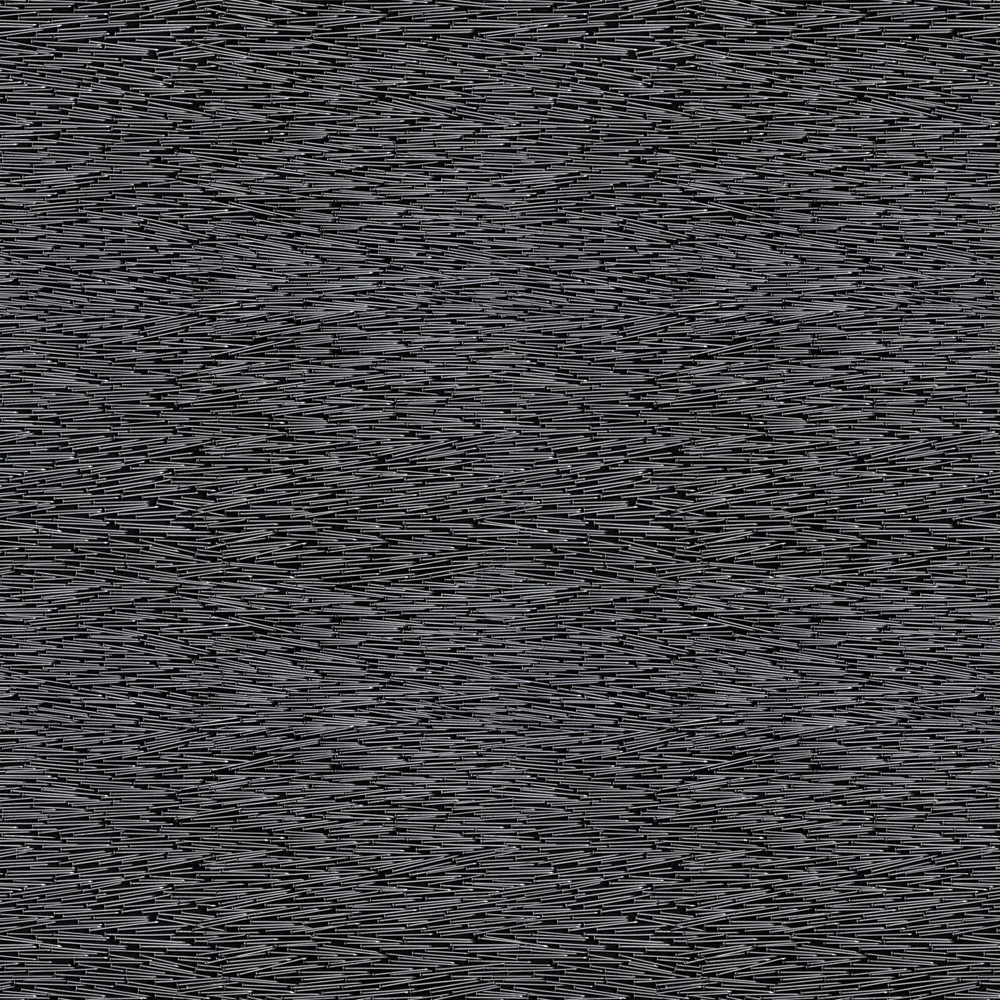
# 3
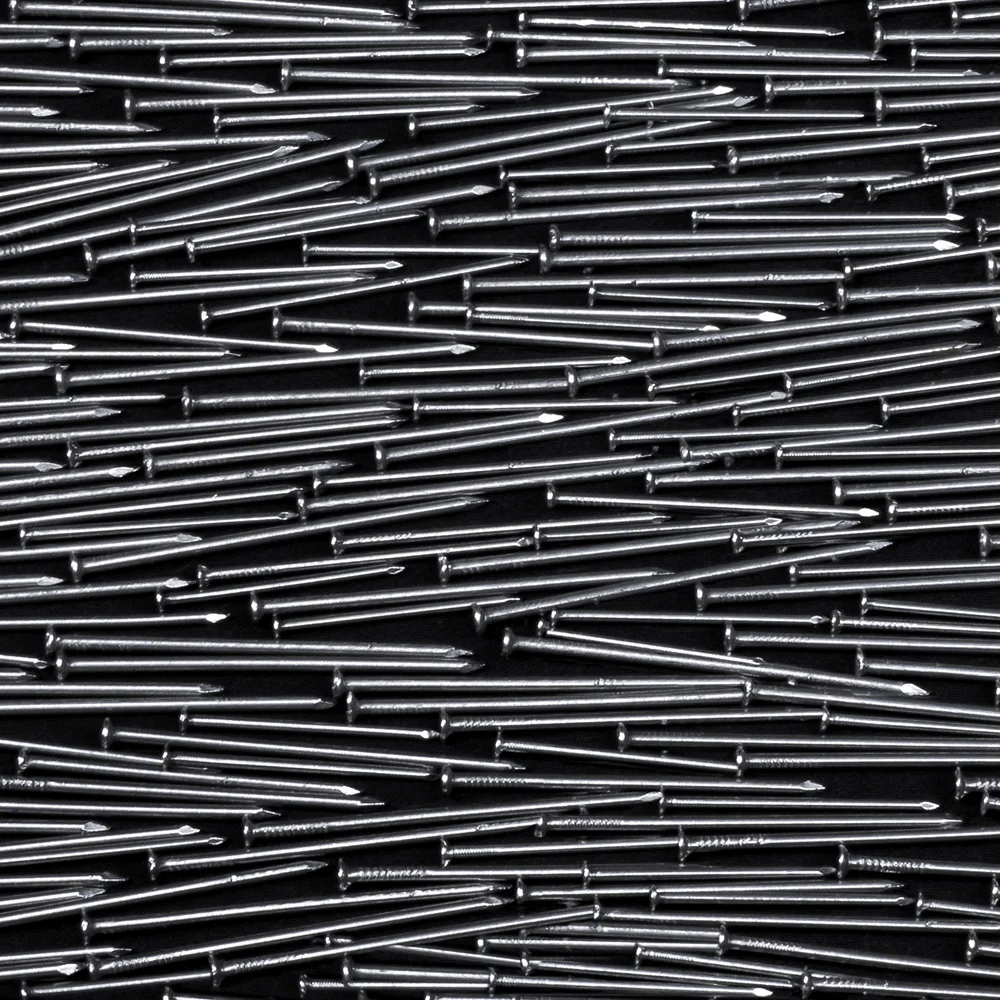
detail of # 3
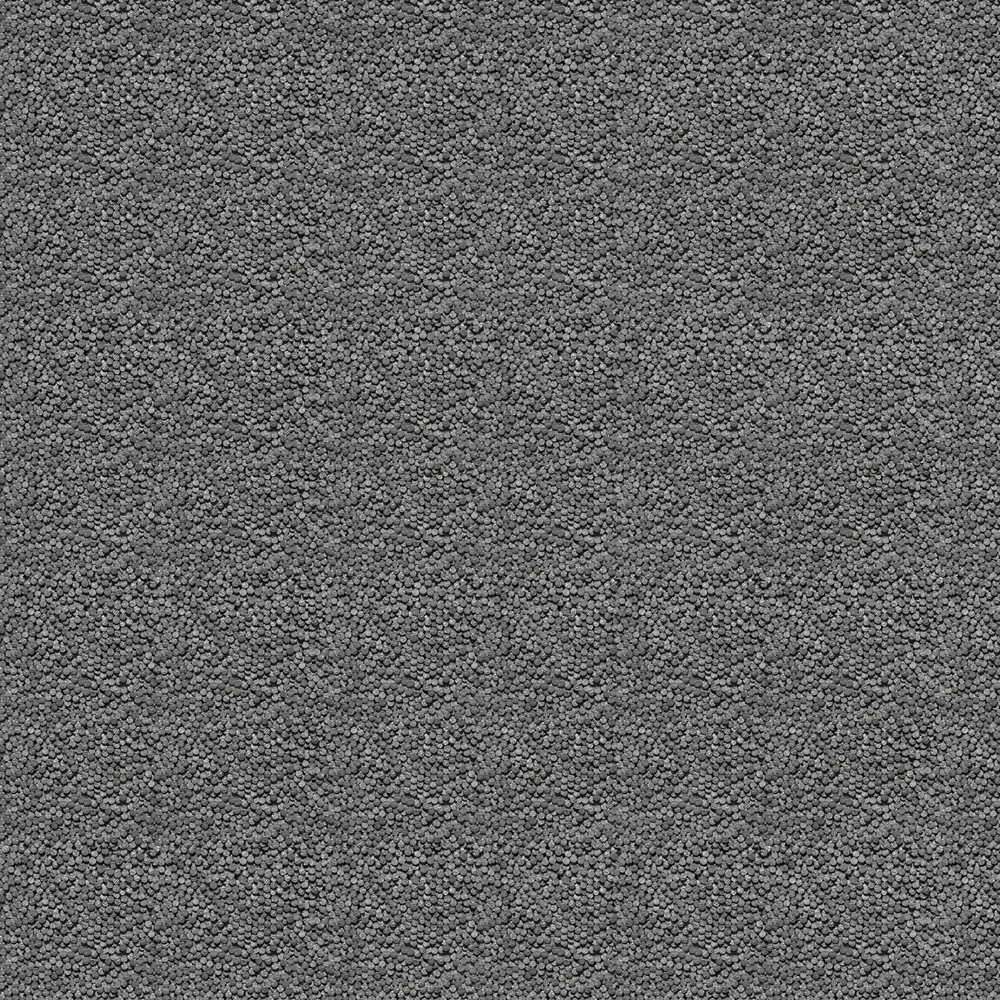
# 6
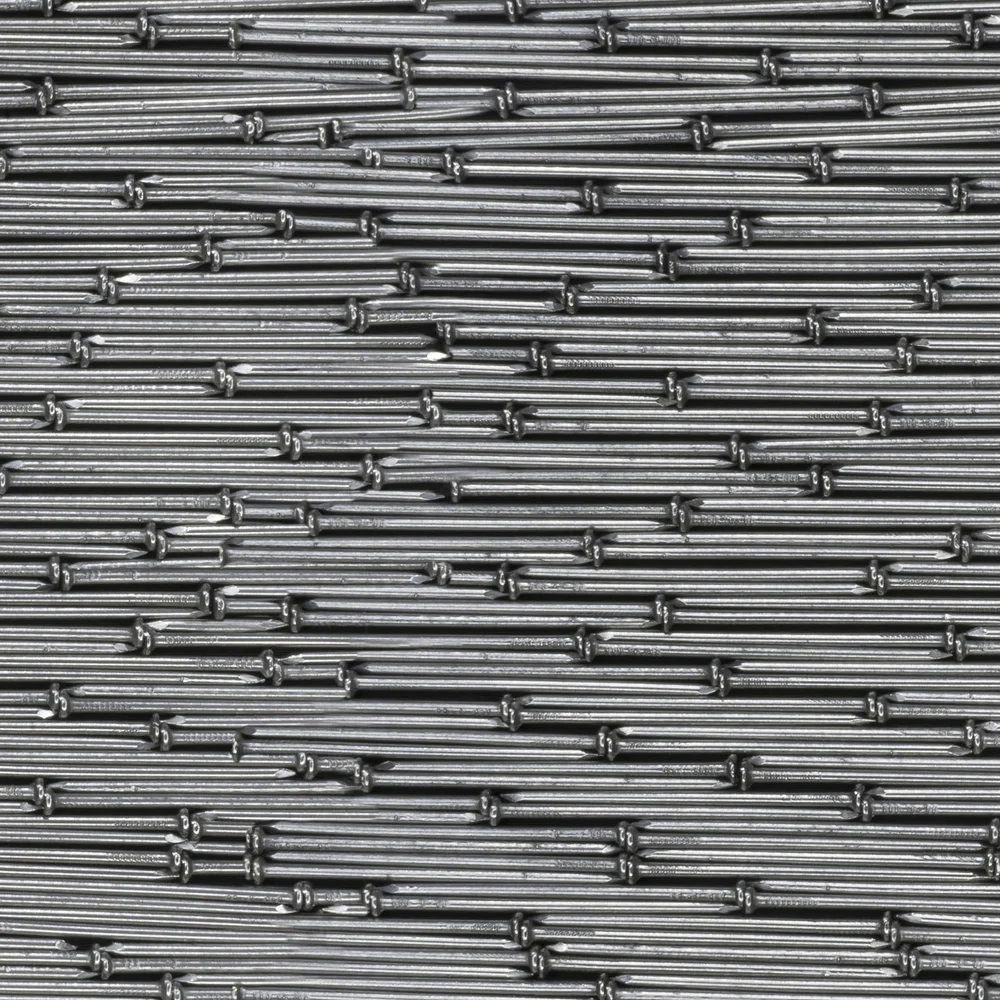
detail of # 10
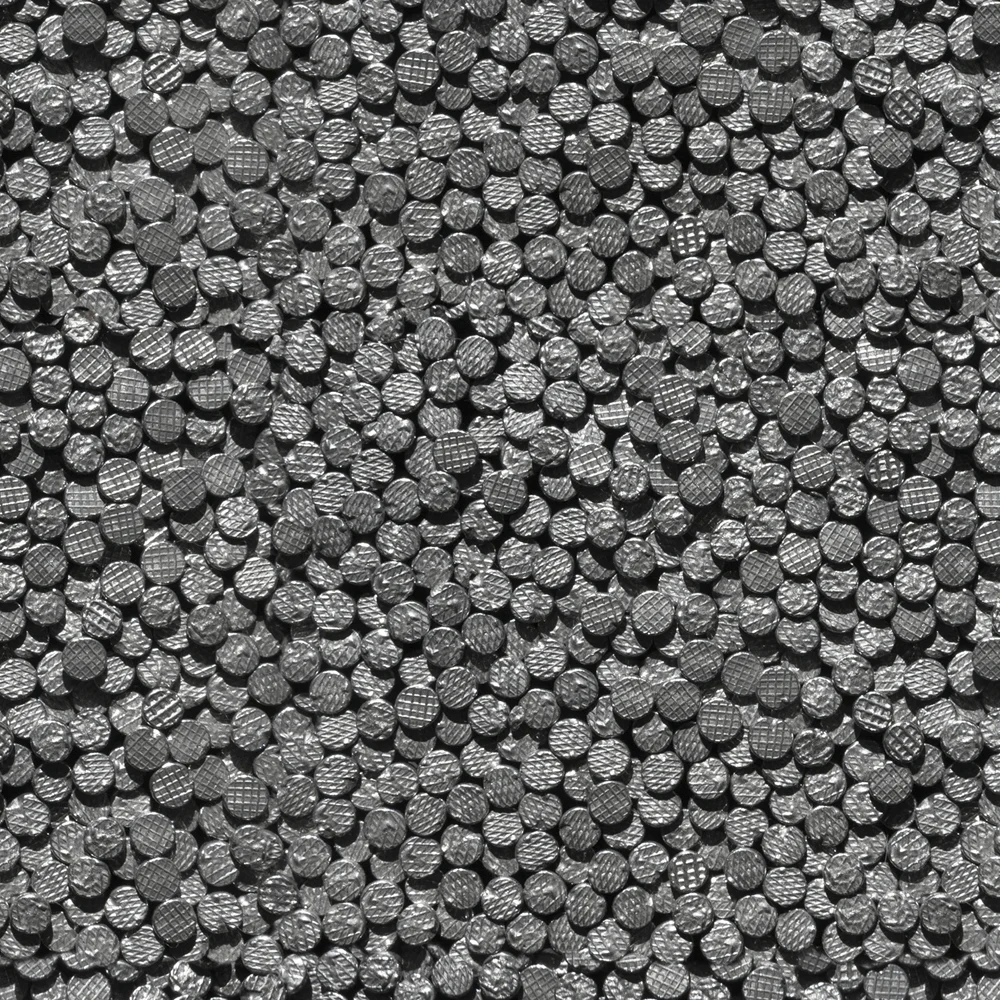
detail of # 6
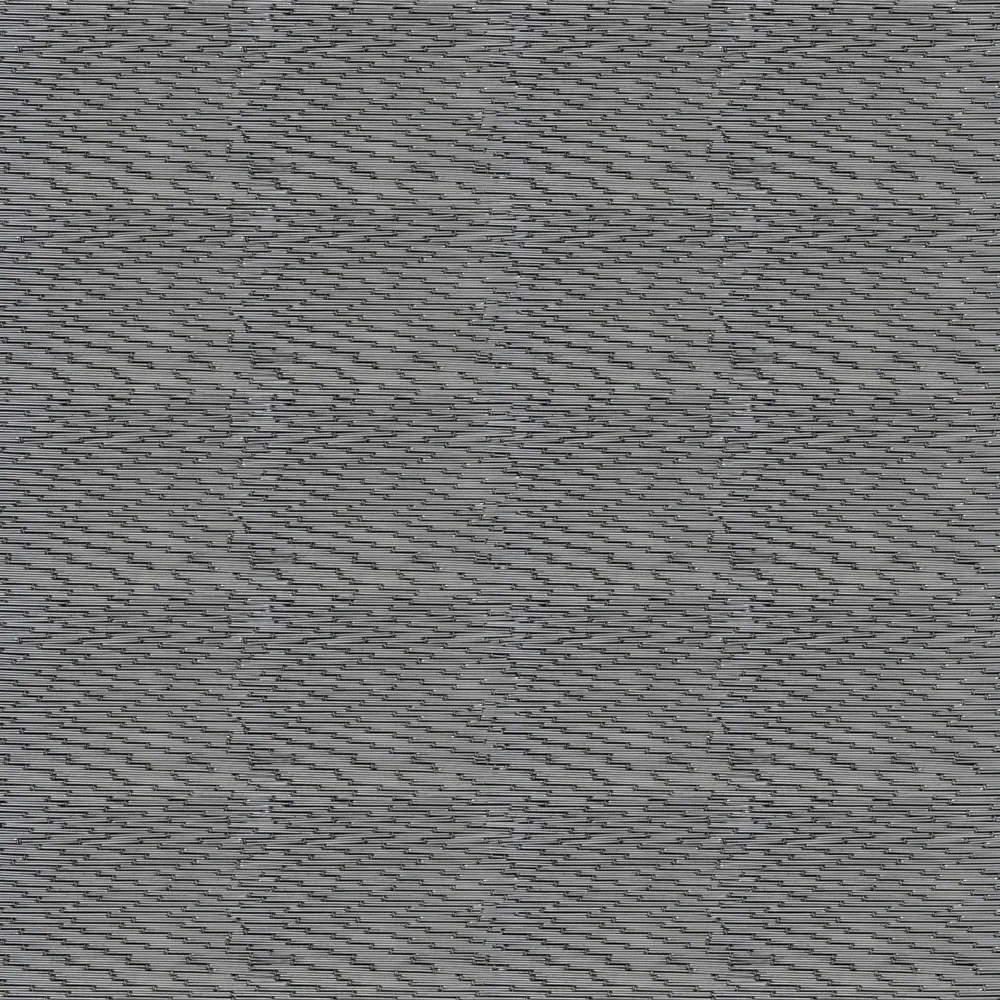
# 10
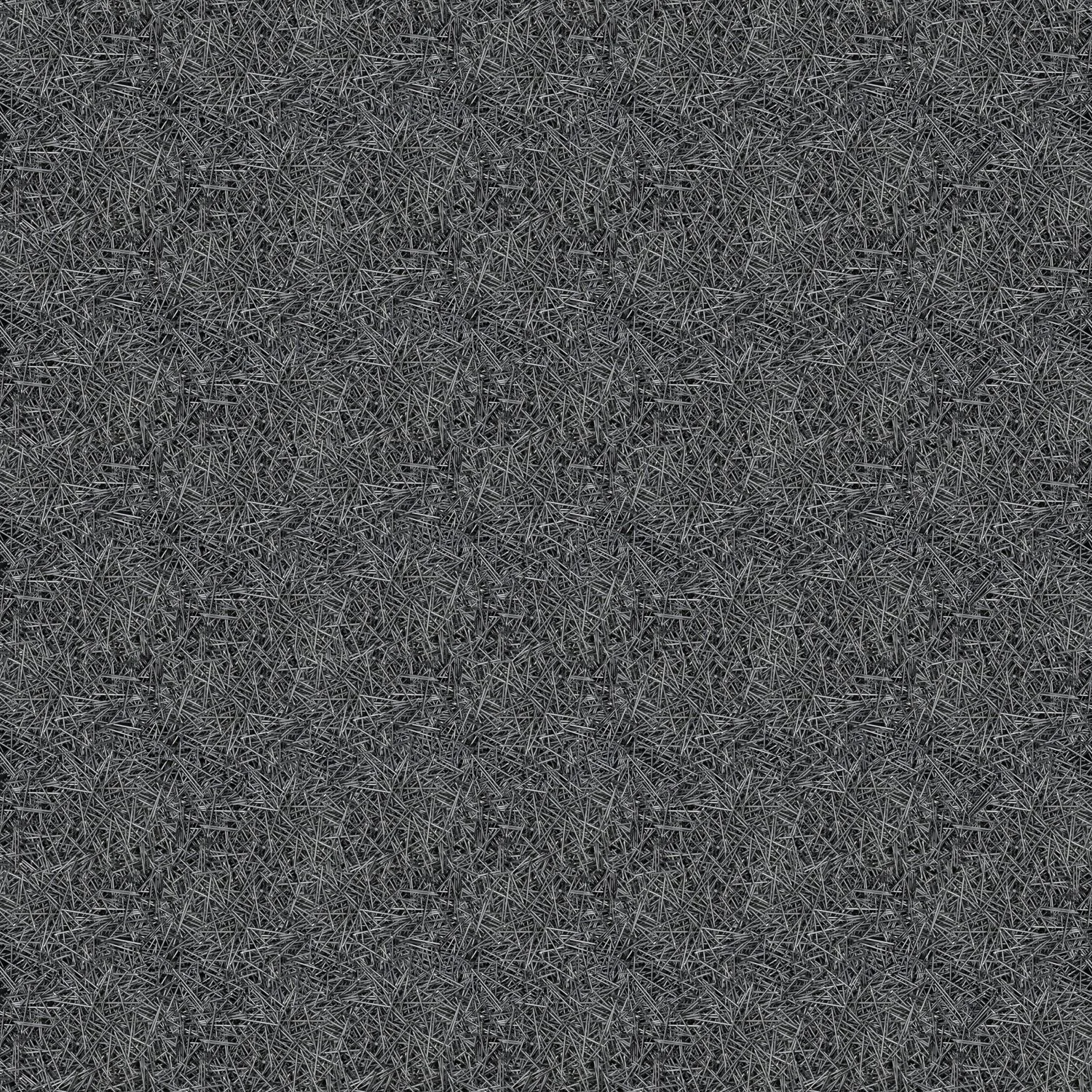
#4
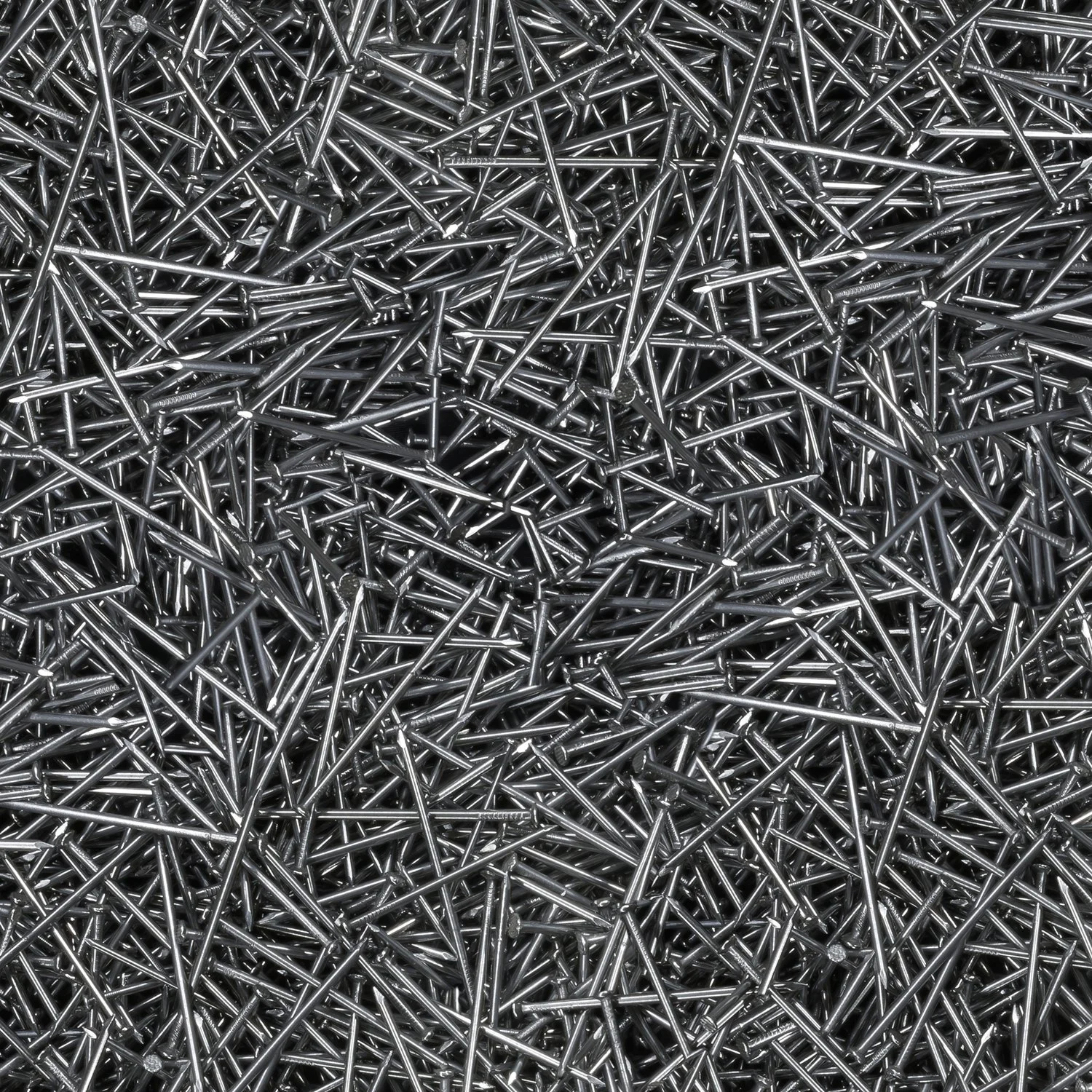
detail of #4
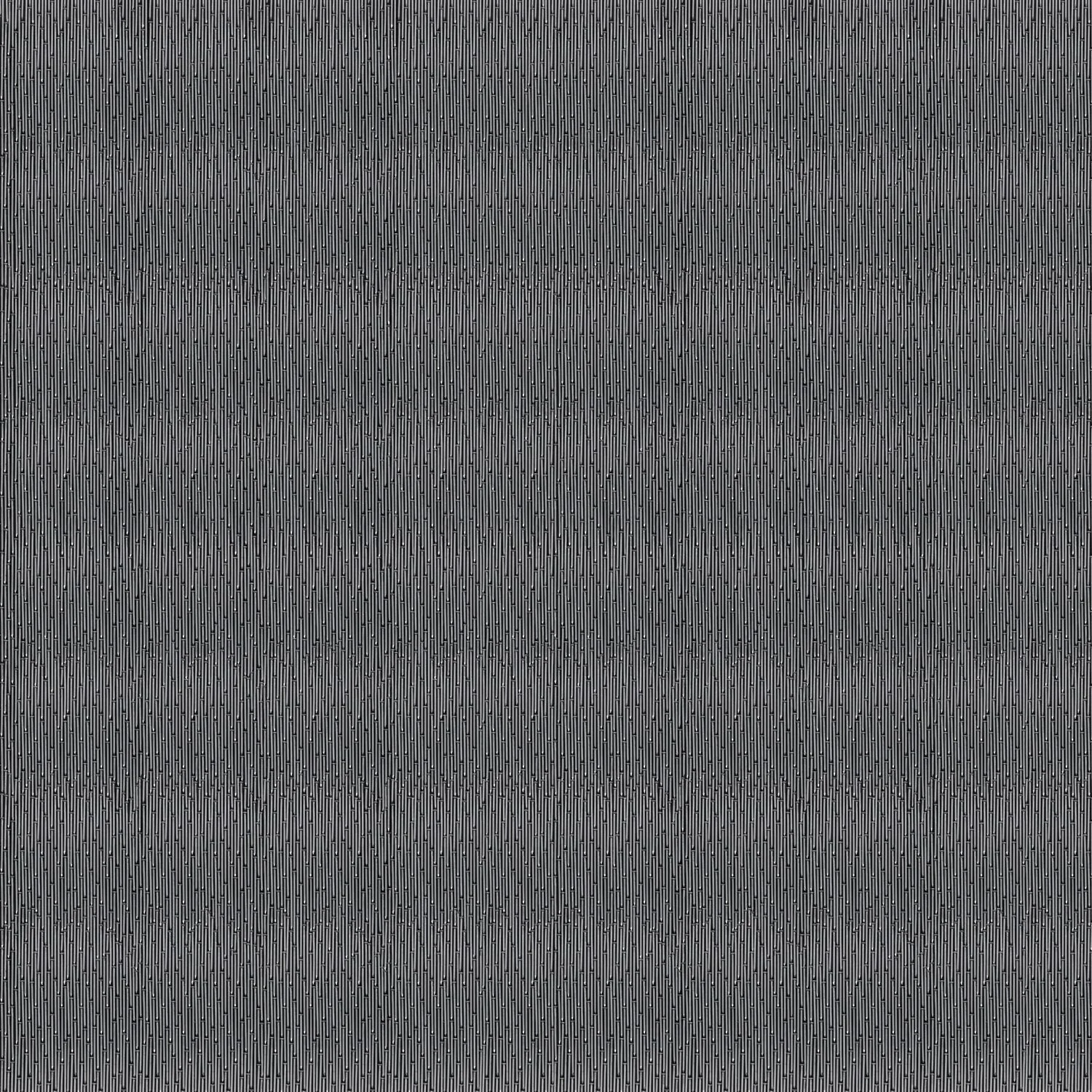
#5
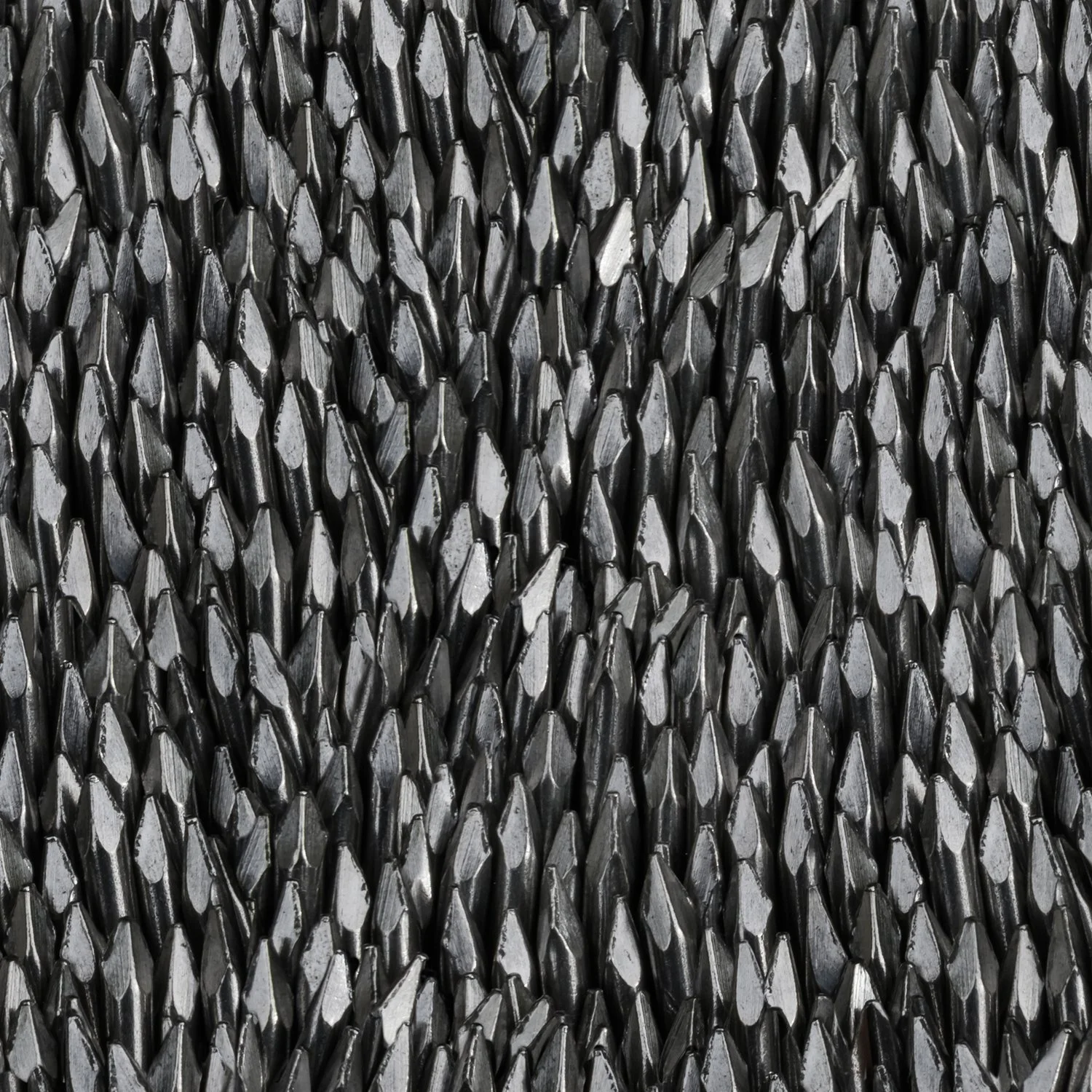
detail of #7
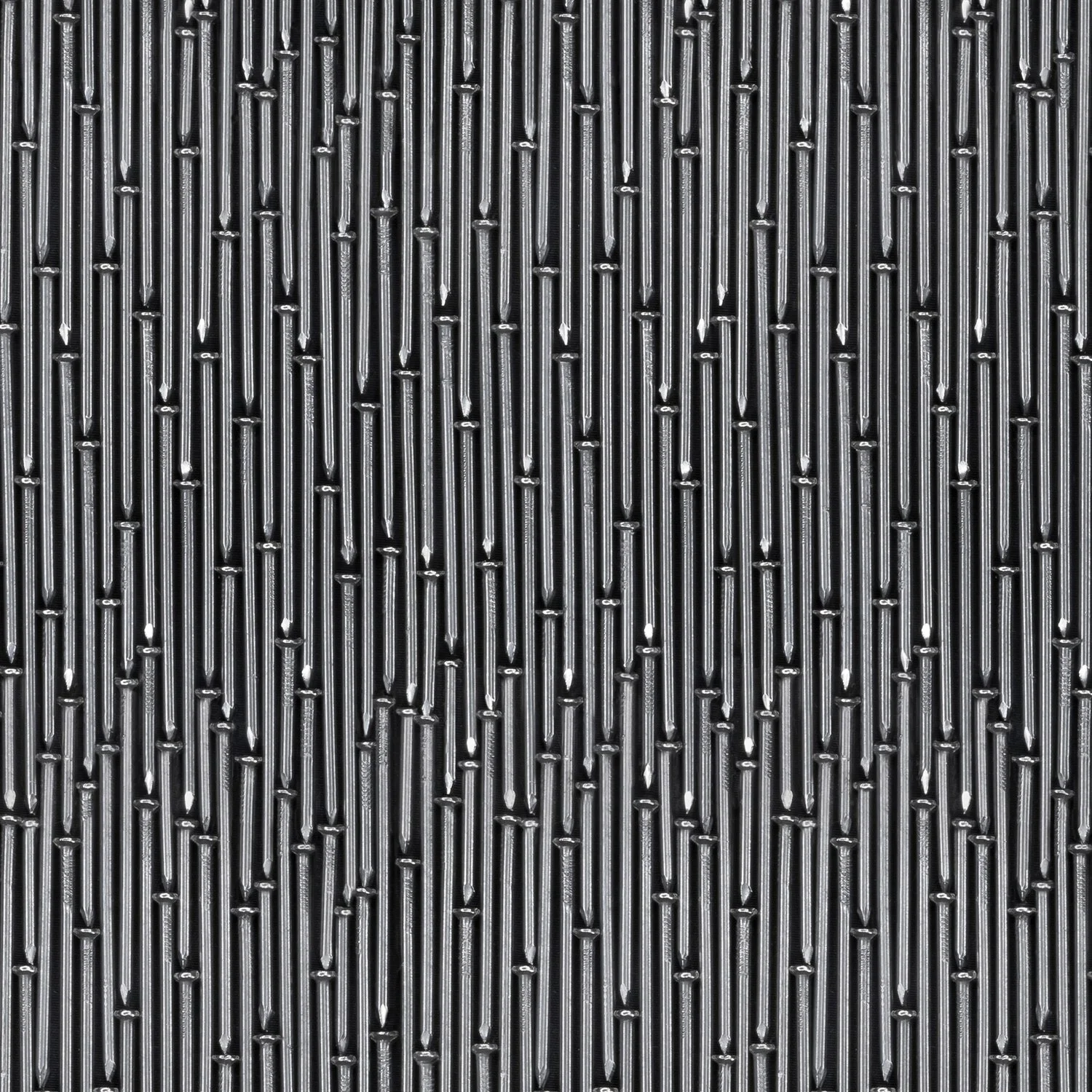
detail of #5
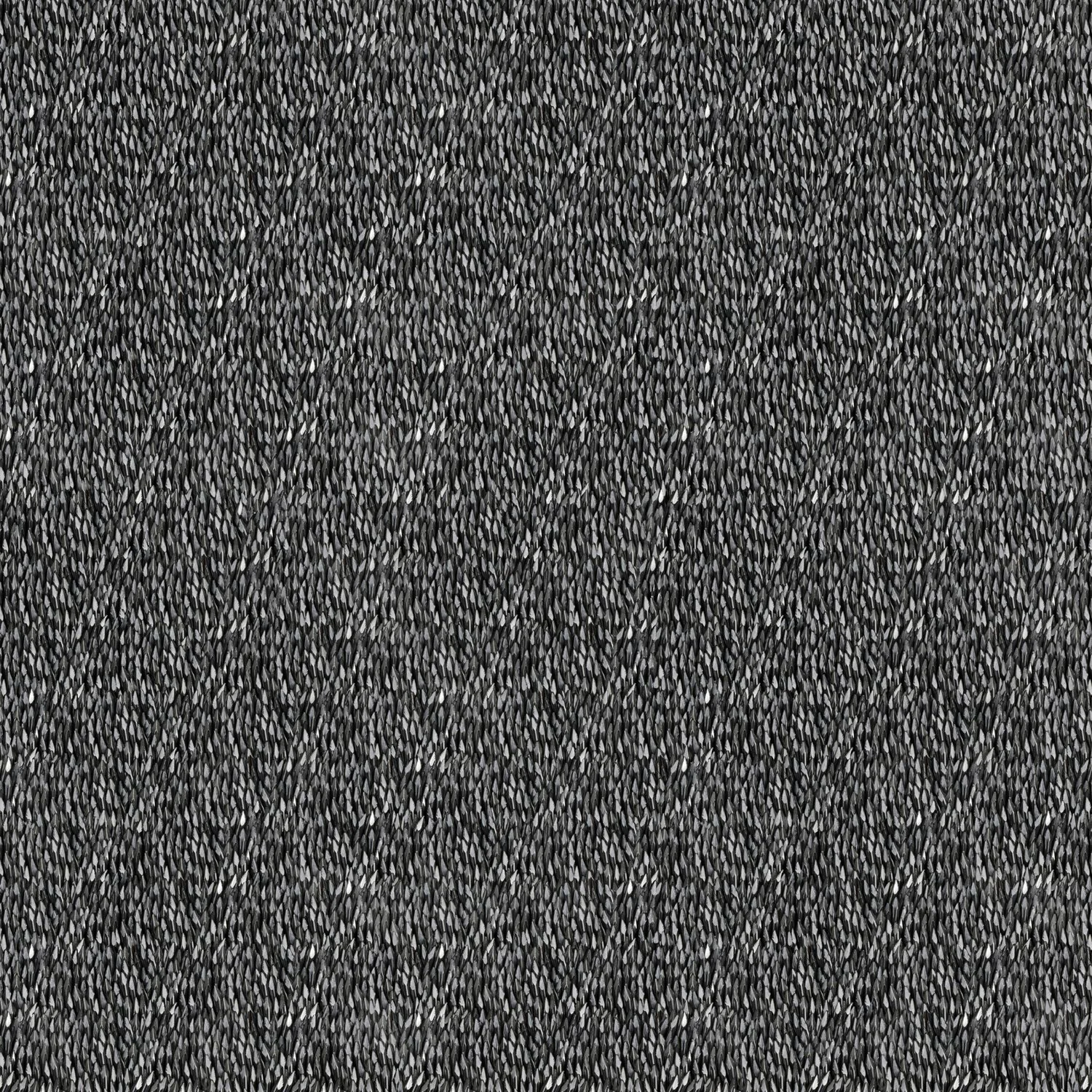
#7
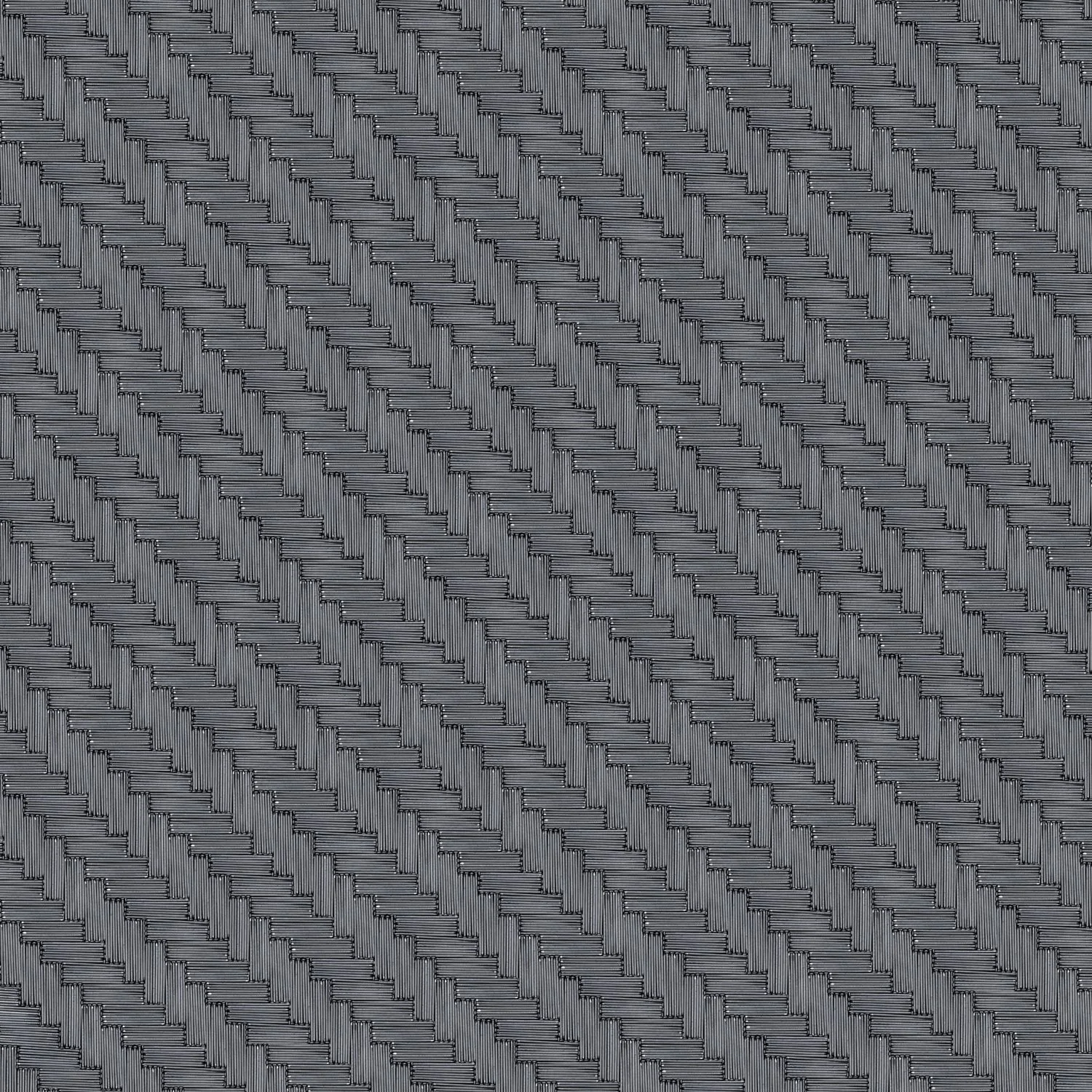
#8
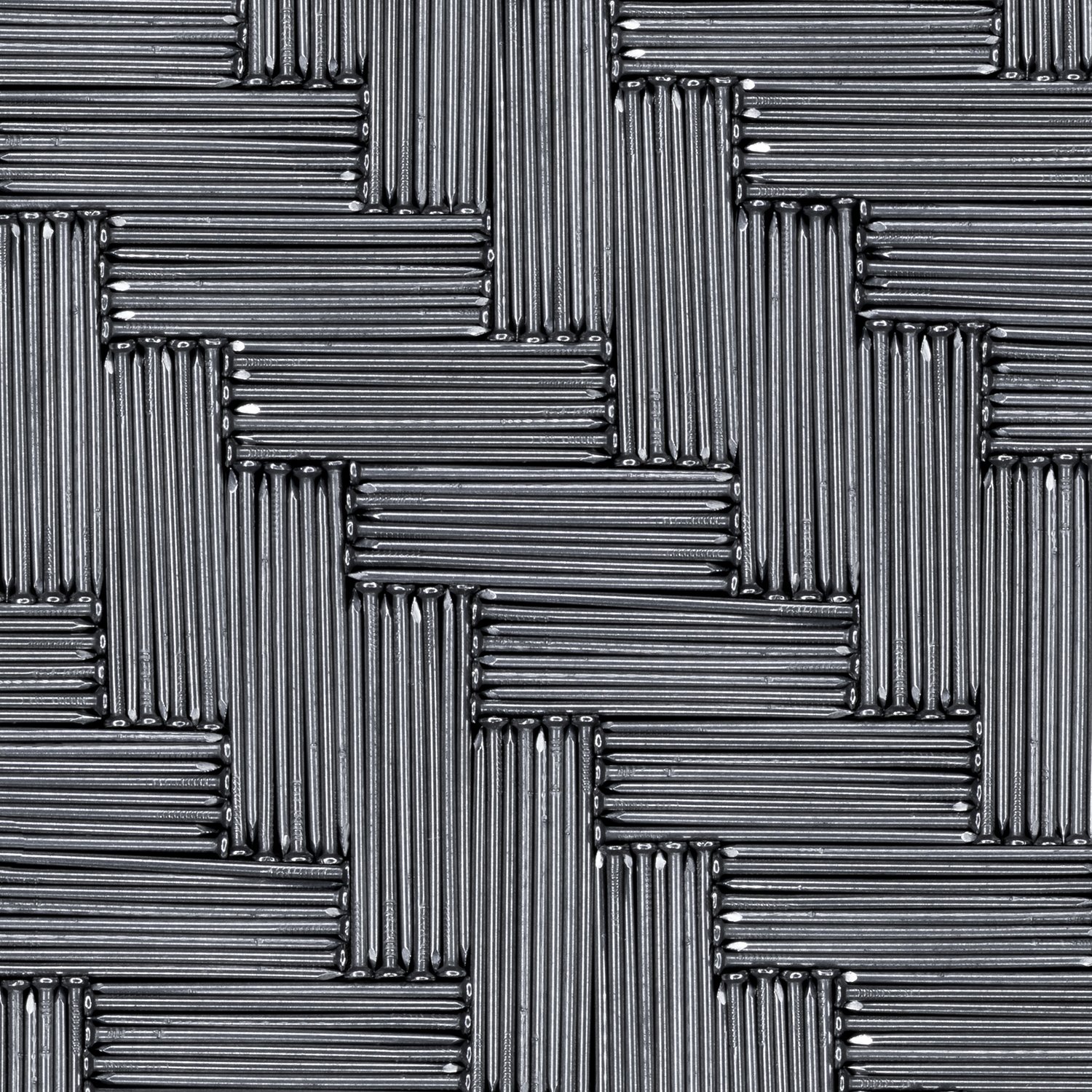
detail of #8
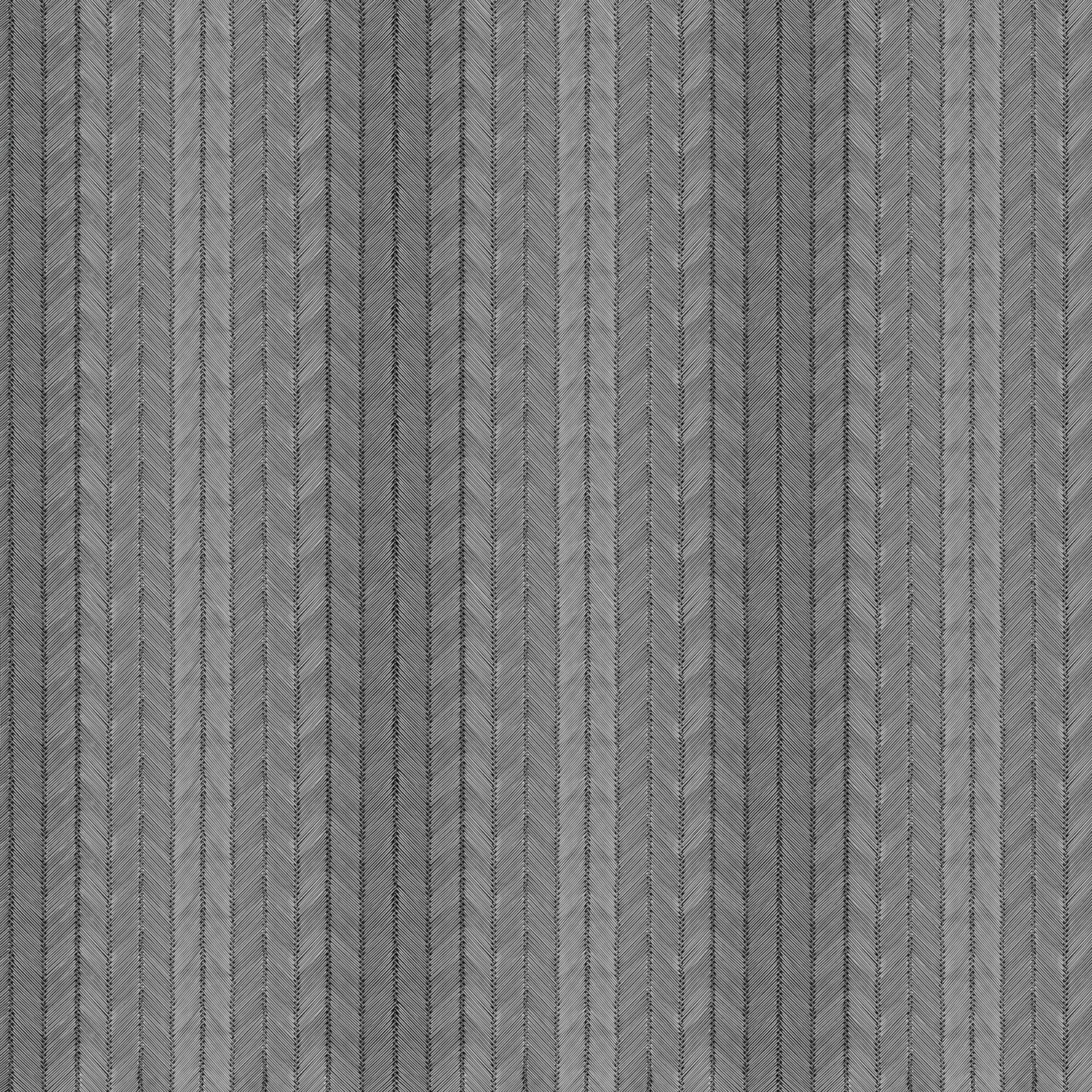
#9
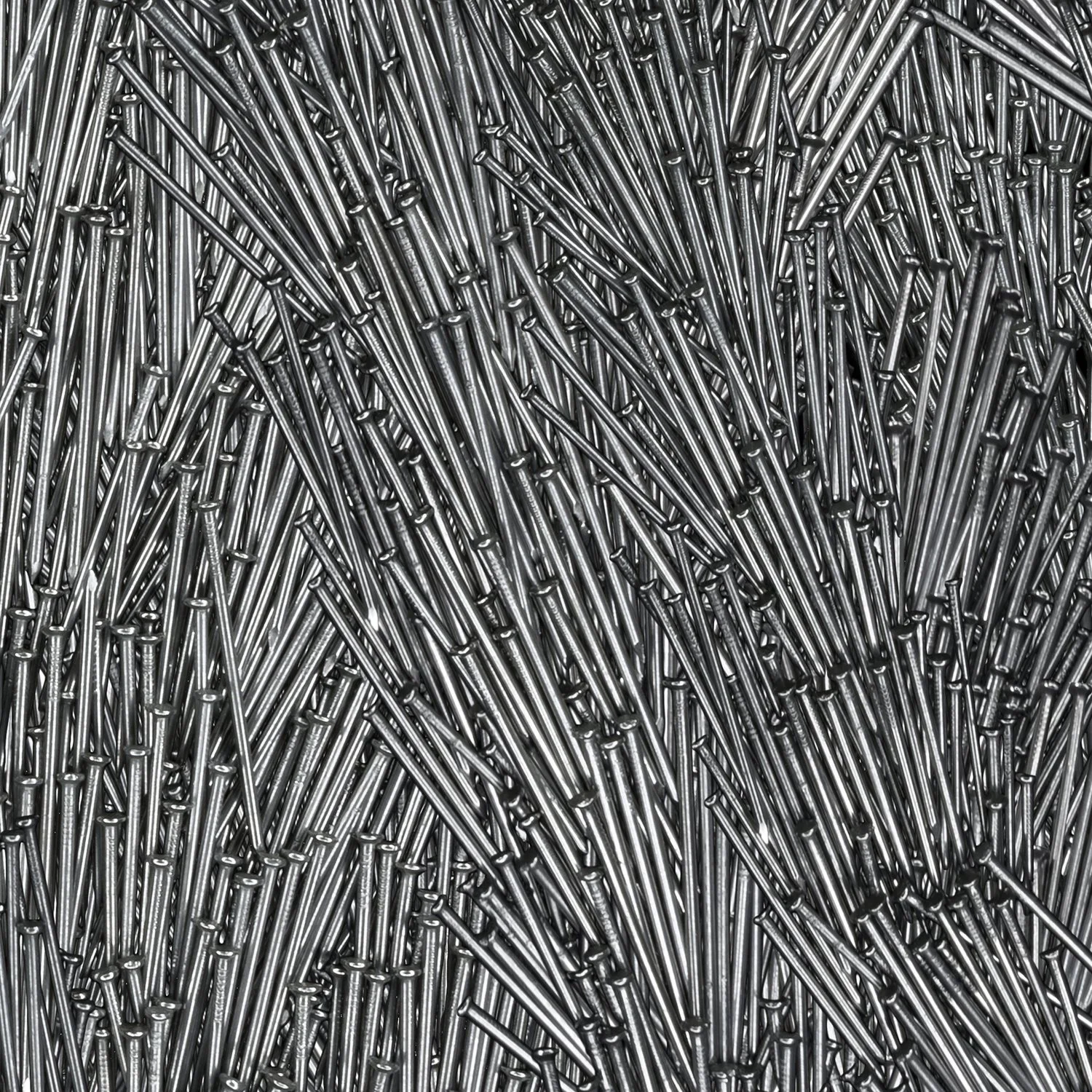
detail of #11
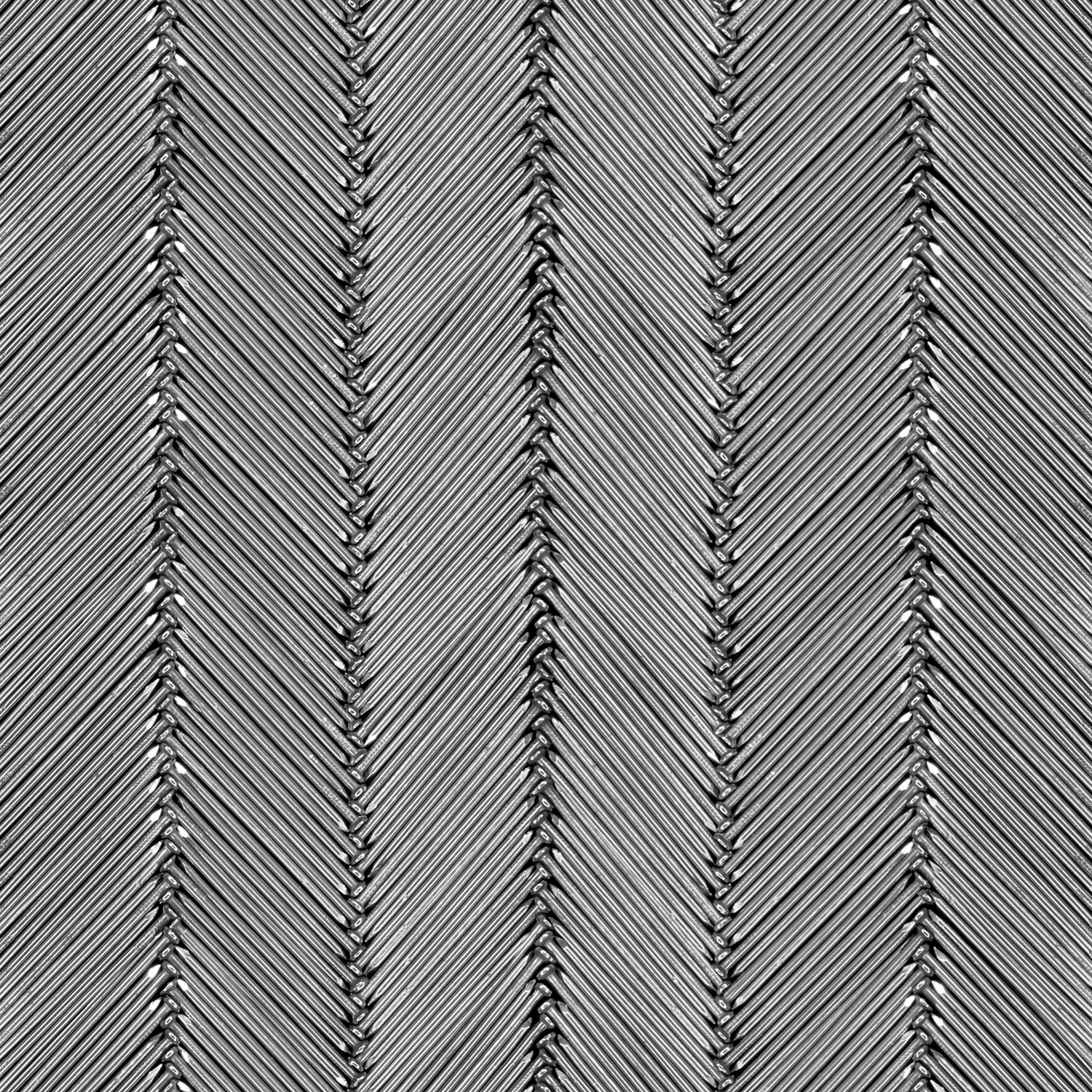
detail of #9
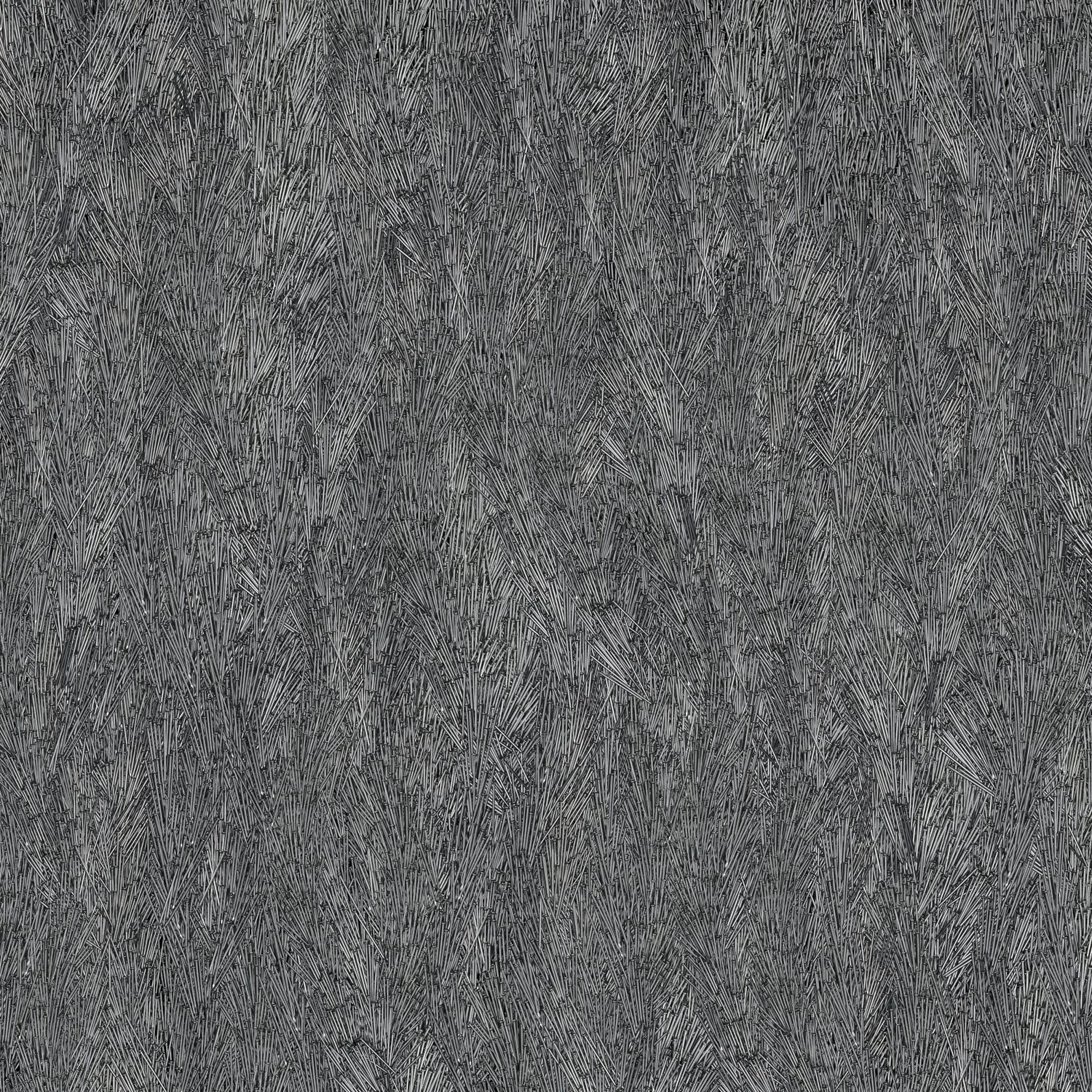
#11
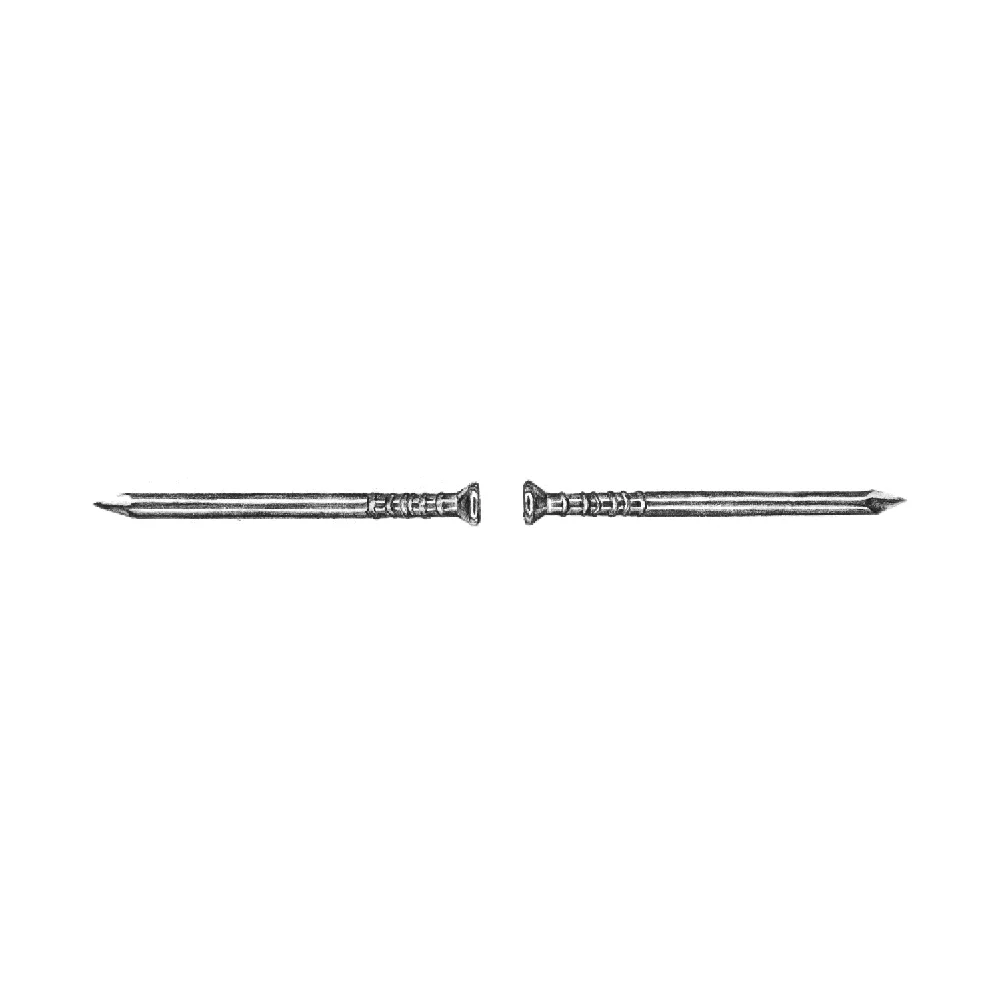
pencil drawing, 21cm x 21cm
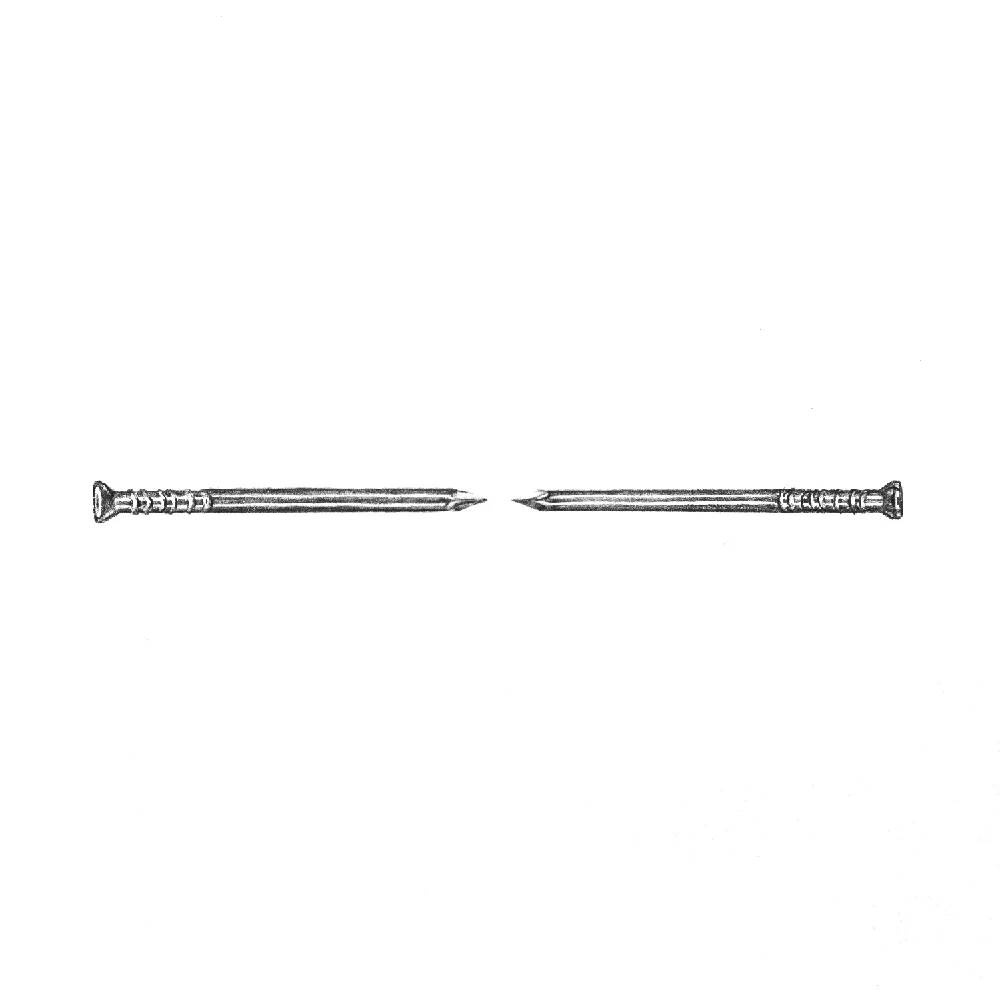
pencil drawing, 21cm x 21cm
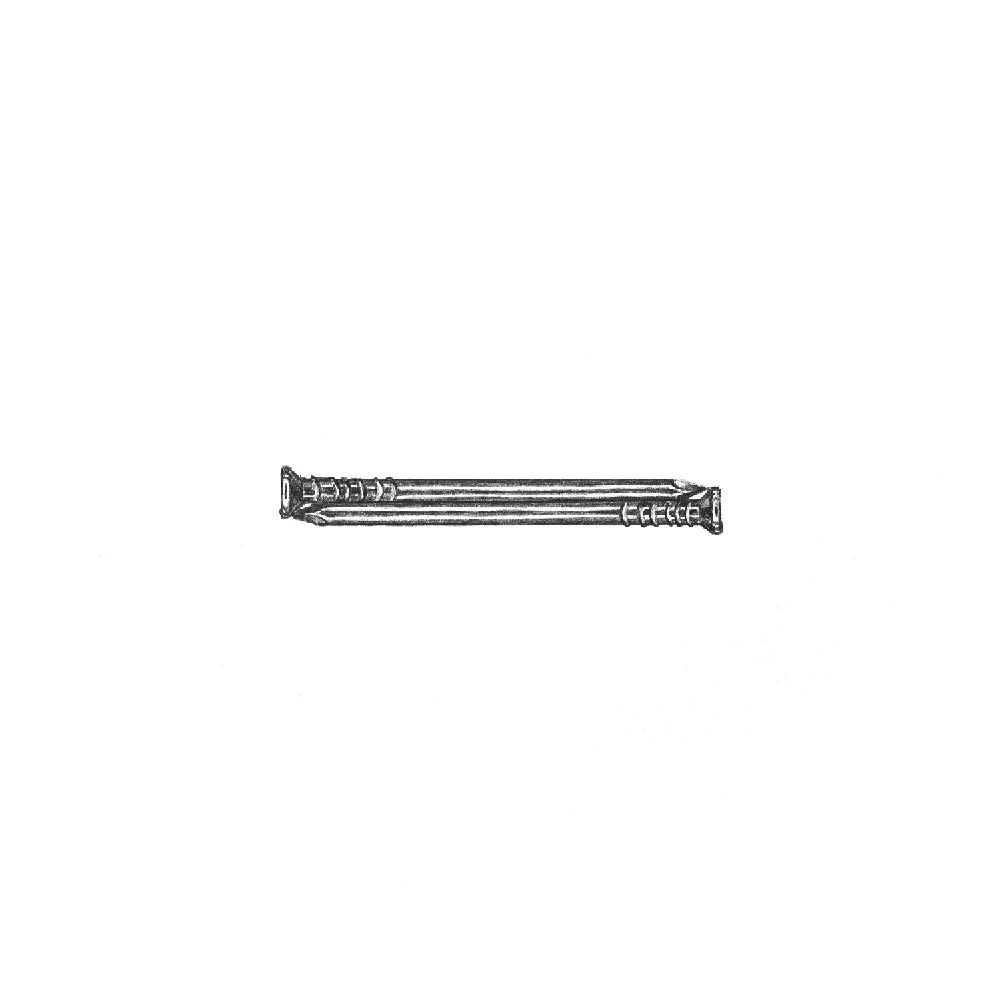
pencil drawing, 21cm x 21cm
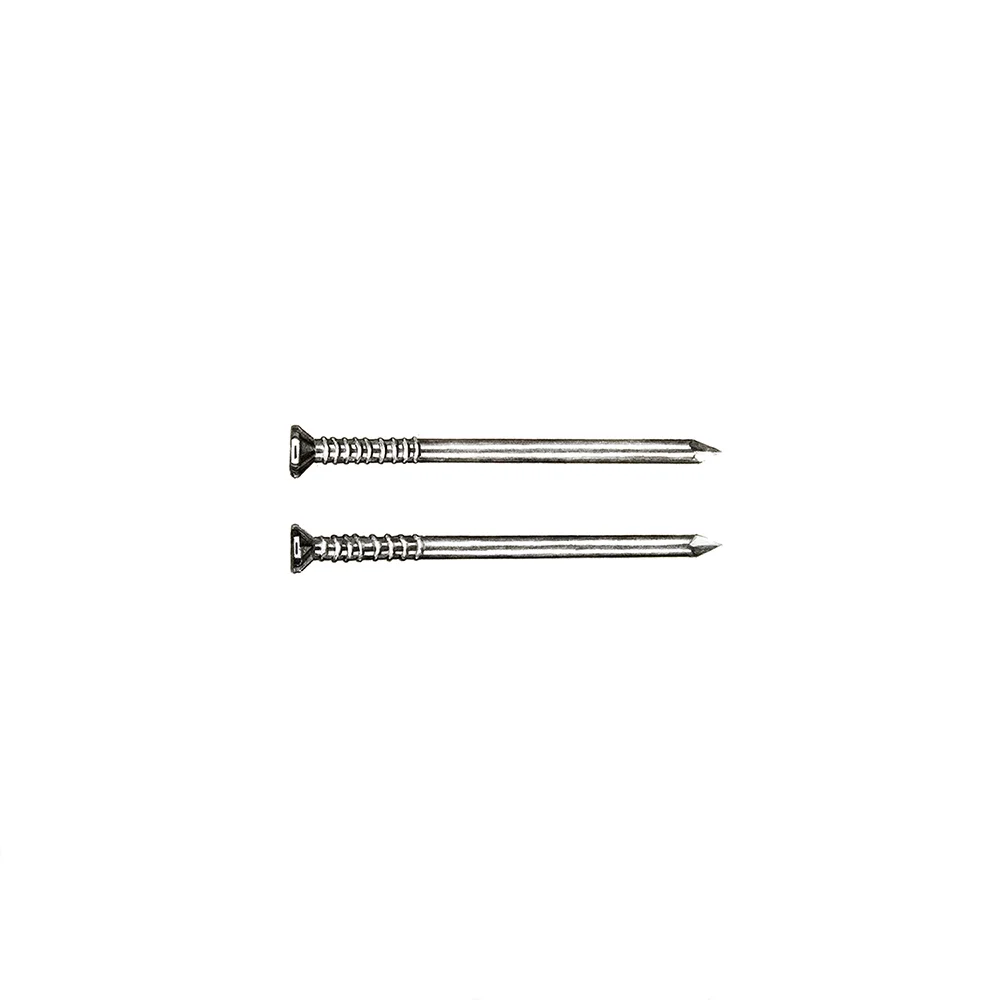
pencil drawing, 21cm x 21cm
installation views
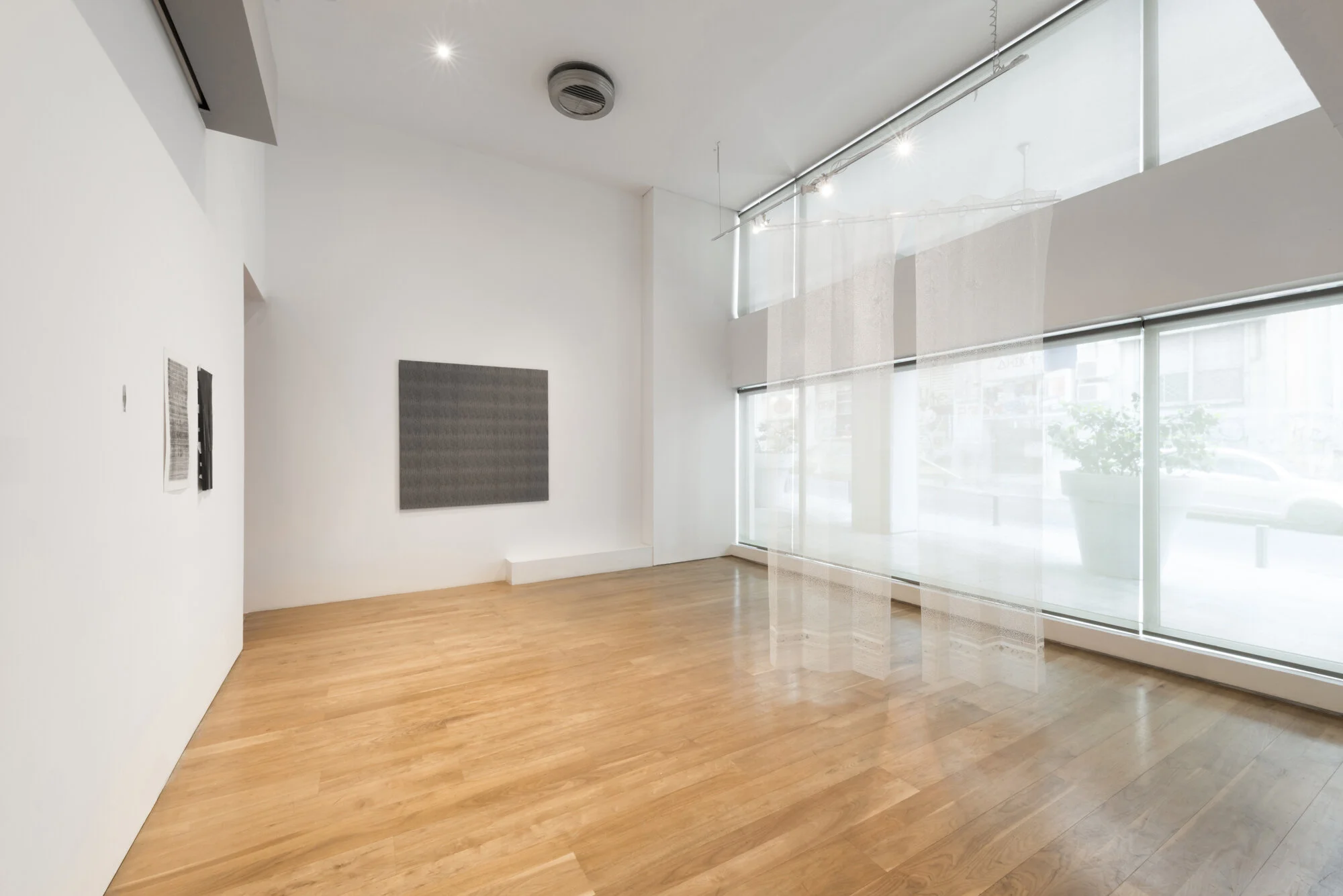
2017 / Installation view of group show “And the work of our hands”, ArtWall project space, curated by Kiriakos Spirou, Athens, Greece
2017 / Installation view of group show “And the work of our hands”, ArtWall project space, curated by Kiriakos Spirou, Athens, Greece
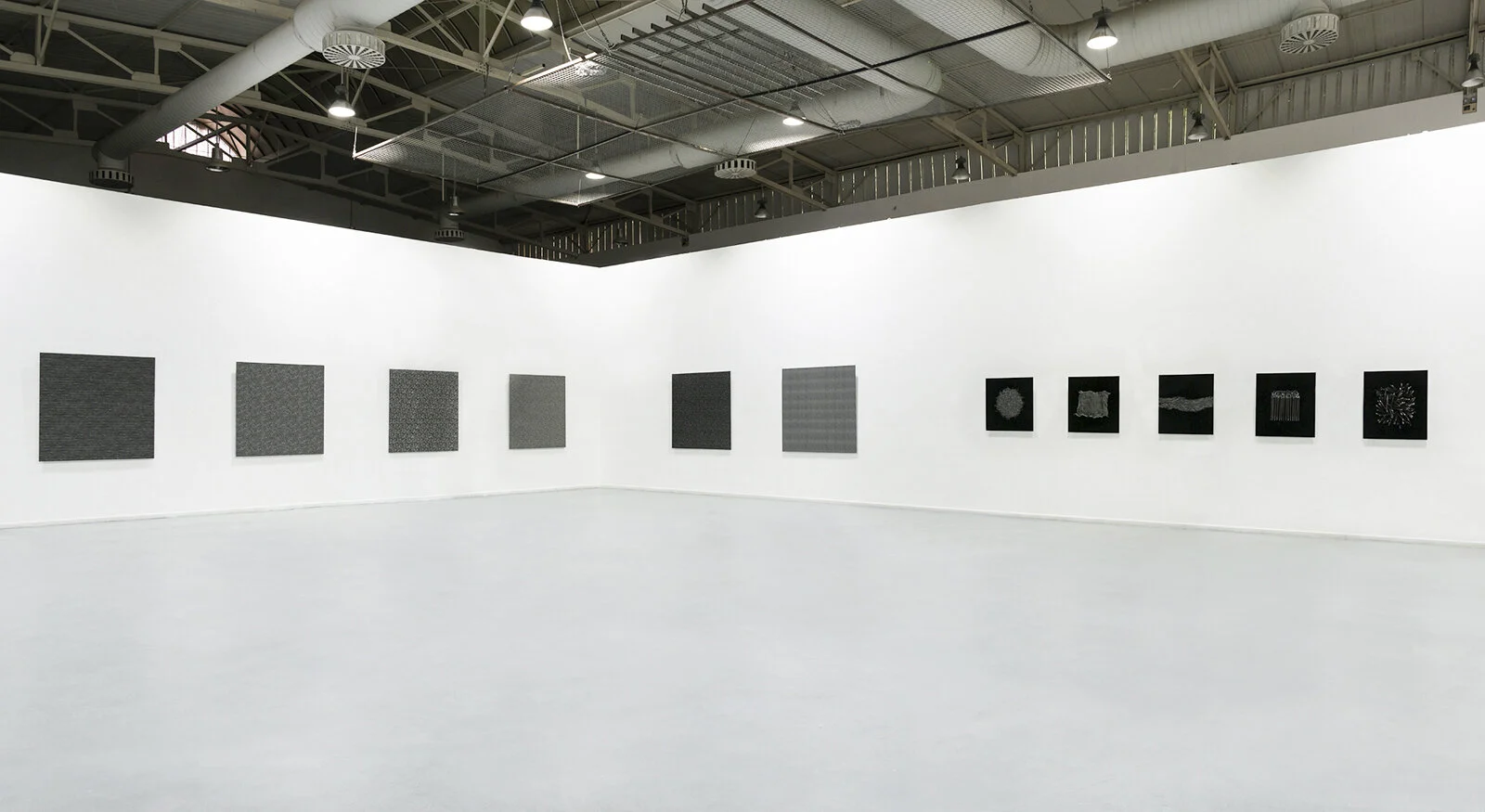
2014 / Installation view of BA Degree show, Athens School of Fine Arts, Athens, Greece
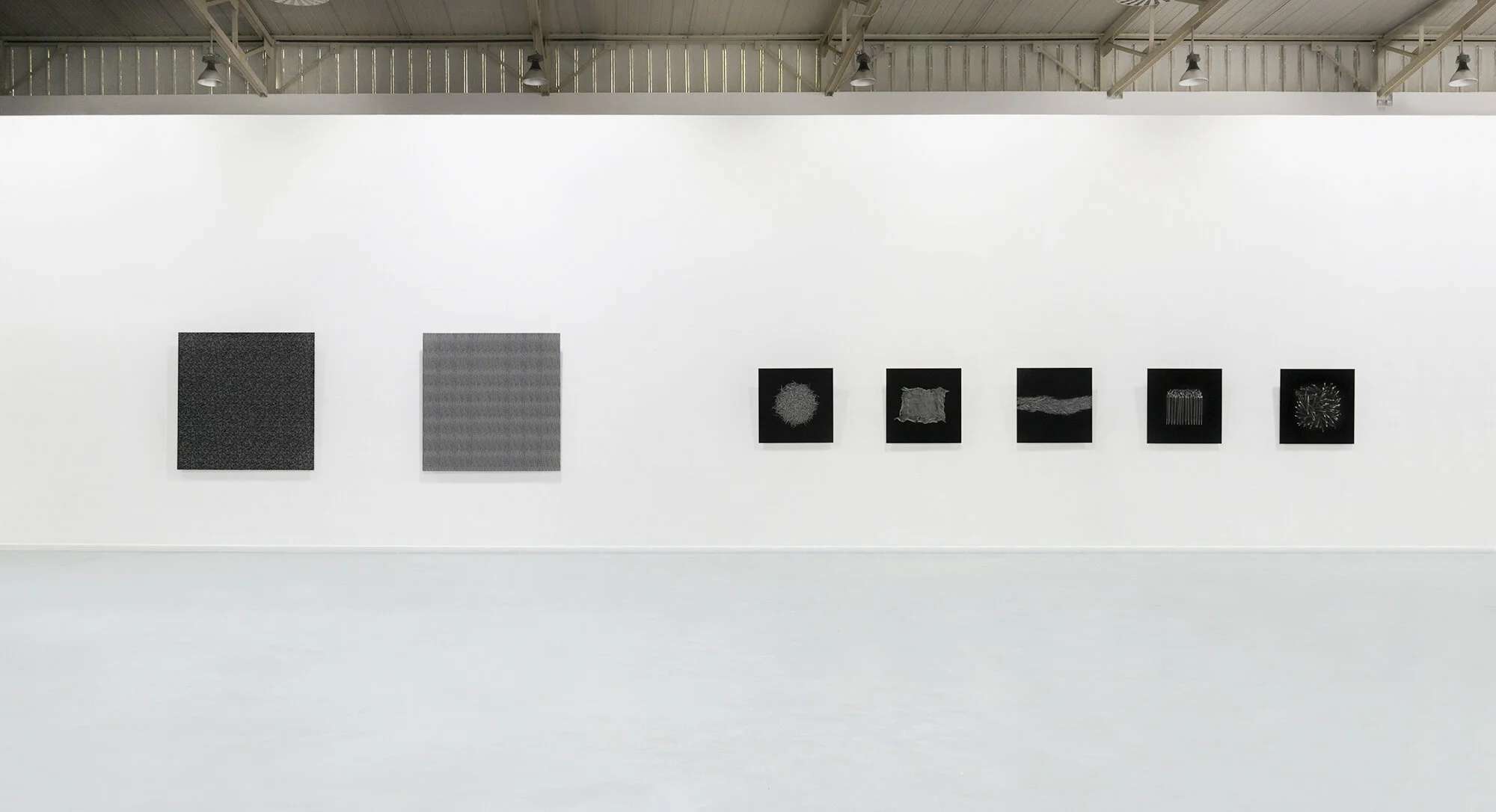
2014 / Installation view of BA Degree show, Athens School of Fine Arts, Athens, Greece
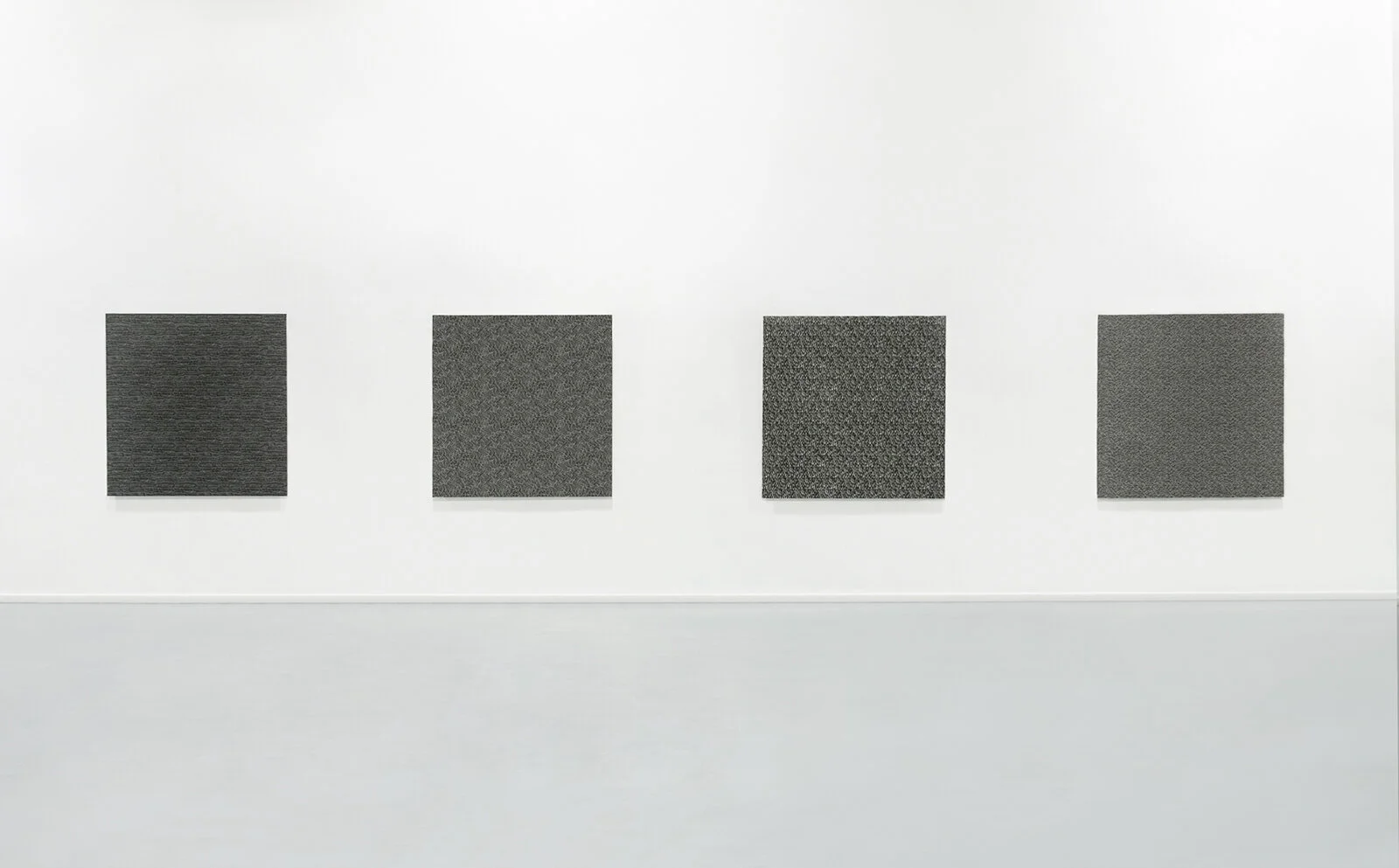
2014 / Installation view of BA Degree show, Athens School of Fine Arts, Athens, Greece
SELECTED PRESS
Yatzer / Fantasy, Symbolism and the Uncanny Meet in the Photography of Maria Mavropoulou / essay / english
NOM Studios / Artist Interview: Maria Mavropoulou / interview / english
und. Athens / Vast Data, Vast Isolation: The Family Portraits Series by Maria Mavropoulou / interview / english
ARTWORKS / Maria Mavropoulou / artist profile / english
Related projects: Systems, Interfaces & Opacity
Structures, interfaces and repeated signs make complex systems visible while keeping their inner workings partly out of reach.
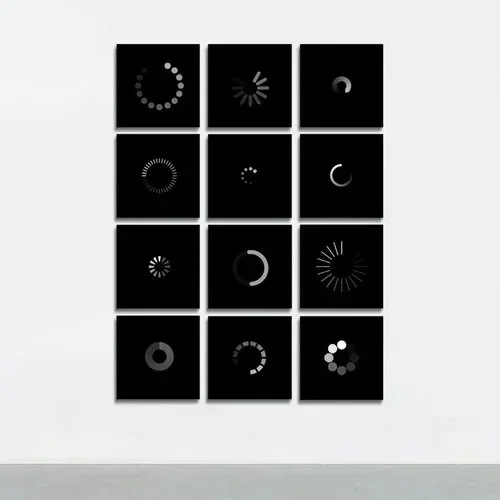
Typology of Waiting 2020
Loading symbols become painted forms, giving digital waiting a physical body and tracing the opacity of technological systems.
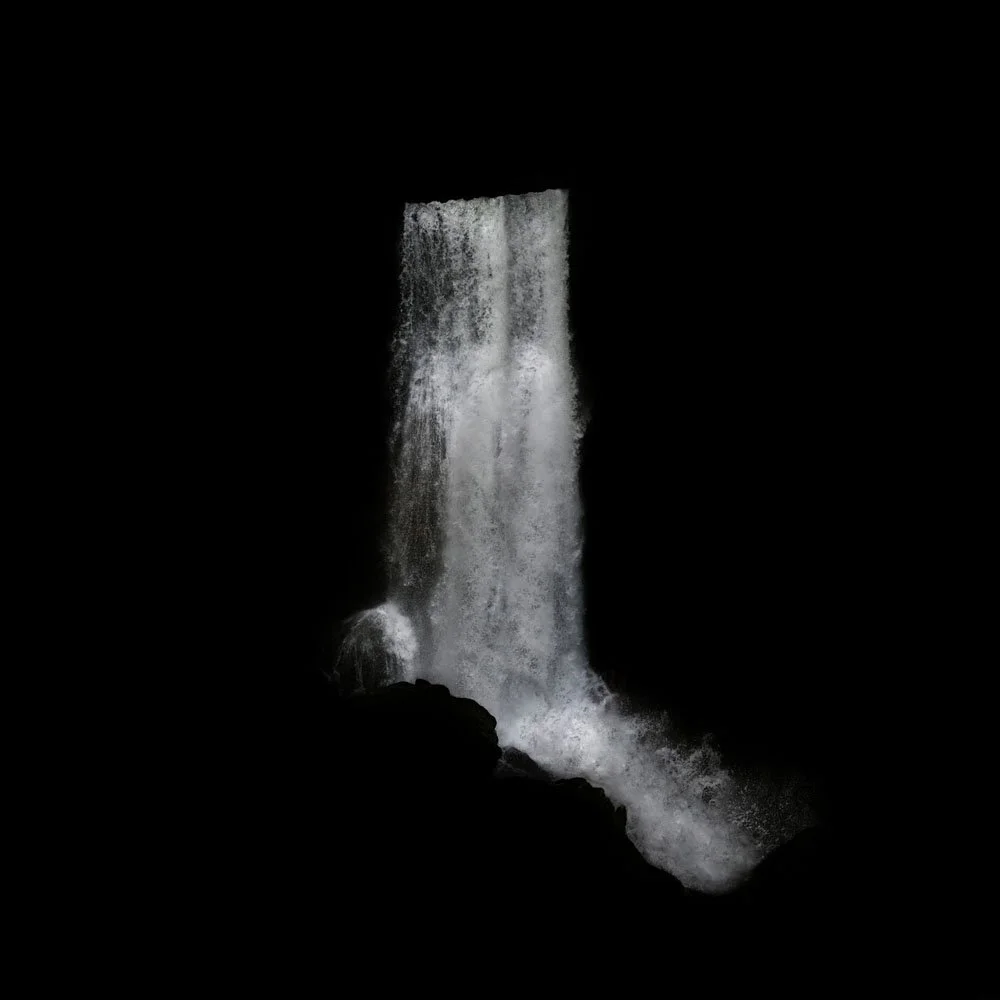
The Desire for Consciousness
Symbolic images move through mysticism, the construct of consciousness and the desire to locate awareness beyond the human body.
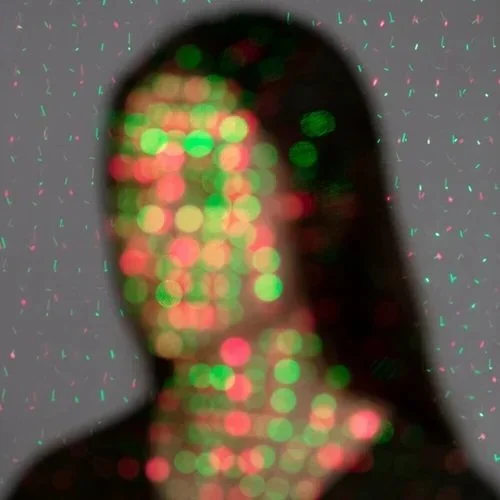
Image Eaters 2020
Algorithms consume images and reorganize what becomes visible, shaping us while we continue to shape them.
The Sleight of the Machine 2025
A short film turning AI’s limitations into a self-referential spectacle while concealing the systems of labor and power behind its apparent autonomy.
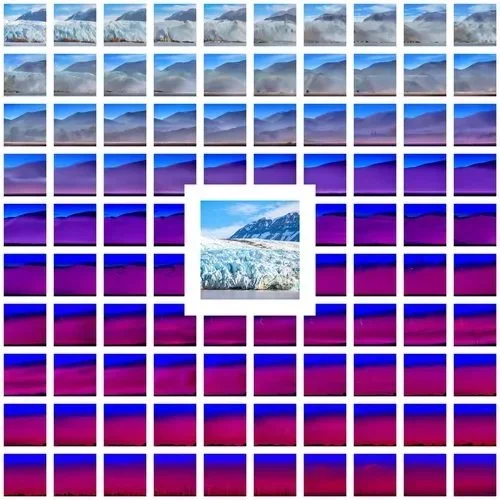
Ecologies of Noise 2025-2026
Images of endangered landscapes are fed into a recursive AI feedback loop, linking AI’s effects on visual culture with technology’s environmental impact and exposing the system’s attractor state.