An Index of Latent Space
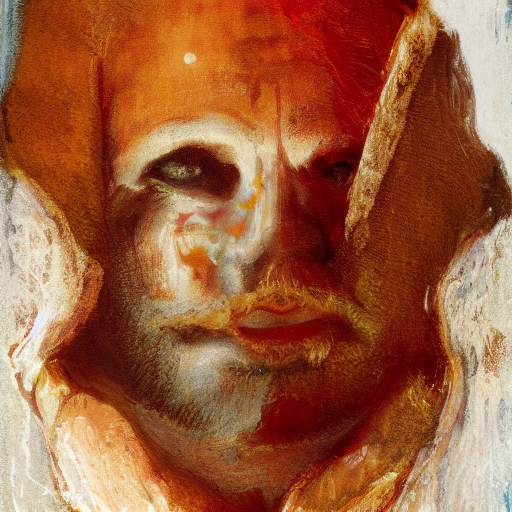
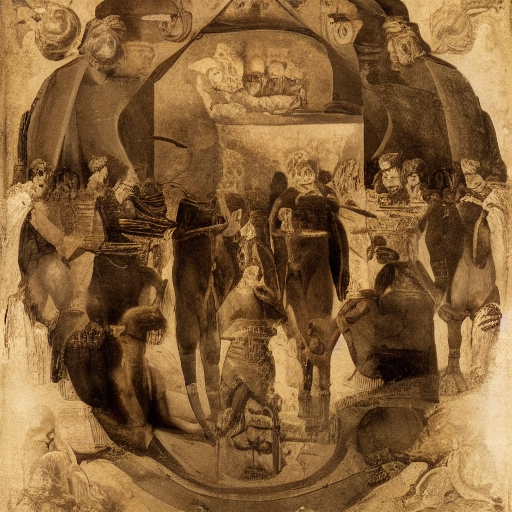
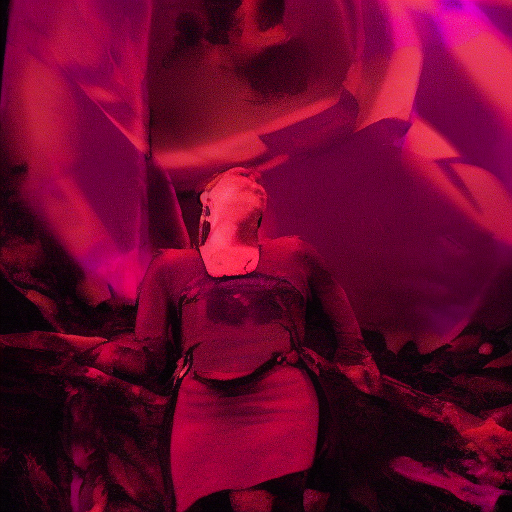
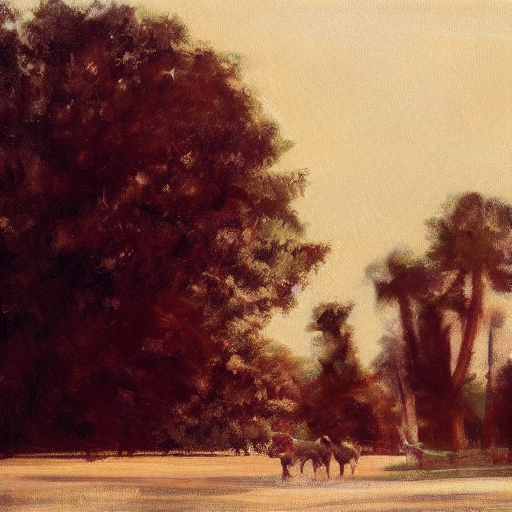
An Index of Latent space is a working title for an ongoing project that continues my research into AI as a lens turned inwards, towards the visual culture that has trained and shaped these systems. To do so I am using a custom-coded software I built to examine model collapse, and an image-to-image AI generator without entering any prompt. The process begins by importing to the system a 50% gray image, a reference to the photographer’s gray card used for camera calibration and white balance. As of software parameters,denoising strength that determines how much each generated image refers to the previous one is increased to the maximum. When this value reaches its highest point, the system no longer has to remain faithful to the initial gray card, rather, it is allowed to drift.
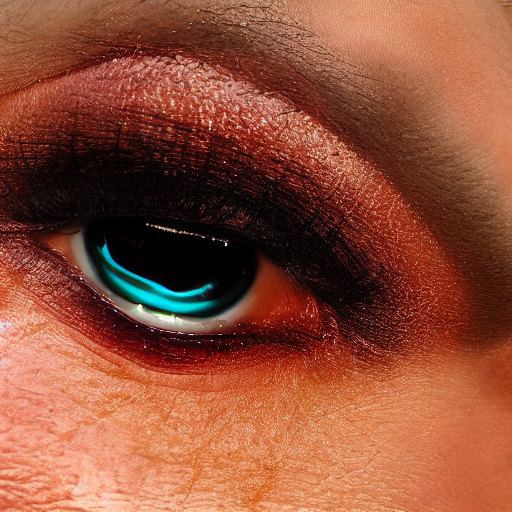
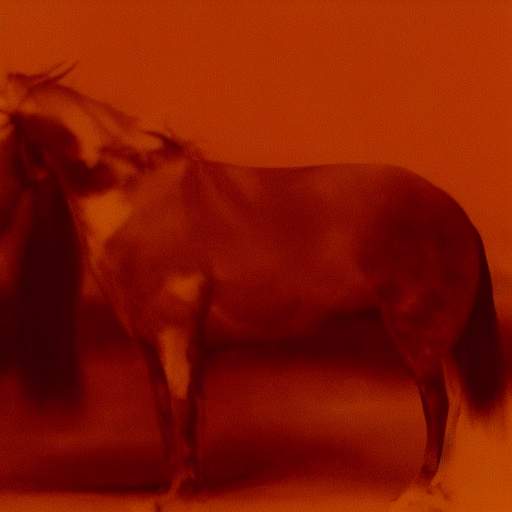
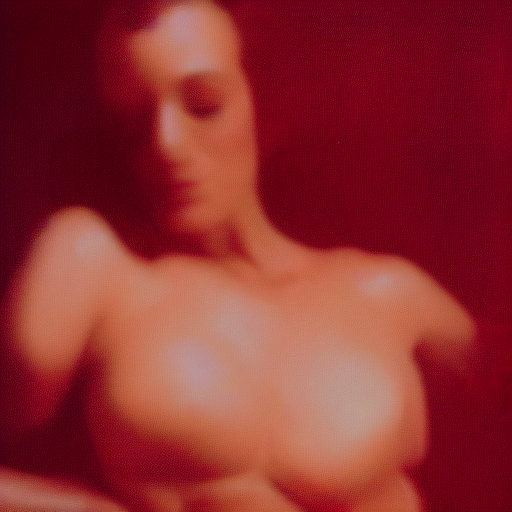
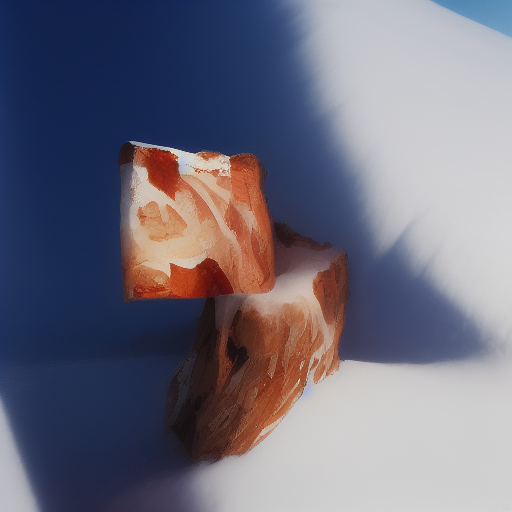
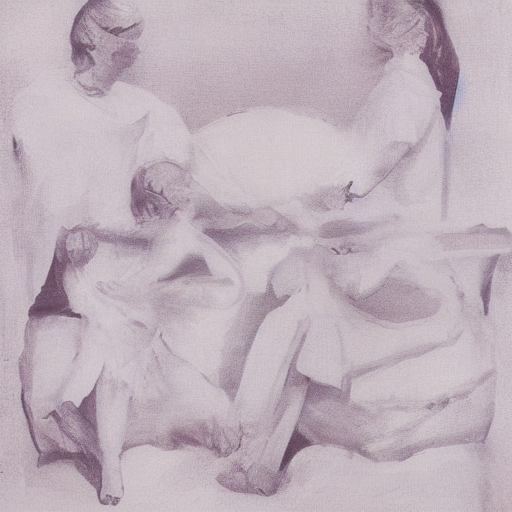
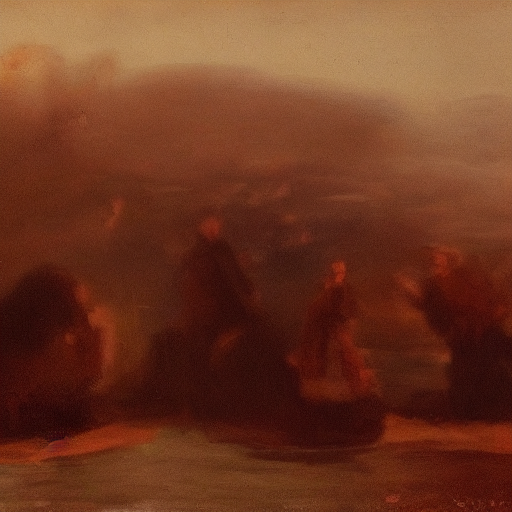
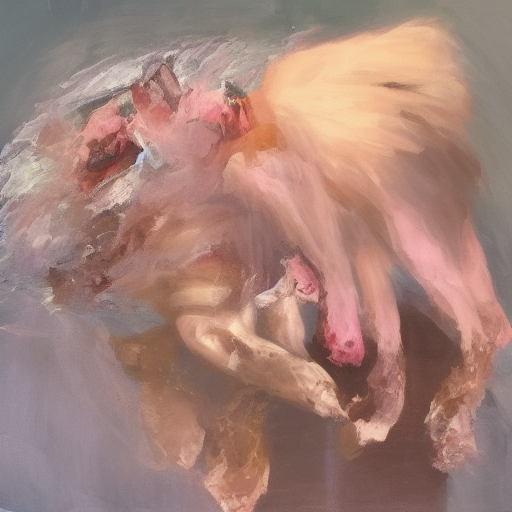
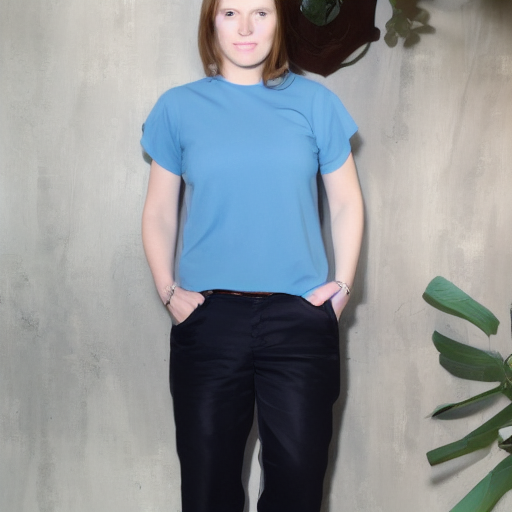
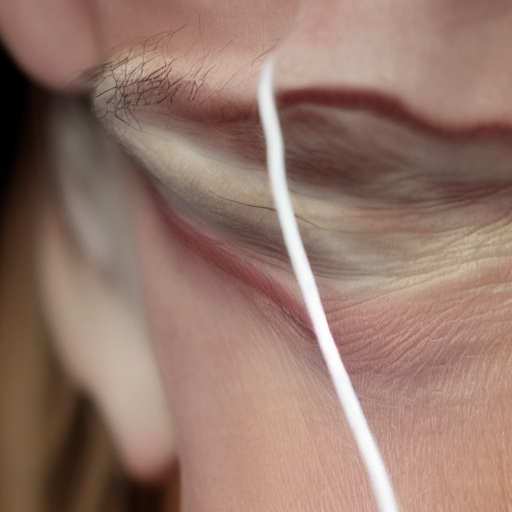
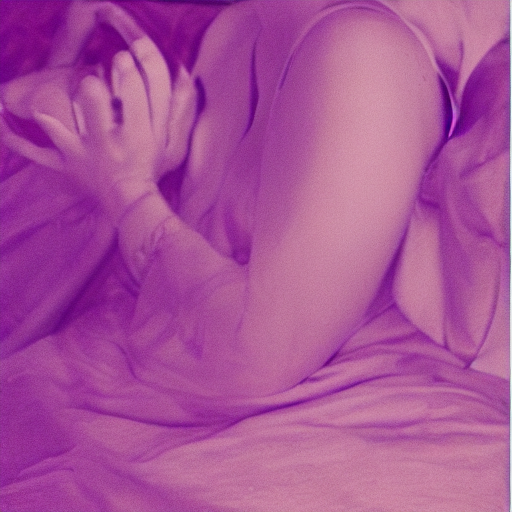
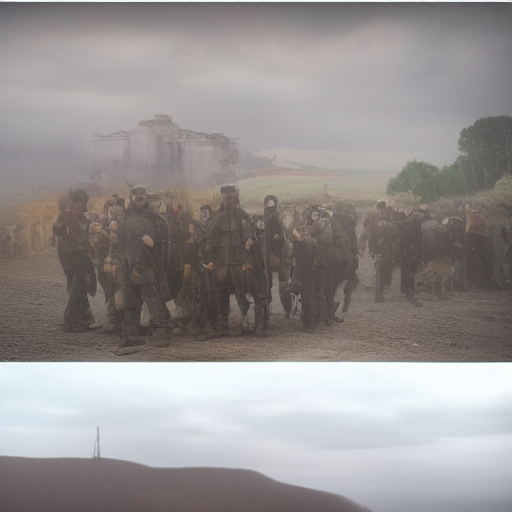
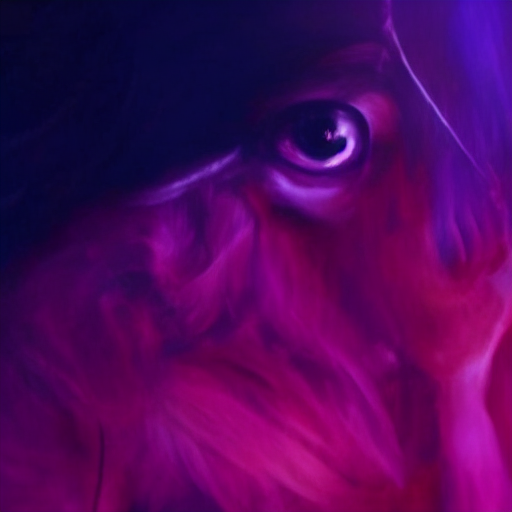
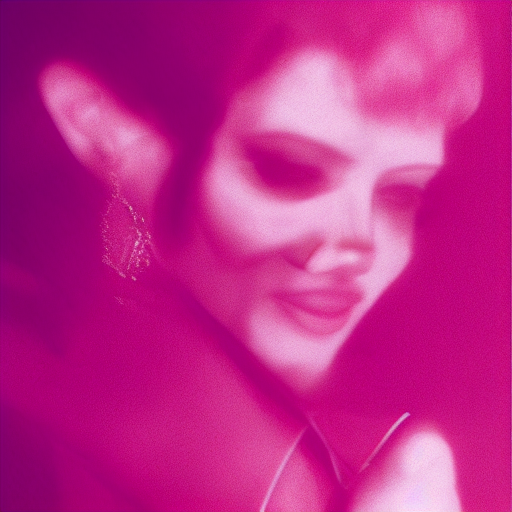
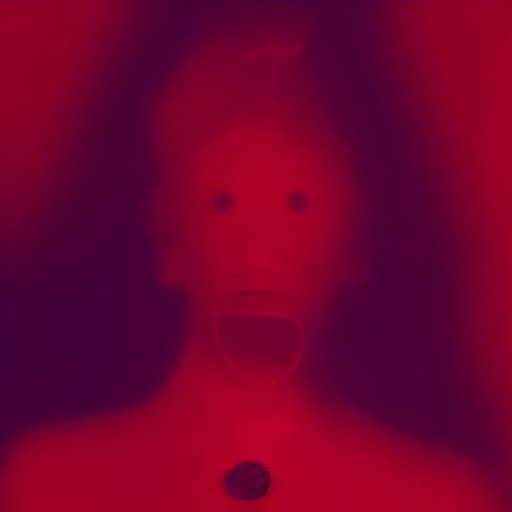
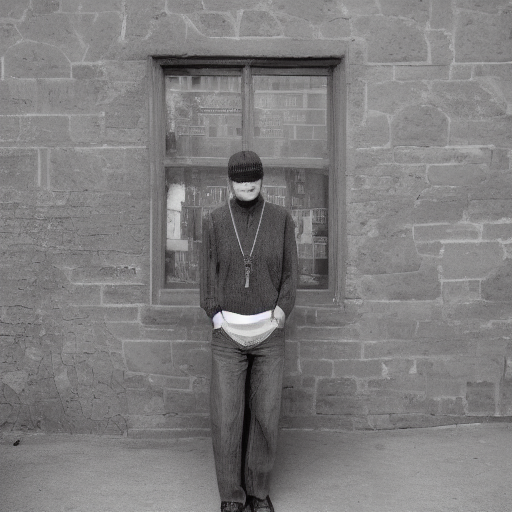
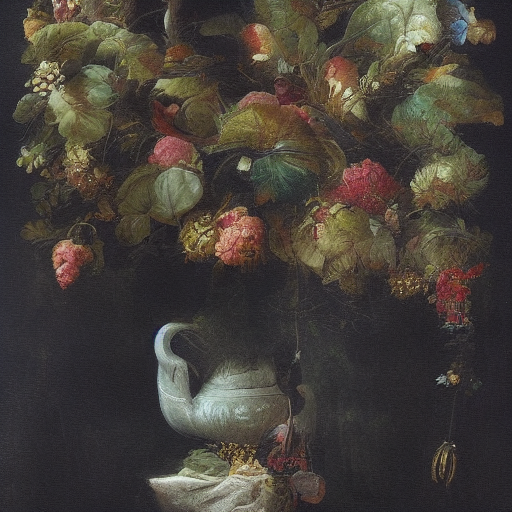
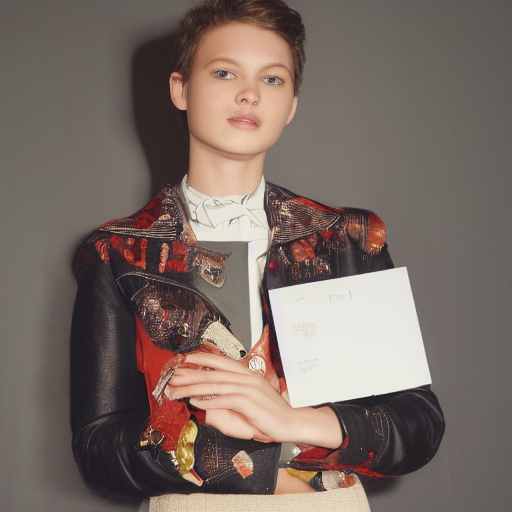
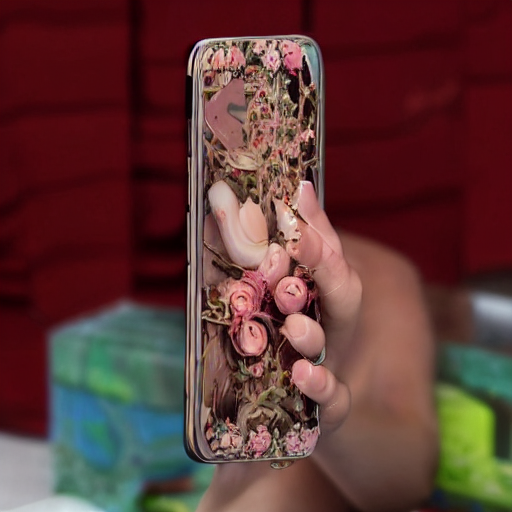
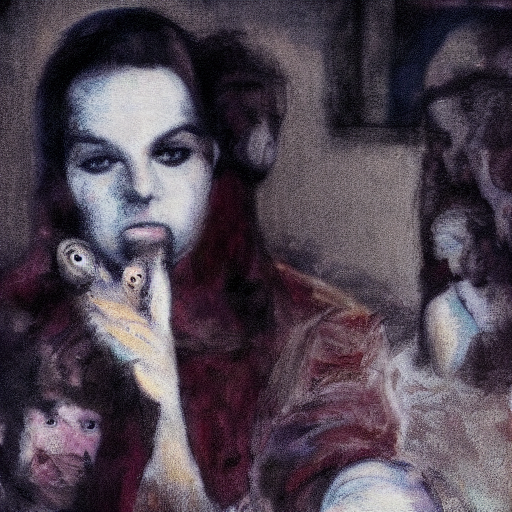
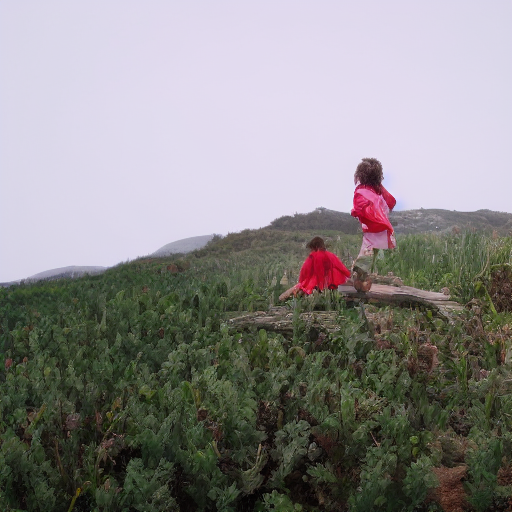
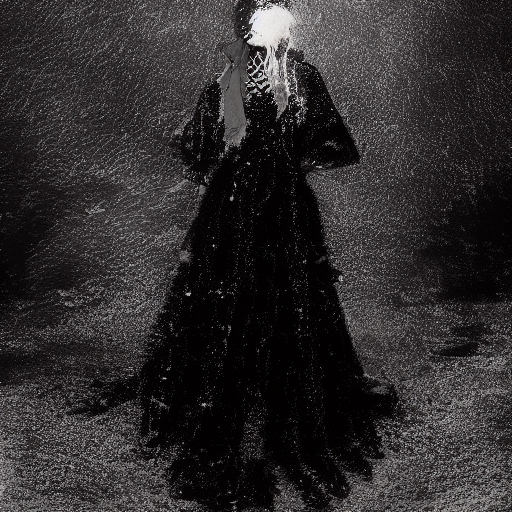
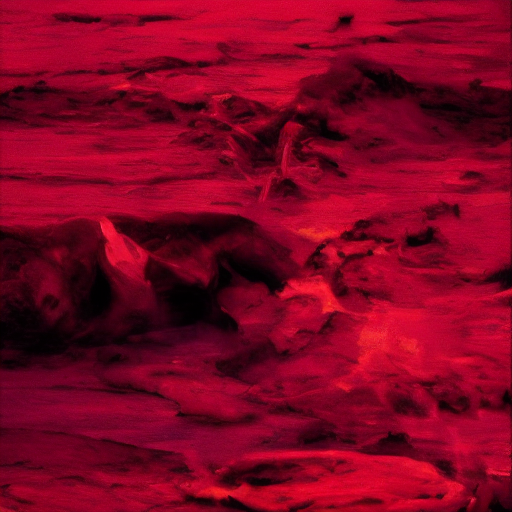
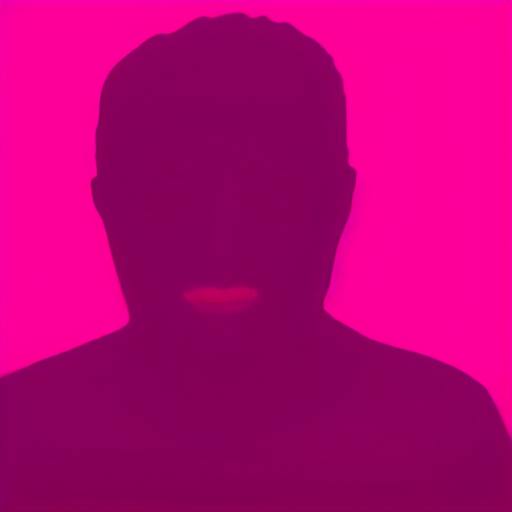
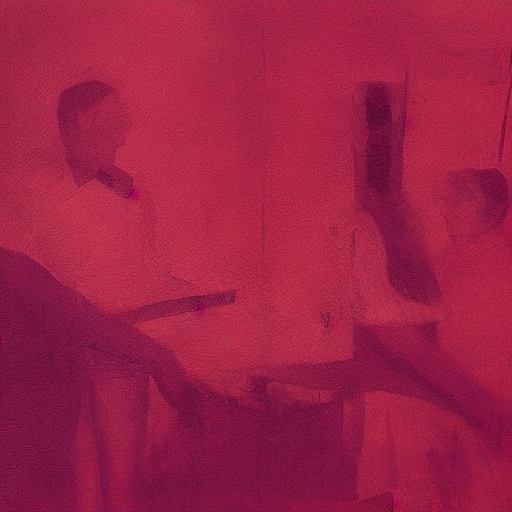
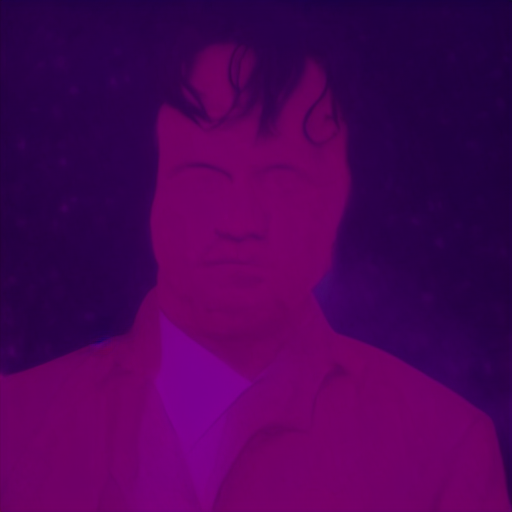
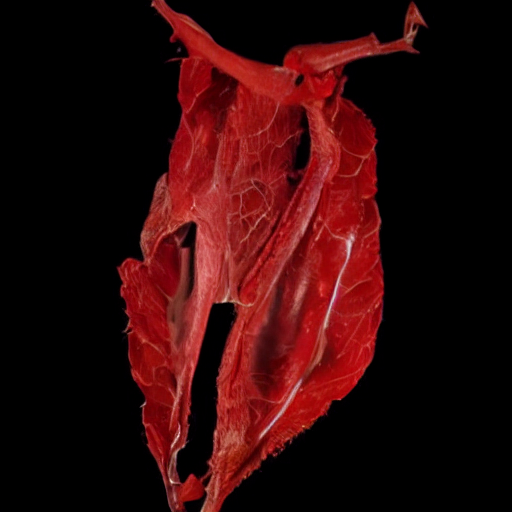
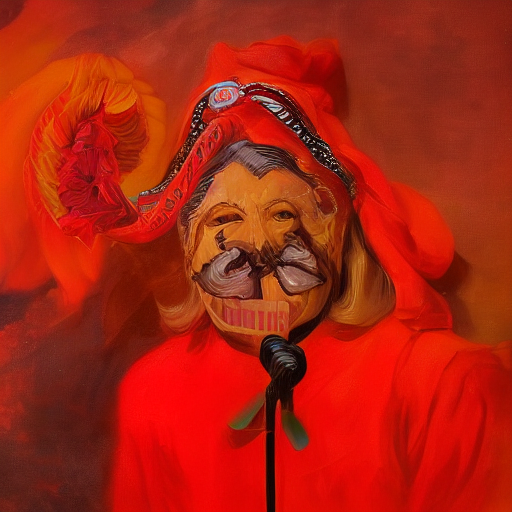
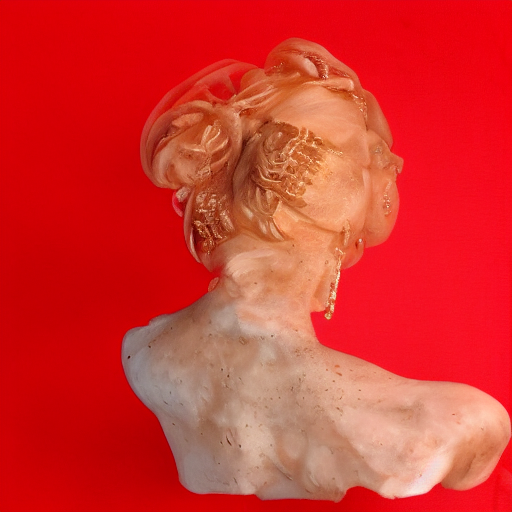
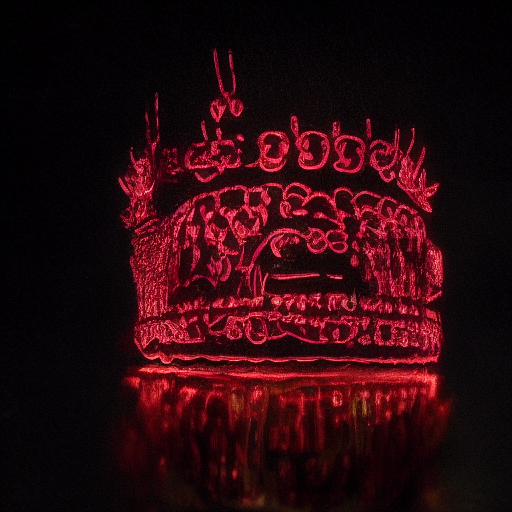
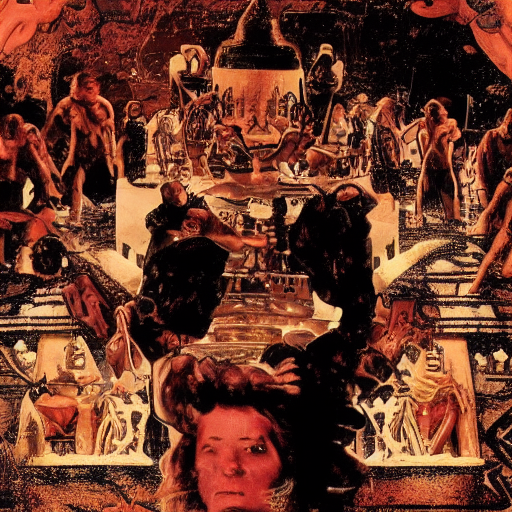
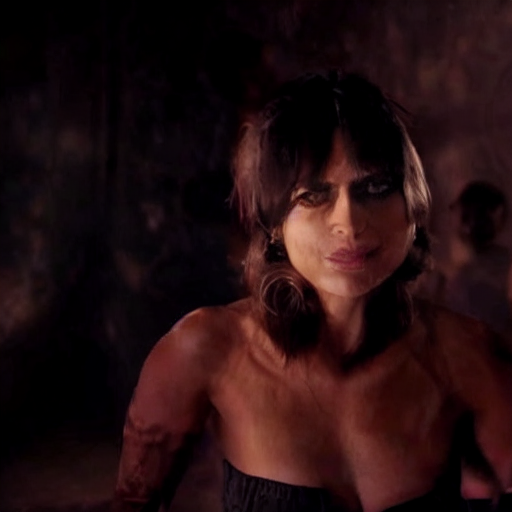
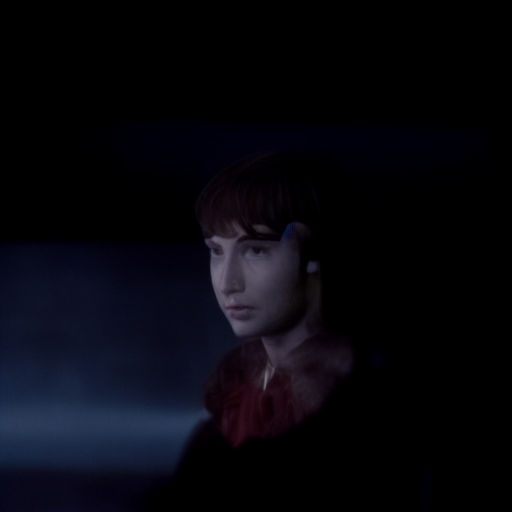
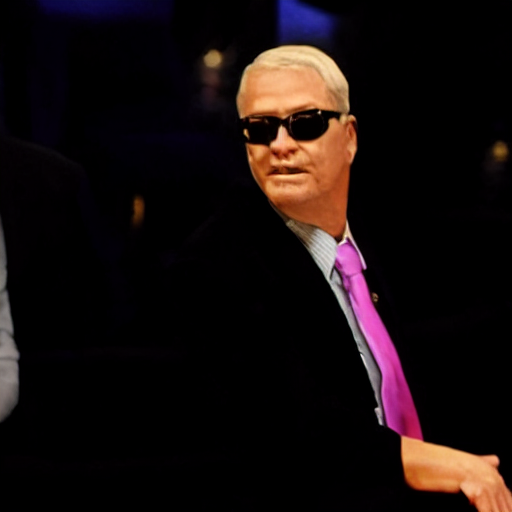
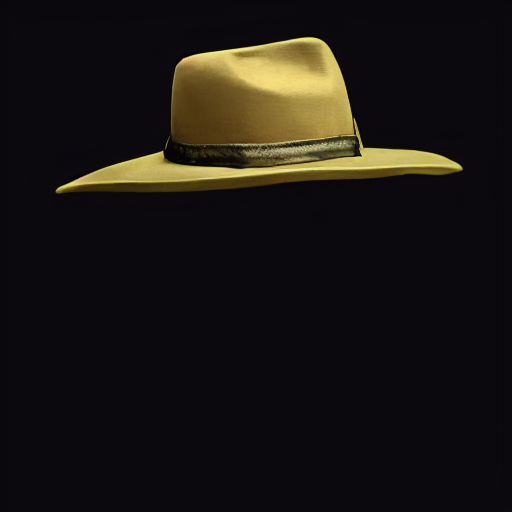
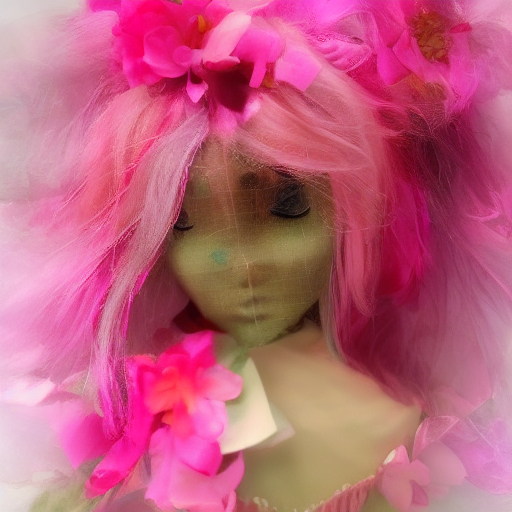
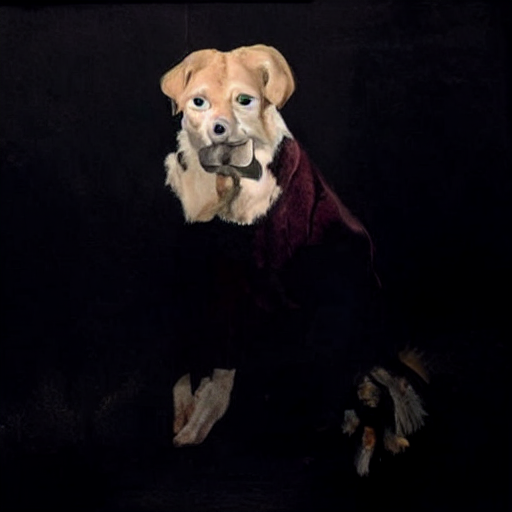
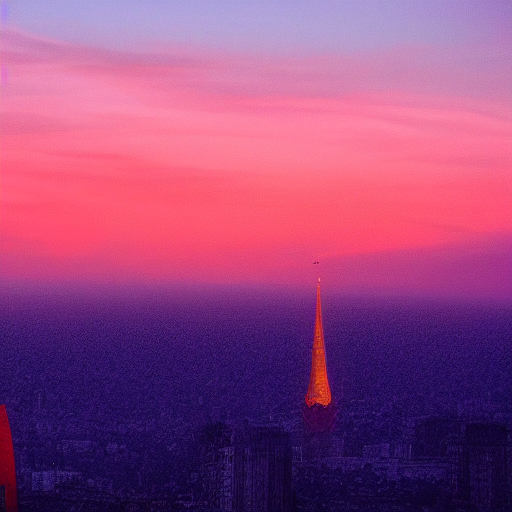
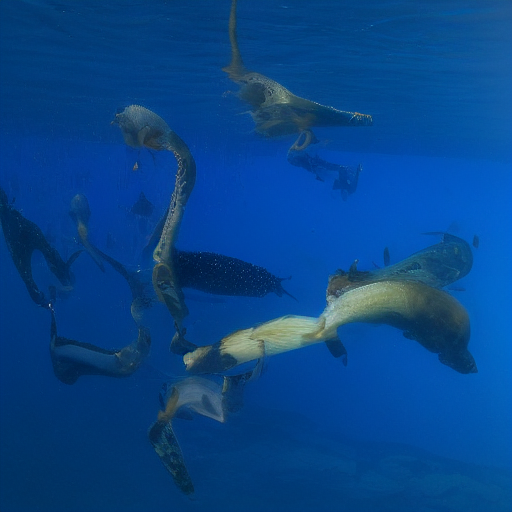
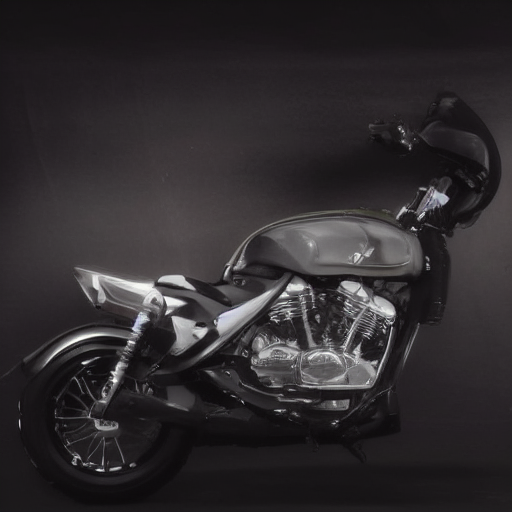
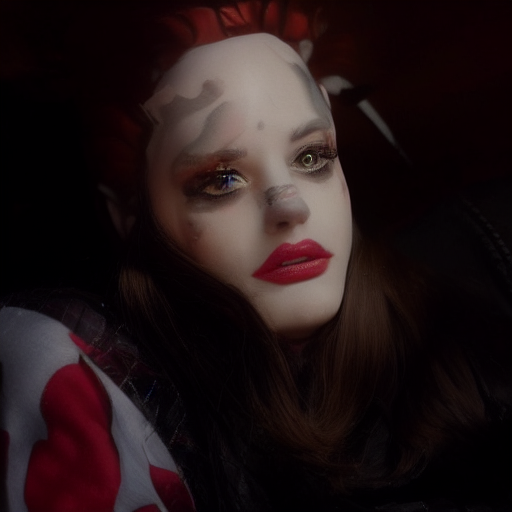
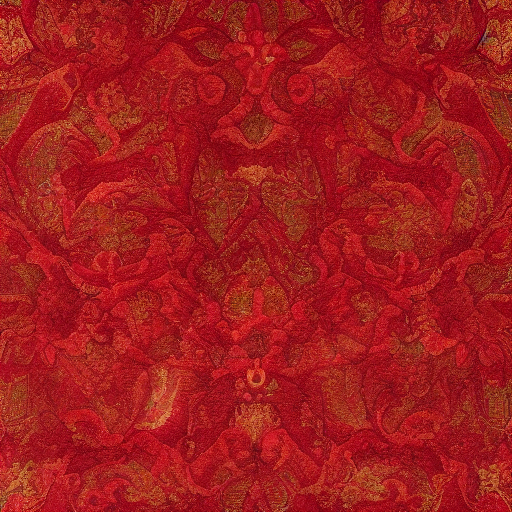
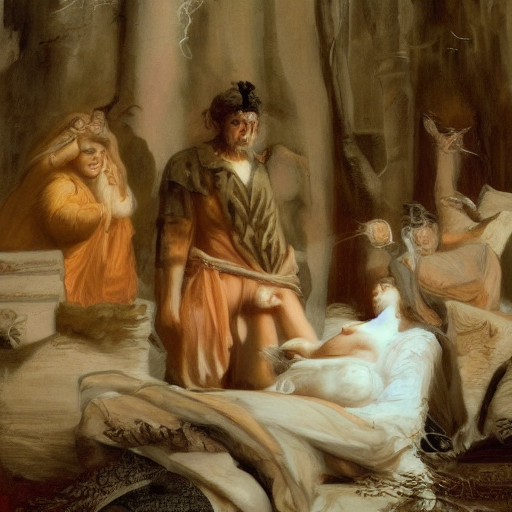
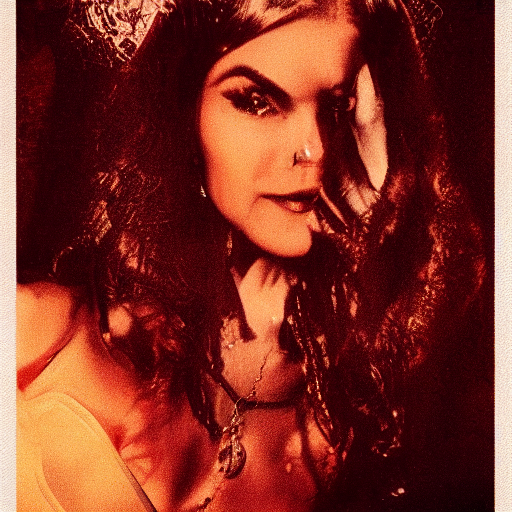
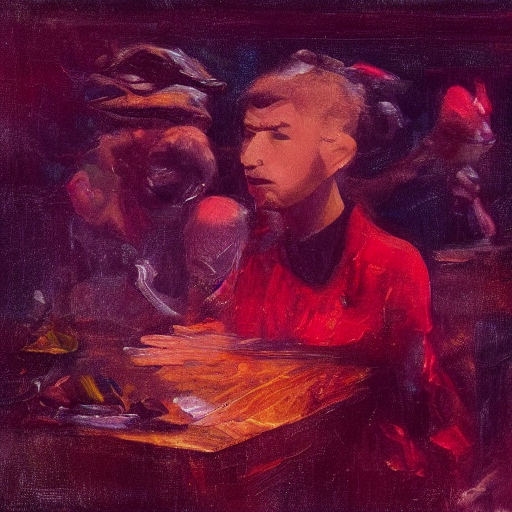
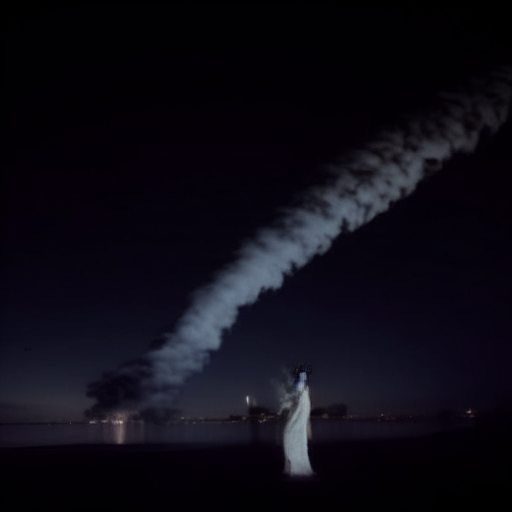
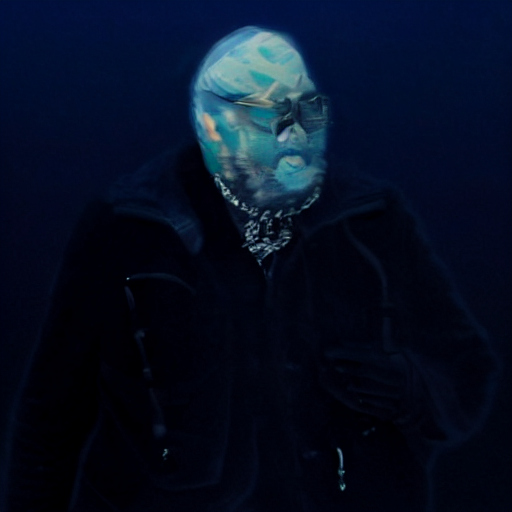
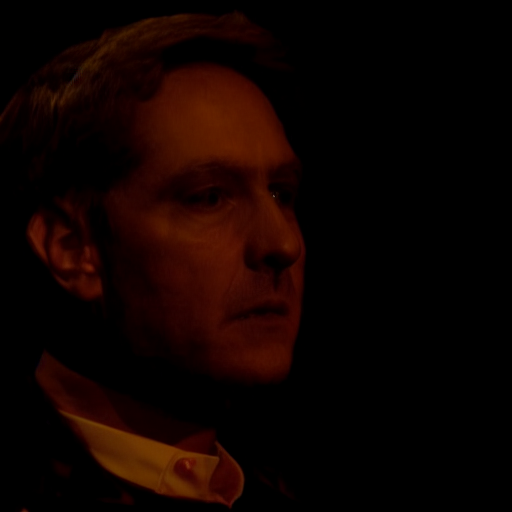
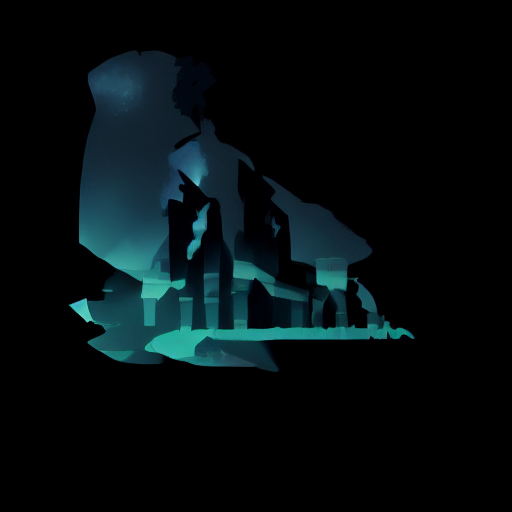
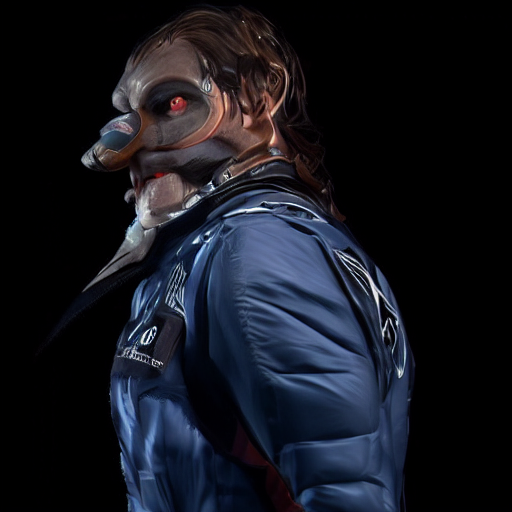
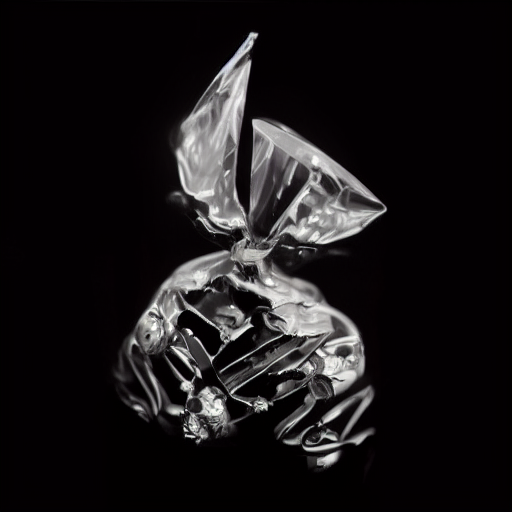
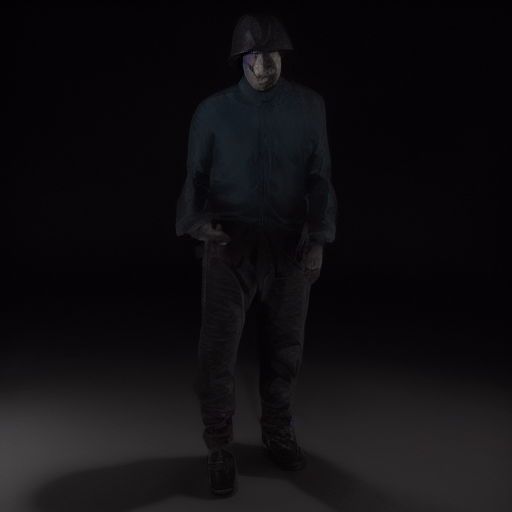
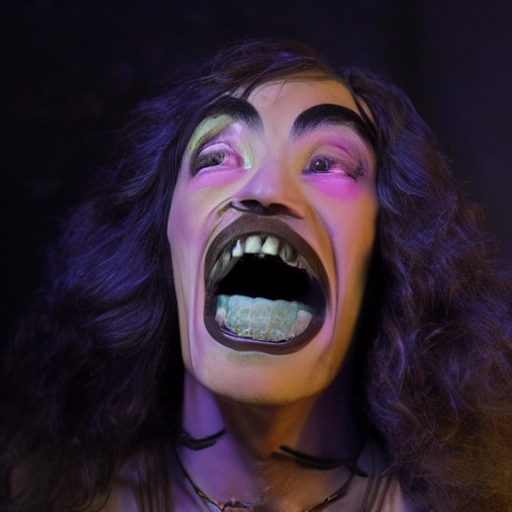
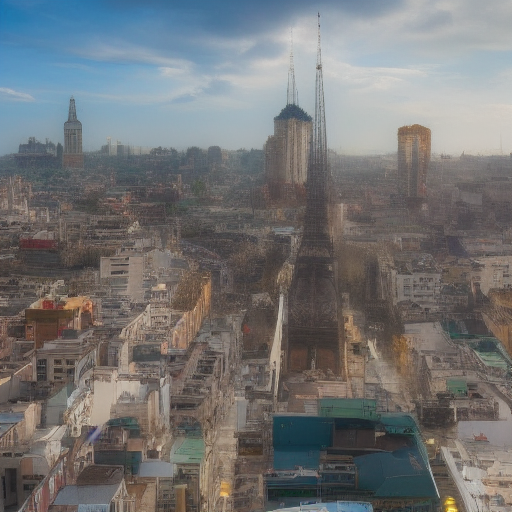
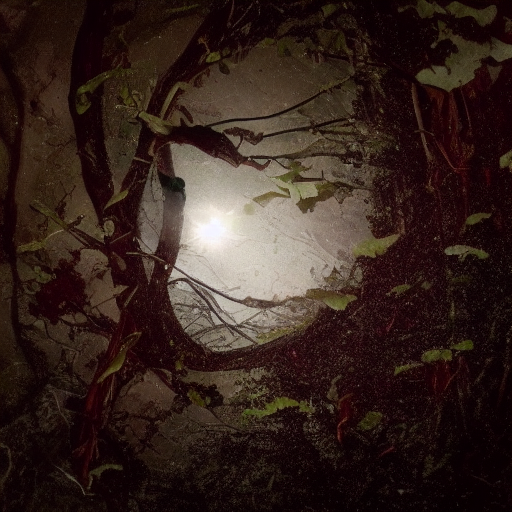
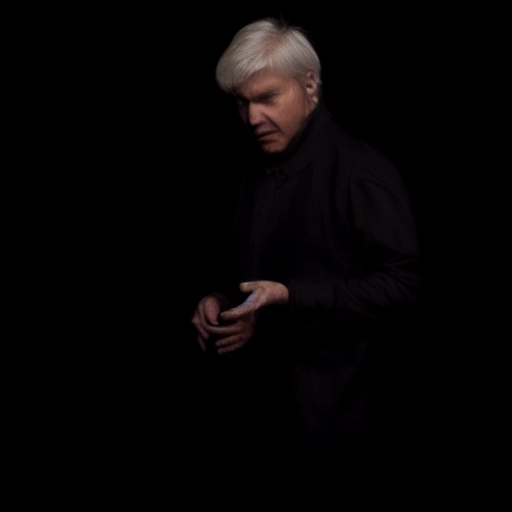
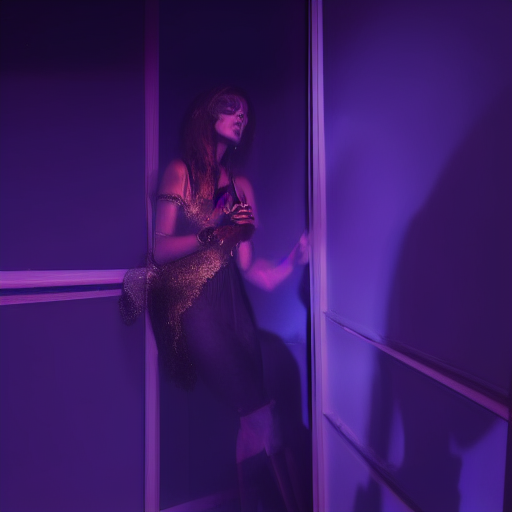
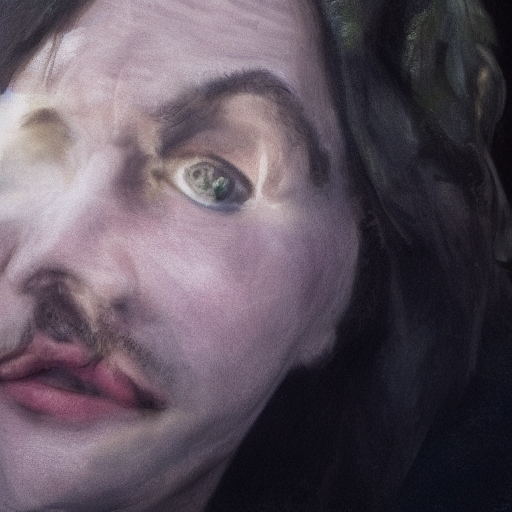
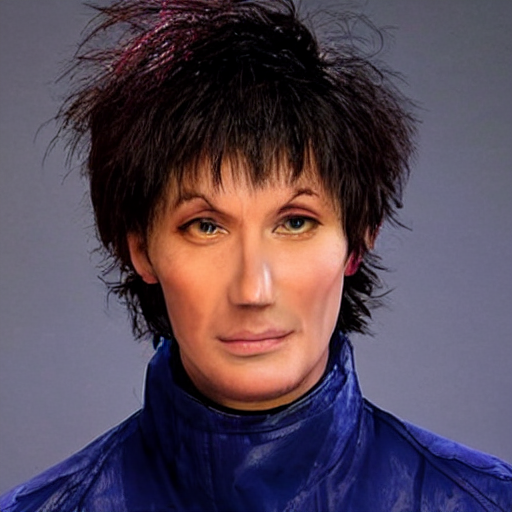
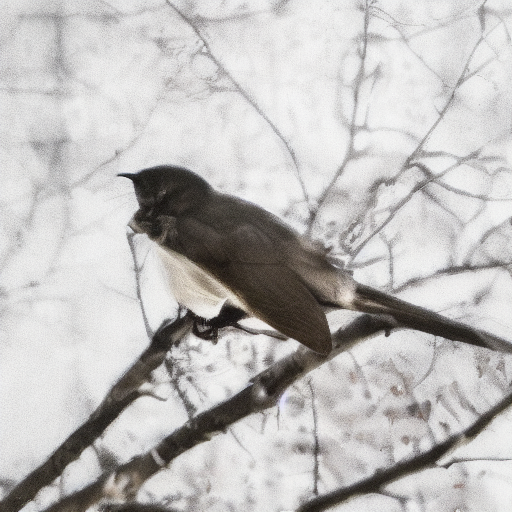
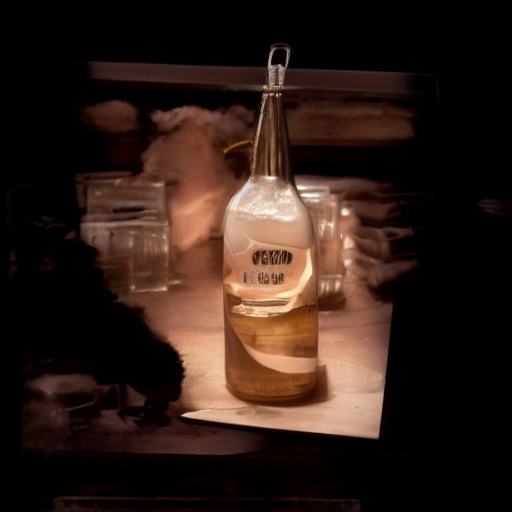
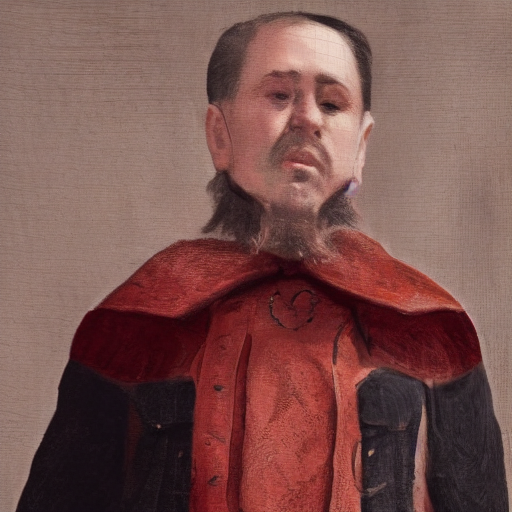
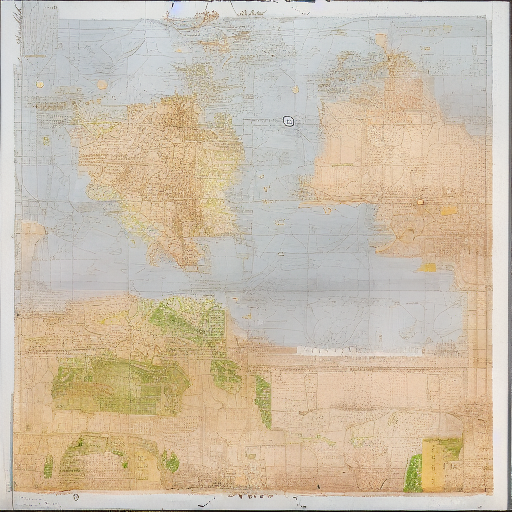
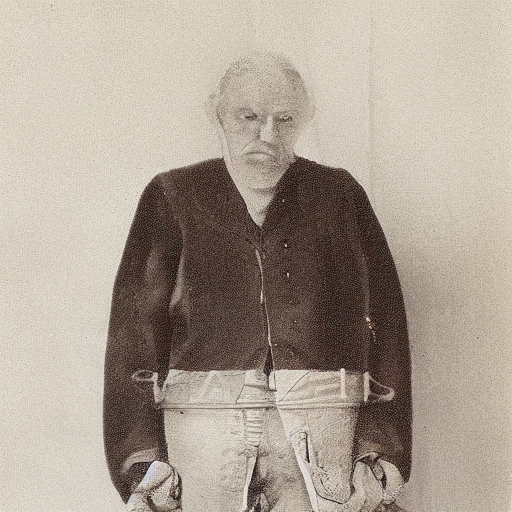
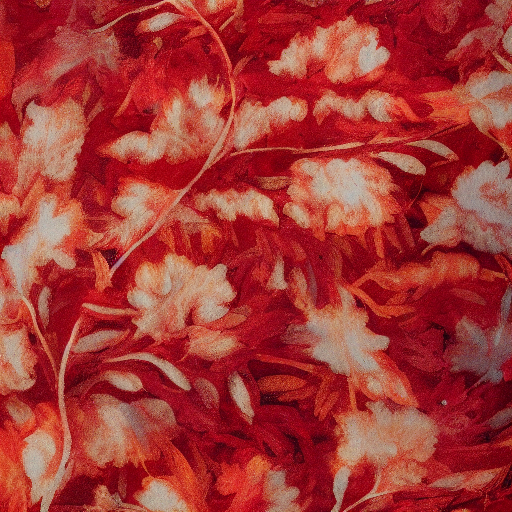
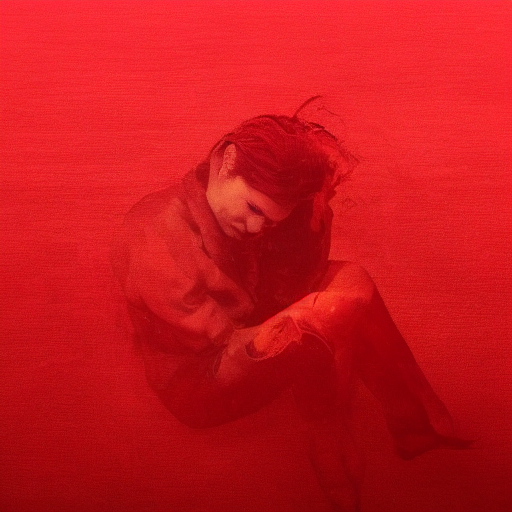
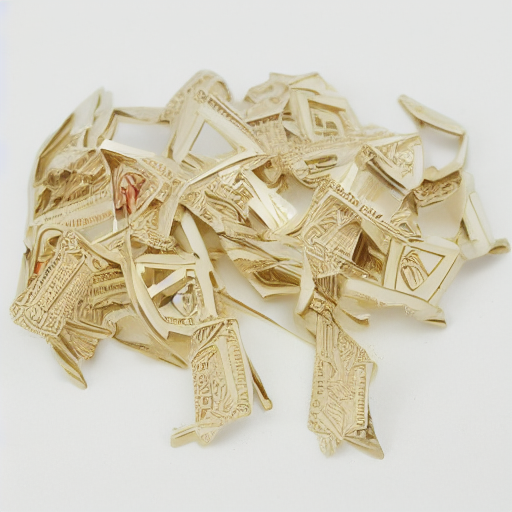
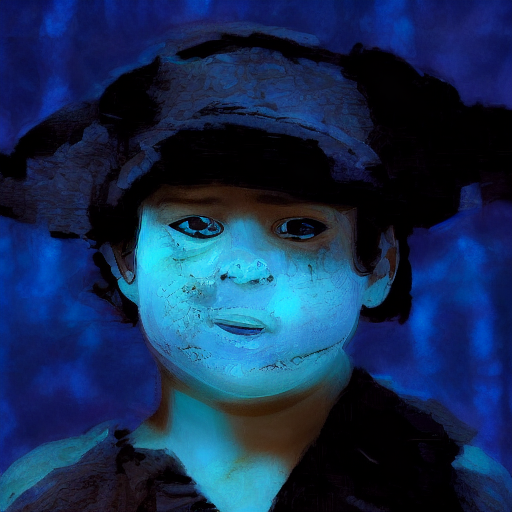
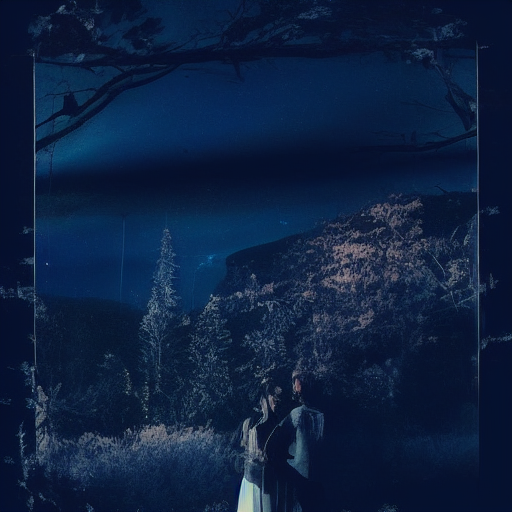
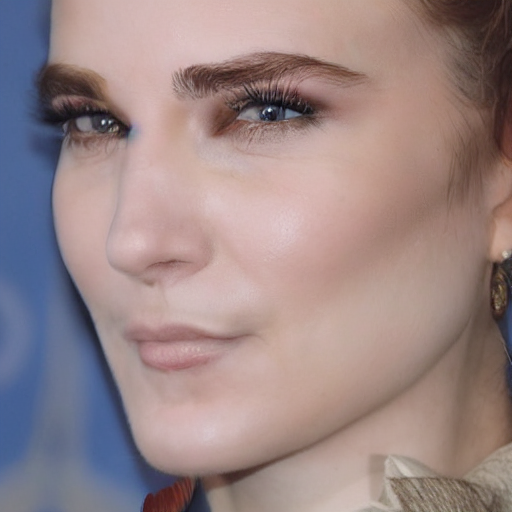
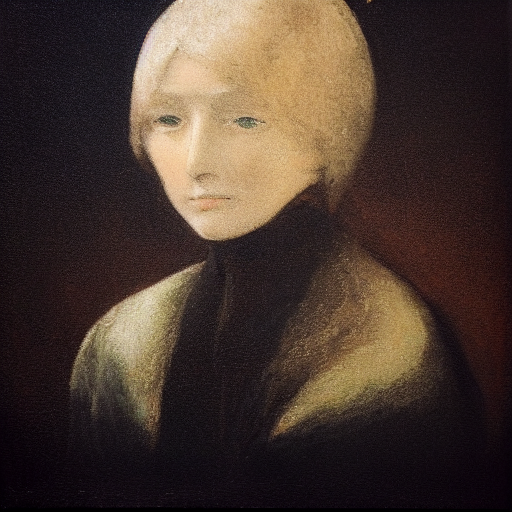
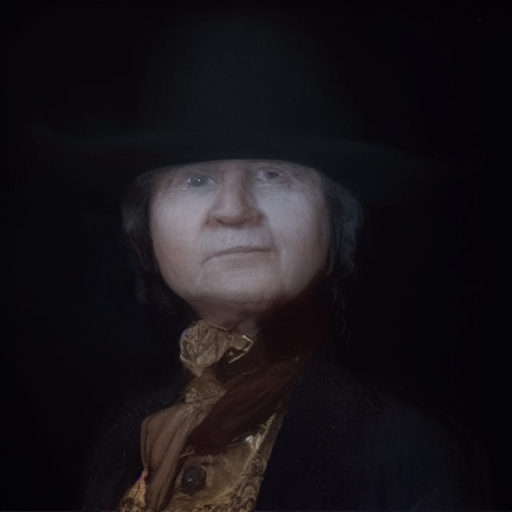
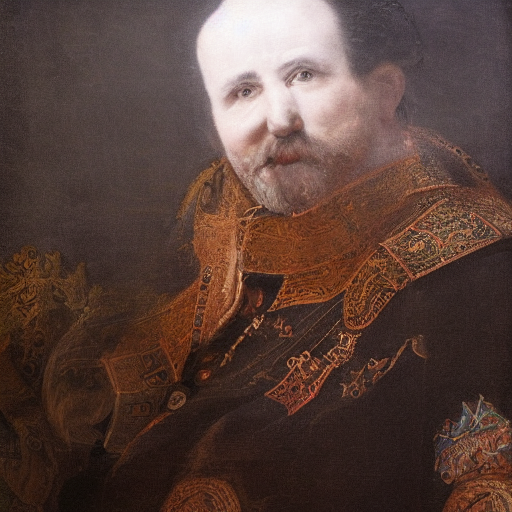
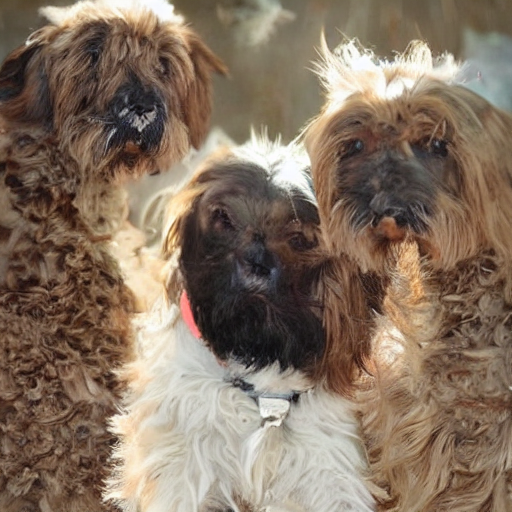
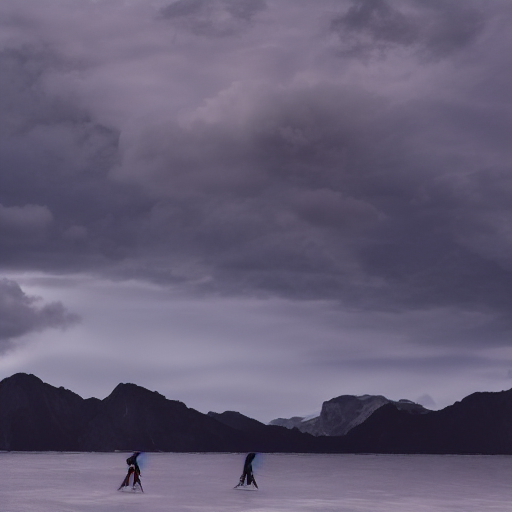
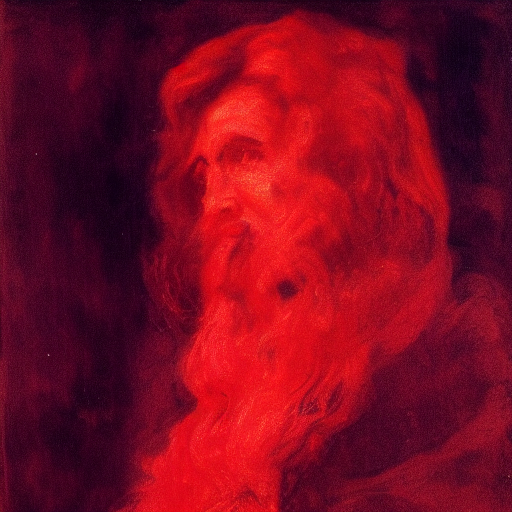
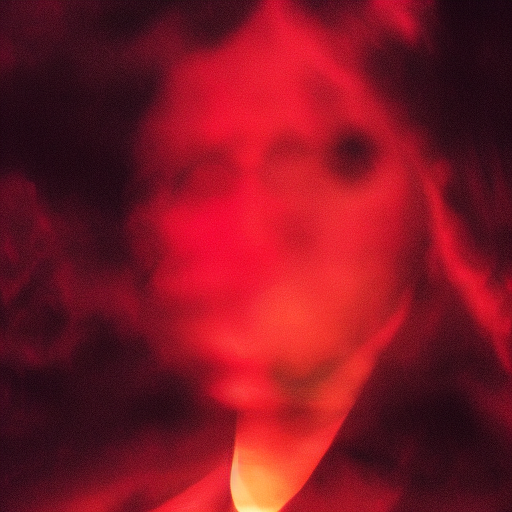
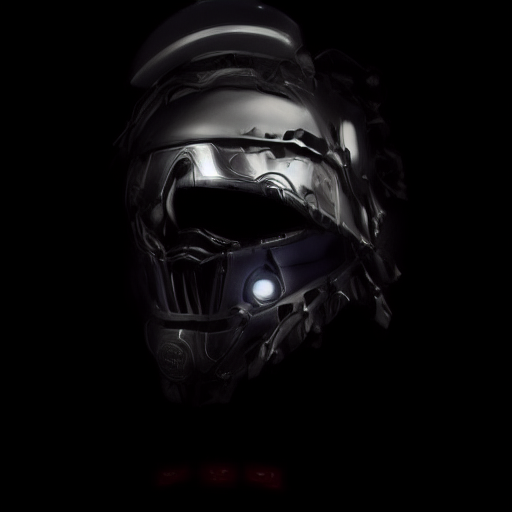
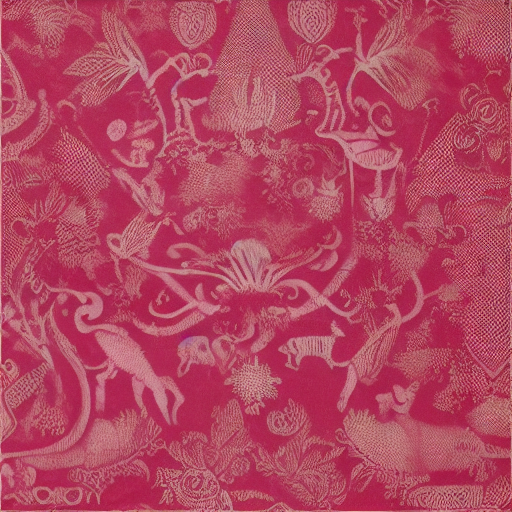
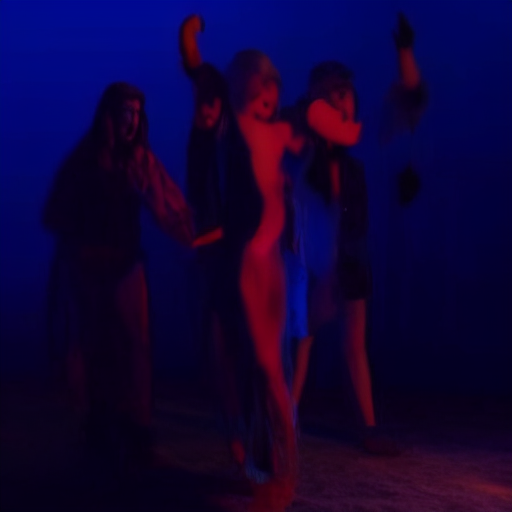
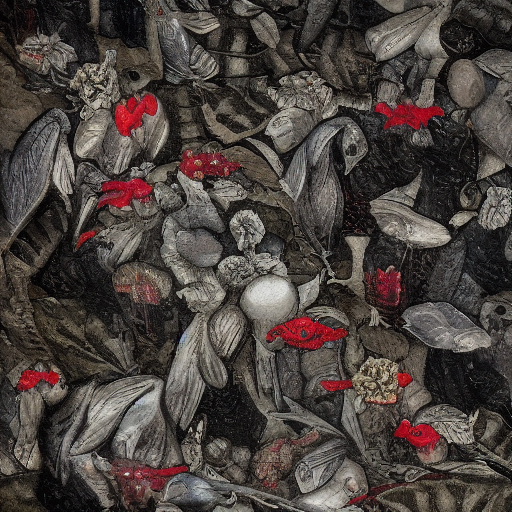
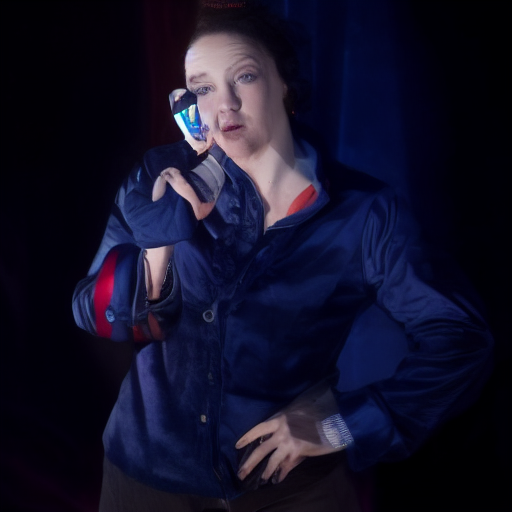
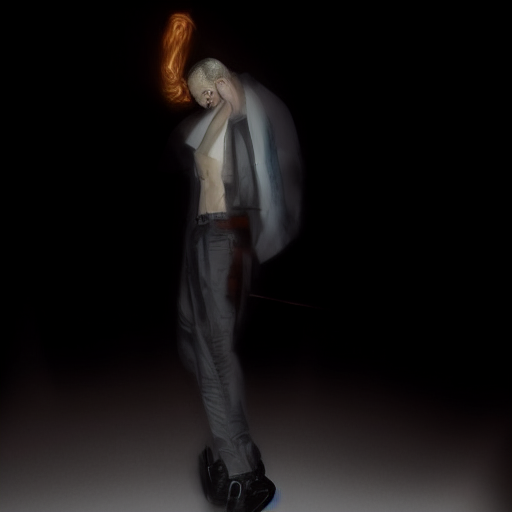
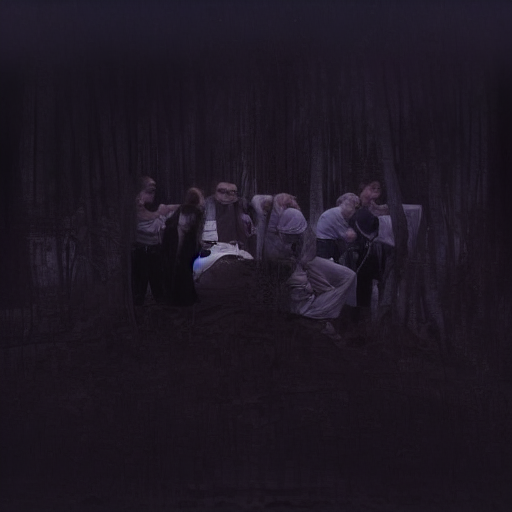
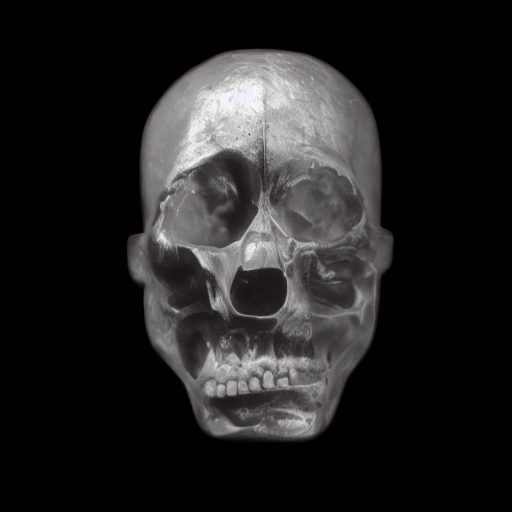
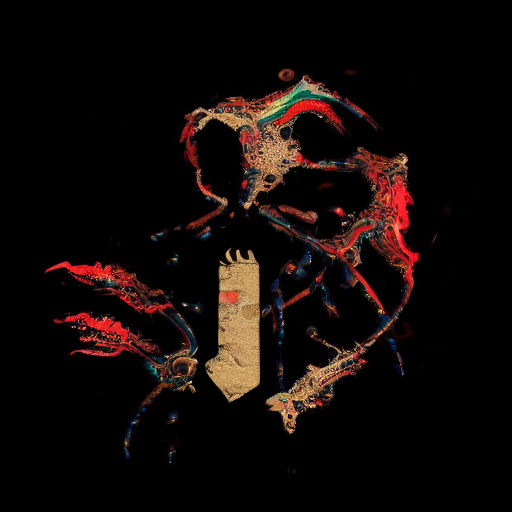
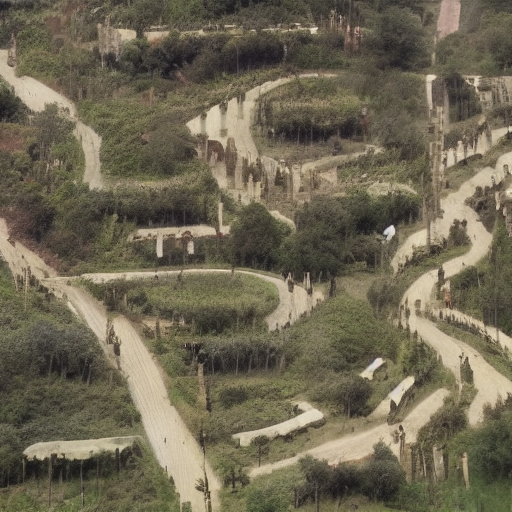
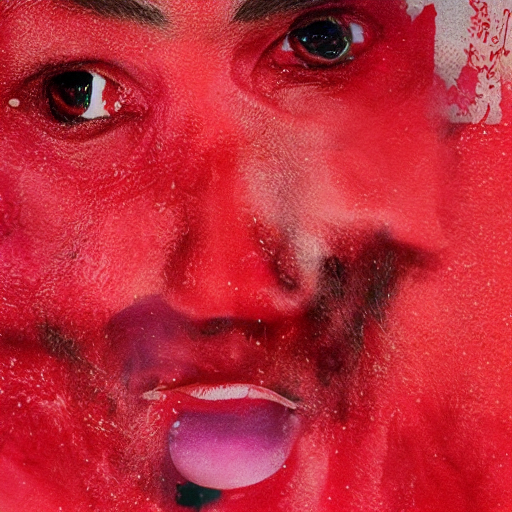
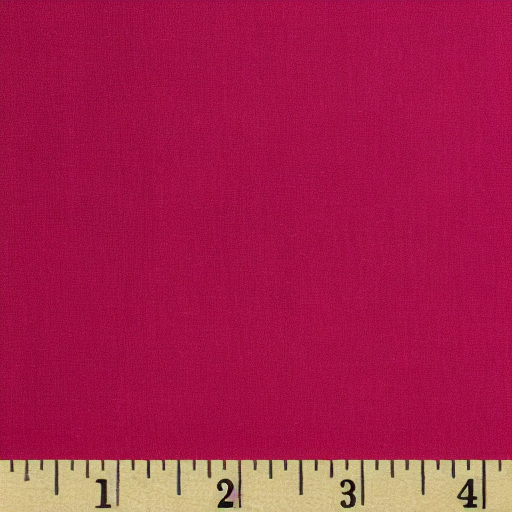
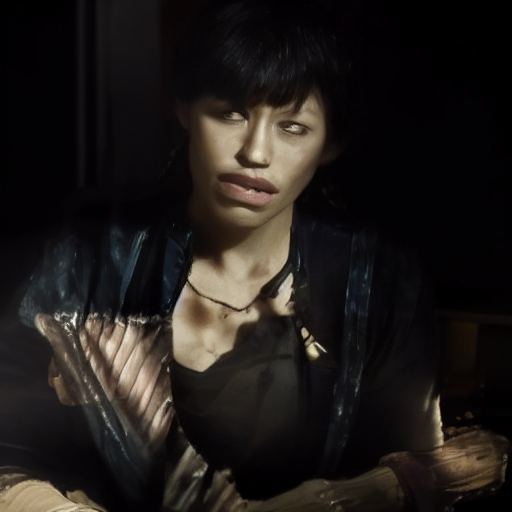
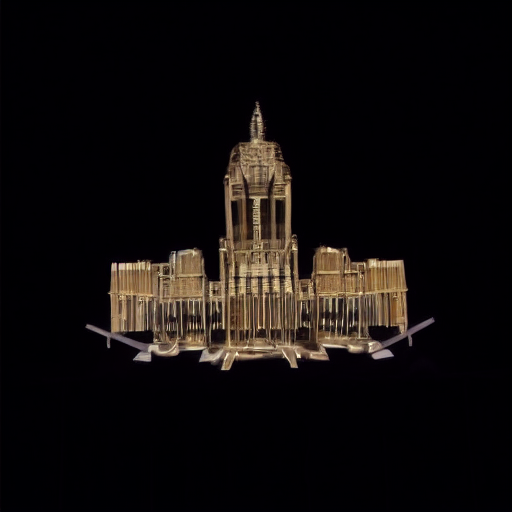
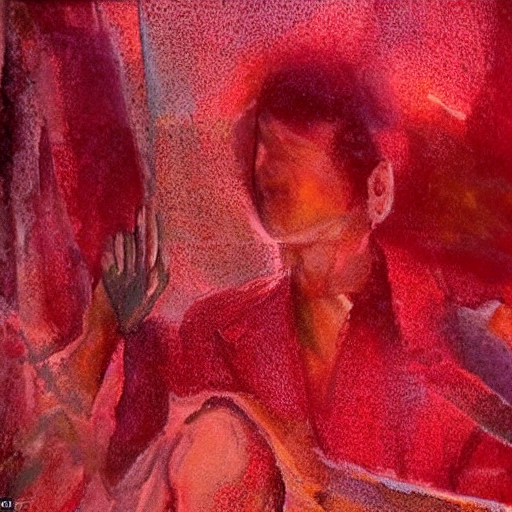
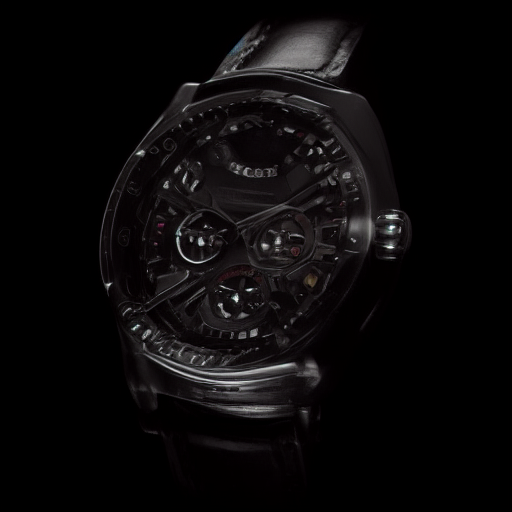
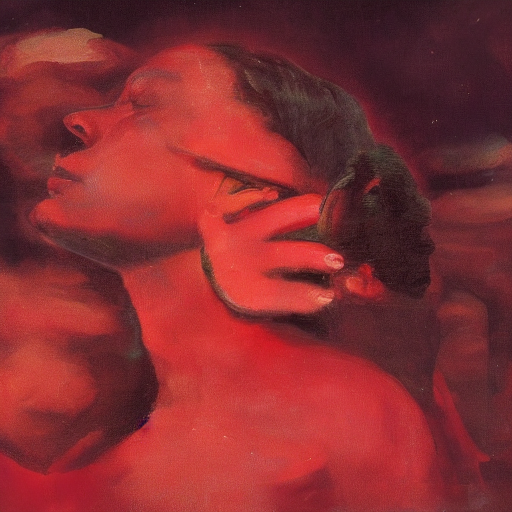
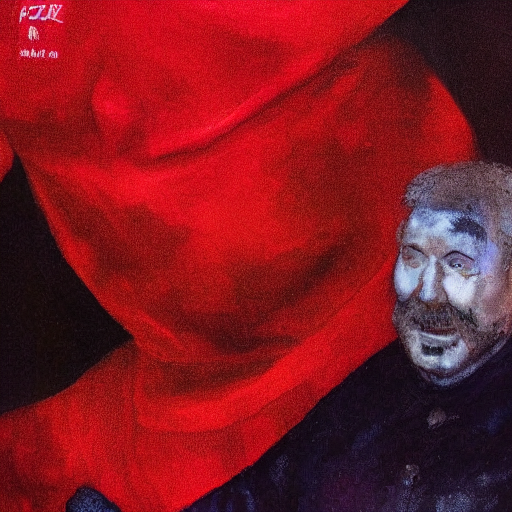
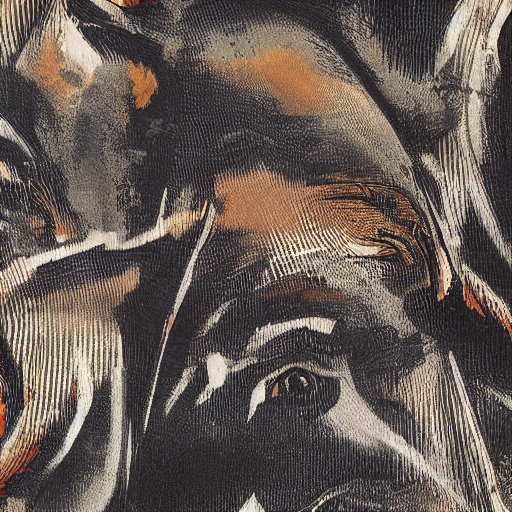
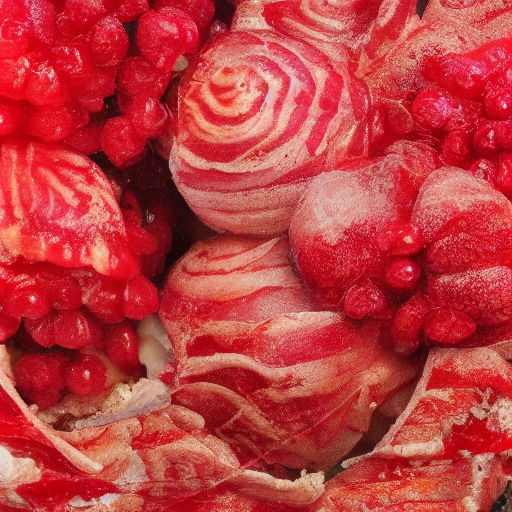
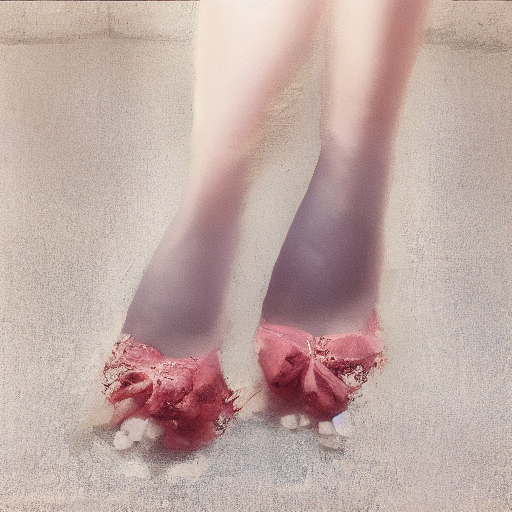
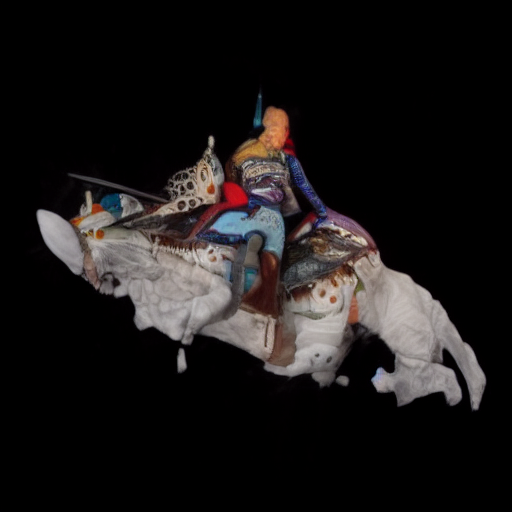
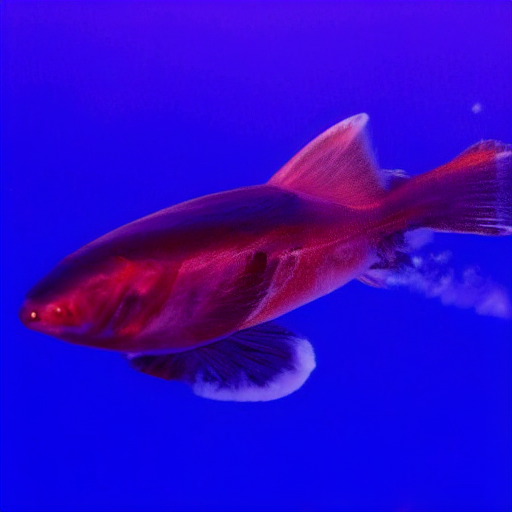
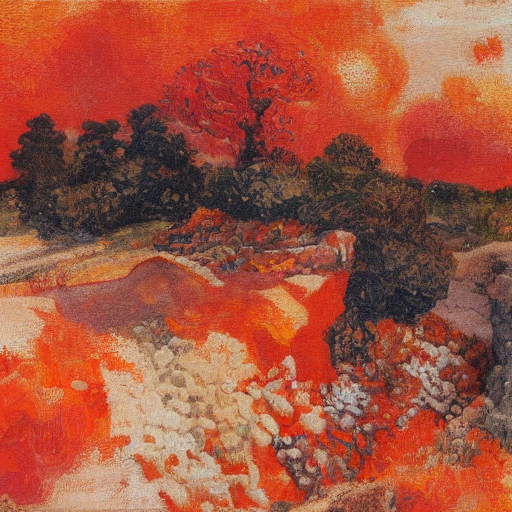
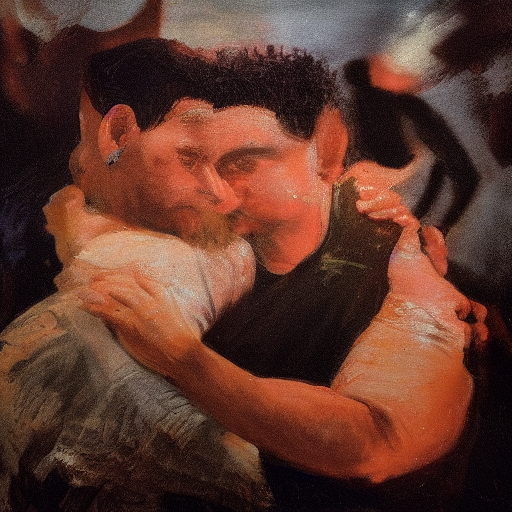
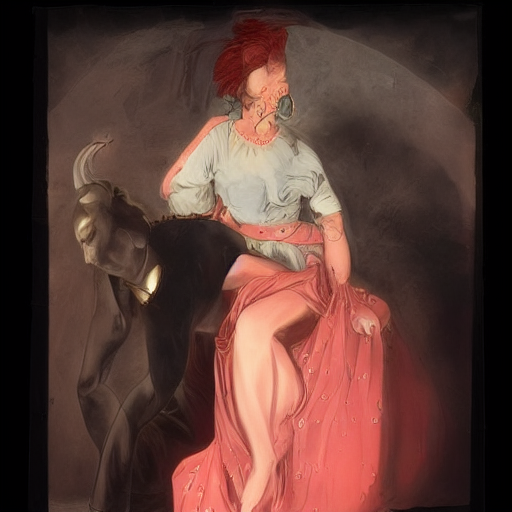
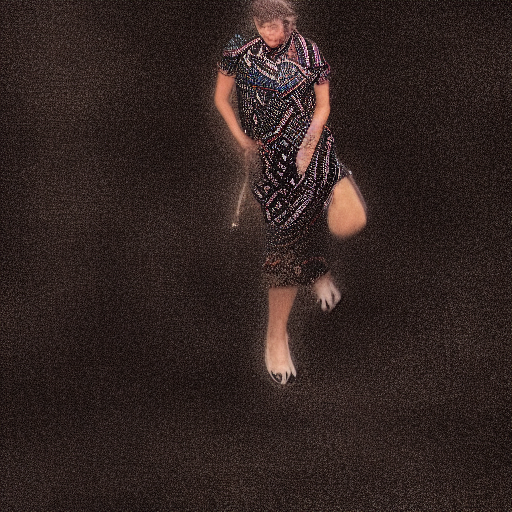
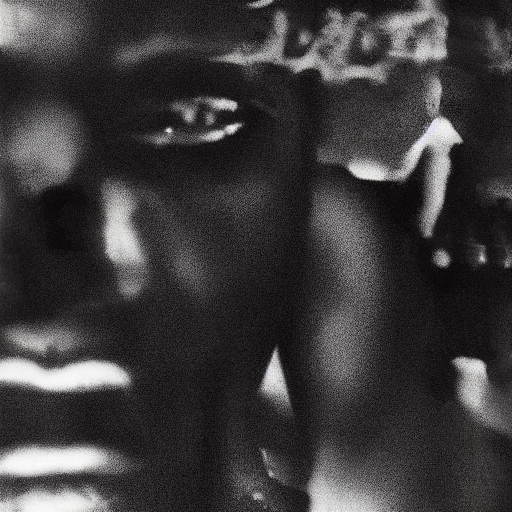
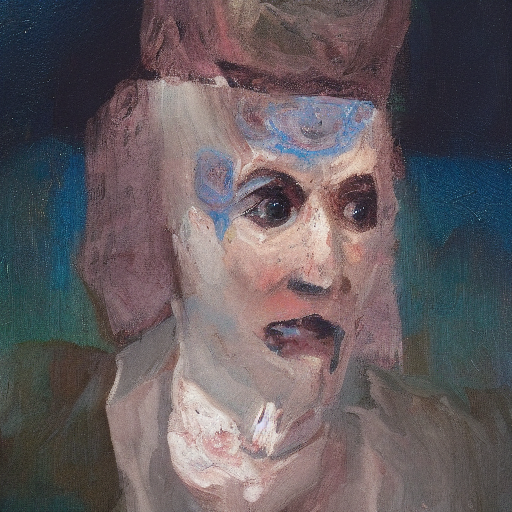
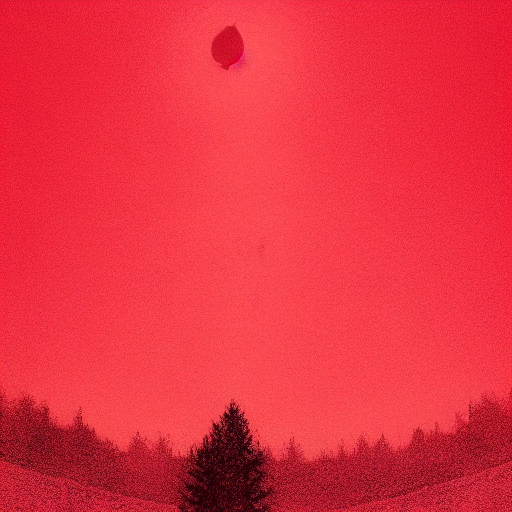
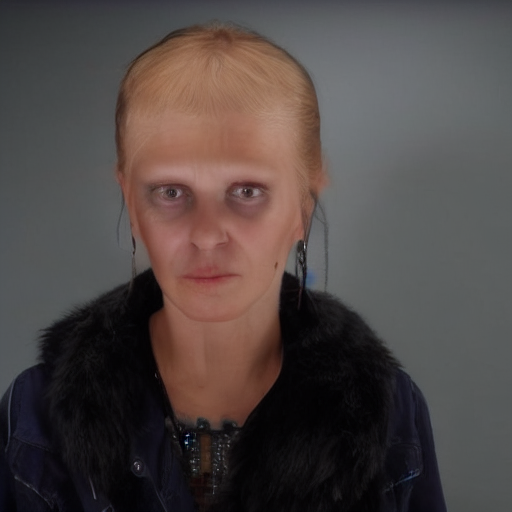
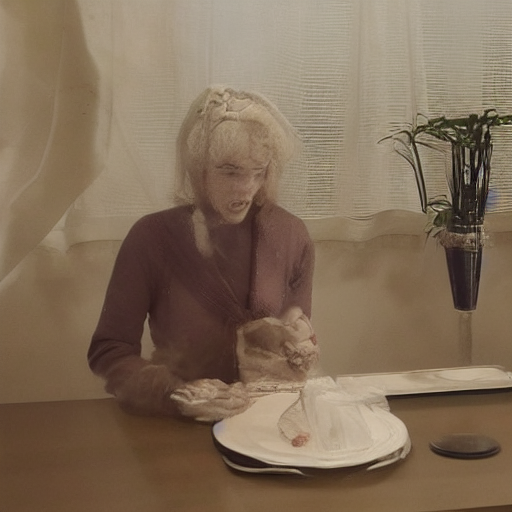
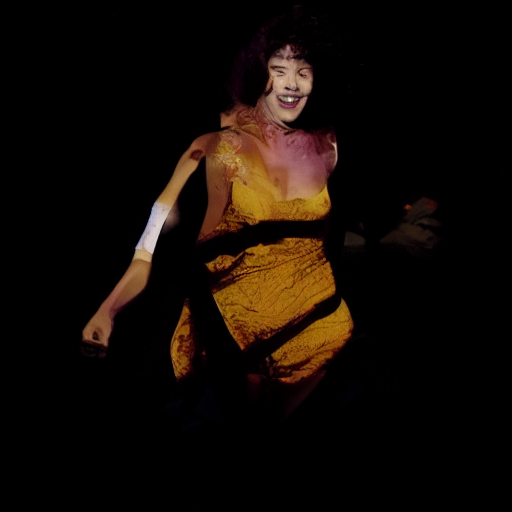
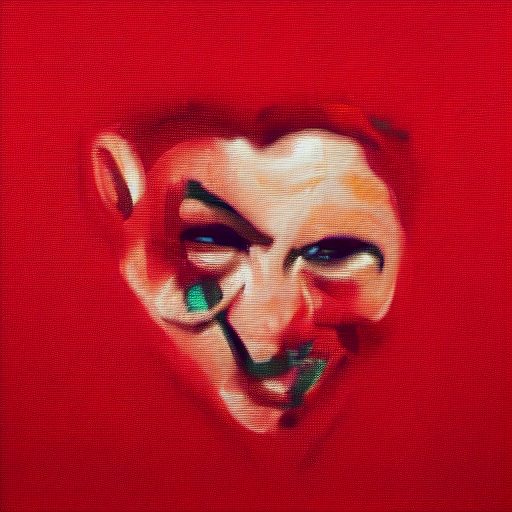
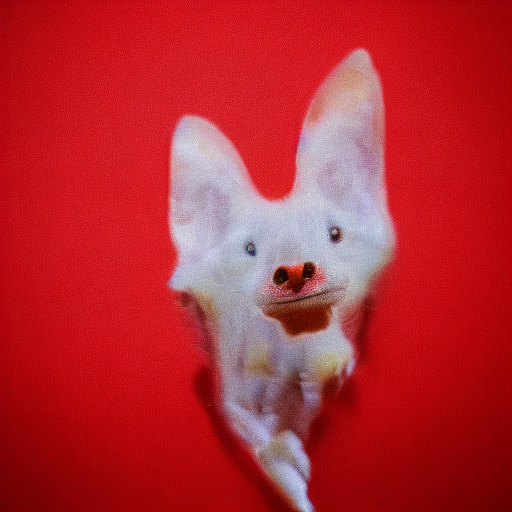
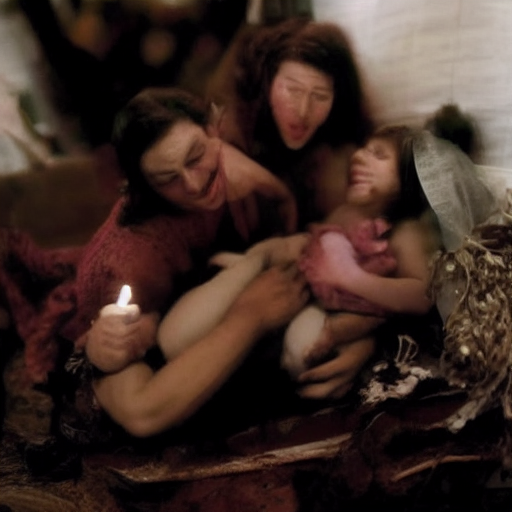
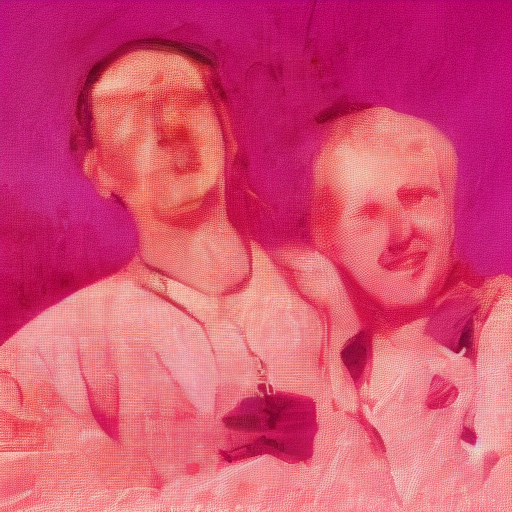
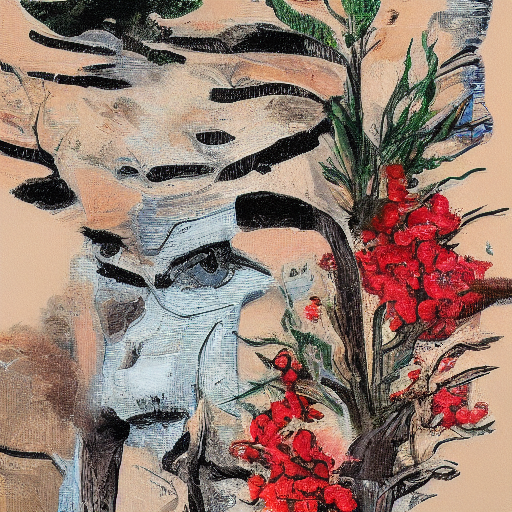
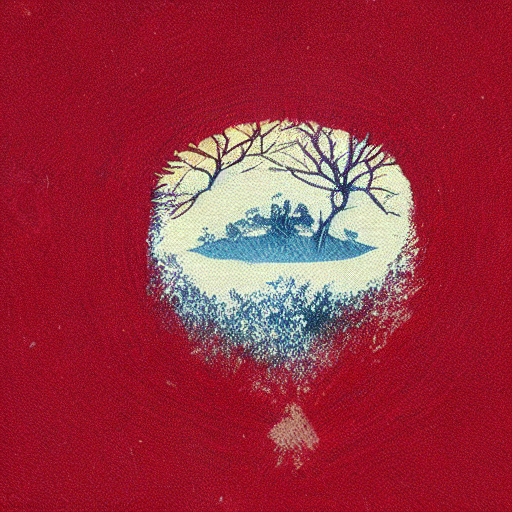
At this point, the generator begins producing images without a prompt, without a descriptive instruction, and without a meaningful visual reference. The system is left to generate from within its own learned image-space, drawing on whatever visual patterns dominate its training data. In this sense, the process becomes a form of free machinic imagination. The images that emerge are uncanny and they carry the defects of an earlier generation of AI image-making. For me, these defects are where the images become interesting and they even carry a kind of nostalgia of the times when AI was still in its infancy state, when only a few people had been experimenting with it and realized what a revolution this would be, the times that we were still able to trust our eyes (or so we believed). These images resist the polished, stock-like or slop-like realism that defines much of current AI imagery, and instead produce something closer to an image that can still trouble or move us, that might surprise us as unexpected, an image that still requires some interpretation from the viewer rather than being fully digestible in milliseconds.
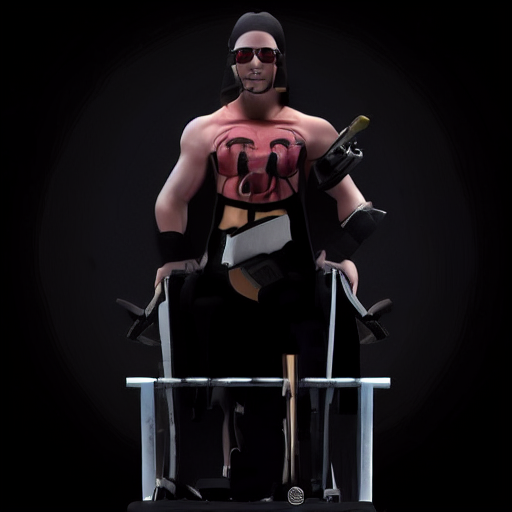
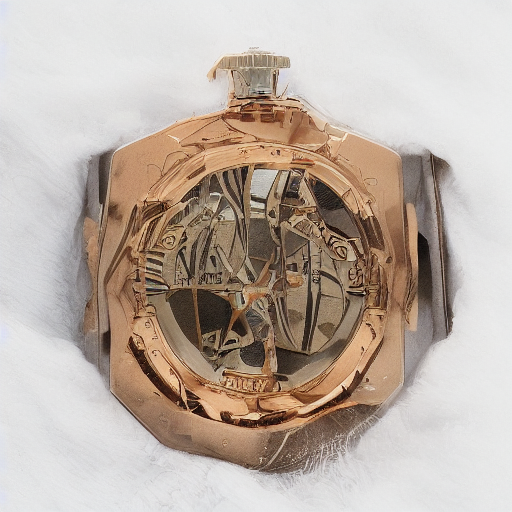
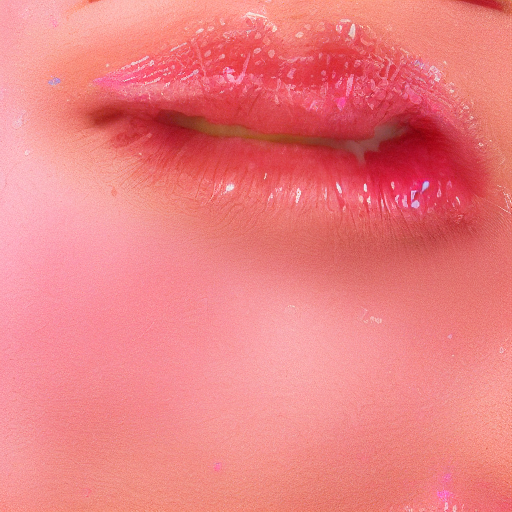
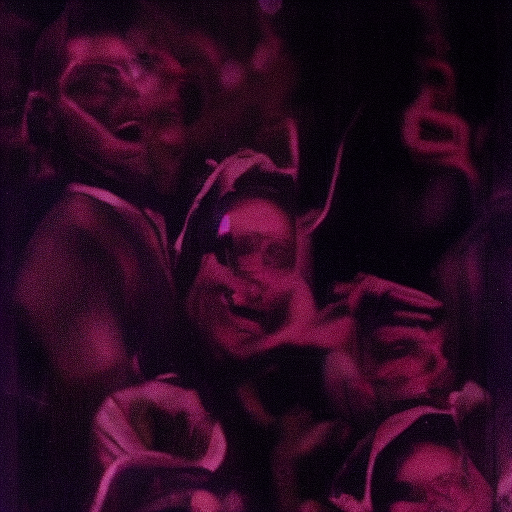
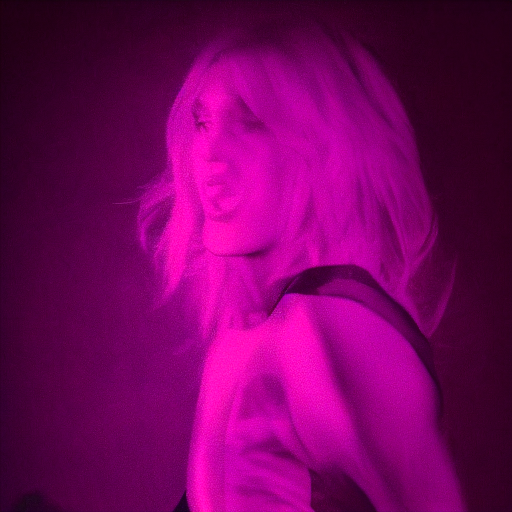
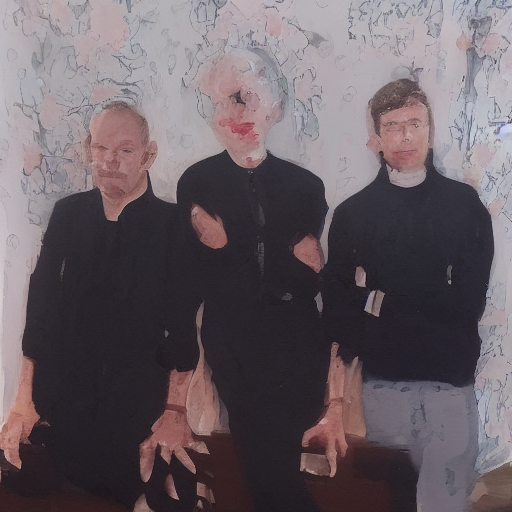
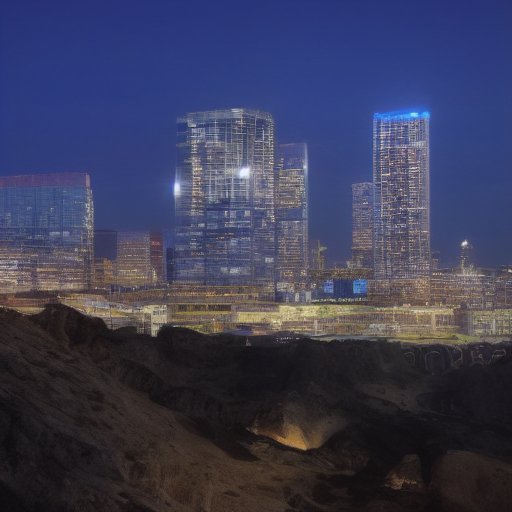
The project is currently developing through a selection of these generated outputs, possibly towards a book, although the final form is still open. I also imagine the work as a live stream from the software preview itself, where each image appears for only a few seconds before being replaced by the next generated image. Since an AI system can never generate the exact same image twice, the work becomes a continuous flow of images that are seen once and then lost. Watching this sequence has something of the feeling of a slot machine, or the endless feed of social media platforms that monetize anticipation and uncertainty. Within this flow, the system seems to expose the visual habits of its training data: e-commerce photography, video game aesthetics, concert and political rally images, people on stages, various social events, real estate photography. What gets generated might be nothing but the statistical residue of the images it has absorbed, or maybe not?
A screen recording showing the custom coded software in action
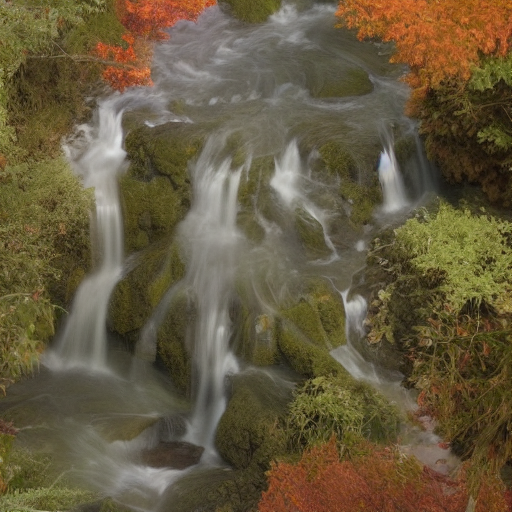
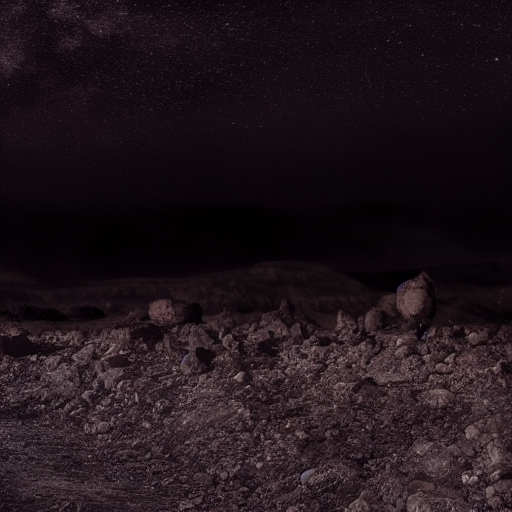
A selection of output images





RELATED PROJECTS
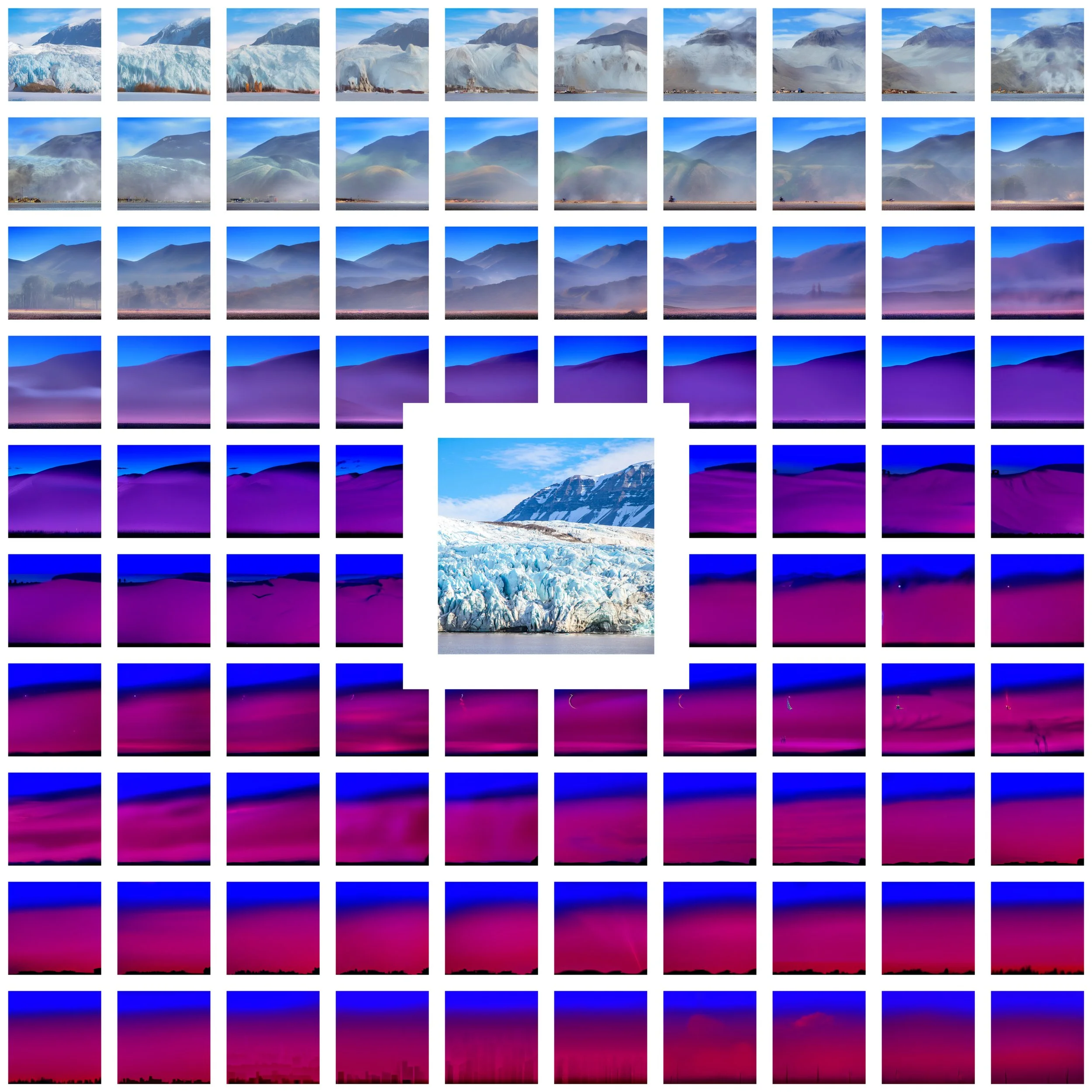
Ecologies of Noise 2025-2026
Images of endangered landscapes are fed into a recursive AI feedback loop, linking AI’s effects on visual culture with technology’s environmental impact and exposing the system’s attractor state.
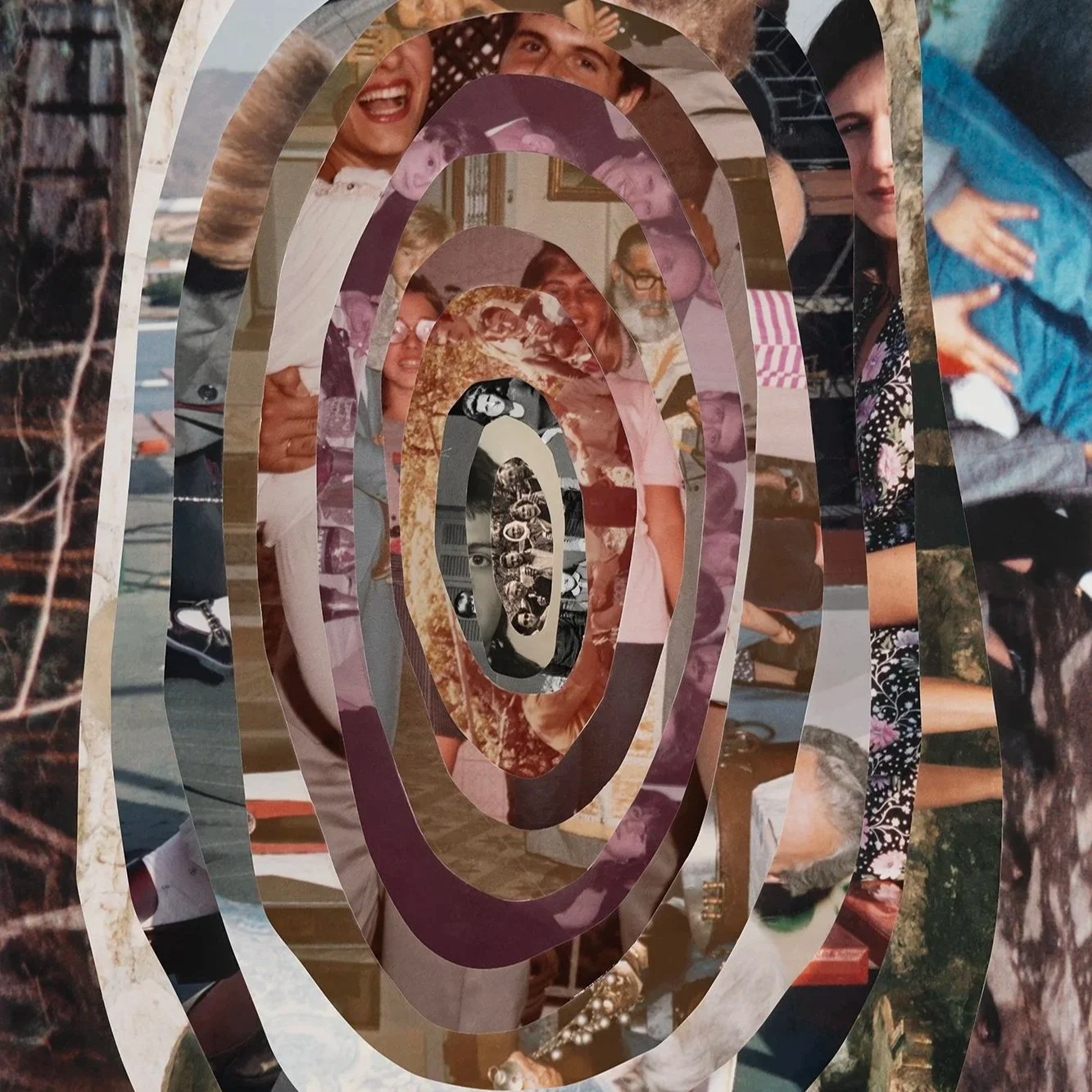
Model Collapse 2025
Family archives, dementia and generative-AI degradation meet in a study of memory’s human and computational deterioration.
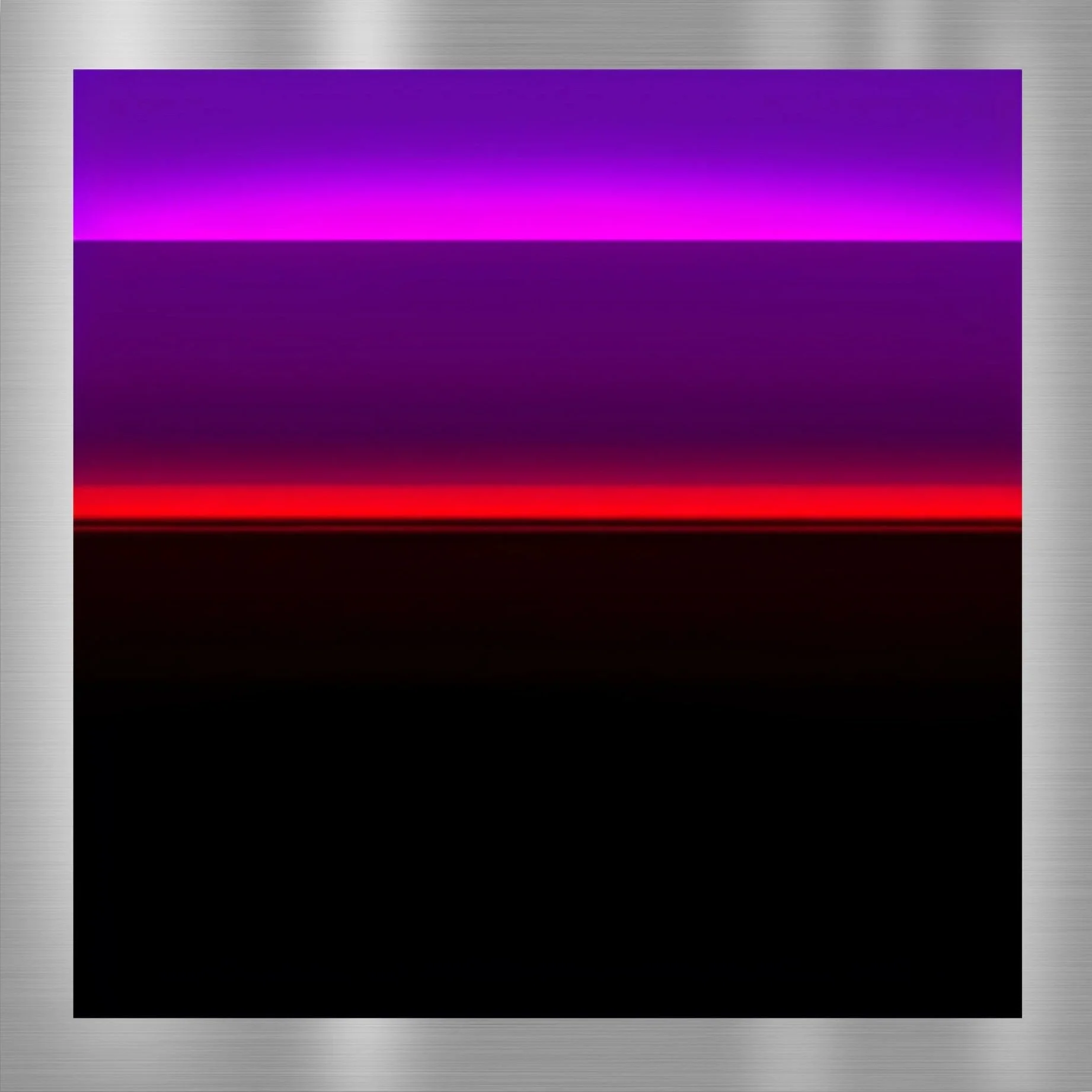
Afterimages 2025
An arc from the very first AI-generated images toward their possible endpoint, where recursive training on synthetic outputs produces visual residues.